Table of Contents
- Introduction
- The Biological Foundation: What Is Collagen?
- The 25-Year Turning Point: Why Age Matters
- Navigating the 20s: The Proactive Phase
- The 30s: The Maintenance and Repair Phase
- The 40s, 50s, and Beyond: The Restoration Phase
- Environmental Stressors: Why Your "Collagen Age" Might Be Older
- The Importance of Vitamin C and Other Cofactors
- Hydrolyzed Peptides vs. Topical Collagen: What Works?
- The BUBS "No-BS" Commitment to Quality
- Customizing Your Routine Based on Your Lifestyle
- How to Easily Integrate Collagen Into Your Daily Life
- Summary of Age-Specific Recommendations
- Choosing the Best Source: Bovine vs. Marine
- Conclusion
- FAQ
Introduction
Did you know that by the time you reach your 40th birthday, your body has likely already lost about 15% to 20% of its total collagen density? While it might seem like a concern for the distant future when you are in your early 20s, the biological reality is that the scaffolding holding your skin, joints, and connective tissues together begins to shift much earlier than most of us realize. At BUBS Naturals, we are built on the legacy of Glen “BUB” Doherty—a man who lived a life of extreme adventure, peak physical performance, and dedicated service. We know that maintaining an active lifestyle requires a foundation of strength that starts at the cellular level. Whether you are scaling a mountain, hitting a personal record in the gym, or simply looking to support your body’s natural aging process, understanding the timeline of your body’s internal protein production is vital.
In this guide, we will explore the nuances of human biology to answer the pressing question: what age should I take collagen? We will dive into the science of why collagen production slows down, how environmental factors accelerate this decline, and the specific benefits of starting a supplement routine at different stages of life. You will learn about the structural differences between various types of collagen, the importance of bioavailability, and how to seamlessly integrate these supplements into your daily ritual. By the end of this article, you will have a clear roadmap for supporting your body’s longevity, ensuring you can "Die Living" just as Glen did. We believe in total transparency and a no-BS approach to wellness, which is why we emphasize clean, third-party tested ingredients like our Collagen Peptides. This journey isn't just about looking better in the mirror; it’s about fueling the engine that allows you to pursue your own adventures, backed by a brand that gives 10% of its profits back to veteran-focused charities.
The Biological Foundation: What Is Collagen?
Before we can pinpoint the exact age to start a supplement routine, we must understand what collagen actually is. Collagen is the most abundant protein in the human body, accounting for roughly one-third of our total protein composition. It acts as the "glue" that holds everything together—from your skin and hair to your bones, tendons, and ligaments. Structurally, collagen is a complex protein made up of long chains of amino acids, primarily glycine, proline, and hydroxyproline. These chains wind around each other to form a triple helix, a shape that provides incredible tensile strength and resilience to our tissues.
In our younger years, our bodies are collagen-producing powerhouses. We synthesize this protein efficiently from the amino acids we consume in our diet, aided by cofactors like vitamin C and minerals. This internal production is what gives young skin its "snap" and keeps joints moving smoothly without friction. However, this endogenous production—meaning the collagen our body makes on its own—is not a permanent faucet that stays fully open. As we age, the fibroblasts (the specialized cells responsible for churning out collagen) become less active.
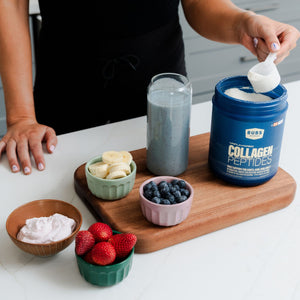
At BUBS Naturals, we focus on providing the highest quality building blocks to support this natural structure. Our Collagen Peptides Collection features grass-fed, pasture-raised hydrolyzed collagen (Types I & III). Hydrolysis is a key process where the large collagen molecules are broken down into smaller, bioavailable peptides. This ensures that when you take a scoop of our Collagen Peptides, your body can actually absorb and utilize those amino acids to support your skin, joints, and recovery.
The 25-Year Turning Point: Why Age Matters
Science suggests that the "golden era" of collagen production begins to wane around the age of 25. While you might not wake up on your 25th birthday and see a radical change, this is the point where the scales start to tip. On average, the body begins to produce about 1% less collagen every single year after this milestone. By the time you hit your 30s and 40s, that cumulative loss starts to manifest in more visible ways, such as fine lines, a loss of skin elasticity, and perhaps a bit more "creakiness" in the knees after a morning run.
The decline isn't just a matter of time; it is also a matter of quality. Not only do we produce less collagen, but the collagen we do produce becomes less organized and more prone to fragmentation. Think of a brand-new bungee cord versus one that has been left out in the sun for a season. The new cord is tight and responsive; the old one is frayed and loses its ability to bounce back. This is why many wellness experts suggest that the best answer to "what age should I take collagen" is often "earlier than you think."
Starting a routine with Collagen Peptides in your mid-20s is largely a proactive strategy. You are essentially providing your body with an abundance of the specific amino acids it needs to keep those fibroblasts working as efficiently as possible for as long as possible. It is much easier to preserve the collagen you have than it is to try and "rebuild" a significant deficit later in life.
Navigating the 20s: The Proactive Phase
In your 20s, your body is generally at its physical peak. You might feel invincible, but this is actually the most critical time to set the foundation for long-term wellness. If you are an athlete, a weekend warrior, or someone who simply enjoys an active lifestyle, your collagen turnover is higher because of the constant repair your connective tissues must undergo.
During this decade, collagen supplementation is about maintenance and prevention. While your skin likely still has plenty of natural bounce, your joints and tendons are under constant stress from exercise and movement. By incorporating Collagen Peptides into your post-workout routine, you are supporting the integrity of those tissues. We often recommend pairing your collagen with our Hydrate or Die – Mixed Berry to ensure that your cells are not only getting the proteins they need but are also properly hydrated to facilitate nutrient transport and muscle function.
Furthermore, your 20s are often a time of high stress, whether from starting a career, late nights, or irregular sleep patterns. These lifestyle factors can trigger oxidative stress, which further damages existing collagen fibers. Being proactive with your nutrition—including a clean, single-ingredient collagen—can help mitigate some of these environmental impacts before they become permanent.
The 30s: The Maintenance and Repair Phase
Once you cross the threshold into your 30s, the decline in collagen production becomes more measurable. This is often the decade where people start noticing the first signs of aging: maybe the "crow's feet" become a bit more pronounced, or recovery time after a heavy lifting session takes an extra day. In your 30s, the goal of taking collagen shifts from pure prevention to active maintenance and targeted repair.
Many women in their 30s also begin to experience hormonal shifts that can affect skin thickness and hydration. Collagen, being a major component of the dermis, plays a vital role in maintaining that moisture barrier. Using Collagen Peptides daily can help support skin hydration from the inside out, complementing your external skincare routine.
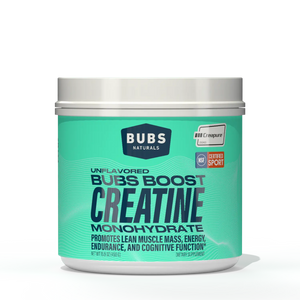
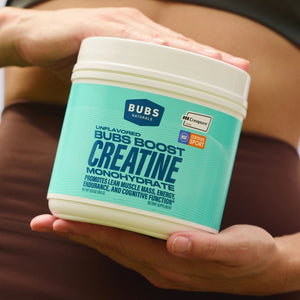
For those focused on fitness, the 30s are also a time when "wear and tear" begins to accumulate. If you are training hard, you might consider stacking your collagen with our Creatine Monohydrate to support both muscle power and the connective tissues that allow those muscles to function. It is about a holistic approach to the "Active Lifestyle" we champion at BUBS. We believe in providing the fuel that keeps you in the game, whether that’s a trail run or a tactical training session.
The 40s, 50s, and Beyond: The Restoration Phase
By the time we reach our 40s and 50s, the cumulative effect of the 1% annual decline in collagen production is significant. For women, the onset of menopause can cause a dramatic drop in collagen levels—some studies suggest a loss of up to 30% in the first five years of menopause alone. This is because estrogen plays a key role in stimulating collagen production. When estrogen levels fall, collagen follows suit.
In this stage of life, supplementation becomes essential rather than optional for those looking to support their mobility and skin health. Joint comfort becomes a major focus. Collagen helps support the cartilage that cushions your joints, which can become thinner and more brittle over time. Regular intake of Collagen Peptides provides the glycine and proline necessary for the body to maintain what cartilage remains and support the health of the surrounding ligaments.
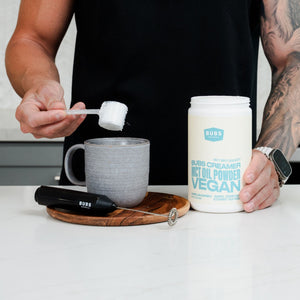
Beyond physical structure, collagen in your 40s and 50s is about quality of life. We want to ensure that age doesn't dictate your ability to be adventurous. Many of our community members in this age bracket enjoy mixing our collagen into their morning coffee with our MCT Oil Creamer – 10 oz Tub. This combination provides sustained energy for the brain and the body, ensuring you start your day with the structural and metabolic support needed to tackle whatever comes your way.
Environmental Stressors: Why Your "Collagen Age" Might Be Older
It is important to remember that your biological age and your "collagen age" might not be the same. Several external factors can accelerate the breakdown of collagen, effectively "aging" your tissues faster than the calendar suggests. If you fall into any of the following categories, you might want to start taking Collagen Peptides even earlier than the standard mid-20s recommendation.
First is UV exposure. The sun’s ultraviolet rays are perhaps the greatest enemy of collagen. They trigger the production of enzymes called matrix metalloproteinases (MMPs), which specifically break down the collagen matrix in the skin. If you spend your life outdoors—surfing, hiking, or working under the sun—your collagen is under constant assault.
Second is diet, specifically sugar consumption. High levels of sugar in the blood can lead to a process called glycation. This is where sugar molecules attach themselves to proteins like collagen, creating "Advanced Glycation End-products" (appropriately abbreviated as AGEs). These AGEs make collagen fibers stiff, malformed, and brittle. To support your body’s natural resilience, we recommend a diet low in added sugars, perhaps supplemented by our Apple Cider Vinegar Gummies to support digestive wellness and metabolic balance.
Finally, habits like smoking and chronic stress significantly impair the body’s ability to repair itself. Smoking limits oxygen delivery to the tissues, while chronic stress keeps cortisol levels high, which can inhibit new collagen synthesis. At BUBS, we advocate for a lifestyle of "Wellness with Purpose." This means taking care of the small things—sleep, stress management, and clean nutrition—so you can enjoy the big things.
The Importance of Vitamin C and Other Cofactors
Taking collagen peptides is a major step in the right direction, but the body doesn't work in a vacuum. To effectively turn those supplemental amino acids into functional collagen fibers in your skin and joints, your body requires specific cofactors. The most important of these is Vitamin C.
Vitamin C acts as a vital "switch" in the collagen synthesis process. Specifically, it is required for the hydroxylation of the amino acids proline and lysine, which allows the collagen strands to cross-link and form that strong triple helix structure. Without adequate Vitamin C, your body simply cannot stabilize the collagen it is trying to build. This is why we developed our Vitamin C supplement with citrus bioflavonoids—to provide the antioxidant support necessary to protect your existing collagen and facilitate the creation of new fibers.
When you think about the question "what age should I take collagen," also consider "what else does my body need to use that collagen?" For many, a holistic "stack" is the most effective approach. Imagine a morning routine where you mix Collagen Peptides into your coffee with Butter MCT Oil Creamer – 10 oz Tub, and take a Vitamin C on the side. You are providing the protein building blocks, the metabolic fuel, and the chemical cofactors all at once.
Hydrolyzed Peptides vs. Topical Collagen: What Works?
In the beauty industry, you will often see "collagen-infused" creams and serums marketed as a way to "restore youth." However, it is important to understand the science of skin penetration. The collagen molecule itself is quite large—far too large to penetrate the epidermis and reach the dermis, where the "magic" happens. While topical collagen can be a decent humectant (meaning it helps hold moisture on the surface of the skin), it cannot actually add to your body’s collagen stores.
This is why oral supplementation with hydrolyzed Collagen Peptides is the gold standard. When you ingest hydrolyzed peptides, your body breaks them down further into individual amino acids and short-chain peptides that can be absorbed through the intestinal wall and into the bloodstream. These peptides then circulate to the tissues that need them most—the skin, the joints, and the bones.
Beyond just providing raw materials, these absorbed peptides actually act as signaling molecules. When your fibroblasts detect an increase in collagen peptides in the blood, they interpret it as a signal that collagen is breaking down and needs to be replaced. This "tricks" the body into ramping up its own natural production. This dual action—providing the building blocks and stimulating the factory—is what makes oral collagen so effective at any age.
The BUBS "No-BS" Commitment to Quality
We know that the supplement world can be confusing and, quite frankly, full of noise. That is why BUBS Naturals was founded on the principles of simplicity and efficacy. When we talk about Collagen Peptides, we aren't talking about a product filled with artificial sweeteners, flavors, or "secret" blends. We provide clean, grass-fed, pasture-raised bovine collagen that is NSF for Sport certified.
Why does the NSF for Sport certification matter? It means our products are rigorously tested for over 280 banned substances and that what is on the label is exactly what is in the tub. This is the highest standard in the industry, and it is the same standard used by professional athletes and high-level operators. Whether you are 25 or 75, you deserve to know that what you are putting into your body is safe and effective.
Furthermore, every purchase of our Collagen Peptides supports a greater mission. We donate 10% of our profits to the Glen Doherty Memorial Foundation. Glen was a Navy SEAL, a dedicated friend, and a man who believed in squeezing every drop out of life. By supporting BUBS, you are supporting the families of fallen heroes and ensuring that Glen’s legacy of adventure and service lives on.
Customizing Your Routine Based on Your Lifestyle
The answer to "what age should I take collagen" is often influenced by how you live your life. A professional athlete in their early 20s may have a greater need for collagen than a sedentary 35-year-old, simply due to the physical demands placed on their tendons and ligaments.
For the high-performance individual, we suggest incorporating collagen as part of a comprehensive recovery protocol. This might include:
For those focused more on healthy aging and longevity:
-
Consistency is Key: Taking 10-20 grams of Collagen Peptides every single day is more important than taking a massive dose once a week.
-
Support Your System: Pairing your collagen with Vitamin C ensures your body can actually use the protein you are providing.
How to Easily Integrate Collagen Into Your Daily Life
One of the biggest hurdles to any new supplement routine is complexity. We believe that if a product is hard to use, you won't use it. That is why our Collagen Peptides are unflavored and designed to dissolve instantly in both hot and cold liquids.
You don't need a fancy blender or a complicated recipe. You can stir a scoop into your morning coffee, mix it into your oatmeal, or shake it up in your water bottle during a hike. Because it is heat-stable, you can even cook or bake with it—add it to your pancake batter or a batch of homemade energy balls. This ease of use is central to the BUBS philosophy: "One scoop. Feel the difference."
For those who are always on the move, we offer travel-friendly options. Our travel packs allow you to maintain your collagen routine whether you are on a business trip, a camping excursion, or a deployment. Adventure shouldn't mean compromising on your wellness goals. By making collagen a seamless part of your existing habits, you ensure that your body is getting the consistent support it needs to stay strong and resilient year after year.
Summary of Age-Specific Recommendations
To recap, while there is no "wrong" age to start, here is how you should think about collagen supplementation throughout your life:
-
Late Teens to Early 20s: If you are highly active or an elite athlete, consider starting now to support joint and tendon health. For others, focus on a high-protein diet and sun protection.
-
Mid-20s (25+): This is the ideal time to start a daily collagen habit. You are in the "Prevention Phase," helping to offset the 1% annual decline before it shows up on the surface.
-
30s: This is the "Maintenance Phase." Use collagen to support skin elasticity and muscle recovery. Address the first signs of fine lines and ensure your connective tissues stay resilient.
-
40s and 50s: This is the "Essential Phase." Supplementation becomes a critical tool for managing joint comfort, bone density support, and skin hydration during significant hormonal shifts.
-
60s and Beyond: Focus on "Restoration and Support." Use collagen to help maintain mobility and structural integrity, allowing you to stay active and independent for as long as possible.
No matter where you fall on this spectrum, the best time to start is today. The benefits of collagen are cumulative, and the sooner you provide your body with these high-quality amino acids, the better your foundation will be for the decades to come.
Choosing the Best Source: Bovine vs. Marine
When you start looking for collagen, you will likely encounter both bovine and marine options. At BUBS, we utilize grass-fed, pasture-raised bovine collagen because it is rich in both Type I and Type III collagen. Type I is the primary collagen found in our skin, hair, and bones, while Type III is found in our muscles and blood vessels. Together, they provide a comprehensive profile that supports the majority of the body’s needs.
Bovine collagen is also highly sustainable when sourced from pasture-raised cattle. We are committed to ethical sourcing, ensuring that our products are as good for the planet as they are for you. Marine collagen is also an excellent option, particularly for those who do not consume beef products, and it is known for its high Type I concentration. However, for a versatile, all-around supplement that mixes effortlessly and provides robust structural support, our Collagen Peptides remain our top recommendation.
Conclusion
Determining what age should I take collagen is less about following a rigid rule and more about understanding your body’s natural rhythm. While the biological shift typically begins in our mid-20s, the "right" age is whenever you decide to take ownership of your long-term health and mobility. Whether you are in the proactive phase of your youth or the restoration phase of your later years, the building blocks provided by high-quality collagen are essential for a life of adventure and purpose.
We have explored the science of the 1% annual decline, the importance of cofactors like Vitamin C, and the reasons why simple, hydrolyzed peptides are superior to topical treatments. At BUBS Naturals, our mission is to provide you with the cleanest, most effective tools to support your wellness journey, inspired by the legacy of a man who lived every day with intensity and heart.
Ready to feel the BUBS difference? Explore our Collagen Peptides Collection and start building your foundation today. Remember, your purchase isn't just an investment in your own health—it is a contribution to a community that honors our veterans and encourages us all to live with more adventure. Start your routine with our Collagen Peptides and see what it means to truly fuel your potential.
FAQ
1. Is 20 too young to start taking collagen?
Not necessarily. While natural production is still high at 20, individuals who are very active, such as athletes or those in physically demanding jobs, may benefit from the additional joint and recovery support. Starting in your early 20s is a proactive way to maintain the collagen you already have before the natural decline begins around age 25. Adding Collagen Peptides to your routine early can help set a strong foundation for the future.
2. Can I get enough collagen from food alone?
While you can obtain the amino acids needed to build collagen from protein-rich foods like bone broth, meat, and fish, it can be difficult to get a consistent and concentrated dose of specific collagen peptides through diet alone. Supplementing with Collagen Peptides ensures you are getting a bioavailable source of the exact amino acids your body needs to support skin, joint, and hair health without the guesswork.
3. Does collagen help with joint comfort as I get older?
Yes, collagen is a major component of the cartilage that protects your joints. As we age and our natural collagen production slows down, that cartilage can become thinner. By consistently taking Collagen Peptides, you provide your body with the building blocks to maintain healthy connective tissues, which can support joint flexibility and overall comfort. For even better results, consider staying hydrated with Hydrate or Die – Mixed Berry.
4. How long does it take to see results after starting collagen?
Consistency is the most important factor when starting a collagen routine. Most research suggests that it takes about 8 to 12 weeks of daily use to notice changes in skin hydration, hair strength, or joint comfort. Because collagen is a structural protein, your body needs time to integrate those amino acids into your tissues. To make it a permanent part of your day, try mixing Collagen Peptides into your morning coffee or a daily smoothie.