Table of Contents
- Introduction
- Understanding the Collagen Matrix
- The Essential Building Blocks: Amino Acids
- The Role of Micronutrients in Collagen Synthesis
- How Lifestyle Choices Impact Your Collagen Levels
- The Connection Between Gut Health and Collagen
- Supplementation: Bridging the Gap with Hydrolyzed Peptides
- Why Quality Matters: The BUBS Naturals Standard
- Physical Activity and the Collagen Response
- Practical Ways to Incorporate Collagen into Your Routine
- The Long-Term Vision for Wellness
- Conclusion
- FAQ
Introduction
By the time you finish reading this sentence, your body will have performed millions of microscopic repairs, silently reinforcing the biological scaffolding that keeps you moving, breathing, and exploring. This scaffolding is largely composed of collagen, the most abundant protein in the human body, accounting for roughly one-third of our total protein composition. However, a startling biological reality exists: after the age of 25, our internal collagen production begins a slow, steady decline, often dropping by about 1% every year. For those of us who live for the next trail, the next heavy set, or the next sunrise over a mountain peak, understanding what helps produce collagen in the body isn't just a matter of aesthetics—it is a fundamental component of maintaining an active, resilient lifestyle.
At BUBS Naturals, we look at wellness through the lens of performance and purpose. Our brand was born from the legacy of Glen “BUB” Doherty—a Navy SEAL, an adventurer, and a friend who lived life at full throttle. To honor him, we focus on providing clean, science-backed nutrition that helps you stay in the game longer. This blog post is designed to be your comprehensive resource for understanding the intricate biological machinery behind collagen synthesis. We will explore the specific amino acids that act as raw materials, the essential vitamins and minerals that serve as the "welding" tools for protein strands, and the lifestyle choices that either protect or deplete your natural reserves.
By the end of this article, you will have a clear roadmap for supporting your body’s natural ability to maintain its connective tissues. We will dive deep into the role of nutrition, the impact of environmental stressors, and how targeted supplementation can bridge the gap between what your body needs and what a modern diet often lacks. Whether you are looking to support joint health for your next ultramarathon or simply want to understand the foundational biology of your skin and hair, this guide provides the "no-BS" answers you need to fuel your personal evolution.
Understanding the Collagen Matrix
To understand what helps produce collagen in the body, we first have to look at what collagen actually is. Think of collagen as the "glue" that holds the body together. The word itself comes from the Greek word "kolla," which literally means glue. In biological terms, collagen is a structural protein that forms a dense network of fibers throughout your skin, tendons, ligaments, bones, and even your blood vessels.
There are at least 16 different types of collagen, but roughly 80% to 90% of the collagen in your body consists of Types I, II, and III. Type I is incredibly strong—gram for gram, it is stronger than steel—and is found primarily in your skin, bones, and tendons. Type II is the main component of cartilage, providing the cushioning your joints need during high-impact activities. Type III supports the structure of muscles, organs, and arteries.
The production of these fibers happens within specialized cells called fibroblasts. These cells are like tiny construction crews working within your connective tissue. They take specific raw materials and assemble them into pro-collagen, which eventually matures into the sturdy collagen fibers that provide structural integrity. However, this process isn't automatic; it requires a precise combination of nutrients and a favorable internal environment. Without the right inputs, the construction crew stalls, leading to the gradual thinning of skin and the increased stiffness in joints that many of us associate with aging. By providing the right support, we can help our bodies stay efficient in this vital manufacturing process.
The Essential Building Blocks: Amino Acids
The most fundamental answer to what helps produce collagen in the body lies in amino acids. All proteins are made of amino acids, but collagen has a very specific and unique "recipe." Unlike muscle tissue, which requires a broad spectrum of branched-chain amino acids, collagen is primarily composed of three specific players: glycine, proline, and hydroxyproline.
Glycine is the smallest amino acid, but it plays a massive role in collagen structure. Because of its tiny size, it can fit into the tight spaces within the collagen triple helix, allowing the protein to pack together tightly and gain its legendary strength. Proline and its derivative, hydroxyproline, provide the stability that prevents the collagen strands from unraveling. While your body can technically produce these amino acids on its own (making them "non-essential" or "conditionally essential"), the sheer volume of collagen your body needs to maintain often outpaces its internal production capacity, especially under physical stress or as we age.
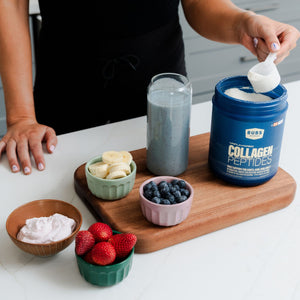
This is where dietary protein and targeted supplements like Collagen Peptides come into play. When you consume hydrolyzed collagen, you aren't just eating protein; you are delivering the exact ratios of glycine and proline your fibroblasts need to start the assembly line. Our Collagen Peptides are pasture-raised and grass-fed, ensuring you get a clean source of these building blocks that mixes effortlessly into your morning coffee or post-workout shake. By saturating your system with these specific raw materials, you are giving your body the "green light" to continue building and repairing the tissues that support your active lifestyle.
The Role of Micronutrients in Collagen Synthesis
If amino acids are the bricks of the collagen structure, then micronutrients are the mortar and the tools used to set them in place. Even if you have an abundance of glycine and proline, your body cannot successfully create functional collagen without specific cofactors. The most critical of these is Vitamin C.
Vitamin C is essential for the "hydroxylation" of proline and lysine. In simpler terms, Vitamin C acts like a biological welder that helps bond the amino acid strands together into a stable triple helix. Without enough Vitamin C, the collagen fibers produced are weak and unstable. This is why a deficiency in Vitamin C (traditionally known as scurvy) leads to symptoms like bleeding gums and poor wound healing—the body literally begins to fall apart because it can’t maintain its structural glue. To support this vital process, many people find that supplementing with Vitamin C is a simple way to ensure their "collagen factory" has the tools it needs to function at peak capacity.
Beyond Vitamin C, minerals like zinc and copper play supporting roles. Zinc is a cofactor for many enzymes involved in protein synthesis and cell division, which are necessary for the turnover of collagen in the skin and joints. Copper activates an enzyme called lysyl oxidase, which cross-links collagen and elastin fibers, giving them their flexibility and resilience. We believe in a holistic approach to nutrition, which is why we emphasize clean, whole-food sources and simple, effective supplements that provide these essential elements without any unnecessary fillers or "BS" ingredients.
How Lifestyle Choices Impact Your Collagen Levels
Understanding what helps produce collagen in the body also requires looking at what destroys it. Our modern environment is often at odds with our biological needs, and several factors can actively accelerate the breakdown of existing collagen while hindering the production of new fibers.
The first major culprit is UV radiation. While we love the outdoors and encourage an adventurous life under the sun, excessive UV exposure creates free radicals that break down collagen fibers in the skin through a process called oxidative stress. This is why consistent sun protection is vital for anyone who spends their days on the water or the trails. Similarly, smoking and exposure to environmental pollutants introduce toxins that impair the health of fibroblasts, the very cells responsible for collagen production.
Another significant factor is dietary sugar. High sugar intake leads to the formation of Advanced Glycation End-products, appropriately nicknamed "AGEs." These molecules attach themselves to collagen fibers, making them brittle and prone to breakage. This process can be particularly detrimental to the elasticity of your skin and the health of your arteries. To counteract these stressors, focus on a diet rich in antioxidants and manage your blood sugar levels. Incorporating Apple Cider Vinegar Gummies into your daily routine can be a great way to support digestive health and overall wellness, helping you maintain the internal balance necessary for your body to prioritize repair over inflammation.
The Connection Between Gut Health and Collagen
It might seem surprising, but the health of your digestive system is intrinsically linked to what helps produce collagen in the body. You are not just what you eat; you are what you absorb. If your gut lining is compromised or if your digestion is sluggish, you may not be efficiently breaking down proteins into the amino acids necessary for collagen synthesis.
The gut lining itself is largely made of—you guessed it—collagen. This creates a powerful feedback loop. By consuming collagen-rich foods or a high-quality Collagen Peptides supplement, you are providing the amino acids, specifically glutamine and glycine, that support the integrity of the intestinal wall. A strong gut lining prevents unwanted particles from leaking into the bloodstream, which reduces systemic inflammation. Lower levels of inflammation mean that your body can focus its resources on building new tissue rather than constantly fighting off internal "fires."
To further support this process, many of our community members use MCT Oil Creamer in their morning routine. Medium-chain triglycerides (MCTs) are easily digested and provide a clean source of fuel for both the brain and the body. When your digestive system is running efficiently and your energy levels are stable, your body is in a much better position to handle the metabolically demanding task of protein synthesis. It's all about creating an internal environment where wellness can thrive, allowing you to push harder during your adventures and recover faster when you return.
Supplementation: Bridging the Gap with Hydrolyzed Peptides
While you can get some collagen from traditional foods like bone broth or slow-cooked meats, modern dietary habits often miss these "odd bits" of the animal. Most of the protein we eat today comes from muscle meats, which are high in amino acids like methionine but relatively low in the glycine and proline needed for collagen. This is why supplementation has become a cornerstone of the modern wellness toolkit.
However, not all supplements are created equal. When looking for what helps produce collagen in the body, the keyword is "hydrolyzed." Hydrolysis is a process that breaks down long collagen protein chains into smaller strings of amino acids called peptides. These peptides are much easier for your body to absorb and utilize. Because they are "pre-digested," they can quickly enter the bloodstream and signal your fibroblasts to get to work.
At BUBS Naturals, we take this a step further. Our Collagen Peptides Collection is NSF for Sport certified, meaning it has undergone rigorous third-party testing to ensure it is free from banned substances and contaminants. This level of transparency is vital for professional athletes and weekend warriors alike. We believe that if you’re going to put something in your body, it should be of the highest possible quality. By choosing a hydrolyzed, clean-label product, you ensure that the building blocks you’re consuming are actually reaching their destination—your joints, your skin, and your connective tissues.
Why Quality Matters: The BUBS Naturals Standard
When we talk about what helps produce collagen in the body, we have to talk about the "BUBS" difference. Our brand wasn't started in a boardroom; it was started as a tribute to Glen Doherty, a man who lived with intensity and integrity. That legacy drives every decision we make, from our sourcing to our charitable giving. We don’t just want to sell supplements; we want to provide the fuel for a life well-lived.
This is why we adhere to the "10% Rule." We donate 10% of all our profits to veteran-focused charities, specifically the Glen Doherty Memorial Foundation. When you choose our Collagen Peptides, you aren't just supporting your own wellness; you are contributing to a larger mission of giving back to those who have served. We believe that true health includes a sense of purpose and community, and we strive to reflect that in our commitment to clean, high-quality ingredients.
Our products are designed to be as versatile as your lifestyle. Whether you prefer the convenience of our Collagen Peptides - 20 ct Travel Pack for your next backcountry trip or the 20 oz tub for your daily home routine, you are getting a product that is unflavored, odorless, and dissolves instantly. We’ve removed the friction from the supplementation process because we know that consistency is the real "secret" to seeing results. By making it easy to include these vital amino acids in your day, we help you stay consistent with your goals.
Physical Activity and the Collagen Response
Exercise is a powerful stimulus for collagen production, but it is also a source of collagen breakdown. When you lift weights, run, or engage in high-intensity training, you are creating microscopic damage to your connective tissues. This damage is the signal your body needs to trigger the repair process and build back stronger. This is why physical activity is one of the most important factors in what helps produce collagen in the body over the long term.
However, if the rate of breakdown exceeds the rate of repair, you end up with overuse injuries like tendonitis or joint pain. This is why recovery is just as important as the workout itself. To support this delicate balance, your body needs adequate hydration and electrolytes. Our Hydrate or Die - Lemon formula provides the essential minerals your cells need to maintain fluid balance and support muscle function during and after exercise.
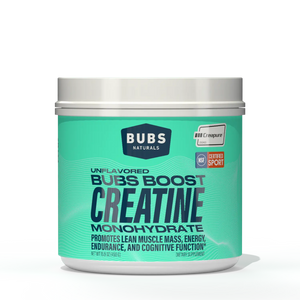
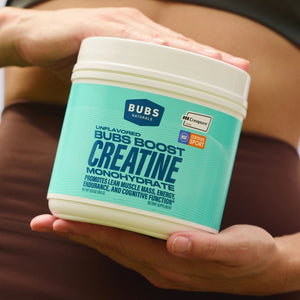
Furthermore, combining your collagen intake with other performance-focused supplements can create a synergistic effect. For example, Creatine Monohydrate is widely known for supporting muscle strength and power, but emerging research suggests it may also play a role in supporting the energy-intensive process of tissue repair. By pairing Creatine Monohydrate with our Collagen Peptides, you are attacking your fitness goals from multiple angles—supporting the muscle fibers themselves while also reinforcing the connective tissue that allows those muscles to transmit force.
Practical Ways to Incorporate Collagen into Your Routine
Knowing what helps produce collagen in the body is only half the battle; the other half is integrating that knowledge into a sustainable daily routine. We’ve found that the best way to ensure success is to attach your new habits to ones you already have. For most of us, that starts with the morning cup of coffee.
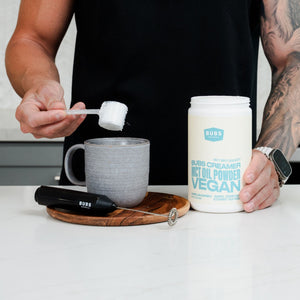
A scoop of Collagen Peptides in your morning brew is virtually undetectable, but it provides a significant "head start" on your protein and amino acid needs for the day. If you like a creamier texture, adding a scoop of our Butter MCT Oil Creamer provides sustained energy and healthy fats to fuel your morning. This combination is a staple for our community of adventurers who need to stay sharp and energized from the moment they wake up.
As you move through your day, think about your other "windows" of opportunity. Post-workout is an ideal time for a recovery shake. By mixing Hydrate or Die - Mixed Berry with a scoop of collagen, you are rehydrating your cells while simultaneously delivering the building blocks for joint and tissue repair. Even your snacks can be upgraded—toss some collagen into your yogurt or oatmeal for an easy protein boost. By making these small, intentional choices, you are consistently providing your body with the inputs it needs to maintain its structural integrity.
The Long-Term Vision for Wellness
When we consider what helps produce collagen in the body, we are looking at a marathon, not a sprint. Collagen synthesis is a slow, methodical process. You won't see changes overnight, but over weeks and months of consistent nutrition and lifestyle choices, the cumulative effect becomes undeniable. You may notice that your joints feel "greased" and more resilient during your workouts, or that your skin maintains a healthy glow even after a long weekend in the sun.
Our philosophy at BUBS Naturals is centered on this idea of long-term evolution. We want to be the brand that supports you through every decade of your life. Whether you are in your 20s looking to optimize performance or in your 60s looking to maintain mobility and independence, the biological principles of collagen production remain the same. It requires high-quality raw materials, essential cofactors, and a commitment to protecting your internal environment from excessive stress.
We invite you to join our community and experience the BUBS difference for yourself. Our Collagen Peptides Collection is designed for people who refuse to settle for "average." We believe in pushing boundaries, exploring the unknown, and doing it all with a spirit of generosity. By fueling your body with the best possible ingredients, you are setting the stage for a life of adventure, wellness, and purpose.
Conclusion
At its core, understanding what helps produce collagen in the body is about respecting the biological machinery that allows us to interact with the world. We’ve explored how the foundational building blocks of glycine and proline work in tandem with cofactors like Vitamin C to create the structural glue of our bodies. We’ve also seen how lifestyle factors—from sun exposure to gut health—can either support or sabotage our natural production levels. It is a complex system, but the solutions are remarkably simple: prioritize clean nutrition, stay active, and provide your body with the specific tools it needs to thrive.
By integrating high-quality, science-backed supplements like our Collagen Peptides into your daily routine, you are making a proactive investment in your future self. You are choosing to support your joints, skin, and overall resilience with a product that is as dedicated to quality as you are to your goals. Remember that every scoop you take is also a contribution to the legacy of Glen “BUB” Doherty and the support of our veteran community.
As you move forward on your wellness journey, we encourage you to take the lessons learned here and apply them with consistency. Feed your body the right nutrients, protect it from environmental stressors, and never stop exploring what you are capable of. If you’re ready to take the next step in your performance and recovery, explore the science-backed ingredients in our primary pick and feel the BUBS difference for yourself. One scoop. Feel the difference. Die eager.
FAQ
How long does it take to see results from supporting collagen production?
While everyone’s biology is unique, collagen synthesis is a gradual process. Most people who consistently use high-quality supplements like our Collagen Peptides and maintain a nutrient-dense diet report noticing improvements in skin hydration and joint comfort within 4 to 8 weeks. For more significant changes in hair or nail strength, it may take 3 to 6 months of daily consistency.
Can I get enough collagen from food alone?
While you can obtain collagen by consuming animal skins, tendons, and bone broth, these aren't always staples in a modern diet. Furthermore, the collagen in food is not always "hydrolyzed," meaning the protein chains are long and harder for your body to break down and absorb. Supplementing with Collagen Peptides provides a concentrated, highly bioavailable source of the specific amino acids your body needs for synthesis.
Does Vitamin C really make a difference for collagen?
Absolutely. Vitamin C is a mandatory cofactor for the enzymes that stabilize the collagen triple helix. Without it, the "welding" process of collagen fibers cannot occur correctly. For optimal results, we recommend pairing your collagen intake with a clean source of Vitamin C to ensure your body has all the necessary tools for effective production.
Are there any lifestyle habits that I should avoid to protect my collagen?
Yes, several factors can accelerate collagen breakdown. High sugar intake leads to glycation (AGEs), which makes collagen brittle. Excessive UV exposure from the sun and smoking also create oxidative stress that damages existing fibers and impairs the cells responsible for making new ones. Supporting your body with Apple Cider Vinegar Gummies and a diet rich in antioxidants can help mitigate some of these environmental stressors.