Table of Contents
- Introduction
- The Biological Foundation of Collagen
- The Process of Collagen Synthesis
- How Your Body Absorbs Collagen
- Identifying the Different Types of Collagen
- Supporting the Joint and Ligament Connection
- The Role of Collagen in Skin Elasticity
- How Collagen Supports Gut Health
- Factors That Inhibit Collagen Production
- Practical Ways to Support Collagen Levels
- Why Quality and Sourced Ingredients Matter
- Collagen and Muscle Recovery
- The Role of Lifestyle in Collagen Maintenance
- Long-term Benefits of Supporting Collagen
- Conclusion
- FAQ
Introduction
You may have noticed that your joints feel a bit stiffer after a long trail run or that your skin doesn't bounce back quite like it used to. These changes often point to a decline in the most abundant protein in your system. At BUBS Naturals, we believe that understanding the mechanics of your body is the first step toward better performance and longevity.
Collagen is often called the "glue" that holds us together, but its role is far more active than that simple analogy suggests. It acts as a structural framework for your skin, bones, tendons, and ligaments. This article explains the biological process of how collagen works in the body, how it is synthesized, and what you can do to support its production. Understanding these foundations helps you make informed choices about your nutrition and recovery routine.
Quick Answer: Collagen works by providing a structural scaffold in the extracellular matrix of connective tissues. The body produces it by combining amino acids like glycine and proline using Vitamin C as a cofactor. Once synthesized, it forms long, fibrous chains that provide strength and elasticity to skin, joints, and organs.
The Biological Foundation of Collagen
To understand how collagen works, you first need to look at what it is made of. Collagen is a structural protein composed of long chains of amino acids. While there are many amino acids in the body, collagen relies heavily on three specific ones: glycine, proline, and hydroxyproline. These amino acids wind together to form a triple helix structure, which is incredibly strong and resilient.
Glycine makes up about one-third of the collagen molecule. It is the smallest amino acid, which allows the collagen strands to pack tightly together. This tight packing is what gives your connective tissues their tensile strength. Without enough glycine, the structural integrity of the collagen "rope" begins to fray.
Your body does not simply "take" collagen from a supplement and move it directly to your skin or joints. Instead, it breaks down protein into these specific amino acids. Once absorbed, these building blocks are sent to specialized cells called fibroblasts. These cells act like tiny construction crews, using the amino acids to build new collagen fibers where the body needs them most.
The Process of Collagen Synthesis
The creation of collagen in the body is a complex, multi-step process. It begins inside the cell and finishes in the spaces between cells, known as the extracellular matrix. This process is officially known as collagen synthesis.
First, your cells create a precursor called procollagen. This happens by combining the amino acids mentioned earlier. During this stage, your body requires Vitamin C to function as a cofactor. A cofactor is a helper molecule that allows enzymes to perform their jobs. Specifically, Vitamin C helps the enzymes that stabilize the collagen's triple helix structure. Without Vitamin C, the collagen fibers cannot form correctly, leading to weak connective tissue.
Once the procollagen is formed, it is secreted out of the cell. In the extracellular space, enzymes trim the ends of the procollagen molecules. This allows them to link together into long, thin structures called fibrils. These fibrils then bunch together to form the thick, strong collagen fibers that support your muscles and skin.
Key Takeaway: Collagen production is a "bottom-up" process where the body breaks down dietary protein into amino acids and rebuilds them into structural fibers. This process relies heavily on Vitamin C to ensure the fibers are strong and stable.
How Your Body Absorbs Collagen
When you consume collagen through food or supplements, your digestive system handles it like any other protein. It breaks the protein down into smaller components called peptides and individual amino acids. These peptides are short chains of amino acids that are easier for the body to absorb through the intestinal wall.
Our Collagen Peptides are hydrolyzed, which means the long collagen chains have already been broken down into shorter pieces using water. This process makes the collagen highly bioavailable. Bioavailability refers to how easily a substance is absorbed and used by the body. Because hydrolyzed collagen is already "pre-digested" into peptides, it enters the bloodstream much faster than traditional protein sources.
Once these peptides enter your circulation, they serve two purposes. First, they provide the raw materials needed for synthesis. Second, they act as signaling molecules. Research suggests that the presence of these peptides may signal the body that collagen is breaking down, which can trigger the fibroblasts to ramp up production of new fibers.
Identifying the Different Types of Collagen
While there are at least 28 known types of collagen, about 80% to 90% of the collagen in your body consists of Types I, II, and III. Each type has a specific job and is located in different areas of the body.
| Collagen Type |
Primary Location |
Key Function |
| Type I |
Skin, tendons, bone, ligaments |
Provides tensile strength and structure |
| Type II |
Cartilage |
Supports joint cushioning and flexibility |
| Type III |
Muscles, organs, large blood vessels |
Supports structure of hollow organs and skin elasticity |
Type I collagen is the most abundant. It is found in almost all connective tissue and is famous for its role in skin health and bone density. Its fibers are incredibly strong; gram for gram, Type I collagen is stronger than steel.
Type III collagen usually works alongside Type I. It is found in high concentrations in your gut lining, muscles, and blood vessels. When you use a high-quality supplement, you are typically looking for a combination of Types I and III to support both your external appearance and your internal structural integrity.
Supporting the Joint and Ligament Connection
One of the most common reasons people look into how collagen works in the body is for joint health. Your joints are protected by cartilage, a firm but flexible tissue that prevents bones from rubbing together. Collagen makes up about 60% of the dry weight of this cartilage.
As you move, jump, or lift weights, your joints undergo stress. This stress causes a natural breakdown of collagen fibers. Under normal circumstances, your body repairs this damage. However, as we age or increase the intensity of our training, the rate of breakdown can exceed the rate of repair.
When you provide your body with the amino acids found in collagen, you are supporting the ligaments and tendons that hold your joints in place. Tendons connect muscle to bone, while ligaments connect bone to bone. Both are comprised almost entirely of collagen. By maintaining the health of these tissues, you help ensure that your body remains mobile and resilient during physical activity.
The Role of Collagen in Skin Elasticity
Your skin is your body's largest organ, and collagen is its primary structural component. In the deeper layer of the skin, called the dermis, collagen forms a dense network of fibers. This network provides the foundation for elastin, another protein that allows skin to stretch and bounce back.
How collagen works in the skin is fairly straightforward. It creates a scaffold that holds moisture and provides "plumpness." As collagen production slows down, this scaffold weakens. The result is thinner skin, the appearance of fine lines, and a loss of firmness.
External factors can accelerate this process. UV radiation from the sun produces free radicals that break down collagen fibers in a process called photoaging. Similarly, a high-sugar diet can lead to glycation, where sugar molecules attach to collagen fibers and make them brittle. Protecting your existing collagen is just as important as supporting the production of new fibers.
How Collagen Supports Gut Health
A less discussed but equally important role is how collagen works within the digestive system. The lining of your digestive tract is made up of a single layer of cells held together by a "mesh" of connective tissue. This lining acts as a gatekeeper, allowing nutrients to pass into the bloodstream while keeping harmful bacteria and undigested food particles out.
Collagen, particularly Type III, is a major component of this intestinal lining. The amino acids glycine and glutamine found in collagen are essential for maintaining the integrity of this barrier. Many people use collagen to support their gut health, as a strong intestinal lining is vital for overall immune function and nutrient absorption.
When the gut lining is compromised, it can lead to systemic inflammation. By providing the structural building blocks for the gut wall, collagen helps maintain a healthy environment for digestion. This is particularly important for athletes who may experience gut stress during intense endurance events or heavy training cycles.
Factors That Inhibit Collagen Production
Understanding how collagen works also requires knowing what stops it from working. Your body is constantly balancing collagen synthesis (building) and degradation (breaking down). Several factors can tip this balance toward degradation.
Aging is the most significant factor. Starting in your mid-20s, the body’s natural collagen production begins to drop by about 1% to 1.5% every year. By the time you reach 50, you may have lost a significant portion of your peak collagen levels.
Refined sugar and carbs are another enemy. As mentioned, sugar causes glycation, which cross-links collagen fibers and makes them lose their flexibility. Smoking also significantly impairs collagen production by reducing blood flow to the skin and connective tissues, depriving them of oxygen and nutrients.
Finally, chronic stress can take a toll. High levels of cortisol, the body's primary stress hormone, have been shown to decrease the production of collagen and speed up its breakdown. Maintaining a lifestyle that includes proper sleep and stress management is essential for keeping your structural proteins intact.
Myth: Collagen is the same as any other protein powder, like whey or soy.
Fact: While all proteins contain amino acids, collagen has a unique profile. It contains significantly higher amounts of glycine, proline, and hydroxyproline. These specific amino acids are not found in high concentrations in other protein sources, making collagen uniquely suited for supporting connective tissues and skin.
Practical Ways to Support Collagen Levels
Supporting how collagen works in your body involves a two-pronged approach: providing the building blocks and protecting the fibers you already have.
First, focus on nutrient-dense foods. Bone broth is a traditional source of collagen, as it is made by simmering animal connective tissues. Egg whites, berries, citrus fruits, and leafy greens provide the amino acids and antioxidants (like Vitamin C) necessary for synthesis.
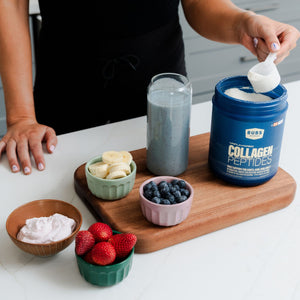
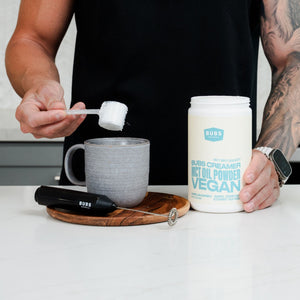
Second, consider the role of consistency. Collagen synthesis is not an overnight process. It takes time for the body to build new fibers and integrate them into the skin, joints, or gut lining. Most people report noticing a difference after several weeks of daily ritual. We designed our products to mix effortlessly into your morning coffee or post-workout shake, making it easy to build a habit that sticks.
Bottom line: To support your body’s structural integrity, you must provide the necessary amino acids through diet and supplementation while protecting your existing collagen from environmental damage.
Why Quality and Sourced Ingredients Matter
Not all collagen is created equal. Because collagen is derived from animal sources, the quality of the source matters immensely. At BUBS Naturals, we prioritize grass-fed collagen peptides. This ensures that the animals are raised in a healthy environment without the use of unnecessary hormones or antibiotics.
The way the collagen is processed also dictates how well it works in your body. We use a clinical-grade enzymatic process to break the collagen down into low-molecular-weight peptides. This ensures that the powder is unflavored, odorless, and dissolves completely in both hot and cold liquids.
Furthermore, our commitment to purity is backed by NSF for Sport certification. This means every batch is tested for banned substances and contaminants. Whether you are a professional athlete or someone who just wants to stay active, you can trust that what you are putting into your body is clean and effective.
Collagen and Muscle Recovery
While collagen is not a "complete" protein because it lacks the amino acid tryptophan, it plays a vital role in muscle recovery. Muscles are surrounded by a layer of connective tissue called the epimysium, which is made of collagen. This tissue helps transmit force from the muscle to the bone.
After a grueling workout, your muscle fibers and the surrounding connective tissues experience micro-tears. While whey protein is excellent for repairing the muscle fibers themselves, collagen focuses on the "infrastructure" of the muscle. By supporting this connective tissue, you may find that you recover faster and experience less soreness after heavy lifting or endurance training.
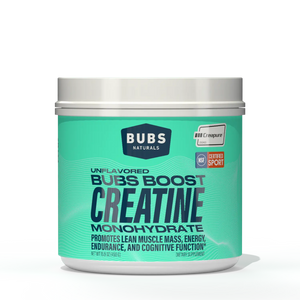
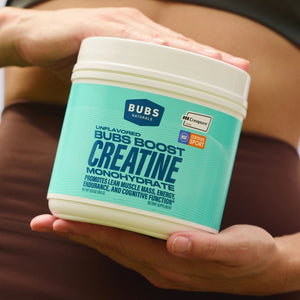
For those focused on power and strength, combining collagen with other supplements can be beneficial. Many users find that taking collagen alongside our Creatine Monohydrate provides a comprehensive approach to both muscle growth and structural support.
The Role of Lifestyle in Collagen Maintenance
Beyond what you eat and drink, your daily habits influence how collagen works in your body. Sleep is perhaps the most underrated factor. During deep sleep, your body enters a state of repair where growth hormones are released. These hormones stimulate fibroblasts to produce more collagen and repair damaged tissues.
Physical activity also plays a role. Mechanical tension—the physical stress put on your tissues during exercise—actually signals your body to strengthen those tissues. Weight-bearing exercise, in particular, helps stimulate collagen production in the bones and tendons, making them more resilient to injury.
Hydration is another key element. Collagen fibers are "thirsty." They need a well-hydrated environment to maintain their flexibility and function. If you are chronically dehydrated, your connective tissues can become brittle. Using a clean electrolyte mix like our Hydrate or Die formula can help ensure your cells have the water and minerals they need to keep your collagen network functioning optimally.
Long-term Benefits of Supporting Collagen
When you support how collagen works in your body, you are playing a long game. The benefits of consistent collagen support are cumulative. Over time, you may notice that your joints feel more fluid during exercise, your skin feels more hydrated, and your overall recovery time improves.
It is about more than just looking younger; it is about maintaining functional mobility. Being able to hike, run, and play with your kids without nagging joint discomfort is a significant part of a high-quality life. By treating collagen as a foundational part of your nutrition, you are investing in your future self.
Our mission is to help you live a life of adventure and purpose. We believe that when you feel better physically, you are better equipped to serve others and pursue your goals. That is why we focus on simple, effective ingredients that do what they say they will.
Conclusion
Understanding how collagen works in the body reveals that this protein is much more than a beauty supplement. It is a vital structural component that requires specific nutrients and a healthy environment to thrive. By focusing on high-quality amino acids, ensuring adequate Vitamin C intake, and protecting your body from excessive stress and sugar, you can support your body's natural ability to repair and renew itself.
- Collagen provides the structural scaffold for skin, joints, and bones.
- Synthesis requires glycine, proline, and Vitamin C as a cofactor.
- Hydrolyzed peptides are highly bioavailable and act as signaling molecules.
- Types I and III are the most important for active recovery and structural health.
"Collagen isn't about fixing what's broken; it's about providing the body with the materials it needs to keep building itself stronger every day."
At BUBS story, we are driven by the legacy of Glen "BUB" Doherty, a man who lived a life of adventure and service. In his honor, we donate 10% of all profits to veteran-focused charities. When you choose our supplements, you aren't just supporting your own wellness; you're helping us give back to the community that BUB loved through our 10% Rule.
Take the next step in your wellness journey by adding our grass-fed Collagen Peptides to your daily routine and feel the difference that clean, purposeful nutrition can make.
FAQ
How long does it take for collagen to start working?
Most people begin to see results within 4 to 12 weeks of consistent daily use. Skin hydration often improves first, followed by joint comfort and hair or nail strength over several months. Because collagen is a structural protein, your body needs time to integrate the new fibers into your tissues, which is why taking collagen daily matters.
Can I get enough collagen from food alone?
While you can get collagen from bone broth and organ meats, most modern diets are low in these traditional sources. Supplementing with hydrolyzed collagen peptides provides a concentrated and highly bioavailable dose of the specific amino acids your body needs. This makes it a practical choice for people who don't consume collagen-rich foods every day.
Does Vitamin C really matter for collagen?
Yes, Vitamin C is essential for the enzymes that stabilize and cross-link collagen fibers. Without sufficient Vitamin C, your body cannot produce strong, functional collagen, regardless of how many amino acids you consume. For the best results, ensure your diet includes plenty of Vitamin C-rich foods or a high-quality supplement.
Is there a best time of day to take collagen?
There is no "wrong" time to take collagen, as consistency is the most important factor. Many people enjoy it in their morning coffee for a protein boost, while others take it post-workout to support joint and muscle recovery. Choose a time that fits naturally into your routine so you don't miss a daily dose.