Table of Contents
- Introduction
- The Foundation of Strength: Understanding Collagen
- Nature’s First Superfood: The Rise of Colostrum
- Comparing the Two: Should I Take Colostrum or Collagen?
- The Case for Synergy: Why You Might Not Have to Choose
- Deep Dive: Collagen and the Active Lifestyle
- Deep Dive: Colostrum and the Immune Frontier
- How to Choose Based on Your Life Stage
- Sourcing and Ethics: The BUBS Naturals Standard
- Real-World Application: A Day in the Life of a BUBS Athlete
- Addressing Common Concerns and Side Effects
- Summary of the Decision
- FAQ
Introduction
Did you know that by the time you reach your 40th birthday, your body has likely already lost nearly 15% of its natural collagen stores? It is a staggering reality of the biological clock: the very "glue" that keeps our skin supple and our joints resilient begins to dissipate just as we are often reaching the peak of our active, adventurous lives. While we navigate this natural decline, a new (yet ancient) contender has emerged in the wellness space, often referred to as "liquid gold." This substance, colostrum, is currently sparking a massive debate among biohackers, athletes, and wellness enthusiasts alike. The question at the center of the storm is simple but vital: should I take colostrum or collagen to reach my peak physical potential?
At BUBS Naturals, we live by the legacy of Glen "BUB" Doherty—a man who personified the spirit of adventure and the pursuit of excellence. For us, wellness isn't just about looking good; it's about being ready for whatever the day throws at you, whether that’s a grueling CrossFit session, a long-distance hike, or simply keeping up with a busy family. Our commitment to clean, high-quality, and science-backed ingredients drives us to look beyond the hype and into the actual functionality of what we put into our bodies. We believe in a no-BS approach to supplementation, which is why we want to clear the air regarding these two powerhouse supplements.
In the following sections, we will dive deep into the molecular structures of both colostrum and collagen. We’ll explore how they function within the human body, where they overlap, and where they diverge. You will learn about the immune-boosting potential of bovine colostrum and the structural necessity of hydrolyzed collagen peptides. By the end of this article, you will not only understand the answer to the "should I take colostrum or collagen" dilemma but also how to integrate them into a lifestyle that prioritizes longevity and performance.
This journey is about more than just capsules or powders; it’s about understanding the biological foundations of a life well-lived. Whether you are looking to support your gut health, fortify your immune system, or maintain the integrity of your joints, the choice you make matters. We are here to help you navigate that choice with clarity and purpose, all while supporting our mission to give back 10% of our profits to veteran-focused charities. Together, let’s explore how these two titans of the supplement world can help you stay in the game longer and recover faster.
The Foundation of Strength: Understanding Collagen
To answer the question "should I take colostrum or collagen," we must first understand exactly what collagen is and why it occupies such a massive role in our physiology. Collagen is the most abundant protein in the human body, accounting for roughly one-third of our total protein composition. It is the primary structural component of our connective tissues, including tendons, ligaments, skin, and muscles. Think of it as the scaffolding that keeps the entire skyscraper of your body from collapsing.
Within the Collagen Peptides Collection, you will find that we focus heavily on Types I and III collagen. These are the specific types that make up the vast majority of our skin, hair, nails, and bones. Type I is incredibly strong—gram for gram, it is actually stronger than steel. Type III is often found alongside Type I and is essential for the integrity of our internal organs and skin elasticity.
As we age, our natural production of these proteins slows down. This isn't just an aesthetic concern involving wrinkles or sagging skin; it’s a functional one. For the adventurer, a decline in collagen means tendons and ligaments become less elastic and more prone to injury. This is why many active individuals turn to Collagen Peptides as a foundational supplement. By providing the body with the necessary amino acids—specifically glycine, proline, and hydroxyproline—collagen supplementation supports the body’s natural ability to maintain its structural integrity.
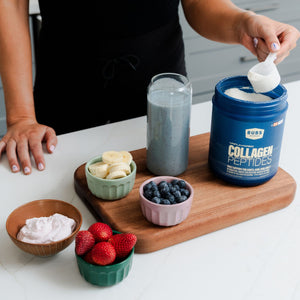
Our Collagen Peptides are hydrolyzed, which is a fancy way of saying they are broken down into smaller, more easily absorbed chains called peptides. This ensures that when you stir a scoop into your morning coffee or post-workout shake, your body can actually put those building blocks to work. When considering whether to take collagen, think about your "mechanical" health. If you want to keep your joints moving smoothly and your skin resilient against the elements, collagen is your primary ally.
Nature’s First Superfood: The Rise of Colostrum
If collagen is the scaffolding, then colostrum is the specialized maintenance crew and the high-tech security system all rolled into one. Colostrum is the pre-milk fluid produced by mammals in the first few days after giving birth. It is a biological miracle designed to jumpstart the immune system of a newborn, providing a concentrated dose of antibodies, growth factors, and nutrients.
In the supplement world, we almost exclusively use bovine colostrum. Because the molecular structure of bovine colostrum is so similar to the human version, our bodies can utilize its bioactive compounds quite effectively. The real "stars" of the colostrum show are the immunoglobulins, specifically IgG. These are antibodies that help the body identify and neutralize foreign invaders. While we never make medical claims about curing illness, the science suggests that colostrum supports the body's natural immune defenses, making it a favorite for those who live high-stress, high-impact lives.
Beyond the immune system, colostrum is renowned for its impact on gut health. The lining of our digestive tract is a critical barrier between our internal environment and the outside world. Modern lifestyles can sometimes compromise the integrity of this barrier. Colostrum contains growth factors like IGF-1 and IGF-2, which play a role in supporting the maintenance of the intestinal wall. By supporting gut lining integrity, colostrum can help promote better nutrient absorption and overall digestive comfort.
When someone asks, "should I take colostrum or collagen," and their primary concern is frequent fatigue or digestive issues, colostrum often takes the lead. It is less about providing the "bricks" for the building and more about providing the "intelligence" and "repair instructions" for the body’s internal systems. It is an intricate, multi-faceted substance that goes far beyond basic protein supplementation.
Comparing the Two: Should I Take Colostrum or Collagen?
When you stand in the supplement aisle or browse our shop, the "should I take colostrum or collagen" debate usually boils down to your specific wellness goals. While they are both derived from bovine sources (in most high-quality versions), they serve very different primary functions. Let's look at the key differences through a few specific lenses:
Sourcing and Composition
Collagen is derived from the connective tissues of animals—hides, bones, and cartilage. It is a pure protein supplement. Colostrum, however, is a dairy-based product. It is a fluid, not a tissue. This means that if you have a severe dairy allergy, colostrum is a no-go, whereas bovine collagen is typically safe as it contains no dairy proteins or lactose.
Primary Benefits
If you want to support the "outside" of your body—think glowing skin, thick hair, and strong nails—along with the mechanical health of your joints, you should look toward the Collagen Peptides Collection. If your focus is "inside-out"—meaning you want to support your immune system and your gut microbiome—colostrum is the more targeted choice.
Dosage and Delivery
A typical serving of Collagen Peptides is quite large, usually around 10 to 20 grams. This provides a significant amount of protein to help you meet your daily macros. Colostrum is much more potent; a standard dose is often between 500mg and 3 grams. You don’t take colostrum for the protein content itself; you take it for the bioactive "messages" it sends to your cells.
Timing for Results
Both supplements require consistency. However, users often report the "gut-smoothing" effects of colostrum within a few weeks. The structural changes associated with collagen, such as improved skin elasticity or joint comfort, typically take longer—often 8 to 12 weeks of daily use. This is because your body needs time to physically rebuild those tissues.
The Case for Synergy: Why You Might Not Have to Choose
The "should I take colostrum or collagen" question often assumes that these two are mutually exclusive. In reality, they are two of the most complementary supplements in the wellness world. In fact, many of our most dedicated community members find that taking both provides a level of support that neither could achieve alone.
The logic is simple: colostrum helps create the ideal environment for collagen to work. By supporting gut health, colostrum can potentially enhance the absorption of the amino acids found in your Collagen Peptides. Furthermore, some research suggests that the growth factors in colostrum may actually stimulate the body’s own natural collagen synthesis.
Imagine you are trying to renovate a house. Collagen is the high-quality lumber and drywall you’ve delivered to the site. Colostrum is the expert foreman who ensures the site is clean, the workers are healthy, and the materials are being used in the most efficient way possible. You can build a house with just the lumber, but it goes a lot smoother with the foreman on-site.
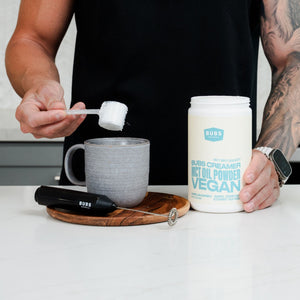
If you decide to combine them, a perfect daily routine might involve adding a scoop of unflavored Collagen Peptides to your morning coffee along with our MCT Oil Creamer. This gives you the structural support and the mental clarity to start your day. You can then take your colostrum at a different time, perhaps on an empty stomach or before bed, to focus on that internal repair and immune support.
To further enhance this synergy, we recommend pairing these with Vitamin C. Vitamin C is a critical cofactor in collagen synthesis; without it, your body cannot effectively turn those amino acids into the sturdy collagen fibers your joints and skin crave. By combining colostrum, collagen, and Vitamin C, you are creating a comprehensive wellness stack that addresses both structural integrity and biological resilience.
Deep Dive: Collagen and the Active Lifestyle
For those of us who live for the weekend warrior life or the professional athletic grind, the "should I take colostrum or collagen" debate usually leans toward collagen for one major reason: injury prevention and recovery. When you put your body through intense physical stress—whether it’s lifting heavy weights, running marathons, or navigating a surfboard—you are creating micro-tears in your connective tissues.
This is where the Collagen Peptides Collection truly shines. Unlike a standard whey protein, which is excellent for muscle protein synthesis, collagen specifically targets the "white tissue" of the body (tendons and ligaments). These areas have lower blood flow than muscles, meaning they take longer to heal. By saturating your system with high-quality collagen peptides, you are providing the specific building blocks needed to support these slow-to-repair areas.
Furthermore, we take quality seriously. Our collagen is NSF for Sport certified, which is the gold standard in the supplement industry. This means that every batch is tested for over 280 substances banned by major athletic organizations. When we say "no-BS," we mean it. We want you to feel confident that your supplement is as clean as the air at the top of a mountain peak.
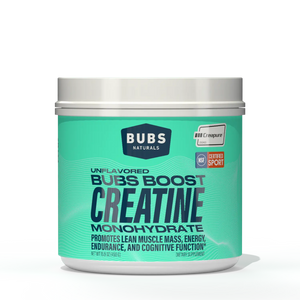
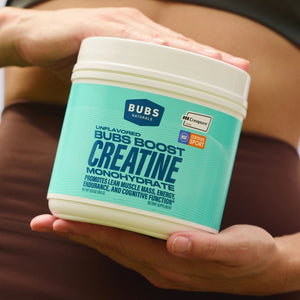
If you’re training hard, consider stacking your collagen with Creatine Monohydrate. While collagen supports your joints, creatine supports the explosive power and strength of your muscles. Together, they make you a more durable, capable athlete. Don't forget to stay hydrated during those sessions with our Hydrate or Die formula. Real performance isn't just about what you build; it’s about maintaining the balance of minerals and fluids that allow your cells to function at their best.
Deep Dive: Colostrum and the Immune Frontier
On the other side of the "should I take colostrum or collagen" spectrum, we have the modern challenge of the overworked immune system. In a world where we are constantly exposed to environmental stressors and the physical toll of travel and training, our immune defenses can become taxed.
Bovine colostrum is unique because it contains lactoferrin, a protein that binds to iron. Many harmful microbes require iron to reproduce; by binding this iron, lactoferrin helps maintain a healthy balance of microflora in the body. Additionally, the proline-rich polypeptides (PRPs) found in colostrum act as immune system modulators. They help the body "dial up" the immune response when needed and "dial it down" when it's overactive, supporting a state of homeostasis.
For the traveler or the busy professional, colostrum can be a game-changer. It’s about more than just avoiding a "sick day"; it’s about maintaining the vitality required to give your all to your mission. At BUBS, we often talk about the 10% Rule—our commitment to giving 10% of profits to veteran charities. We believe that to give your best to others, you must first ensure your own "house" is in order. Supporting your gut and immune system with colostrum is a foundational step in that process.
If gut health is your primary driver, you might also consider adding Apple Cider Vinegar Gummies to your routine. These gummies contain "the Mother," supporting digestive wellness in a convenient, delicious format. When combined with the gut-lining support of colostrum, you are attacking digestive health from multiple effective angles.
How to Choose Based on Your Life Stage
As we move through different decades of life, our biological priorities shift. This can help dictate whether you should take colostrum or collagen more aggressively.
The 20s and 30s: The Performance Era
In your 20s and early 30s, your natural collagen production is still relatively high. However, this is often the time of highest physical output. You’re pushing your limits. In this stage, colostrum might be the MVP for its ability to support recovery from intense training and maintain a healthy gut despite a potentially high-stress lifestyle. That said, starting a Collagen Peptides routine now is like contributing to a biological 401(k)—you’re building a reserve that will serve you well in the decades to come.
The 40s and 50s: The Maintenance Era
This is the stage where the decline in collagen becomes visible and physical. You might notice your joints take longer to "warm up" in the morning, or that your skin doesn't bounce back quite as quickly. At this stage, the Collagen Peptides Collection becomes essential. You are actively replacing what your body can no longer produce in sufficient quantities. Colostrum remains a powerful ally here, especially for supporting nutrient absorption, ensuring that the healthy food and supplements you consume are actually being utilized.
The 60s and Beyond: The Resilience Era
In our later years, maintaining muscle mass and bone density is the name of the game. Collagen is a vital component of the bone matrix, and taking it alongside Creatine Monohydrate can help support physical independence and strength. Colostrum's immune support also becomes increasingly important, as the immune system naturally becomes less efficient with age.
Sourcing and Ethics: The BUBS Naturals Standard
Regardless of the answer to "should I take colostrum or collagen," the quality of the source is non-negotiable. At BUBS Naturals, we don’t settle for "good enough." Our collagen is sourced from grass-fed, pasture-raised cattle from South America. We ensure that the animals are treated humanely and are free from antibiotics and hormones. This isn't just about ethics; it's about the quality of the amino acid profile you're putting into your body.
When it comes to colostrum, the ethics of sourcing are even more critical. High-quality bovine colostrum should always be "surplus." This means that the newborn calves receive all the colostrum they need for their own health and development first, and only the excess is harvested for human use. This sustainable, calf-first approach ensures the health of the herd while providing us with this nutrient-dense superfood.
Our commitment to quality is rooted in our origin story. Glen "BUB" Doherty was a Navy SEAL who lived by a code of integrity. We carry that code into every product we create. Whether it’s our MCT Oil Creamer or our hydration salts, we use third-party testing to verify purity. When you choose BUBS, you aren't just buying a supplement; you're supporting a mission that honors a hero and helps veterans find their next mission in life.
Real-World Application: A Day in the Life of a BUBS Athlete
To see how the "should I take colostrum or collagen" question plays out in real life, let’s look at a typical day for someone optimized with the BUBS protocol.
06:00 AM: Wake up and head straight for the kitchen. A cup of organic coffee is served with a scoop of unflavored Collagen Peptides and a serving of MCT Oil Creamer. This combo provides the structural building blocks for the day along with healthy fats for mental clarity.
09:00 AM: After a morning workout or a deep-work session, it’s time for immune support. This is a great time to take colostrum on a relatively empty stomach, perhaps with a glass of water and our Vitamin C for maximum synergy.
12:00 PM: Lunch is a whole-food meal, accompanied by Apple Cider Vinegar Gummies to support digestion throughout the afternoon.
03:00 PM: Mid-afternoon hydration. A stick of Hydrate or Die in a cold bottle of water keeps the energy levels stable without the crash of sugar or caffeine.
08:00 PM: Winding down. Some athletes take another small dose of colostrum before bed to support the body’s natural nighttime repair processes.
This routine isn't about being obsessed with supplements; it’s about using clean, functional ingredients to fill the gaps that modern life creates. It’s about being "always ready."
Addressing Common Concerns and Side Effects
While both are generally considered very safe, there are things to consider when deciding "should I take colostrum or collagen."
Digestive Adjustment: Some people find that starting a high-dose collagen routine can lead to mild bloating or a feeling of "heaviness" in the stomach. This is why our Collagen Peptides are hydrolyzed; they are much lighter on the digestive system. Similarly, because colostrum contains lactose (though in small amounts), those with high sensitivity to dairy might experience mild gas.
Allergies: This is the big one. Collagen is a protein that is generally non-allergenic. Colostrum, however, is a dairy product. If you have a true dairy allergy, you should avoid colostrum. If you are just lactose intolerant, you might still be able to use a high-quality colostrum powder, but we always recommend consulting with your healthcare provider first.
Purity and Fillers: The supplement industry is unfortunately full of products that use maltodextrin, artificial sweeteners, and "natural" flavors that are anything but natural. This is why we stick to our "no-BS" rule. Our products are designed to mix effortlessly and taste great (or be totally tasteless) without the junk.
Summary of the Decision
So, we return to the original question: should I take colostrum or collagen?
-
Take Collagen if: You want to support joint health, reduce recovery time from physical activity, maintain youthful skin, or strengthen your hair and nails. It is the structural protein your body needs to stay physically durable.
-
Take Colostrum if: You want to support your immune system, improve your gut health and digestion, or provide your body with biological "growth factors" that support overall cellular repair and resilience.
-
Take Both if: You want the most comprehensive wellness routine possible. The two work together to support you from the inside out, providing both the building materials (collagen) and the biological instructions (colostrum) for a high-performing body.
At BUBS Naturals, we focus on the Collagen Peptides Collection because we believe it is the most vital foundational supplement for the adventurous life. It is the literal foundation of your physical form. By choosing our Collagen Peptides, you are getting a product that is NSF for Sport certified, ethically sourced, and designed to perform.
Beyond the physical benefits, remember that every purchase you make at BUBS contributes to something bigger. We aren't just selling powders; we are building a community of people who believe in doing good while feeling great. That 10% donation to veteran charities is our way of ensuring that Glen’s legacy lives on in every scoop.
Whether you choose colostrum, collagen, or both, the key is consistency. Wellness isn't found in a single dose; it’s found in the daily habits that build a lifetime of health. We invite you to explore our collection, find what fits your mission, and join us in a life of adventure, wellness, and giving back.
Experience the BUBS difference today. See how our Collagen Peptides can support your journey toward total wellness and peak performance. One scoop. Feel the difference.
FAQ
Can I mix collagen and colostrum in the same drink?
Yes, you absolutely can! Mixing both supplements into a single smoothie or shake is a very common practice and a great way to ensure you're getting both structural and immune support. Since our Collagen Peptides are unflavored and mix easily, they won't alter the taste of your beverage. For the best experience, try mixing them into a room-temperature or warm liquid, or use a blender for a smooth, frothy texture.
Is colostrum better than whey protein for building muscle?
They serve different purposes. Whey protein is high in leucine and is specifically designed to provide the massive amount of amino acids needed for muscle protein synthesis. Colostrum contains growth factors like IGF-1 that support the repair process, but it doesn't provide enough bulk protein to replace a high-quality protein shake. If your goal is muscle growth, you might use colostrum for recovery and gut health, but you still need a high-protein diet or supplement to provide the building blocks.
Does collagen contain the same antibodies as colostrum?
No, they are fundamentally different. Collagen is a structural protein made of amino acids. Colostrum is a bioactive fluid containing immunoglobulins (antibodies), growth factors, and lactoferrin. While collagen supports the physical barriers of the body (like skin and the gut lining), it does not contain the immune-system-signaling molecules that make colostrum so unique for defense.
How long does it take to see the benefits of collagen vs. colostrum?
Generally, colostrum can have a more immediate impact on gut comfort and immune resilience, with many users noticing a difference within 2 to 4 weeks. Collagen is a slower-acting supplement because it involves the physical remodeling of tissues. For skin health, you might see results in 4 to 8 weeks, while joint and bone support typically require 3 to 6 months of consistent use. Consistency is the most important factor for both! For the best results, we recommend a daily habit—perhaps alongside your MCT Oil Creamer or Vitamin C.