Table of Contents
- Introduction
- Understanding the Role of Collagen in the Body
- The Benefits of Taking Collagen in the Morning
- The Science Behind Taking Collagen at Night
- Performance and Recovery: Timing Collagen Around Workouts
- Optimizing Absorption with Co-Factors and Lifestyle Habits
- Why Quality and Sourcing Matter More Than the Clock
- Building a Ritual Rooted in Purpose
- Conclusion
- FAQ
Introduction
By the time you finish reading this sentence, your body has already worked tirelessly to maintain the structural integrity of your skin, joints, and connective tissues. However, there is a hidden clock ticking beneath the surface. Starting around age 25, our natural production of collagen—the biological "glue" that holds us together—begins a slow, steady decline of approximately one percent every year. For those of us who lead active, adventurous lives, this decline isn't just a matter of aesthetics; it is about how we move, how we recover, and how we feel when we wake up to tackle a new challenge. As this awareness grows, a central question frequently arises among our community: should i take collagen morning or night to maximize these benefits?
The quest for the "perfect" time to supplement has sparked a significant debate in the wellness world. Some swear by a morning ritual to kickstart their metabolism, while others advocate for a nighttime dose to capitalize on the body’s natural repair cycles during sleep. At BUBS Naturals, we believe that understanding the science behind these choices is essential for anyone looking to optimize their health. Whether you are a professional athlete, a weekend warrior, or someone simply looking to age with grace and vitality, the timing of your supplement intake can play a subtle but meaningful role in your overall results.
In this exploration, we will dive deep into the biological mechanisms of collagen absorption, the different types of collagen and their specific functions, and the pros and cons of various timing strategies. We’ll also look at how lifestyle factors, such as exercise and diet, interact with collagen to enhance its efficacy. By the end of this article, you will have a comprehensive understanding of how to tailor your collagen routine to your unique goals, ensuring that every scoop of our Collagen Peptides works as hard as you do.
Ultimately, our mission is to provide you with the tools to live a life of purpose and wellness, inspired by the legacy of Glen “BUB” Doherty. We aren’t just talking about a supplement; we are talking about a commitment to self-improvement and giving back. Through this guide, we aim to demystify the timing of collagen intake and help you build a consistent habit that supports your body’s natural functions while contributing to a greater cause.
Understanding the Role of Collagen in the Body
To answer whether you should take collagen in the morning or at night, we must first understand what collagen actually does. Collagen is the most abundant protein in the human body, accounting for about 30% of our total protein content and a staggering 70-80% of our skin’s dry weight. It is a complex structural protein composed of a unique profile of amino acids, primarily glycine, proline, and hydroxyproline. These amino acids form a triple-helix structure that provides incredible tensile strength to our tissues.
There are at least 28 known types of collagen, but the vast majority of the collagen in our bodies falls into three categories. Type I is the most prevalent, found in our skin, bones, tendons, and ligaments. It is renowned for its ability to support skin elasticity and minimize the appearance of fine lines. Type II is primarily found in cartilage and is essential for joint mobility and comfort. Type III works alongside Type I in our skin, muscles, and blood vessels, contributing to the structural integrity of our internal organs. Our Collagen Peptides are specifically formulated to provide Types I and III, offering a comprehensive approach to whole-body wellness.
The process of collagen synthesis is constant but slows down significantly as we age. External factors like UV exposure, high sugar intake, and smoking further accelerate this degradation. When we ingest hydrolyzed collagen, or "collagen peptides," we aren't simply adding a layer of collagen to our skin like a cosmetic cream. Instead, the body breaks these peptides down into smaller di-peptides and tri-peptides, which are then absorbed into the bloodstream. These peptides act as chemical signals to our fibroblasts—the cells responsible for producing collagen—telling them to ramp up production.
Because collagen is a protein, it also contributes to our daily protein intake goals, which is vital for muscle maintenance and metabolic health. However, unlike whey or plant proteins, collagen has a very specific amino acid concentration that makes it uniquely suited for connective tissue support. This is why many people find that adding a high-quality supplement to their daily routine helps them feel more resilient during physical activity and more refreshed during rest.
The Benefits of Taking Collagen in the Morning
For many, the morning represents a time of renewal and the establishment of a productive routine. Integrating collagen into your morning habit can be an excellent way to ensure consistency, which is the single most important factor in seeing results. If you find yourself asking, "should i take collagen morning or night?" and your primary goal is to never miss a dose, the morning might be your winner.
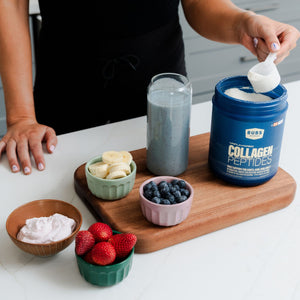
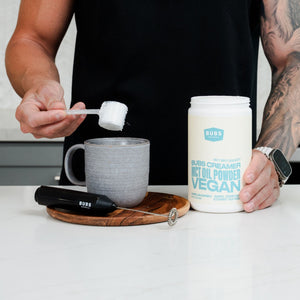
Taking collagen on an empty stomach is a popular strategy. The theory is that without other proteins competing for absorption, your digestive system can focus entirely on breaking down and utilizing the collagen peptides. While the evidence on the "empty stomach" theory is mixed, many of our customers report feeling lighter and more energized when they start their day with a collagen-boosted beverage. A favorite method among the BUBS community is mixing a scoop of Collagen Peptides into a morning cup of coffee. Because our peptides are unflavored and dissolve instantly, they don't change the taste or texture of your favorite brew.
To further enhance this morning ritual, we often recommend pairing collagen with our MCT Oil Creamer. The medium-chain triglycerides in the creamer provide a source of sustained mental energy and can help you feel satiated until lunch. This combination creates a "functional coffee" that supports both your physical structure and your cognitive performance. For those who practice intermittent fasting, collagen is generally considered a low-calorie addition that provides functional benefits without causing a significant insulin spike, though this can vary based on individual fasting goals.
Another morning advantage is the potential for improved satiety. Protein is known to be the most satiating macronutrient, and adding collagen to a morning smoothie or bowl of oatmeal can help regulate hunger hormones early in the day. This can be particularly helpful for individuals focused on maintaining a healthy weight while ensuring they have the building blocks necessary for skin and joint health. Starting the day with a focused wellness choice sets a positive psychological tone, making it easier to stick to other healthy habits as the day progresses.
The Science Behind Taking Collagen at Night
On the other side of the debate is the nighttime crowd. The primary argument for taking collagen before bed revolves around the body's natural circadian rhythms. While we sleep, our bodies enter a state of "rest and digest," shifting energy away from external activity and toward internal repair. Growth hormone levels peak during deep sleep, facilitating the regeneration of tissues, including the skin and muscles.
A key component of collagen that makes it attractive for nighttime use is the amino acid glycine. Glycine is not only a building block for collagen but also acts as an inhibitory neurotransmitter in the brain. Research has suggested that glycine can help lower core body temperature—a necessary biological cue for the onset of sleep—and improve overall sleep quality. Some studies have indicated that individuals taking glycine before bed reported feeling less fatigued and more cognitively sharp the following morning.
When you take our Collagen Peptides in the evening, you are essentially providing your body with the raw materials it needs precisely when the "repair crew" is most active. Imagine a construction site where the materials are delivered just as the workers arrive for the night shift; it creates an environment of maximum efficiency. For those who struggle with falling asleep or staying asleep, a warm evening drink—like a herbal tea or golden milk—mixed with collagen can serve as a soothing ritual that supports both rest and structural health.
Furthermore, nighttime collagen intake may be beneficial for digestive health. The amino acids in collagen, particularly glutamine and glycine, play a role in supporting the integrity of the intestinal lining. Taking your supplement in the evening allows these nutrients to interact with the gut wall during a period of relative inactivity, potentially supporting the body's natural inflammatory response and overall gut wellness. For anyone who experiences occasional digestive discomfort, a nighttime dose might feel more comfortable and easier to manage.
Performance and Recovery: Timing Collagen Around Workouts
For the athletes and adventurers who make up the heart of BUBS Naturals, timing is often viewed through the lens of performance. If your main concern is supporting your joints during heavy lifting, long runs, or high-intensity training, the window around your workout becomes the most critical factor in deciding "should i take collagen morning or night."
Recent research has shed light on a fascinating concept: taking collagen approximately 30 to 60 minutes before exercise may enhance the synthesis of collagen in the tissues being stressed. During exercise, blood flow to the tendons, ligaments, and joints increases. By having collagen peptides already circulating in your bloodstream during your session, you are ensuring that these amino acids are delivered directly to the areas that need them most. This "targeted delivery" can be a game-changer for maintaining joint comfort and long-term durability.
We suggest mixing a serving of collagen with our Hydrate or Die - Lemon formula. This combination ensures that while you are feeding your connective tissues the peptides they need, you are also maintaining optimal electrolyte balance for peak muscle function and hydration. For those focused on strength and power, adding Creatine Monohydrate to this pre- or post-workout stack provides a comprehensive approach to muscle support and recovery.
Post-workout timing is equally popular. After a grueling session, your muscles and joints are in a state of repair. Providing a clean, easy-to-digest protein source immediately after training can help jumpstart the recovery process. While collagen shouldn't replace a complete protein source like a full meal or a branched-chain amino acid (BCAA) supplement for muscle hypertrophy, its unique ability to support the "white tissue" (tendons and ligaments) makes it a mandatory addition for any serious athlete's recovery protocol. Whether you take it before or after, the goal is to align the intake with the physiological demands of your activity.
Optimizing Absorption with Co-Factors and Lifestyle Habits
Regardless of whether you choose morning or night, the effectiveness of your collagen supplement is heavily influenced by what else is happening in your body. Collagen synthesis is not a solo act; it requires a cast of supporting nutrients to be successful. The most important of these is Vitamin C.
Vitamin C is an essential co-factor for the enzymes that stabilize the collagen triple-helix. Without adequate Vitamin C, your body cannot effectively turn those ingested peptides into functional collagen within your tissues. This is why we are so adamant about the importance of our Vitamin C supplement, which includes citrus bioflavonoids to enhance antioxidant activity. If you're taking collagen in the morning, consider taking your Vitamin C at the same time to ensure your body has all the necessary tools on hand.
Your digestive environment also plays a role. Good protein digestion requires adequate stomach acid and a healthy gut microbiome. If you find that protein powders generally make you feel bloated, you might benefit from starting your day with Apple Cider Vinegar Gummies. These can help support a healthy digestive environment, making it easier for your body to break down the collagen peptides into the amino acids that actually get the work done.
Finally, lifestyle choices can either protect or destroy your collagen. High levels of cortisol (the stress hormone) can lead to the breakdown of collagen, as can excessive sugar consumption through a process called glycation. To get the most out of your Collagen Peptides, it is vital to pair your supplementation with a balanced diet, adequate hydration, and stress management techniques. Think of your supplement as the high-quality lumber for a house; you still need a skilled architect and a protective roof to keep the structure standing strong.
Why Quality and Sourcing Matter More Than the Clock
While we've spent a lot of time discussing the clock, the truth is that the quality of what you put in your body is far more impactful than the exact minute you take it. The supplement industry is unfortunately filled with products that contain fillers, artificial sweeteners, and low-quality sourcing. At BUBS Naturals, we operate on a "no-BS" policy. We believe that if you’re going to invest in your health, you deserve the cleanest ingredients possible.
Our Collagen Peptides are sourced from grass-fed, pasture-raised bovine hides. This ensures a high concentration of Type I and Type III collagen without the risk of unwanted hormones or antibiotics. Furthermore, our products undergo rigorous third-party testing and are NSF for Sport certified. This is the gold standard for athletes, ensuring that our products are free from banned substances and that what is on the label is exactly what is in the tub.
Choosing a high-quality powder also solves the "mixing" problem. Many low-grade collagen powders clump or have a distinct, unpleasant aftertaste, making it difficult to maintain a daily routine. Because BUBS collagen is hydrolyzed to a very low molecular weight, it dissolves effortlessly in cold or hot liquids. This versatility allows you to be flexible with your timing; if you miss your morning coffee, you can easily stir it into an afternoon glass of water or a post-workout shake.
When you choose a product that you trust, the question of "should i take collagen morning or night" becomes much simpler. You aren't worrying about whether the product is working; you're simply focusing on how to best fit it into your life of adventure. By prioritizing quality and transparency, we aim to provide you with the peace of mind that every scoop is contributing to your long-term wellness goals.
Building a Ritual Rooted in Purpose
At BUBS Naturals, we are driven by something bigger than just supplements. Our brand was founded in honor of Glen “BUB” Doherty, a Navy SEAL, adventurer, and hero who lost his life in Benghazi, Libya, in 2012. Glen lived his life with a sense of "virtue through action," always striving to be better and to help those around him. We carry this legacy forward through our 10% Rule: we donate 10% of all profits to veteran-focused charities, including the Glen Doherty Memorial Foundation.
When you establish your collagen ritual, whether it’s at dawn or dusk, you aren't just supporting your own health; you are participating in a cycle of giving back. This sense of purpose can be a powerful motivator for consistency. It’s a lot harder to skip your daily wellness habit when you know that your choice is helping to provide transition assistance and scholarships for those who have served our country.
We encourage you to look at your Collagen Peptides as a tool for a life well-lived. Glen didn’t settle for "good enough," and neither should you. Whether you are prepping for a mountain climb, recovering from a long day at the office, or simply playing with your kids in the backyard, having a strong physical foundation allows you to show up as the best version of yourself.
Consistency is the ultimate expression of this commitment. Whether you find that a morning dose helps you feel prepared for the day or a nighttime dose helps you recover from it, the act of showing up for yourself every single day is what creates lasting change. We are honored to be a part of that journey with you, providing the clean, functional nutrition you need to keep moving forward.
Conclusion
The debate over whether you should take collagen in the morning or at night ultimately leads to a liberating conclusion: the best time is the time that works for you. While there are subtle physiological benefits to both—morning for metabolic routine and satiety, and night for cellular repair and sleep quality—they are secondary to the power of daily consistency. The body does not reset its collagen needs at the stroke of midnight; it requires a steady, reliable supply of amino acids to maintain the structural integrity of your skin, joints, and connective tissues over the long haul.
If you are looking for a spark of energy and a way to lock in your wellness routine, try mixing our Collagen Peptides into your morning coffee with some MCT Oil Creamer. If you are focused on deep recovery and improving your rest, an evening dose with a touch of Vitamin C might be the perfect capstone to your day. For the high-performers, a pre-workout serving alongside Hydrate or Die - Mixed Berry can offer targeted support for those hardworking joints.
Whatever you decide, remember that health is an adventure, not a destination. It is built through small, intentional choices made every day. By choosing BUBS, you are choosing a brand that values transparency, quality, and the legacy of a true American hero. You are fueling your body with the best while helping us give back to those who have sacrificed the most.
Ready to start your journey? Explore the science-backed ingredients in our Collagen Peptides and see how our chosen primary product can support your wellness journey. One scoop. Feel the difference. Live big, give back, and keep moving.
FAQ
Is it better to take collagen on an empty stomach?
Many people prefer taking collagen on an empty stomach, particularly in the morning, under the belief that it prevents competition from other dietary proteins and leads to faster absorption. While there is no definitive scientific consensus that this is mandatory for results, it can be a convenient way to ensure you never forget your daily dose. If you have a sensitive stomach, you might find it more comfortable to take your Collagen Peptides with a light snack or mixed into a beverage like a smoothie.
Can collagen help me sleep better if I take it at night?
Collagen is rich in the amino acid glycine, which has been studied for its potential to improve sleep quality. Glycine acts as a calming neurotransmitter in the brain and helps lower core body temperature, which is a key signal for the body to fall asleep. While taking collagen isn't a "sleep medicine," many people find that an evening dose helps them feel more rested and cognitively sharp the next day. Combining it with a relaxing nighttime ritual can be a great way to support both recovery and rest.
Do I need to take Vitamin C with my collagen?
Yes, Vitamin C is a critical co-factor in the process of collagen synthesis. Even if you are ingesting high-quality collagen peptides, your body requires Vitamin C to effectively cross-link those amino acids into functional collagen fibers within your skin and joints. To maximize your results, we recommend ensuring you have adequate Vitamin C levels throughout the day, either through your diet or by adding a supplement like our Vitamin C to your daily routine.
How long does it take to see results from collagen?
Consistency is the key to seeing tangible results. Most clinical studies on collagen for skin elasticity and joint comfort look at a timeframe of 8 to 12 weeks of daily use. Because your body needs time to repair and regenerate its connective tissues, you likely won't see dramatic changes overnight. However, many users report feeling improvements in joint comfort and seeing a "glow" in their skin within the first month of consistent use. Taking your Collagen Peptides every single day is the best way to ensure you reach your wellness goals.