Table of Contents
- Introduction
- The Biological Reality of Aging at 50
- Is It Ever Too Late? The Restoration vs. Prevention Argument
- Skin Health: Beyond the Surface
- Supporting Mobile Joints and Active Lifestyles
- Bone Density and the Aging Framework
- Muscle Mass and the Importance of Protein Intake
- Boosting Your Results: The Role of Vitamin C
- Gut Health and Nutrient Absorption
- The Morning Ritual: MCTs and Collagen
- Consistency: The Secret Sauce of Aging Well
- The BUBS Naturals Mission: Why Your Choice Matters
- Practical Tips for Starting at 50
- Beyond the Powder: A Holistic Approach to 50+ Wellness
- Summary: Embracing Your Second Act
- FAQ
Introduction
Did you know that by the time a woman reaches the age of 50, she may have already lost nearly one-third of the collagen in her skin? It is a staggering statistic, often coinciding with the onset of menopause, when estrogen levels drop and the body’s natural ability to repair its structural "glue" slows down significantly. If you have looked in the mirror and noticed deeper lines, felt a new creak in your knees when stepping out of bed, or wondered if your hair isn't quite as thick as it used to be, you aren't alone. These aren't signs of a "failing" body—they are the biological markers of a collagen deficit. But the question that keeps many of us up at night is: "Is it too late to take collagen at 50, or has that ship already sailed?"
At BUBS Naturals, we believe that the pursuit of wellness and adventure doesn't have an expiration date. Our brand was born from the legacy of Glen “BUB” Doherty, a Navy SEAL, adventurer, and friend who lived life at full throttle. In his honor, we are committed to providing the cleanest, most effective functional supplements to help you keep doing what you love, regardless of the number on your birth certificate. We also live by our 10% Rule, donating 10% of all our profits to veteran-focused charities. This sense of purpose drives every product we create, especially our Collagen Peptides.
In this article, we’ll dive deep into the science of why your body’s collagen production changes as you hit the half-century mark. We will explore whether supplementation can truly make a difference at this stage of life, how to maximize your results through lifestyle synergy, and why starting today is the best decision you can make for your future self. By the end of this post, you’ll understand that while you can’t go back in time, you can certainly provide your body with the building blocks it needs to age with strength, grace, and vitality.
The Biological Reality of Aging at 50
To understand if it is too late to take collagen, we first need to look at what is happening under the surface. Collagen is the most abundant protein in the human body, making up about 30% of your total protein content. Think of it as the "scaffold" or "glue" that holds everything together. It provides the structure for your skin, the cushioning for your joints, the strength for your bones, and even the integrity of your gut lining and blood vessels.
Starting in our early 20s, our natural collagen production begins to dip by about 1% every year. By age 50, that gradual decline often hits a steep cliff. For women, this is largely driven by menopause. Estrogen is a major regulator of collagen synthesis; when estrogen levels plummet, so does the body's ability to maintain its collagen stores. It is estimated that skin collagen decreases by about 30% during the first five years of menopause, and then continues to decline at a rate of roughly 2% per year thereafter.
This isn't just about vanity or "anti-aging." When the collagen scaffold weakens, the physical implications are widespread. Cartilage, which is about 60% collagen, becomes thinner and less resilient. This can lead to the bone-on-bone friction and stiffness that characterize many people's 50s and 60s. Your bones, which rely on a collagen matrix to stay flexible and absorb impact, can become more brittle. Even your hair follicles and nail beds, which require specific amino acids found in collagen, may struggle to produce the same quality of growth.
Is It Ever Too Late? The Restoration vs. Prevention Argument
A common misconception is that supplements only work as "prevention." While it is true that starting in your 20s or 30s provides a head start, the body remains a dynamic, living system at 50, 60, and 70. It is never "too late" because your body never stops the process of cellular turnover; it just needs more help to do it efficiently.
Think of your body like a classic car. Just because a car is 30 or 40 years old doesn't mean you stop changing the oil or putting in high-quality fuel. In fact, that is when the quality of the "fuel" matters most. At 50, supplementation shifts from a strategy of maintenance to a strategy of restoration. By providing your body with highly bioavailable Collagen Peptides, you are delivering the specific amino acids—glycine, proline, and hydroxyproline—that your internal machinery is struggling to source from a standard diet.
When you ingest hydrolyzed collagen, it is broken down into small, easily absorbable peptides. These peptides enter the bloodstream and act as signaling molecules. They effectively "trick" the body’s fibroblasts (the cells responsible for collagen production) into thinking there is a breakdown in collagen, which triggers them to ramp up production once again. Even at 50, your fibroblasts are still there; they are just a bit "sleepier" than they used to be. A high-quality supplement serves as the wake-up call they need.
Skin Health: Beyond the Surface
The most visible sign of collagen loss is in the skin. At 50, you might notice that your skin feels thinner, more transparent, or takes longer to "bounce back" when pinched. This loss of elasticity (elastosis) and hydration is a direct result of the collagen matrix breaking down.
Research has shown that consistent supplementation with collagen can lead to measurable improvements in skin hydration and elasticity in older adults. One specific 2019 review found that taking between 2.5 and 10 grams of collagen daily for six months significantly improved the skin’s appearance in mature participants. This happens because collagen peptides support the dermal layer of the skin, helping it retain moisture and maintain its structural integrity.
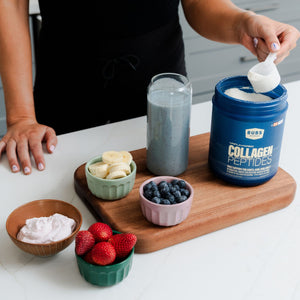
At BUBS, our Collagen Peptides Collection is designed for maximum solubility and absorption. Because it is unflavored and mixes instantly into hot or cold liquids, it’s easy to make it a non-negotiable part of your morning ritual. We often say, "One scoop. Feel the difference." For those over 50, that difference often manifests as a more "rested" appearance, skin that feels more resilient, and a healthy glow that comes from the inside out.
Supporting Mobile Joints and Active Lifestyles
For many of us at BUBS, the real motivation for taking collagen isn't just looking good; it's about staying in the game. Whether your passion is hiking, CrossFit, surfing, or simply keeping up with your grandkids, joint mobility is the foundation of an adventurous life.
As we age, the cartilage that cushions our joints undergoes wear and tear. Because cartilage is primarily made of collagen, providing the body with the raw materials to support these tissues is essential. Supplementing with Collagen Peptides can help support the health of your tendons and ligaments, keeping them flexible and strong.
To further support your active lifestyle, we often recommend pairing your collagen with our Hydration Collection. Proper hydration is critical for joint lubrication. Using a product like Hydrate or Die – Lemon ensures that your cells have the electrolytes they need to function at their best. When your joints are well-hydrated and supported by a strong collagen matrix, you are much less likely to feel the "wear and tear" of a long day on the trails.
Bone Density and the Aging Framework
One of the most overlooked benefits of collagen for those over 50 is its role in bone health. While we often think of bones as being made primarily of calcium, they are actually a composite material. Collagen provides the flexible framework, while calcium provides the hardness. Without the collagen "web," bones can become brittle and prone to fractures.
As we age, especially post-menopause, bone mineral density tends to decline. Studies have indicated that collagen peptides can support bone mineral density by stimulating the bone-forming cells (osteoblasts). For individuals over 50, maintaining this internal framework is one of the most important things you can do for long-term independence and physical resilience.
Muscle Mass and the Importance of Protein Intake
At 50, the body also faces a challenge known as sarcopenia, or age-related muscle loss. To maintain muscle mass, the body requires a higher intake of protein and specific amino acids. While collagen is not a complete protein (it lacks tryptophan), it is incredibly high in the amino acids that support connective tissues and muscle recovery.
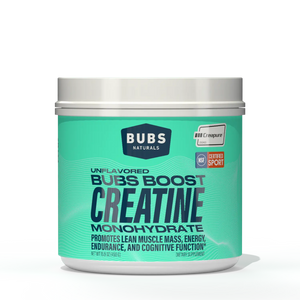
If you are following a strength training program—which we highly recommend for anyone over 50—you may find that your recovery takes longer than it used to. This is where a multi-pronged approach to supplementation becomes valuable. In addition to your Collagen Peptides, adding Creatine Monohydrate to your routine can be a game-changer. Creatine is one of the most researched supplements in the world and has been shown to support muscle strength and power, especially in older adults. By supporting your muscles with creatine and your connective tissues with collagen, you’re building a body that is "bulletproofed" against the common pitfalls of aging.
Boosting Your Results: The Role of Vitamin C
It is important to remember that collagen synthesis in the body doesn't happen in a vacuum. To effectively turn those supplemental peptides into functional tissue, your body requires Vitamin C. Vitamin C acts as a mandatory co-factor for the enzymes that cross-link collagen fibers, giving them their strength.
If you are over 50 and looking to get the most out of your collagen habit, ensuring you have adequate Vitamin C intake is non-negotiable. While you can get this from citrus fruits and leafy greens, a focused supplement can ensure you're hitting your targets every day. Our Vitamin C supplement is formulated to provide that essential support, ensuring your body has everything it needs to put your Collagen Peptides to work.
Gut Health and Nutrient Absorption
As we age, our digestive efficiency can also decline. You could be taking the best supplements in the world, but if your gut isn't healthy, you won't absorb them effectively. Collagen itself is rich in the amino acids glycine and glutamine, which are vital for maintaining a healthy gut lining. A strong gut lining prevents "leaky gut" and ensures that nutrients are properly absorbed into the bloodstream.
To further support your digestive wellness, many of our customers integrate Apple Cider Vinegar Gummies into their daily routine. These gummies, made with "the Mother," help support healthy digestion and metabolic function. A happy gut means a more effective supplement routine, ensuring that every scoop of collagen you take is actually being used by your body.
The Morning Ritual: MCTs and Collagen
One of the most common questions we get is, "When should I take my collagen?" The answer is simple: when you will remember to take it consistently. For many, the easiest way to build a habit is by attaching it to something they already do—like drinking morning coffee.
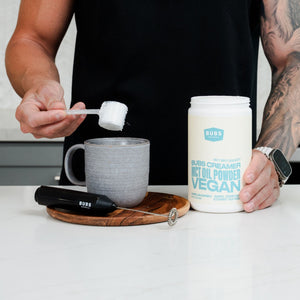
This is where our Creamers Collection comes in. Adding a scoop of MCT Oil Creamer – 10 oz Tub along with your collagen to your morning cup provides a powerful start to the day. MCTs (Medium Chain Triglycerides) provide a quick, clean source of energy for the brain and body, helping with mental clarity and focus. For the over-50 crowd, this combination of sustained mental energy and structural support is the ultimate "power breakfast." If you prefer a richer, more buttery flavor, our Butter MCT Oil Creamer – 10 oz Tub is a fan favorite that mixes effortlessly, making your morning coffee something to truly look forward to.
Consistency: The Secret Sauce of Aging Well
If there is one thing we want you to take away from this article, it is that consistency is more important than "perfect" timing or dosage. You didn't lose 30% of your collagen overnight, and you won't see results from a supplement after just one day.
When you start taking Collagen Peptides at 50, we recommend committing to at least 60 to 90 days of daily use. This gives your body enough time to cycle through its natural repair processes. Most people begin to notice changes in their skin hydration and nail strength within the first month, while joint and bone benefits typically become more apparent in the second or third month.
At BUBS Naturals, we make consistency easy. Our products are rigorously tested and certified by NSF for Sport, meaning you never have to worry about what is (or isn't) in the tub. We believe in total transparency. Our "No-BS" approach means no fillers, no artificial sweeteners, and no hidden ingredients—just pure, grass-fed, pasture-raised collagen that mixes effortlessly into your life.
The BUBS Naturals Mission: Why Your Choice Matters
Choosing where you get your supplements is about more than just a label; it’s about the values behind the brand. When you choose BUBS Naturals, you are joining a community dedicated to a life of purpose. Glen “BUB” Doherty was a man who believed in doing the right thing, even when no one was looking. He was a protector, a teammate, and a warrior. We strive to honor that spirit in everything we do.
Our 10% Rule is the heartbeat of our company. By donating 10% of our profits to veteran-focused charities, we ensure that your pursuit of wellness also supports those who have served our country. It’s a way to give back while you’re moving forward. This commitment to something larger than ourselves is part of what makes the BUBS community so special. When you take our Collagen Peptides, you aren't just supporting your own joints and skin; you are supporting a legacy of service.
Practical Tips for Starting at 50
Ready to get started? Here is a simple "Day in the Life" example of how to integrate BUBS into your routine:
-
7:00 AM: Wake up and hydrate. Mix a serving of Hydrate or Die – Mixed Berry into 16 ounces of water. This wakes up your metabolism and hydrates your joints.
-
8:00 AM: Coffee time. Add one scoop of Collagen Peptides and one scoop of MCT Oil Creamer – 10 oz Tub. Stir and enjoy. You’ve just hit your first 10-20g of collagen for the day.
-
12:00 PM: Lunch. Pop two Apple Cider Vinegar Gummies to support digestion for your mid-day meal.
-
4:00 PM: Afternoon activity. Whether it's a gym session or a brisk walk, your body is fueled and ready. If you're doing a heavy workout, consider adding Creatine Monohydrate to your post-workout shake for muscle support.
-
8:00 PM: Evening wind-down. Take your Vitamin C to support overnight collagen synthesis and immune health.
Beyond the Powder: A Holistic Approach to 50+ Wellness
While high-quality supplements are a powerful tool, they are most effective when part of a broader wellness strategy. At 50, your body responds incredibly well to smart lifestyle choices.
-
Strength Training: This is the most effective way to combat sarcopenia and support bone density. You don't need to be a powerlifter—resistance bands, bodyweight exercises, or light weights can make a massive difference.
-
Sun Protection: Since UV rays are one of the primary drivers of collagen breakdown (extrinsic aging), wearing sunscreen and protective clothing is essential to preserve the collagen you already have.
-
Sleep: Your body does its most significant repair work while you sleep. Aim for 7-9 hours of quality rest to allow your collagen-building fibroblasts to do their job.
-
Stress Management: High levels of cortisol can actually accelerate collagen degradation. Whether it’s meditation, a walk in nature, or spending time with friends, find ways to keep your stress in check.
Summary: Embracing Your Second Act
Entering your 50s is not the beginning of the end—it’s the start of a new chapter. It is a time when you often have more wisdom, more perspective, and perhaps even more time to dedicate to the things you love. Taking care of your physical foundation is what allows you to make the most of this "second act."
Is it too late to take collagen at 50? Far from it. In fact, one could argue that 50 is the most important time to start. By supplementing with Collagen Peptides, you are giving your body the specialized tools it needs to maintain its structural integrity, support its mobility, and keep its youthful resilience.
At BUBS Naturals, we are here to support you every step of the way. We don't believe in "miracle cures" or "magic pills." We believe in clean ingredients, hard work, and the power of a consistent routine. We believe in living a life that honors the spirit of adventure and the importance of giving back.
Whether you're looking to smooth out the fine lines that tell the story of a life well-lived, or you want to ensure your knees are ready for your next big trip, our collagen is designed for you. It’s easy to mix, easy to digest, and backed by a mission you can feel good about.
Together, we can redefine what it means to age. We can prove that 50 is just a number and that the best adventures are often the ones that are still to come. So, grab a tub of Collagen Peptides, find your next mountain to climb, and let’s get to work.
FAQ
1. How much collagen should I take daily if I am over 50?
For most adults over 50, a daily dosage of 10 to 20 grams of collagen peptides is recommended to see noticeable benefits in skin, joint, and bone health. Our Collagen Peptides come with a scoop that provides roughly 10 grams, so one to two scoops a day is the perfect range. Consistency is more important than taking a large amount all at once.
2. Will collagen supplements help with post-menopausal hair thinning?
While hair thinning can have many causes, collagen provides the amino acids (like proline) that the body uses to build keratin, the primary protein in hair. By supporting the skin's dermal layer where hair follicles reside, Collagen Peptides can help create a healthy environment for hair growth. Many women in our community report stronger, healthier-looking hair after several months of consistent use.
3. Is there a specific type of collagen that is better for seniors?
We recommend Type I and Type III hydrolyzed bovine collagen for those over 50. Type I is the most prevalent in the skin, bones, and tendons, while Type III supports the structure of muscles and organs. Our Collagen Peptides Collection contains both types from grass-fed, pasture-raised sources, ensuring a high-quality, comprehensive amino acid profile that is easily absorbed by the aging digestive system.
4. Can I take collagen if I am already taking other vitamins or medications?
Collagen is generally considered a food-based supplement and is safe for most people. However, if you are taking specific medications for bone density, joint conditions, or have underlying health concerns, we always recommend consulting with your healthcare professional before starting any new supplement. To maximize the absorption of your collagen, consider pairing it with our Vitamin C to support natural synthesis.