Table of Contents
- Introduction
- The Biology of Aging and Collagen Decline
- Supporting Joint Mobility and Comfort
- Bone Density and the Collagen Matrix
- Skin Health and Hydration After 60
- How to Use Collagen Effectively
- The Role of Vitamin C and Protein Intake
- Safety and Considerations for Older Adults
- Why Quality and Testing Matter
- Lifestyle Habits That Protect Your Collagen
- The Connection Between Muscle and Collagen
- Integrating Collagen into a Purposeful Morning
- Summary of Potential Benefits
- Conclusion
- FAQ
Introduction
As we cross the threshold into our 60s, our bodies move into a new phase of life. You might notice that your recovery after a long walk takes a little longer, or that your skin doesn't bounce back quite like it used to. These changes are a natural part of the aging process, but they often lead to questions about how to best support our longevity and mobility. At BUBS Naturals, we believe that staying active and feeling your best shouldn't have to stop just because the calendar turns.
This guide explores the specific role of collagen peptides for women over 60, focusing on how it supports joint comfort, bone strength, and skin health. We will break down the science of why collagen production drops, what the research actually says about supplementation, and how to integrate it into a purposeful wellness routine. Collagen is not a magic fix, but it is a foundational protein that may help you maintain the active lifestyle you've worked hard to build.
The Biology of Aging and Collagen Decline
Collagen is the most abundant protein in your body, acting as the primary structural component for your skin, bones, tendons, and ligaments. Think of it as the glue that holds everything together. It provides the "scaffolding" that keeps tissues resilient and strong. However, your body’s ability to produce this vital protein is not infinite.
Starting in your late 20s or early 30s, natural collagen production begins to taper off by about 1% every year. For women, this process accelerates significantly during and after menopause. Research suggests that women can lose up to 30% of their skin’s collagen in the first five years following menopause. By the time you reach 60, your body is working with a much smaller internal supply than it had in your youth. For a deeper look at this aging process, read Why Does the Body Stop Producing Collagen? The Science of Aging.
This decline isn't just about appearance. When collagen levels drop, the structural integrity of your connective tissues changes. Cartilage in the joints becomes thinner, bones can become more brittle, and the dermis—the middle layer of your skin—loses the density required to stay hydrated and firm. Supplementing with collagen is designed to provide the body with the specific amino acids, like glycine and proline, needed to support these aging tissues.
Key Takeaway: Collagen decline is a biological reality that accelerates after menopause, impacting the structural "glue" of the joints, bones, and skin. Supplementation aims to provide the building blocks necessary to support these structures as natural production slows.
Supporting Joint Mobility and Comfort
One of the most common reasons women over 60 look into collagen is joint discomfort. Whether it is stiffness in the morning or a nagging ache in the knees after a hike, joint issues can feel like a barrier to the activities you love. Joints are cushioned by cartilage, a firm, rubbery tissue that is made up mostly of collagen. If you want the deeper mechanics, see How the Science Behind Collagen Protein Works.
As we age, this cartilage can wear down, leading to increased friction between the bones. This is often the root cause of the stiffness and reduced range of motion associated with getting older. While collagen supplements cannot "regrow" lost cartilage in a way that cures underlying medical conditions, many studies suggest that they may help support the health of the remaining tissue.
Taking collagen peptides can help by stimulating the chondrocytes—the cells responsible for maintaining the cartilage matrix. When you consume hydrolyzed collagen, your body breaks it down into small peptides that circulate to the areas where they are needed most. For women over 60, this may result in improved joint comfort during daily tasks and more fluid movement during exercise.
Myth: Collagen is just a "beauty supplement" for hair and nails.
Fact: Collagen is a structural protein essential for joint cartilage and bone matrix; its benefits for mobility are often more significant for quality of life than its cosmetic effects.
Bone Density and the Collagen Matrix
When we talk about bone health for women over 60, the conversation usually centers on calcium and Vitamin D. While these are critical, they are only part of the story. Your bones are not just solid sticks of minerals; they are living tissues consisting of a protein matrix—mostly Type I collagen—which is then "mineralized" with calcium and phosphorus. For another angle on collagen's structural role, explore What Are the Benefits of Collagen in the Body for Vitality.
Think of collagen as the rebar in a concrete pillar. The calcium is the concrete, providing hardness, but the collagen is the rebar, providing the flexibility to prevent the bone from snapping under pressure. As collagen levels drop, bones can become more brittle, even if your calcium levels are technically sufficient.
Some clinical evidence suggests that daily collagen supplementation can support bone mineral density in postmenopausal women. By supporting the framework that holds minerals in place, collagen helps maintain the overall strength and resilience of the skeletal system. This is especially important for women over 60 who want to remain physically capable and reduce the risk of fractures as they age.
Skin Health and Hydration After 60
The most visible sign of collagen loss is in the skin. In your 60s, you may notice that your skin feels thinner, more transparent, or "crepey." This happens because the collagen and elastin fibers in the dermis are breaking down and not being replaced quickly enough. This layer is also responsible for holding onto moisture, which is why older skin often feels perpetually dry despite using heavy creams.
Taking an oral collagen supplement works from the inside out. Unlike topical creams, which often contain collagen molecules too large to actually penetrate the skin barrier, hydrolyzed collagen peptides are absorbed into the bloodstream. Once absorbed, they can trigger the skin's own fibroblasts to produce more collagen and hyaluronic acid.
For women over 60, the goal is often less about "erasing" wrinkles and more about improving skin elasticity and hydration. Better hydration leads to a more resilient skin barrier, which can reduce the appearance of fine lines and make the skin feel firmer and healthier. Most people report seeing these subtle but meaningful changes after 8 to 12 weeks of consistent daily use.
How to Use Collagen Effectively
To get the most out of a collagen supplement, consistency is the most important factor. It is not a product that works overnight. It takes time for the amino acids to be integrated into your tissues. Most research focused on women in this age bracket suggests a daily dose of 10 to 20 grams.
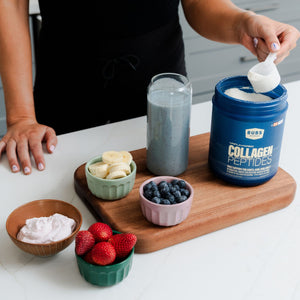
Our BUBS Naturals Collagen Peptides are designed to fit effortlessly into your existing routine. Because it is a single-ingredient, unflavored powder, it mixes easily into hot or cold liquids. You can stir it into your morning coffee, mix it into a smoothie, or even add it to a bowl of oatmeal.
When choosing a supplement, look for "hydrolyzed" collagen. This means the protein has been broken down into smaller pieces called peptides, which are much easier for your body to digest and use. We ensure our product is grass-fed and pasture-raised, providing a clean source of Types I and III collagen without any fillers or additives.
The Role of Vitamin C and Protein Intake
Collagen doesn't work in a vacuum. Your body requires certain "co-factors" to actually build and repair collagen fibers. The most critical of these is Vitamin C. Without adequate Vitamin C, your body cannot effectively cross-link the amino acids that form the collagen triple helix.
For women over 60, overall protein intake is also a concern. Sarcopenia, or the natural loss of muscle mass with age, can be mitigated by ensuring you are getting enough total protein throughout the day. While collagen is not a complete protein—it lacks the essential amino acid tryptophan—it is an excellent way to boost your daily protein totals in an easy-to-digest form.
We recommend pairing your collagen intake with a diet rich in whole foods, including colorful vegetables, lean proteins, and healthy fats. This provides the full spectrum of nutrients your body needs to maintain its structural integrity.
Safety and Considerations for Older Adults
For the vast majority of women over 60, collagen is considered a very safe supplement. Since it is essentially a food-derived protein, the body recognizes and processes it easily. However, there are a few things to keep in mind.
If you have a history of kidney disease or are on a protein-restricted diet, you should consult with your healthcare provider before adding a collagen supplement to your routine. Additionally, while side effects are rare, some people may experience mild bloating or a feeling of fullness when they first start taking it. This usually subsides as the digestive system adjusts.
It is also important to set realistic expectations. Collagen is a supportive tool, not a medical treatment. It works best when it is part of a broader lifestyle that includes regular movement, adequate sleep, and sun protection. If you are experiencing severe joint pain or a sudden loss of mobility, these are issues that require a conversation with a doctor rather than just a change in your supplement cupboard.
Note: Always check the source of your collagen if you have specific dietary restrictions. Bovine collagen is standard for joint and bone support, but if you have a beef allergy, you may need to look for marine-sourced alternatives.
Why Quality and Testing Matter
Not all supplements are created equal. The supplement industry in the US is not as tightly regulated as the pharmaceutical industry, which means the burden of proof for quality often falls on the brand. This is why we prioritize transparency and rigorous testing.
Our products are third-party tested and NSF for Sport certified. This is one of the highest standards in the industry, ensuring that what is on the label is exactly what is in the jar, with no hidden contaminants or banned substances. For women over 60 who may be managing other health conditions or taking various medications, knowing that a supplement is clean and tested provides an essential layer of trust.
We believe that if you are putting something into your body every single day to support your health, it should be the highest quality possible. Simple, clean, and backed by science—that is the standard we hold for everything we produce at BUBS Naturals.
Lifestyle Habits That Protect Your Collagen
While taking a supplement can help provide the building blocks your body needs, it is just as important to protect the collagen you already have. Several lifestyle factors can accelerate the breakdown of collagen, and avoiding these can help you see better results from your supplementation.
-
Sun Exposure: Ultraviolet (UV) radiation is the leading cause of collagen breakdown in the skin. Wearing sunscreen daily and using protective clothing when outdoors is the best way to prevent further damage to your skin’s structural matrix.
-
Sugar Intake: High sugar consumption can lead to a process called glycation, where sugar molecules attach to collagen fibers, making them stiff and brittle. A diet focused on whole, unprocessed foods supports more resilient tissues.
-
Smoking: This is perhaps the most aggressive external factor for collagen destruction. Smoking constricts blood vessels, reducing the oxygen and nutrients that reach your skin and joints, and directly damages existing collagen fibers.
-
Hydration: Collagen fibers rely on water to maintain their flexibility. Staying properly hydrated helps your connective tissues stay resilient. This is why we developed products like our Hydrate or Die electrolytes—to ensure your body has the mineral balance needed for optimal fluid levels.
Bottom line: Supplementation works most effectively when you also take steps to protect your existing collagen through sun safety, a low-sugar diet, and proper hydration.
The Connection Between Muscle and Collagen
While collagen is primarily known for joints and skin, it also plays a secondary role in supporting muscle health. Muscle fibers are wrapped in a layer of connective tissue called the perimysium, which is made up of collagen. This tissue helps transmit the force generated by your muscles to your bones, allowing you to move.
For women over 60, maintaining muscle mass is vital for metabolic health and preventing falls. Collagen provides the amino acids needed for the health of these connective tissues. While it shouldn't replace a high-quality protein like whey or lean meat for building muscle tissue itself, it is an excellent "sidekick" that supports the entire musculoskeletal system.
Staying active with resistance training—even just using light weights or bodyweight exercises—signals your body to keep its tissues strong. When you combine that physical signal with the nutritional support of collagen peptides, you are giving your body the best possible chance to remain functional and strong well into your 70s and 80s.
Integrating Collagen into a Purposeful Morning
Many women find that the easiest way to stay consistent with collagen is to anchor it to a morning habit. If you already have a ritual of drinking coffee or tea, adding a scoop of collagen is a simple, five-second upgrade.
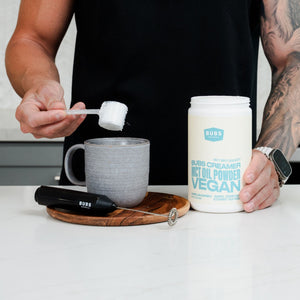
If you prefer a creamy addition to your coffee, our MCT Oil Creamer can be used alongside collagen. While the collagen supports your structural health, the MCT oil provides clean, coconut-sourced energy and mental clarity for your morning. This combination is a favorite for those who want to start their day with a focus on both physical and cognitive wellness.
The goal isn't to create a complicated, 10-step routine. It’s about making one or two small, impactful choices that support your long-term goals. For women over 60, these small wins add up over time, contributing to a sense of agency and capability in their health journey.
Summary of Potential Benefits
If you are considering whether collagen is right for you, it helps to look at the broad spectrum of areas it may support. While everyone’s body responds differently, these are the common outcomes reported by researchers and the women in our community:
-
Joint Function: Many users report less stiffness and improved comfort during activities like walking, gardening, or playing with grandkids.
-
Bone Support: Collagen may help maintain the internal framework of the bones, working alongside minerals like calcium to keep the skeleton resilient.
-
Skin Elasticity: Improvement in skin moisture and a reduction in the "crepey" texture often seen after 60.
-
Digestive Support: The amino acids in collagen, particularly glutamine, may support the health of the intestinal lining.
-
Convenience: An easy-to-digest protein boost that helps meet daily nutritional requirements without adding extra bulk to meals.
Conclusion
Is collagen good for women over 60? The evidence suggests that it is a highly supportive addition to a healthy aging strategy. By providing the specific building blocks that the body naturally begins to lose, collagen supplementation can help maintain the structural integrity of your joints, bones, and skin. It is a practical, science-backed way to support your body so you can continue to pursue the adventures that give your life meaning.
At BUBS Naturals, our mission is rooted in the idea of living a life of purpose and activity, inspired by the legacy of Glen "BUB" Doherty. We are committed to providing clean, high-quality products that help you feel your best, while also giving back to the community. In honor of BUB, we donate 10% of all our profits to veteran-focused charities, ensuring that your journey toward wellness also supports a greater cause. You can learn more in our story.
Take the next step in your wellness routine by choosing a clean, third-party tested source of collagen that respects your body and your goals. Whether you are hitting the gym, the trail, or just your morning walk, we are here to help you move with confidence.
FAQ
How long does it take for a woman over 60 to see results from collagen?
Most clinical studies and anecdotal reports suggest that consistency is key, with results usually appearing between 8 and 12 weeks of daily use. Skin hydration and joint comfort are often the first things people notice, followed by improvements in skin elasticity and nail strength. It is important to remember that collagen works gradually as it supports the body's internal structures.
Can I take collagen if I am on blood pressure or bone density medication?
While collagen is generally considered a food-based supplement and is safe for most people, it is a high-protein product. In some cases, very high protein intake can interact with certain medications or medical conditions. We always recommend having a quick conversation with your doctor before starting any new supplement to ensure it aligns with your specific health plan.
What is the best time of day for women over 60 to take collagen?
There is no "perfect" time of day that changes the effectiveness of the collagen; the best time is whenever you are most likely to remember it. Many people find that adding it to their morning coffee or a post-workout smoothie creates a reliable habit. The total daily intake is more important for long-term benefits than the specific timing.
Is bovine collagen or marine collagen better for older adults?
Bovine collagen, like our BUBS Naturals Collagen Peptides, is rich in Types I and III collagen, which are the primary types found in the skin, bones, and tendons. Marine collagen is also excellent and is mostly Type I. For women over 60 looking for broad support for both bone density and skin health, bovine collagen is often the most cost-effective and researched option.