Table of Contents
- Introduction
- Understanding the Thyroid-Collagen Connection
- How Collagen Supports the Thyroid Hormone Pathway
- Addressing the "Leaky Gut" and Autoimmunity
- Specific Benefits for Thyroid Symptoms
- Choosing the Right Collagen for Your Thyroid
- Practical Tips for Your Routine
- Potential Side Effects and Safety
- The Role of Lifestyle in Thyroid Health
- Summary
- FAQ
Introduction
If you’ve been navigating the challenges of a sluggish thyroid, you likely know the feeling of doing everything right but still feeling "off." You might be managing your medication and watching your diet, yet you still notice your skin feels dry, your hair is thinning, or your joints feel stiff every morning. This is because thyroid hormones are the master regulators of your metabolism, and when they are out of balance, your body’s ability to maintain its own structural integrity often takes a hit.
At BUBS Naturals, we focus on supplements that do more than just fill a gap; they are designed to help you regain your edge. Collagen has recently gained attention not just for beauty, but for its potential role in supporting metabolic and thyroid function, and our Collagen Peptides fit naturally into that conversation. In this guide, we will explore the science behind amino acid balance, liver health, and how supplementing with collagen may support those managing thyroid concerns. Our goal is to provide you with clear, actionable information so you can decide if this protein is the right addition to your wellness routine.
Quick Answer: Yes, collagen may be highly beneficial for thyroid health because it provides a unique amino acid profile—specifically glycine—that supports liver function and balances the pro-inflammatory effects of other proteins. While it is not a replacement for thyroid medication, it can help address symptoms like joint pain, hair loss, and gut issues often associated with thyroid dysfunction.
Understanding the Thyroid-Collagen Connection
To understand if collagen is good for thyroid health, you first have to look at how thyroid hormones and protein synthesis work together. Your thyroid gland produces hormones, primarily T4 (thyroxine) and T3 (triiodothyronine), which tell your cells how to use energy. These hormones also act as direct stimulators for collagen production.
Collagen is the most abundant protein in your body, making up about 30% of your total protein content. It provides the "glue" for your skin, bones, tendons, and even the lining of your digestive tract. When your thyroid function is low, your body’s internal signaling to produce new collagen slows down. This is why many people with hypothyroidism notice rapid skin aging or brittle nails; it is a visible sign of a deeper structural slowdown.
The Problem of Amino Acid Imbalance
Most people in the US get their protein from muscle meats like chicken breast or steak. While these are great sources of nutrition, they are very high in two specific amino acids: tryptophan and cysteine. In a perfectly healthy body, this isn't an issue. However, research suggests that an overabundance of these specific amino acids, without the balance of other proteins, can actually interfere with thyroid hormone production.
Collagen is unique because it contains zero tryptophan and very little cysteine. Instead, it is packed with glycine, proline, and hydroxyproline. By adding collagen to your diet, you help balance the amino acid "pool" in your blood. This balance can reduce the metabolic stress on your thyroid gland, making it easier for your body to maintain normal hormone output.
How Collagen Supports the Thyroid Hormone Pathway
Thyroid health is about more than just what your thyroid gland produces. It is about a complex pathway that includes your liver, your gut, and your cells. Collagen plays a supporting role at several stages of this journey.
Supporting T4 to T3 Conversion in the Liver
The thyroid gland mostly produces T4, which is an inactive form of the hormone. For your body to actually use it for energy and metabolism, it must be converted into T3. Most of this conversion happens in your liver. If your liver is sluggish or overwhelmed by toxins, this conversion slows down, leading to symptoms of hypothyroidism even if your labs look "normal."
Glycine, the primary amino acid in our Collagen Peptides, is a heavy hitter for liver health. It is a precursor to glutathione, the body’s master antioxidant. By supporting liver detoxification and reducing oxidative stress, glycine helps ensure the liver has the resources it needs to convert T4 into active T3.
Calming the Stress Response
High levels of cortisol, your body’s primary stress hormone, are known to inhibit thyroid function. When you are stressed, your body shifts away from "maintenance mode" (metabolism and repair) and into "survival mode." This shift blocks the conversion of T4 to T3 and increases the production of Reverse T3, an inactive molecule that effectively clogs your hormone receptors.
Glycine acts as an inhibitory neurotransmitter, which means it has a natural calming effect on the nervous system. By helping to modulate the stress response and support better sleep quality, collagen may indirectly protect your thyroid from the dampening effects of chronic cortisol elevation.
Key Takeaway: Thyroid health depends heavily on the liver's ability to convert inactive hormones into active ones. The glycine found in collagen supports this conversion by aiding liver function and helping the body manage stress hormones like cortisol.
Addressing the "Leaky Gut" and Autoimmunity
A significant portion of thyroid issues in the US are autoimmune in nature, such as Hashimoto’s disease. In these cases, the immune system mistakenly attacks the thyroid gland. Many practitioners point to gut health as a major factor in autoimmune triggers.
The term "leaky gut" refers to increased intestinal permeability. This happens when the tight junctions in your intestinal lining weaken, allowing undigested food particles and bacteria to enter the bloodstream. This triggers a systemic inflammatory response that can aggravate the thyroid.
Collagen is rich in glutamine and glycine, both of which are essential for repairing and maintaining the integrity of the gut lining. By "sealing" these gaps, collagen may help reduce the inflammatory load on the immune system, providing a more stable environment for thyroid function.
Myth: Collagen is just a "beauty" supplement for skin and nails.
Fact: Collagen is a structural protein that is vital for gut integrity. A healthy gut lining is a cornerstone of managing the inflammation associated with many thyroid conditions.
Specific Benefits for Thyroid Symptoms
Beyond the internal hormonal mechanics, collagen is often used to address the visible and physical symptoms that thyroid patients struggle with daily.
Restoring Skin and Hair Quality
Hypothyroidism often leads to dry, "doughy" skin and hair that breaks easily or falls out. Because thyroid hormones directly signal the cells (fibroblasts) that create collagen, a deficiency leads to a thinning of the dermal layer of the skin.
Supplementing with hydrolyzed collagen peptides provides the body with the exact building blocks it needs to repair this matrix. Hydrolyzed means the collagen has been broken down into smaller chains called peptides, which makes them much easier for your body to absorb and use. Many of our customers report that their skin feels more hydrated and their hair feels thicker after consistent use.
Joint and Muscle Pain Relief
Joint stiffness and "brain fog" are two of the most common complaints among those with thyroid imbalances. The stiffness is often due to a lack of lubrication and structural support in the cartilage and tendons—tissues that are almost entirely made of collagen.
Because thyroid hormones regulate the turnover of these tissues, a slow thyroid means your joints don't repair themselves as quickly as they should. Adding a daily scoop of BUBS Naturals Collagen Peptides provides the amino acids necessary to support joint elasticity and reduce the discomfort that makes morning movement difficult.
Metabolic Rhythm and Blood Sugar
Stable blood sugar is critical for thyroid health. When your blood sugar drops, your body releases adrenaline and cortisol to bring it back up, which, as we’ve discussed, suppresses thyroid function.
Collagen is a pure protein that can help slow the absorption of sugar when taken with a meal. Many people find that adding collagen to their morning coffee or a fruit smoothie helps prevent the "crash" that often leads to afternoon fatigue. This steady energy is vital for keeping the thyroid pathway running smoothly.
Choosing the Right Collagen for Your Thyroid
If you decide to try collagen for thyroid support, quality and purity are non-negotiable. The thyroid is a sensitive gland, and you want to avoid additives or fillers that could trigger inflammation.
Look for Tryptophan-Free Options
As mentioned earlier, balancing your amino acids is one of the main reasons collagen is helpful for the thyroid. Some "multi-collagen" blends or lower-quality proteins might include added tryptophan or other ingredients that defeat this purpose. We ensure our Collagen Peptides are a single-ingredient, clean protein source that helps you maintain that necessary balance.
Prioritize Grass-Fed and Pasture-Raised
The source of the collagen matters. Grass-fed and pasture-raised bovine collagen is generally considered the cleanest option, as it avoids the hormones and antibiotics often found in factory-farmed animals. Our products are also third-party tested and NSF for Sport certified, which means what you see on the label is exactly what is in the tub. This level of transparency is essential for anyone dealing with a chronic health condition like a thyroid disorder.
The Importance of Hydrolyzed Peptides
Standard collagen, like the kind found in a piece of gristle on a steak, is very hard for the body to break down. For someone with thyroid issues—who may also have lowered stomach acid—absorbing nutrients can be a challenge. Hydrolyzed collagen is "pre-digested" into smaller molecules that bypass the need for heavy lifting by your digestive system, entering the bloodstream quickly and efficiently.
Practical Tips for Your Routine
Incorporating collagen into your life doesn’t have to be a chore. It is designed to fit into the adventure you are already living.
-
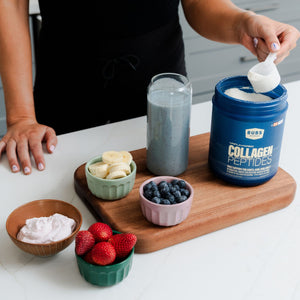
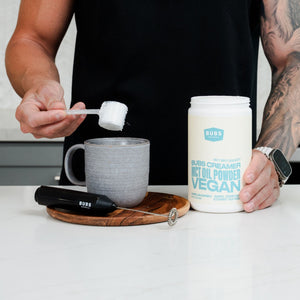
The Morning Ritual: Most people find it easiest to mix one scoop of collagen into their morning coffee with MCT Oil Creamer or tea. Because it is unflavored and dissolves effortlessly, it won't change the taste of your favorite brew.
-
The Post-Workout Shake: If you are training hard, your muscles and joints need extra support. Mixing collagen with your post-workout Hydrate or Die helps kickstart the repair process.
-
Nightly Support: Since glycine helps support sleep and lower cortisol, some people prefer taking their collagen in a warm cup of herbal tea before bed, Practical Ways: How to Get Collagen Back in Your Body.
Note: Consistency is the key to seeing results. While some people notice a difference in their energy or skin within two weeks, it typically takes 4 to 8 weeks of daily use for the structural benefits to fully take hold.
Potential Side Effects and Safety
Collagen is generally recognized as safe and is well-tolerated by most people. However, if you are on thyroid medication, there are a few things to keep in mind.
-
Medication Timing: Most thyroid medications (like Levothyroxine) should be taken on an empty stomach, at least 30 to 60 minutes before eating or taking other supplements. Always follow the timing instructions provided by your doctor to ensure your medication is absorbed properly.
-
Biotin vs. Collagen: Many "hair, skin, and nails" supplements contain high doses of Biotin (Vitamin B7). Biotin is known to interfere with thyroid lab tests, often making them appear abnormal when they are not. Pure collagen, however, does not contain biotin and should not affect your test results.
-
Listen to Your Body: A very small number of people may experience mild digestive upset when starting any new protein. If this happens, try starting with a half scoop and gradually working your way up to a full serving.
The Role of Lifestyle in Thyroid Health
While collagen is a powerful tool, it works best when paired with a lifestyle that supports the thyroid. This includes managing stress, getting plenty of sunlight, and avoiding excessive sugar. Think of collagen as one part of a larger mission to reclaim your health.
We believe that wellness is an adventure, not a destination. Whether you are a veteran, an athlete, or someone simply looking to feel better in your own skin, the goal is to keep moving forward. Supporting your thyroid with clean, science-backed nutrition is a big step in that direction.
Bottom line:
Collagen may support thyroid health by balancing amino acids, aiding liver detox, and repairing the gut lining, which helps manage common symptoms like joint pain and skin dryness.
Summary
Managing thyroid health requires a multi-faceted approach. While medication is often the foundation, nutrition provides the building blocks for the rest of your body to function. Collagen is more than just a trend; it is a functional protein that addresses the specific structural and metabolic needs that often go unmet in thyroid patients. By providing essential amino acids like glycine and supporting the liver-gut axis, it helps clear the path for your hormones to do their job.
At BUBS Naturals, our commitment to quality is rooted in a larger purpose. We were founded to honor the legacy of Glen "BUB" Doherty, a Navy SEAL who lived a life of adventure and service. That’s why we donate 10% of all our profits to veteran-focused charities. When you choose our products, you aren’t just investing in your own health—you’re contributing to a mission that supports those who have served.
If you are ready to see how a clean, hydrolyzed protein can support your metabolic health, try incorporating our Collagen Peptides into your daily routine. It’s one scoop, no BS, and a simple way to feel the difference.
FAQ
1. Can collagen interfere with my thyroid medication?
There is no evidence that collagen directly interacts with thyroid medications. However, because thyroid drugs like Levothyroxine are highly sensitive to absorption, you should always take your medication on an empty stomach and wait the recommended 30–60 minutes before consuming Collagen Peptides or any other food or supplement.
2. Does collagen contain iodine?
Our bovine Collagen Peptides do not contain iodine. This is important because some people with thyroid conditions, particularly those with certain types of autoimmune thyroiditis, may be sensitive to high levels of iodine found in seaweed-based or marine supplements.
3. Will collagen help with thyroid-related hair loss?
Many people report that collagen supports hair thickness and reduces breakage. Because hair follicles rely on a collagen-rich environment in the skin's dermal layer, providing your body with the necessary amino acids may help counter the thinning often caused by thyroid imbalances.
4. Is there a specific type of collagen best for the thyroid?
Hydrolyzed Type I and III bovine collagen is typically recommended. These types are the most abundant in the human body and are effectively used to support the skin, gut lining, and joints—areas frequently impacted by low thyroid function. Always ensure the product is free from additives and fillers.