Table of Contents
- Introduction
- Understanding the Biological Scaffold: What is Collagen?
- Why Collagen Levels Decline and How to Pivot
- The Role of Amino Acids in Collagen Synthesis
- Micronutrients: The Spark for the Collagen Engine
- Lifestyle Habits That Protect Your Collagen
- Hydration and the Extracellular Matrix
- Supporting Gut Health for Better Absorption
- Training, Recovery, and the Collagen Connection
- Why Quality and Sourcing Matter for Collagen
- The BUBS "10% Rule": Wellness with a Purpose
- Practical Ways to Incorporate Collagen into Your Day
- Real-Life Scenarios: Collagen in Action
- Long-term Benefits of Supporting Collagen
- Summary of the BUBS Approach
- Conclusion
- FAQ
Introduction
Did you know that by the time you reach your 30th birthday, your body’s natural ability to produce collagen has already begun a slow, steady decline? It is a subtle shift at first—perhaps a bit more lingering soreness after a weekend hike or a slight loss of that youthful resilience in your skin—but it marks the beginning of a biological transition. Collagen is the most abundant protein in the human body, acting as the literal "glue" that holds our joints, skin, hair, and connective tissues together. When that glue starts to thin, the impact is felt across every aspect of an active lifestyle.
At BUBS Naturals, we view wellness not as a destination, but as a prerequisite for adventure. Our journey began as a tribute to Glen “BUB” Doherty—a Navy SEAL, an adventurer, and a friend who lived life at full throttle. In his honor, we are committed to providing the cleanest, most effective functional supplements to help you maintain that same spirit of exploration. Understanding how to restore collagen in your body isn’t just about aesthetics; it is about preserving the structural integrity of your physical vehicle so you can keep pushing boundaries, whether that means scaling a mountain or simply staying active with your family.
In this guide, we will dive deep into the science of collagen synthesis. We will explore the specific nutrients required to build these protein fibers, the lifestyle habits that protect your existing collagen stores, and the role of high-quality supplementation in bridging the gap. By the end of this article, you will have a comprehensive roadmap for supporting your body’s natural regenerative processes. We will cover everything from the importance of amino acids and Vitamin C to the environmental factors you must navigate to keep your "biological scaffold" strong.
Our mission is simple: to help you live a life of purpose and vitality. Through our "10% Rule," where we donate 10% of all profits to veteran-focused charities, we ensure that your pursuit of health also contributes to a greater cause. Together, let’s explore the functional steps you can take today to support your body from the inside out and see how our Collagen Peptides can support your wellness journey.
Understanding the Biological Scaffold: What is Collagen?
To understand how to support collagen levels, we first need to recognize what it actually does. Collagen is a structural protein composed of long chains of amino acids, primarily glycine, proline, and hydroxyproline. These chains wind around each other to form a triple helix—a structure so strong that, gram for gram, Type I collagen is stronger than steel. This protein makes up roughly 30% of the total protein in your body and about 70% of the protein in your skin.
There are at least 28 different types of collagen, but the vast majority of the collagen in your body consists of Types I, II, and III. Type I is found in your skin, tendons, and bone tissue; Type III is often found alongside Type I and supports the structure of muscles and organs. For those of us living an active lifestyle, these are the heavy hitters. They provide the elasticity in our skin and the tensile strength in our ligaments that allow us to move freely and recover efficiently.
The process of creating this protein is known as collagen synthesis. It happens within specialized cells called fibroblasts. These cells take amino acids from the food we eat and, with the help of various vitamins and minerals, assemble them into procollagen. This procollagen is then modified and exported out of the cell, where it matures into the sturdy collagen fibers that support our anatomy. Because this is a continuous process of "wear and repair," ensuring your body has a steady supply of the necessary raw materials is essential for long-term health.
Why Collagen Levels Decline and How to Pivot
The decline of collagen is a two-front war: internal aging and external environmental stress. Biologically, our fibroblasts become less efficient as we age. Starting in our mid-20s, we lose about 1% of our collagen every year. For women, this decline can accelerate significantly during the first few years of menopause. However, age isn't the only factor at play. Our modern environment often works against our internal chemistry.
One of the primary culprits is UV radiation. Chronic sun exposure leads to "photoaging," where UV rays penetrate deep into the dermis and break down collagen fibers faster than the body can replace them. Similarly, a diet high in refined sugars and processed carbohydrates can lead to a process called glycation. This is where sugar molecules attach to collagen proteins, creating "advanced glycation end-products" (AGEs) that make collagen brittle and prone to breakage.
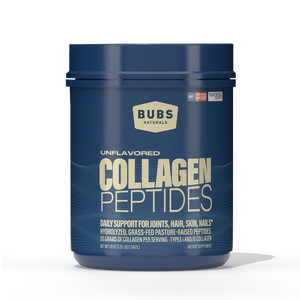
To counter these effects, we must adopt a proactive strategy. This involves both "defense" (protecting what you have) and "offense" (providing the building blocks for new production). When we focus on how to restore collagen in your body, we are essentially looking for ways to revitalize those hardworking fibroblasts. This is where Collagen Peptides come into play. By providing hydrolyzed peptides—collagen that has been broken down into smaller, easily absorbable pieces—we make it easier for the body to access the specific amino acids it needs to stay resilient.
The Role of Amino Acids in Collagen Synthesis
You can’t build a house without bricks, and you can’t build collagen without the right amino acids. While the body can produce some amino acids on its own, others must come from our diet. The specific profile required for collagen is unique. It requires a massive amount of glycine, which makes up about one-third of the collagen molecule.
Glycine is often considered a "conditional" amino acid. While our bodies make it, they often don't make enough to meet the demands of high-intensity training or the needs of aging tissue. Following that, proline and hydroxyproline are essential for the stability of the collagen triple helix. Most modern diets, which lean heavily on muscle meats like chicken breast or steak, are actually quite low in these specific "connective tissue" amino acids.
Historically, humans consumed more of these nutrients by eating "nose-to-tail," utilizing bone broths and organ meats. Since most of us aren't simmering marrow bones for 24 hours every day, supplementation becomes a practical and effective tool. Our Collagen Peptides Collection is designed to provide these exact building blocks in a highly bioavailable form. Because our peptides are grass-fed and pasture-raised, you are getting a clean, consistent source of the protein your body craves to maintain its structural integrity.
Micronutrients: The Spark for the Collagen Engine
Even if you have all the amino acids in the world, collagen synthesis cannot happen without specific cofactors. Think of these as the workers on the assembly line. The most critical worker is Vitamin C. This antioxidant is essential for the enzymes that cross-link collagen fibers, giving them their strength and stability. Without enough Vitamin C, the collagen your body produces will be weak and unstable.
In addition to Vitamin C, minerals like copper and zinc play supporting roles. Copper activates an enzyme called lysyl oxidase, which is required for collagen maturation, while zinc is a vital component for cell turnover and repair. This is why a holistic approach to nutrition is so important. We recommend supporting your daily routine with our Vitamin C capsules, which provide 500 mg of Vitamin C alongside citrus bioflavonoids to support antioxidant activity and collagen formation.
Imagine a typical morning for an adventurer: you start with a brisk walk or a workout, then fuel up. By adding a scoop of collagen to your coffee and taking a Vitamin C boost, you are providing the "bricks" and the "mortar" simultaneously. This synergy is what allows your body to effectively manage the daily stresses of an active life. When you explore the science-backed ingredients in our primary pick, you see that we focus on purity and efficacy, ensuring that every scoop supports your body's natural functions.
Lifestyle Habits That Protect Your Collagen
While nutrition and supplementation are vital, your lifestyle choices act as the foundation. You can supplement all day, but if you are constantly exposing your body to collagen-depleting habits, you’re essentially treading water. To truly support the restoration and maintenance of collagen, you must look at your daily environment.
First and foremost is sun protection. As we mentioned, UV rays are the number one external cause of collagen breakdown. Wearing hats, seeking shade, and using high-quality sunblock during your outdoor adventures are non-negotiable habits. Second is sleep. During deep sleep, the body enters a state of repair, releasing growth hormones that stimulate protein synthesis, including collagen. If you are chronically sleep-deprived, your fibroblasts simply don't have the "downtime" needed to perform their best work.
Stress management is another hidden factor. Chronic stress leads to elevated cortisol levels. High cortisol can actually inhibit the production of collagen and speed up its breakdown. Incorporating movement, mindfulness, or even just a ritualistic morning coffee can help manage these levels. Many in our community enjoy starting their day by mixing our MCT Oil Creamer into their morning brew. The healthy fats from coconut oil provide sustained mental clarity and energy, helping you approach your day with a focused, calm mindset that indirectly supports your body's internal balance.
Hydration and the Extracellular Matrix
Collagen doesn't exist in a vacuum; it lives within the extracellular matrix (ECM), a gel-like substance that surrounds our cells. For collagen to remain flexible and functional, the ECM must be properly hydrated. When you are dehydrated, your tissues become more brittle, and the structural proteins within them can't perform their jobs as effectively.
Hydration is more than just drinking water; it is about maintaining the correct balance of electrolytes to ensure that water actually reaches your cells. For those of us who are frequently sweating through workouts or spending long days in the sun, standard tap water often isn't enough. This is why we developed Hydrate or Die. These performance-focused electrolytes contain no added sugar and are designed to support fast, effective hydration and muscle function.
When your body is properly hydrated, the collagen fibers in your skin and joints can glide over one another with less friction. This not only supports joint comfort during high-impact activities but also contributes to the "plump" appearance of healthy, well-supported skin. By pairing your Collagen Peptides with a dedicated hydration strategy, you are creating an internal environment where your structural proteins can thrive.
Supporting Gut Health for Better Absorption
There is an old saying: "You are what you eat." In reality, you are what you absorb. If your digestive system isn't functioning optimally, you may not be getting the full benefit of the high-quality proteins and nutrients you consume. Collagen itself is quite beneficial for the gut lining, as the amino acids it contains—specifically glycine and glutamine—support the integrity of the intestinal wall.
However, supporting the "environment" of the gut is equally important. A healthy microbiome ensures that your body can efficiently break down proteins into the peptides and amino acids required for collagen synthesis. This is where simple daily habits can make a big difference. Many of our customers use our Apple Cider Vinegar Gummies as a convenient way to support digestive wellness. Made with "the Mother," these gummies are a no-BS way to encourage a healthy digestive environment, ensuring that your body is primed to utilize the Collagen Peptides you’ve added to your routine.
Think of your gut as the gateway to your wellness. When the gateway is clear and functioning well, every other supplement and nutrient you take becomes more effective. It’s all part of the holistic, interconnected approach we champion at BUBS Naturals—one where every piece of the puzzle supports the whole.
Training, Recovery, and the Collagen Connection
If you are an athlete or a weekend warrior, your interest in collagen likely stems from a desire to keep your joints and tendons healthy. Every time you lift weights, go for a run, or hit the mat, you are creating microscopic tears in your tissues. This is a good thing—it’s how we get stronger. But the recovery phase is where the magic happens, and that recovery is heavily dependent on protein synthesis.
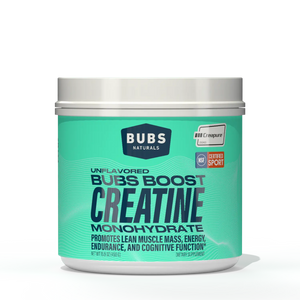
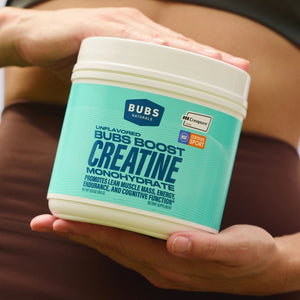
While whey protein is great for building muscle, collagen is uniquely suited for supporting the connective tissues that allow those muscles to function. Research has suggested that consuming collagen peptides shortly before or after exercise can help support joint health and recovery. To take your training to the next level, you might consider stacking your collagen with our Creatine Monohydrate. While creatine supports the energy (ATP) your muscles need for power and strength, collagen supports the "infrastructure" of the joints that bear the load.
A typical post-workout "refuel" for a BUBS athlete might look like this: a shaker bottle filled with water, a scoop of Collagen Peptides, a serving of Creatine Monohydrate, and a packet of Hydrate or Die. This combination addresses muscle power, structural support, and electrolyte replenishment all at once. It’s a clean, effective, and "no-BS" way to ensure your body has everything it needs to bounce back for tomorrow's adventure.
Why Quality and Sourcing Matter for Collagen
Not all collagen is created equal. In a market flooded with options, it’s crucial to know exactly what you are putting into your body. Because collagen is derived from animal sources, the health and environment of those animals directly impact the quality of the final product.
At BUBS Naturals, we prioritize transparency and purity above all else. Our Collagen Peptides are sourced from grass-fed, pasture-raised cattle. This ensures a clean amino acid profile free from unwanted hormones or antibiotics. Furthermore, we go the extra mile by ensuring our products are NSF for Sport certified. This is the gold standard for third-party testing, guaranteeing that what is on the label is exactly what is in the tub, with no banned substances or contaminants.
Our commitment to quality is rooted in our origin story. When we started BUBS, we didn't just want to make supplements; we wanted to create a legacy worthy of Glen Doherty’s name. This means "good enough" is never actually good enough. We test our products for solubility—ensuring they mix effortlessly into any liquid—and for purity, so you can feel confident in your choice. Shop the collection and feel the BUBS difference; you’ll quickly see why our community of athletes and adventurers trusts us to power their journey.
The BUBS "10% Rule": Wellness with a Purpose
One of the most unique aspects of choosing BUBS Naturals is that your health journey directly supports the lives of others. We operate on a foundational "10% Rule": we donate 10% of all profits to veteran-focused charities, including the Glen Doherty Memorial Foundation. This foundation helps special operations veterans and their families transition to civilian life through traditional and vocational scholarships.
When you invest in your own wellness—by learning how to restore collagen in your body and choosing high-quality supplements—you are also investing in the lives of those who have served. This mission gives our work a deeper meaning. Every scoop of Collagen Peptides you use is a small tribute to a life well-lived and a commitment to helping others find their next great adventure.
We believe that wellness is a collective effort. By taking care of ourselves, we are better equipped to take care of our communities. It’s a virtuous cycle of health, purpose, and giving back. When you join the BUBS family, you’re not just a customer; you’re a partner in a mission to do good while feeling great.
Practical Ways to Incorporate Collagen into Your Day
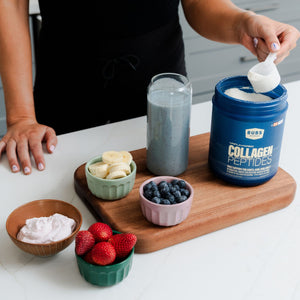
The best supplement is the one you actually take. Consistency is the secret sauce when it comes to supporting collagen synthesis. Fortunately, collagen is incredibly versatile. Because our peptides are unflavored and heat-stable, they can be added to almost anything without changing the taste or texture.
Here are a few ways we like to incorporate it into our daily routines:
-
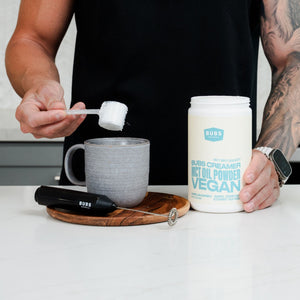
The Morning Kickstart: Stir a scoop into your morning coffee along with our MCT Oil Creamer. The collagen provides the structural support while the MCTs provide the brain fuel.
-
The Smoothie Boost: Add a scoop to your favorite post-workout smoothie. It pairs perfectly with fruit, greens, and even other supplements like Creatine Monohydrate.
-
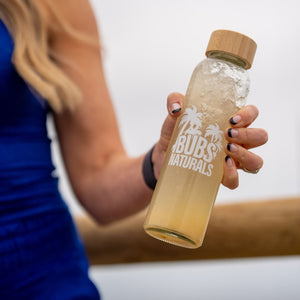
The Hydration Hero: Mix a scoop into your afternoon water bottle along with Hydrate or Die. It’s a great way to stay hydrated and keep those protein levels up during a busy day.
-
The Evening Ritual: If you enjoy a warm cup of herbal tea or even a bowl of soup in the evening, collagen can be stirred right in. It’s an easy way to finish the day with a dose of gut-supporting amino acids.
By making collagen a seamless part of your existing habits, you remove the friction of "remembering" to take it. Whether you prefer the 20 oz tub for home use or our convenient Travel Packs for when you’re on the road, we’ve made it easy to stay consistent. See how our chosen primary product can support your wellness journey by visiting the Collagen Peptides page.
Real-Life Scenarios: Collagen in Action
To illustrate how this all fits together, let’s look at a "day in the life" of a typical BUBS adventurer. Meet Sarah, a 38-year-old trail runner and busy professional. She’s noticed her recovery times aren’t what they used to be, and she wants to be proactive about her joint health.
Her day starts at 6:00 AM with a cup of coffee blended with Butter MCT Oil Creamer and a scoop of Collagen Peptides. This gives her the sustained energy she needs for her morning run without feeling heavy. During her 5-mile trail run, she sips on Hydrate or Die – Lemon to keep her muscles functioning and her tissues hydrated.
After her run, she takes our Vitamin C to ensure her body has the cofactors it needs to process those peptides she had earlier. For lunch, she keeps it simple and gut-friendly, finishing with a couple of Apple Cider Vinegar Gummies. By the time she hits the office, Sarah has already provided her body with the building blocks, the cofactors, and the hydration necessary to support her collagen levels. She isn't just "getting through" her day; she’s thriving in it.
This lifestyle isn't about perfection; it’s about making intentional choices that add up over time. By focusing on simple, clean ingredients, Sarah—and you—can maintain the vitality needed for a lifetime of adventure.
Long-term Benefits of Supporting Collagen
When you commit to a strategy for how to restore collagen in your body, you aren’t just looking for a quick fix. You are playing the long game. The benefits of consistent collagen support ripple through nearly every system in the body. Over months and years, this proactive approach helps maintain the "youthful" function of your joints, keeping them supple and resilient.
Furthermore, the impact on your skin’s barrier function and elasticity can be significant. By providing the structural support from within, you are helping your skin remain more hydrated and resistant to environmental stressors. This internal "skincare" is often more effective than topical creams that cannot penetrate deep into the dermis where collagen is actually formed.
Perhaps most importantly, a collagen-rich lifestyle supports overall mobility. As we age, the fear of "slowing down" often stems from the wear and tear on our connective tissues. By supporting these tissues now, you are effectively buying yourself more years of active exploration. Whether your goal is to keep running marathons into your 60s or simply to play with your grandkids without discomfort, the work you do today to support your body's "glue" will pay dividends for decades.
Summary of the BUBS Approach
In summary, supporting your body’s collagen levels requires a multi-faceted approach. You must provide the necessary amino acids through a clean, bioavailable source like Collagen Peptides. You must ensure your "assembly line" has the right tools, including Vitamin C and essential minerals. You must protect your existing stores by managing UV exposure, sleep, and stress. And finally, you must keep the entire system hydrated and functioning smoothly with help from electrolytes and gut-supportive habits.
At BUBS Naturals, we are here to provide the tools for this journey. Our products are born out of a desire for simplicity and efficacy—no fillers, no BS, just clean ingredients that work. When you choose BUBS, you are choosing a brand that values adventure, quality, and the legacy of a hero. We invite you to experience the difference for yourself and join us in a life of purpose.
Restoring and maintaining collagen is a journey of consistency. It’s about the small, daily wins that culminate in a body that is ready for whatever adventure comes next. Take that first step today—whether it's adding a scoop of peptides to your drink or prioritizing that extra hour of sleep—and feel the difference that a well-supported body can make.
Conclusion
Understanding how to restore collagen in your body is a fundamental skill for anyone committed to long-term wellness and adventure. We have explored how collagen serves as the essential scaffolding of the human frame, why its natural decline requires a proactive response, and how the synergy of nutrition, lifestyle, and high-quality supplementation can make a profound difference. From the amino acid building blocks to the critical role of Vitamin C and hydration, the pieces of the puzzle are clear.
By integrating these habits into your daily life, you are doing more than just supporting your skin or joints; you are honoring the physical vehicle that allows you to experience the world. At BUBS Naturals, we are honored to be a part of that process. Our commitment to clean, third-party-tested supplements like our Collagen Peptides ensures that you are fueling your body with the best possible ingredients while also giving back to those who have served.
Now it’s your turn to take action. Reflect on your current routine: are you providing your body with the "bricks and mortar" it needs? Are you protecting your structural integrity from environmental stress? The path to a more resilient, vibrant version of yourself starts with a single choice. We encourage you to shop the collection and feel the BUBS difference today. Let’s keep moving, keep exploring, and keep the legacy of adventure alive.
FAQ
Can I get enough collagen from food alone without using supplements?
While it is possible to obtain collagen-building amino acids from foods like bone broth, organ meats, and gelatinous cuts of meat, the modern diet typically lacks sufficient quantities of glycine and proline. Supplementing with hydrolyzed Collagen Peptides provides a concentrated, highly bioavailable source of these specific amino acids, making it a much more convenient and consistent way to support your body's natural production.
How long does it typically take to see the benefits of collagen supplementation?
Consistency is key when supporting collagen synthesis. While individual results vary based on lifestyle and baseline health, many people begin to notice improvements in skin hydration and joint comfort after 4 to 8 weeks of daily use. For structural benefits related to hair, nails, and deeper connective tissues, it often takes 3 to 6 months of consistent use to see the full impact of a well-supported internal environment.
Do I need to take Vitamin C at the same time as my collagen?
Vitamin C is an essential cofactor for the enzymes that stabilize and cross-link collagen fibers. While you don't necessarily have to take them at the exact same moment, having adequate Vitamin C levels in your system throughout the day is crucial for your body to effectively use the amino acids from collagen. Adding our Vitamin C to your daily supplement stack is an excellent way to ensure your collagen-building "engine" has the spark it needs.
Is there a specific time of day that is best for taking collagen?
The "best" time is whenever you can be most consistent. Many people prefer the morning, mixing Collagen Peptides into their coffee with MCT Oil Creamer to start the day with a protein boost. Others find that taking it post-workout or even before bed (to support nighttime repair processes) works best for their schedule. The most important factor is making it a non-negotiable part of your daily ritual.