Table of Contents
- Introduction
- The Foundation of Collagen Synthesis
- The Step-by-Step Process of Collagen Production
- Nutrients Required for Collagen Production
- Why Collagen Production Declines
- How Supplementation Supports the Process
- Lifestyle Habits to Protect Your Collagen
- The Role of Other Supplements in the Matrix
- Summary of the Collagen Journey
- Conclusion
- FAQ
Introduction
Your body is constantly rebuilding itself. Whether you are recovering from a heavy rucking session or simply maintaining your daily mobility, a massive biological project is happening beneath the surface. At the center of this project is collagen, the primary structural protein that holds your joints, skin, and connective tissues together. Understanding how this protein is built helps you make better choices for your long-term health and performance.
At BUBS Naturals, we believe that wellness should be grounded in science and simplicity. Collagen is not just a supplement; it is a fundamental component of your physical architecture. This article explores the intricate steps your body takes to manufacture this protein and how you can support that natural process through nutrition and lifestyle.
By the end of this guide, you will understand the specific nutrients, cellular processes, and environmental factors that dictate how your body creates and maintains its collagen supply.
Quick Answer: Your body makes collagen by combining amino acids—primarily glycine, proline, and hydroxyproline—using Vitamin C as a critical catalyst. This process happens within specialized cells called fibroblasts, which assemble these proteins into a triple-helix structure that provides strength and elasticity to your tissues.
The Foundation of Collagen Synthesis
Collagen is the most abundant protein in the human body. It accounts for roughly one-third of your total protein composition. It acts as the "glue" that provides structure to your bones, skin, tendons, and ligaments. However, your body does not just absorb collagen whole from the food you eat and move it directly to your joints.
Instead, your body breaks down dietary protein into smaller components and then uses those components to build its own collagen from scratch. This is a complex, multi-stage process known as collagen synthesis. It requires a specific set of raw materials and a healthy cellular environment to function efficiently.
The Role of Amino Acids
The first step in making collagen is gathering the right building blocks. These building blocks are amino acids, which are the organic compounds that combine to form proteins. While there are twenty different amino acids, collagen is unique because it relies heavily on three specific ones.
Glycine is the smallest amino acid and makes up about one-third of the collagen molecule. Its small size allows the collagen strands to pack tightly together. Proline and its derivative, hydroxyproline, make up another large portion of the structure. These amino acids provide the stability and "twist" necessary for collagen to form its signature shape.
Fibroblasts: The Body’s Manufacturers
The actual construction of collagen happens within specialized cells called fibroblasts. These cells are located throughout your connective tissue. Think of fibroblasts as the foremen on a construction site. They are responsible for taking the raw materials (amino acids) and assembling them into the structural fibers your body needs.
While fibroblasts are the primary producers in skin and tendons, other cells like osteoblasts produce collagen in your bones. Regardless of the cell type, the chemical process remains largely the same. The body must follow a specific genetic blueprint to ensure the collagen is strong and functional.
The Step-by-Step Process of Collagen Production
The production of collagen is an "assembly line" process that moves from the inside of the cell to the outside. It is divided into several distinct phases.
Phase 1: Creating the Pro-alpha Chains
The process begins inside the cell’s nucleus, where your DNA provides the instructions for building collagen. The cell uses these instructions to link amino acids together into long chains called pro-alpha chains. At this stage, the protein is still in its infancy and does not yet have the strength of a finished fiber.
Phase 2: Hydroxylation and Vitamin C
Once the chains are formed, they undergo a process called hydroxylation. This is where two specific amino acids, proline and lysine, are modified. This step is critical because it allows the chains to eventually bond together.
This is where Vitamin C (ascorbic acid) enters the picture. Vitamin C acts as a cofactor, which is a helper molecule that allows enzymes to do their jobs. Without enough Vitamin C, the enzymes responsible for hydroxylation cannot function. This is why a Vitamin C deficiency leads to weakened tissues; the body simply cannot "glue" the collagen strands together properly.
Phase 3: The Triple Helix Formation
After hydroxylation, three of these modified chains wrap around each other to form a triple helix. This structure is often compared to a three-strand rope. This rope-like shape is what gives collagen its incredible tensile strength. At this stage, the molecule is called procollagen.
Phase 4: Secretion and Cleavage
The procollagen molecule is then packaged and shipped out of the fibroblast cell into the surrounding space, known as the extracellular matrix. Once outside the cell, specialized enzymes snip off the ends of the procollagen molecule. This "cleavage" converts procollagen into tropocollagen.
Phase 5: Fibril Assembly and Cross-Linking
The final step involves individual tropocollagen molecules bunching together to form long, thin structures called collagen fibrils. These fibrils then align and bond with one another through a process called cross-linking. This creates the large, tough collagen fibers that make up your tendons and skin.
Key Takeaway: Collagen production is a multi-step biological process that starts with amino acids and relies heavily on Vitamin C to stabilize its structure. The transformation from individual amino acids to a tough, cross-linked fiber happens both inside and outside specialized cells.
Nutrients Required for Collagen Production
Your body cannot create collagen in a vacuum. It requires a consistent supply of specific nutrients to keep the assembly line moving. If any of these "ingredients" are missing, the production speed slows down or the quality of the collagen suffers.
| Nutrient |
Role in Collagen Synthesis |
Common Food Sources |
| Glycine |
Primary building block; provides structural stability. |
Bone broth, gelatin, chicken skin, legumes. |
| Proline |
Helps the collagen helix stay tight and strong. |
Egg whites, dairy, mushrooms, asparagus. |
| Vitamin C |
The essential cofactor for stabilizing collagen strands. |
Citrus, bell peppers, strawberries, broccoli. |
| Copper |
Activates the enzyme that cross-links collagen fibers. |
Organ meats, cocoa, sesame seeds, cashews. |
| Zinc |
Acts as a cofactor for collagen remodeling and repair. |
Red meat, shellfish, pumpkin seeds, chickpeas. |
Vitamin C is perhaps the most famous supporter of this process. It is so essential that we include it as a standalone supplement in our lineup. Our Vitamin C provides 500 mg alongside citrus bioflavonoids to support antioxidant activity and collagen formation.
Copper is another unsung hero. It helps activate an enzyme called lysyl oxidase. This enzyme is responsible for the final "cross-linking" step mentioned earlier. Without copper, your collagen fibers would lack the structural integrity needed to withstand physical stress.
Why Collagen Production Declines
While your body is excellent at making collagen during your youth, this efficiency does not last forever. Several factors contribute to a decline in both the quantity and quality of the collagen your body produces.
The Impact of Aging
Starting in your mid-20s, your body’s natural collagen production begins to decrease. Many experts estimate that we lose about 1% of our collagen every year after age 25. For women, this decline can accelerate significantly during and after menopause.
As production slows, the fibroblasts—those "foremen" cells—become less active. The collagen that is produced may be less organized and more prone to breaking down. This results in the common signs of aging, such as thinner skin, stiffer joints, and longer recovery times after exercise.
Environmental Stressors
Age isn't the only factor. Your environment and lifestyle choices play a massive role in how quickly your collagen breaks down.
-
UV Radiation: Excessive sun exposure causes "photoaging." UV rays damage collagen fibers in the skin and lead to the accumulation of abnormal elastin, which impairs the body's ability to rebuild the collagen matrix.
-
High Sugar Intake: When you eat too much refined sugar, it can lead to a process called glycation. Sugar molecules attach to proteins in the blood, creating harmful molecules called Advanced Glycation End-products (AGEs). These AGEs make collagen brittle and weak.
-
Smoking: Tobacco smoke contains chemicals that damage both collagen and elastin. It also constricts blood vessels, reducing the delivery of oxygen and nutrients (like Vitamin C and amino acids) to the cells that make collagen.
-
Chronic Inflammation: Constant high levels of stress or poor diet can lead to inflammation. This creates an environment where enzymes called matrix metalloproteinases (MMPs) break down collagen faster than the body can replace it.
Myth: You can only get collagen from eating collagen.
Fact: Your body can manufacture collagen from any complete protein source, such as meat, eggs, or beans. However, supplementing with specific collagen peptides provides the exact amino acid ratio (high in glycine and proline) that the body needs, which may make the process more efficient.
How Supplementation Supports the Process
If the body can make its own collagen, you might wonder why supplementation is so popular. The answer lies in bioavailability and the specific "amino acid profile" required for synthesis.
The Benefits of Hydrolyzed Collagen
In its natural state, collagen is a very large, tough molecule. If you were to eat a piece of raw animal hide, your body would have a very hard time breaking it down. This is where hydrolyzed collagen comes in.
Hydrolysis is a process where water is used to break down large collagen fibers into smaller chains called peptides. These peptides are much easier for your digestive system to absorb. When you consume hydrolyzed collagen, it enters your bloodstream as small peptides and free amino acids.
Research suggests that these peptides do two things. First, they provide the "raw materials" (glycine, proline, and hydroxyproline). Second, they may act as a signal to your fibroblasts. When these cells detect a high concentration of collagen peptides, they are essentially "tricked" into thinking that collagen breakdown is occurring, which may stimulate them to produce more of the body’s own natural collagen.
Choosing a Clean Source
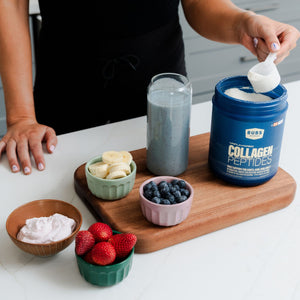
Because your body uses these supplements as building blocks for your tissues, the quality of the source matters. We focus on providing Collagen Peptides that are grass-fed and pasture-raised. Our formula is single-ingredient and contains both Type I and Type III collagen.
-
Type I: The most common type, found in skin, tendons, and bone.
-
Type III: Found in muscles, arteries, and internal organs.
Using a clean, hydrolyzed source ensures that your body spends less energy on digestion and more energy on the actual assembly line of repair and recovery.
Lifestyle Habits to Protect Your Collagen
Supporting collagen production isn't just about what you put in your body; it's also about protecting what you already have. You can think of this as "collagen conservation."
Prioritize Sleep and Recovery
The majority of tissue repair happens while you sleep. During deep sleep, your body releases growth hormones that stimulate fibroblasts to increase collagen synthesis. If you are constantly sleep-deprived, you are denying your body the prime "construction hours" it needs to fix the wear and tear from your daily life.
Manage Your Sun Exposure
You don't need to avoid the sun entirely—Vitamin D is vital—but protecting your skin from prolonged, unprotected UV exposure is the best way to prevent collagen degradation. Wear a hat during long outdoor adventures and use a clean sunscreen to shield the collagen fibers in your dermis.
Stay Hydrated
Collagen fibers rely on hydration to maintain their elasticity and resilience. When you are dehydrated, your connective tissues can become more brittle. We developed Hydrate or Die electrolytes specifically to support fast hydration and muscle function. Keeping your cells hydrated ensures the extracellular matrix remains a healthy environment for collagen fibers to thrive.
Note: Proper hydration isn't just about water. You need a balance of electrolytes like sodium, potassium, and magnesium to ensure that water actually reaches your cells and supports the structural proteins within them.
The Role of Other Supplements in the Matrix
While amino acids and Vitamin C are the stars of the show, other nutrients play supporting roles in the wider "health matrix" that allows collagen to function.
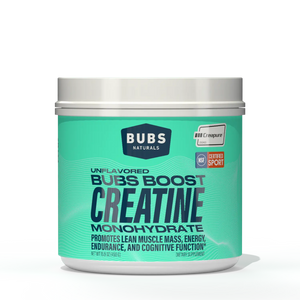
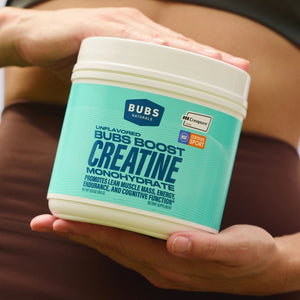
Creatine Monohydrate is often associated with muscle power and strength. While it doesn't build collagen directly, it supports the cellular energy (ATP) required for all protein synthesis. A body that is well-fueled and capable of training harder will naturally signal for more structural reinforcement (collagen) in the joints and tendons.
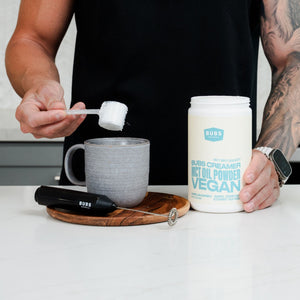
MCT Oil Creamer provides a clean source of fats that can support mental clarity and sustained energy. Maintaining a steady energy level helps you stick to a consistent exercise routine. Consistent, weight-bearing exercise is one of the best ways to signal to your body that it needs to keep its collagen structures strong.
Summary of the Collagen Journey
To recap, the journey of collagen in your body looks like this:
-
Ingestion: You consume protein or collagen peptides.
-
Digestion: Your body breaks these down into amino acids and peptides.
-
Absorption: These building blocks enter the bloodstream.
-
Cellular Uptake: Fibroblasts take in the amino acids.
-
Construction: Using Vitamin C, cells create a triple helix (procollagen).
-
Extracellular Assembly: Procollagen is moved outside the cell and trimmed.
-
Reinforcement: Copper-dependent enzymes cross-link the fibers for strength.
This process is a continuous loop. Your body is always breaking down old, damaged collagen and replacing it with new, strong fibers. Your job is to ensure the supply of raw materials never runs dry.
Bottom line: Collagen is manufactured by specialized cells that weave amino acids into a strong triple-helix structure, a process that requires Vitamin C as a catalyst and specific minerals for final assembly.
Conclusion
Understanding how collagen is made in the body reveals that your health is a result of both biology and consistency. You cannot stop the natural decline that comes with aging, but you can certainly provide your body with the tools it needs to maintain a strong foundation. By focusing on high-quality amino acids, essential vitamins like C, and protective lifestyle habits, you support the internal assembly line that keeps you moving.
At BUBS Naturals, our mission is to provide those tools through clean, science-backed supplements that fit into your daily life. Whether you are adding a scoop of collagen to your morning coffee or staying hydrated during a workout, you are participating in the vital work of physical maintenance and recovery.
We are also driven by a deeper purpose. We believe in giving back by donating 10% of all our profits to veteran-focused charities in honor of Glen "BUB" Doherty. When you choose to support your own wellness, you are also supporting a larger mission of service and legacy.
Stay active, stay fueled, and keep building.
FAQ
Can I make collagen without Vitamin C?
No, your body cannot successfully complete collagen synthesis without Vitamin C. Vitamin C acts as a necessary cofactor for the enzymes that stabilize and "glue" the collagen strands together. Without it, the collagen fibers will be weak, leading to issues with skin, joints, and blood vessels.
Does eating collagen directly improve my body's collagen levels?
When you eat collagen, your body breaks it down into amino acids and smaller peptides during digestion. While it doesn't "teleport" directly to your skin or joints, providing the body with a high concentration of the specific amino acids found in collagen (glycine and proline) makes the synthesis process much more efficient.
How long does it take for the body to build new collagen?
Collagen synthesis is a relatively slow process compared to other types of protein repair. While some cellular changes happen quickly, it typically takes consistent nutritional support for 4 to 12 weeks to notice a difference in skin elasticity, joint comfort, or hair and nail strength.
Can men benefit from collagen as much as women?
Absolutely, collagen is a foundational protein for everyone regardless of gender. While women often focus on the skin and hair benefits, men heavily benefit from the support collagen provides to tendons, ligaments, and joint recovery, especially if they are involved in high-impact sports or heavy lifting.