Table of Contents
- Introduction
- Sourcing the Raw Material
- The Cleaning and Preparation Phase
- Extraction Through Temperature Control
- The Science of Hydrolysis
- Filtration and Purification
- Evaporation and Concentration
- Spray Drying Into Powder
- Third-Party Testing and Certification
- Why the Manufacturing Process Matters for Your Health
- Environmental and Ethical Considerations
- The BUBS Naturals Difference
- Conclusion
- FAQ
Introduction
When you add a scoop of powder to your morning coffee or post-workout shake, you probably don't think much about the manufacturing journey that brought it there. You just want it to work. However, understanding how bovine collagen is made is a crucial part of knowing exactly what you are putting into your body. Transparency in the supplement world is rare, but we believe you deserve to know the process behind the products you trust.
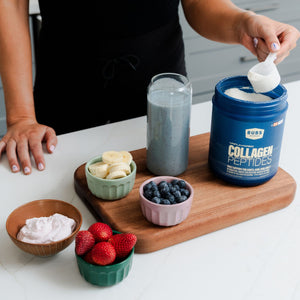
At BUBS Naturals, we focus on sourcing and processing that respects both the animal and the person using the final product. The process of turning cattle hides into a highly bioavailable powder is a blend of traditional sourcing and modern science. It involves careful extraction, enzymatic breakdown, and rigorous testing to ensure purity. If you want to see the finished form, our Collagen Peptides are built around that process.
In this guide, we will walk through the entire lifecycle of bovine collagen, from the initial sourcing to the final third-party testing. You will learn why certain methods produce better results for your joints, skin, and recovery. By the end, you will understand how raw materials become the clean, easy-mixing peptides you use every day.
Quick Answer: Bovine collagen is made by extracting collagen proteins from cattle hides through a process of soaking and heating. These proteins then undergo hydrolysis, where enzymes break long protein chains into smaller "peptides" that the body can easily absorb.
Sourcing the Raw Material
The journey begins long before a factory gets involved. The quality of any bovine collagen product is directly tied to the health and lifestyle of the cattle it comes from. Most bovine collagen is derived from the hides of cows, which are a rich source of Type I and Type III collagen. These specific types are the most abundant in the human body and are essential for maintaining the structural integrity of your skin, bones, and connective tissues.
We prioritize cattle that are grass-fed and pasture-raised. This isn't just a marketing term; it impacts the nutrient profile of the raw material. Cattle that spend their lives grazing on open pastures generally have a lower risk of exposure to the hormones and antibiotics often found in grain-fed, factory-farmed environments. When the source is clean, the resulting collagen is cleaner.
Most high-quality bovine collagen is sourced from regions like Brazil or Uruguay. These areas have vast grasslands that allow cattle to roam and graze naturally year-round. This outdoor lifestyle leads to healthier hides, which in turn provides a more consistent and high-quality collagen yield. By using the hides—a part of the animal that would otherwise go to waste—the process also supports a more sustainable, "nose-to-tail" approach to agriculture.
The Cleaning and Preparation Phase
Once the hides are collected, they undergo a rigorous cleaning process. This is the first step in ensuring the final powder is tasteless and odorless. The hides are thoroughly washed with water to remove any hair, salt, or debris. This initial cleaning is vital because any impurities left behind could affect the purity of the collagen later in the process.
After cleaning, the hides are soaked in either an alkaline or acidic solution. This helps to loosen the molecular bonds of the collagen within the hide. Think of this like prepping a tough piece of meat before cooking it. By soaking the material, the collagen becomes easier to extract without using excessive heat, which can damage the delicate protein structures.
This soaking phase can take several hours or even days, depending on the specific method used. The goal is to reach a state where the collagen can be "released" from the connective tissue. During this time, the pH levels are carefully monitored. If the environment is too harsh, the protein quality drops. If it is too mild, the extraction is inefficient. Balance is key to maintaining the integrity of the protein.
Extraction Through Temperature Control
After the hides are prepped and softened, they move into the extraction phase. This is where the raw collagen is actually pulled from the hide. The hides are placed in large stainless steel tanks filled with purified water. The water is heated to a specific temperature that allows the collagen to dissolve into the liquid.
It is important to note that this is not a high-heat "boiling" process. Excessive heat can denature the protein, essentially cooking it until it loses its beneficial properties. Instead, a controlled, low-temperature extraction is used to preserve the amino acid profile. As the collagen dissolves, it forms a gelatinous liquid.
At this stage, the material is technically gelatin. While gelatin has its own benefits, it doesn't dissolve well in cold liquids and can be harder for the body to digest in large amounts. To turn this gelatin into the "collagen peptides" you see on supplement shelves, one more critical scientific step is required.
The Science of Hydrolysis
Hydrolysis is the most important part of the manufacturing process. This is the step that turns heavy gelatin into "hydrolyzed collagen" or "collagen peptides." In plain English, hydrolysis is the process of using water and enzymes to break down long, complex protein chains into much smaller pieces.
Collagen in its raw form is a massive molecule. If you were to consume it without hydrolysis, your digestive system would have to work extremely hard to break it down, and you likely wouldn't absorb much of it. By introducing specific enzymes—which act like molecular scissors—the manufacturer cuts these long chains into short-chain amino acids called peptides.
These peptides have a very low molecular weight. This is why high-quality collagen powder dissolves instantly in your coffee without clumping. More importantly, it is why the protein is so "bioavailable." Bioavailability refers to how easily your body can absorb and use a nutrient. Because the peptides are already broken down, they can pass through the digestive wall and get to work supporting your joints and skin much faster than regular protein.
Key Takeaway: Hydrolysis is a mechanical and enzymatic process that pre-digests the collagen. It breaks long protein chains into short peptides, making the final powder highly soluble and easy for your body to absorb.
Filtration and Purification
Once the collagen has been hydrolyzed, the liquid must be purified. Even after extraction and enzymatic breakdown, the liquid may contain leftover fats, minerals, or carbohydrates that aren't wanted in the final product. A series of advanced filtration steps are used to "polish" the liquid.
Manufacturers often use carbon filtration and ion exchange to remove any remaining odors, colors, or flavors. This is why premium collagen is virtually tasteless. If you have ever tried a collagen powder that tasted "funky" or like bone broth, it likely didn't go through a thorough enough filtration process.
The liquid is also passed through ultra-fine filters to ensure that only the smallest, most beneficial peptides remain. This stage is where the "no BS" philosophy is put to the test. A clean process ensures that the final product is pure protein, with no fillers or unwanted byproducts.
Evaporation and Concentration
The purified liquid is now full of high-quality collagen peptides, but it is still mostly water. To get it closer to a powder form, the liquid must be concentrated. This happens in an evaporator, which gently removes the water content without damaging the proteins.
As the water evaporates, the liquid becomes a thick, concentrated collagen syrup. This syrup is easier to manage and prepare for the final drying stage. Throughout this phase, temperature control remains the priority. Modern equipment allows for evaporation at lower temperatures under a vacuum, which protects the nutritional value of the amino acids.
By the end of this stage, the collagen is highly concentrated and ready to be turned into the fine, white powder you recognize. The consistency of the liquid at this point determines how the final powder will look and feel when you mix it into a drink.
Spray Drying Into Powder
The final transition from liquid to powder happens in a "spray dryer." This is a massive piece of equipment that looks like a giant silo. The concentrated collagen liquid is sprayed through a nozzle into a chamber of hot air.
As the tiny droplets of liquid fall through the air, the remaining moisture evaporates almost instantly. By the time the droplets hit the bottom of the chamber, they have turned into fine, dry granules. This method is preferred because it is fast and minimizes the protein's exposure to heat.
The result is a consistent, free-flowing powder. Unlike other drying methods that can leave the product clumpy or uneven, spray drying creates a powder that has a uniform particle size. This uniformity is what allows our Collagen Peptides to mix effortlessly into cold or hot liquids. At BUBS Naturals, we ensure this powder is handled in a clean, temperature-controlled environment to prevent any moisture from getting back in before it is packaged.
Myth: Collagen powder is just ground-up animal bones.
Fact: High-quality bovine collagen is actually made from hides. The process involves a sophisticated extraction and hydrolysis method that turns protein into bioavailable peptides, rather than simply grinding up hard materials.
Third-Party Testing and Certification
The manufacturing process is not truly finished until the product has been tested. In the supplement industry, not all products are what they claim to be. This is why third-party testing is a non-negotiable step for any brand that values trust and performance.
Once the powder is dry, it is tested for purity and potency. This includes checking for heavy metals, mold, bacteria, and other contaminants. For those who are competitive athletes or in the military, the stakes are even higher. You need to know that what you are taking is safe and free of banned substances. Our NSF Certified & Whole30 Approved collagen quality guide explains that process in more detail.
We take this a step further by ensuring our products are NSF for Sport certified. This is one of the most rigorous certifications in the world. It means the product has been tested to ensure it contains exactly what is on the label and nothing else. When a product is made with this level of oversight, you can feel confident using it every single day.
Why the Manufacturing Process Matters for Your Health
You might wonder if the way collagen is made actually changes how you feel. The answer is a definitive yes. The manufacturing process directly affects the three most important factors of a supplement: solubility, taste, and absorption.
If the hydrolysis process is skipped or done poorly, your body won't be able to utilize the amino acids effectively. You might experience bloating or digestive discomfort. If the filtration is rushed, the powder will taste unpleasant, making it harder to stick to a daily routine. Consistency is the most important part of any wellness habit, and a product that is easy to use makes that consistency possible.
Furthermore, the amino acids found in bovine collagen—specifically glycine, proline, and hydroxyproline—are essential for collagen synthesis in your own body. Because the bovine manufacturing process mimics how these proteins are structured in humans, your body recognizes them and can put them to work repairing joint tissue, strengthening hair and nails, and supporting your gut lining.
If you want a deeper look at how that translates into training and recovery, read our collagen recovery guide.
Bottom line: The journey from hide to powder involves sourcing, extraction, hydrolysis, and drying. Each step must be handled with precision to ensure the final product is bioavailable, pure, and effective.
Environmental and Ethical Considerations
How bovine collagen is made also tells a story about the impact on the planet. When we use cattle hides, we are participating in a circular economy. The hides are a byproduct of the food industry. If they weren't used to create collagen, they would often end up in a landfill.
By upcycling these materials into a health-promoting supplement, the industry reduces waste. When that sourcing comes from grass-fed, pasture-raised cattle, it also supports agricultural practices that are better for the soil and the environment. Regenerative grazing can help sequester carbon and maintain healthy ecosystems, which is a core value for those of us who live an active, outdoor lifestyle.
We believe that the products you use should reflect your values. A clean manufacturing process isn't just about what is in the jar; it's about the entire footprint left behind. Choosing a brand that prioritizes clean sourcing and ethical processing is a way to vote for a better food system.
The BUBS Naturals Difference
Our approach to making collagen is rooted in the legacy of Glen "BUB" Doherty. He lived a life of adventure, service, and high standards. We apply those same high standards to every step of our manufacturing process. We don't take shortcuts because we know our community relies on these products to fuel their most demanding days. Learn more in our story.
From sourcing the highest quality grass-fed hides to ensuring every batch is NSF for Sport certified, we are committed to excellence. Our Collagen Peptides are designed to be a "one scoop, feel the difference" addition to your life. We make sure the powder is unflavored and dissolves easily so it never gets in the way of your routine.
When you choose us, you aren't just getting a supplement. You are supporting a mission. We donate 10% of all profits to veteran-focused charities in BUB’s honor. This purpose drives us to ensure that how our collagen is made is as impactful as the results it provides.
Conclusion
Understanding how bovine collagen is made reveals the difference between a generic supplement and a high-performance tool. It starts with the life of the animal on the pasture and ends with a scientifically-backed powder that supports your body’s most vital structures. By focusing on grass-fed sourcing, precise hydrolysis, and rigorous third-party testing, we ensure that every scoop helps you move better and recover faster.
The process is complex, but the goal is simple: to provide a clean, effective product that honors a legacy of service and adventure. Whether you are hitting the trail, the gym, or the office, the right collagen can be the foundation of your daily wellness.
- Sourcing: Always look for grass-fed, pasture-raised bovine hides.
- Process: Ensure the product is hydrolyzed for maximum absorption.
- Purity: Check for third-party testing and NSF for Sport certification.
- Purpose: Choose a brand that gives back to a cause you believe in.
"The best way to honor a legacy is to live a life full of purpose and health."
Take the next step in your recovery and joint health by choosing a collagen made with integrity and backed by science. For a broader look at the product itself, start with Collagen Peptides.
FAQ
Is bovine collagen made from the whole cow?
No, high-quality bovine collagen is primarily made from the hides of the cattle. The hides are a rich source of Type I and Type III collagen, which are the most beneficial for human skin, joints, and bones. This process also serves as a sustainable way to use parts of the animal that would otherwise be wasted.
What is the difference between bovine collagen and bone broth?
While both contain collagen, the manufacturing process is different. Bone broth is made by simmering bones and connective tissue for long periods to extract gelatin. Bovine collagen peptides undergo an additional step called hydrolysis, which breaks the protein into smaller pieces that are easier for your body to absorb and dissolve instantly in cold liquids. If you want to compare that with other performance supplements, our MCT Oil Creamer is another easy-mix option.
Are chemicals used to make bovine collagen?
Reputable manufacturers use water, heat, and natural enzymes to extract and break down the collagen. While hides may be soaked in an alkaline or acidic solution to prep them, these are thoroughly washed away during the purification and filtration stages. The final product is a pure protein powder with no chemical residue.
How do I know if my collagen was made ethically?
Look for certifications such as "Grass-Fed" and "Pasture-Raised," which indicate the cattle were raised in a natural environment. Additionally, check for third-party testing like NSF for Sport. Transparency about the 10% Rule, like we practice, also ensures that your purchase supports meaningful causes like veteran charities. If hydration is part of your routine, pair it with Hydrate or Die on training days.
How can I support strength and performance alongside collagen?
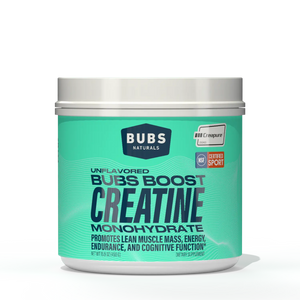
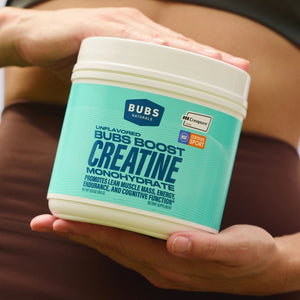
A clean routine often includes more than one supplement. For athletes looking to round out their stack, Creatine Monohydrate can be a useful next step for performance and recovery.
What should I look for in a supplement brand?
Start with sourcing, then check testing, and finally look at purpose. A brand like BUBS Naturals pairs product quality with a bigger mission, and the BUBS story shows how that philosophy runs through the whole company.