Table of Contents
- Introduction
- The Scaffolding of Life: What is Collagen?
- Visual Cues: Your Skin, Hair, and Nails
- Physical Cues: Joints, Tendons, and Recovery
- The Role of Lifestyle Factors in Collagen Depletion
- How to Support Your Body’s Natural Collagen Production
- Integrating Collagen into an Active Lifestyle
- The BUBS Difference: Quality, Testing, and Purpose
- Listening to Your Body for Long-Term Health
- Summary: Your Path Forward
- FAQ
Introduction
Did you know that starting in your early twenties, your body’s natural collagen production begins to drop by about 1% to 1.5% every single year? It sounds like a small number, but by the time you celebrate your 40th or 50th birthday, that structural "glue" that keeps your skin firm, your joints moving smoothly, and your hair looking vibrant has significantly depleted. We often don't notice the change day-to-day, but eventually, the mirror and the way our bodies feel after a long hike or an intense workout start to tell a different story. Collagen isn't just a beauty trend; it is the most abundant protein in the human body, serving as the essential scaffolding for our connective tissues.
At BUBS Naturals, we are driven by the legacy of Glen “BUB” Doherty—a man who lived for adventure, high-performance, and helping others. We believe that to live a life full of movement and purpose, you have to provide your body with the clean, functional fuel it needs to maintain itself. This blog post is designed to help you navigate the subtle and not-so-subtle cues your body sends when its collagen stores are running low. We will explore the biological role of collagen, the lifestyle factors that accelerate its decline, and the specific signs that indicate it’s time to start replenishing your levels.
By the end of this article, you will have a comprehensive understanding of how to listen to your body’s needs and how to integrate high-quality, science-backed solutions like our Collagen Peptides into your daily routine. We’ll cover everything from skin elasticity and joint health to the importance of co-factors like Vitamin C and proper hydration. Whether you’re an elite athlete or someone looking to maintain their vitality as they age, understanding the signals of collagen depletion is the first step toward a stronger, more resilient you.
The Scaffolding of Life: What is Collagen?
To understand if your body needs more collagen, we first need to define what it actually does. Think of collagen as the "glue" that holds everything together. The word itself comes from the Greek word "kólla," which literally means glue. In our bodies, collagen is a structural protein that forms a dense network of fibers. It provides strength and framework to our skin, bones, muscles, tendons, ligaments, and even our blood vessels and digestive lining.
There are at least 16 types of collagen, but about 80% to 90% of the collagen in the body consists of Types I, II, and III. Type I is incredibly strong—gram for gram, it’s stronger than steel—and is found primarily in the skin, bones, and connective tissues. Type III is often found alongside Type I and supports the structure of muscles and organs. Because our Collagen Peptides are sourced from grass-fed, pasture-raised bovine hide, they are rich in both Type I and Type III collagen, making them a versatile choice for supporting overall structural health.
When we are young, our bodies are collagen-producing machines. This is why children have such "bouncy" skin and why they seem to bounce back from injuries so quickly. As we age, the fibroblasts—the cells responsible for producing collagen—become less active. The collagen matrix becomes more fragmented and less dense. This biological shift is inevitable, but its pace is heavily influenced by our environment and lifestyle choices. Knowing how to identify the shift from "abundant" to "depleted" is essential for proactive wellness.
Visual Cues: Your Skin, Hair, and Nails
The most obvious place to look for signs of collagen decline is the mirror. Since collagen makes up about 75% of the dry weight of your skin, it is the primary factor in how youthful and "plump" your complexion appears. When collagen levels drop, the skin loses its ability to retain moisture and structural integrity.
The Loss of Elasticity and the Snap Test
One of the simplest ways to check your skin's collagen health is the "snap test." Gently pinch the skin on the back of your hand and hold it for a few seconds, then let go. In a collagen-rich body, the skin should snap back into place instantly. If it takes a second or two to flatten out, it may be a sign that your elastin and collagen fibers are weakening. This loss of elasticity often manifests as sagging around the jawline, neck, and under the eyes.
Fine Lines and Changing Texture
Wrinkles are a natural part of aging, but a sudden increase in fine lines or a change in skin texture can indicate that your body is struggling to keep up with collagen demand. Without enough collagen, the dermis (the middle layer of skin) thins out, allowing the surface to fold and crease more easily. You might also notice that your skin feels drier or more "papery" than it used to. While topical creams can help hydrate the surface, true support comes from within. Supplementing with our Collagen Peptides Collection provides the amino acids—specifically glycine, proline, and hydroxyproline—that your body needs to support its own collagen synthesis.
Brittle Nails and Thinning Hair
Collagen also plays a role in the health of your hair follicles and nail beds. If you notice that your nails are suddenly peeling, breaking, or growing much slower than usual, it could be a sign of protein deficiency. Similarly, hair that feels brittle or appears to be thinning may benefit from increased collagen intake. Collagen contains the amino acids used to build keratin, the primary protein in hair and nails. By supporting the structural foundations of these areas, you help maintain their natural strength and luster.
Physical Cues: Joints, Tendons, and Recovery
While the visual signs are often what lead people to explore collagen, the physical signs are often what impact our quality of life the most. For those of us who live an active lifestyle—whether that’s training for a marathon or simply enjoying weekend adventures—joint health is paramount.
Persistent Joint Discomfort
Do your knees "crunch" when you go down the stairs? Do your shoulders feel stiff for the first hour of every morning? Collagen is a major component of cartilage, the rubbery tissue that cushions your joints. As collagen levels decrease, cartilage wears down, leading to more friction between bones. This friction often results in discomfort, stiffness, and a decreased range of motion. We often hear from our community that adding Collagen Peptides to their routine helps them move with more ease, supporting the body’s natural ability to maintain joint lubrication and cushion.
Slower Recovery Times
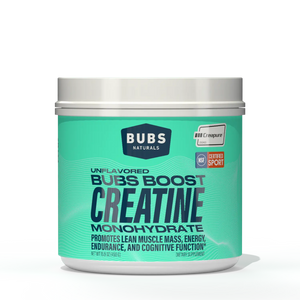
As we age, we often joke that we "don't heal like we used to." There is a biological reason for that. Tendons and ligaments are almost entirely made of collagen. When you push your body during a workout, you create micro-tears in these tissues. To repair them, your body needs a ready supply of amino acids. If your recovery time has stretched from one day to three or four days, your body might be signaling a need for more structural support. Integrating collagen into your post-workout routine, perhaps alongside our Creatine Monohydrate for muscle strength, can provide a comprehensive approach to recovery.
Flexibility and Stiffness
Flexibility isn't just about how long your muscles are; it’s about how supple your connective tissues are. If you feel "tight" regardless of how much you stretch, it could be that your collagen fibers have become stiff and less pliable. Maintaining a healthy collagen matrix allows your tendons and ligaments to glide and stretch as intended, reducing the risk of strains and keeping you mobile for the long haul.
The Role of Lifestyle Factors in Collagen Depletion
It is important to recognize that chronological age isn't the only factor at play. Certain lifestyle habits act as "collagen killers," accelerating the breakdown of your body's existing stores and inhibiting the production of new fibers.
UV Exposure and Photoaging
Sunlight is one of the biggest enemies of collagen. UV rays penetrate deep into the dermis and trigger the breakdown of collagen fibers through a process called oxidative stress. This is why "photoaging"—the premature aging of the skin due to sun exposure—is so prevalent. If you spend a lot of time outdoors (which we hope you do!), your body likely has a higher turnover of collagen and requires more support to counteract the damage caused by the sun.
High Sugar Intake and Glycation
A diet high in refined sugars can lead to a process called glycation. This happens when blood sugars attach to proteins (like collagen) to form harmful new molecules called advanced glycation end products (AGEs). These AGEs make collagen fibers brittle, dry, and prone to breaking. If your diet has been heavy on processed foods and sugar, you might notice your skin losing its glow and your joints feeling "older" than they should. Transitioning to a cleaner diet and using products like our Apple Cider Vinegar Gummies can be a great way to support overall metabolic wellness and digestive health as you clean up your routine.
Stress and Sleep
Chronic stress increases cortisol levels, which has been shown to decrease collagen production. Furthermore, our bodies perform the bulk of their repair work while we sleep. If you are consistently sleep-deprived and stressed, you are essentially denying your body the time and resources it needs to rebuild its structural "scaffolding." This is why "beauty sleep" is a very real biological necessity.
How to Support Your Body’s Natural Collagen Production
If you’ve identified several of the signs mentioned above, the next step is taking action. While we cannot stop time, we can provide our bodies with the raw materials needed to maintain their integrity. Support happens through a combination of high-quality supplementation, proper nutrition, and smart lifestyle choices.
The Power of Peptides
Not all collagen is created equal. When you eat a piece of steak, your body has to work hard to break down those large protein molecules into usable amino acids. Our Collagen Peptides are hydrolyzed, meaning they have already been broken down into smaller "peptides" that are much easier for your body to absorb and utilize. This high bioavailability ensures that the amino acids reach your bloodstream and tissues efficiently.
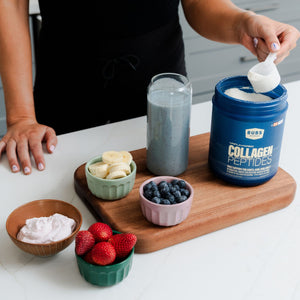
Because our collagen is unflavored and dissolves instantly in both hot and cold liquids, it’s incredibly easy to integrate into your life. Whether you mix it into your morning coffee or your post-adventure smoothie, it’s a "no-BS" way to support your wellness journey. We always recommend consistency; collagen is a long-game supplement. Most people begin to notice the difference in their skin and joints after 4 to 8 weeks of daily use.
Essential Co-Factors: Vitamin C and Hydration
Your body cannot effectively produce collagen without Vitamin C. This vitamin acts as a vital co-factor in the hydroxylation of proline and lysine amino acids, which is a fancy way of saying it helps stabilize the collagen molecule. If you are deficient in Vitamin C, your body’s ability to turn those peptides into actual skin and joint support is severely compromised.
Furthermore, collagen fibers need to be hydrated to stay resilient. Think of a dried-out sponge versus a wet one. Dehydrated connective tissue is much more prone to injury and stiffness. Using an electrolyte support like Hydrate or Die – Lemon ensures that your cells have the water and minerals they need to keep your structural tissues supple and functional.
Integrating Collagen into an Active Lifestyle
At BUBS Naturals, we don't just care about the science; we care about the application. We want you to be out there living your life to the fullest. Integrating collagen shouldn't be a chore; it should be a seamless part of your ritual.
The Morning Ritual
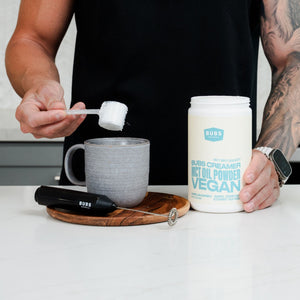
Many members of the BUBS community start their day with a "power coffee." By combining a scoop of Collagen Peptides with our MCT Oil Creamer – 10 oz Tub, you are fueling your brain and your body at the same time. The MCTs provide sustained mental clarity and energy, while the collagen gets to work on your physical foundation. If you prefer a richer, more buttery taste, our Butter MCT Oil Creamer – 10 oz Tub is an excellent alternative that adds a creamy texture without any artificial junk.
On-the-Go Support
Adventure doesn't always happen in your kitchen. Whether you’re traveling for work or heading to a trailhead, portability is key. That’s why we offer our products in convenient formats like the MCT Oil Creamer – 14 ct Travel Pack. Keeping these in your gym bag or carry-on ensures you never miss a day of support. We believe that wellness should follow you wherever you go.
Post-Workout Recovery
After a heavy lifting session or a long trail run, your body is in a state of repair. This is the perfect time to mix a serving of Hydrate or Die – Mixed Berry with your collagen. The electrolytes help restore fluid balance and muscle function, while the collagen provides the building blocks for the connective tissues you just put to the test. This synergistic approach helps you wake up the next day feeling ready to do it all over again.
The BUBS Difference: Quality, Testing, and Purpose
When you decide that your body needs more collagen, where you get it from matters. The supplement industry is often filled with "BS"—fillers, poor sourcing, and a lack of transparency. We built BUBS Naturals to be different.
Clean and Certified
Our Collagen Peptides are NSF for Sport Certified. This is one of the highest standards in the industry, ensuring that what is on the label is exactly what is in the tub, with no banned substances or contaminants. It’s why professional athletes and elite operators trust us. We use only grass-fed, pasture-raised bovine hide, and we never use chemicals or solvents in the extraction process.
A Legacy of Giving Back
Every scoop of BUBS you take helps support a greater cause. In honor of Glen “BUB” Doherty, we donate 10% of all profits to veteran-focused charities, including the Glen Doherty Memorial Foundation. This foundation helps special operations veterans transition to civilian life through education and professional civilian training. When you choose to support your own wellness with BUBS, you are also helping us give back to those who have sacrificed so much for our country. This "10% Rule" is at the heart of everything we do.
Listening to Your Body for Long-Term Health
Knowing if your body needs collagen isn't about a single symptom; it’s about a collection of signals. It’s the combination of seeing fine lines in the mirror, feeling a little extra stiffness in your knees, and noticing that your hair doesn't have the same "oomph" it once did. These are not signs of failure; they are simply your body’s way of communicating its changing nutritional needs.
As we move through different stages of life, our bodies require different levels of support. By being proactive and providing your system with clean, high-quality ingredients, you are investing in your future mobility and vitality. We invite you to explore our Collagen Peptides Collection and see for yourself how simple, effective nutrition can make a world of difference.
Remember, the goal isn't just to look younger; it’s to feel stronger, move better, and live with the spirit of adventure that Glen Doherty embodied. Whether you are scaling a mountain or just keeping up with your kids, your body is the only vehicle you have. Treat it well, fuel it correctly, and it will take you wherever you want to go.
Summary: Your Path Forward
We’ve covered a lot of ground today, from the biological function of collagen as the body’s "glue" to the specific signs that your stores may be running low. We’ve looked at the visual signs in your skin and hair, the physical signs in your joints and recovery times, and the lifestyle factors that can speed up the process of depletion.
The most important takeaway is that you have the power to support your body’s structural health. By choosing a high-quality, third-party tested supplement like our Collagen Peptides, and pairing it with essential co-factors like Vitamin C and proper hydration through our Hydration Collection, you are giving your body the best possible tools for maintenance and repair.
We encourage you to start small. Add a scoop to your morning routine, stay consistent for a month, and pay attention to how you feel. Your body is constantly talking to you—it’s time to start listening. Take the next step in your wellness journey today and feel the BUBS difference for yourself.
FAQ
How long does it typically take to see results from taking collagen?
While every body is unique, most people begin to notice changes in their skin’s hydration and joint comfort after about 4 to 8 weeks of consistent, daily use. For hair and nail strength, it can take slightly longer—closer to 12 weeks—as these tissues grow at a slower pace. The key is consistency; adding our Collagen Peptides to your daily ritual ensures a steady supply of amino acids for your body to use.
Can I get enough collagen from food alone without supplements?
It is possible to get collagen from food, but it can be difficult in a modern diet. Collagen is found in the connective tissues, skins, and bones of animals—things we often discard. While bone broth is a great source, it can be time-consuming to make and difficult to track the exact dosage of amino acids. Using a hydrolyzed supplement like our Collagen Peptides provides a concentrated, easy-to-absorb dose that fits seamlessly into a busy lifestyle.
What is the best time of day to take my collagen supplement?
The best time to take collagen is whenever you can be most consistent! Some people prefer taking it in the morning mixed with their coffee and MCT Oil Creamer to start the day with a protein boost. Others prefer taking it after a workout to support joint and tendon recovery. Because our collagen is stable in both hot and cold temperatures, you can enjoy it at any time that works for your schedule.
Is there anyone who shouldn't take collagen peptides?
Our Collagen Peptides are a clean, single-ingredient protein source that is generally well-tolerated by most people. However, because they are sourced from bovine hide, they are not suitable for vegans or vegetarians. If you have specific dietary concerns or are pregnant or nursing, we always recommend consulting with your healthcare professional before adding any new supplement to your routine to ensure it aligns with your individual wellness goals.