Table of Contents
- Introduction
- The Connection Between Estrogen and Collagen
- Why HRT Patches and Collagen Work Well Together
- Benefits of Combining Collagen with HRT
- Safety and Potential Interactions
- How to Choose the Right Collagen
- Optimizing Your Protocol
- Common Misconceptions About Collagen and Menopause
- Training and Recovery During the Transition
- Nutrition Beyond Supplements
- Final Thoughts
- FAQ
Introduction
Managing the transition through perimenopause and menopause often feels like navigating a shifting landscape. You might notice your skin losing its bounce, your joints feeling a bit more "creaky" after a morning run, or your hair losing the thickness it once had. These changes are largely driven by a significant drop in estrogen, which acts as a master regulator for many of the body's structural proteins.
Many women turn to Hormone Replacement Therapy (HRT) patches to stabilize these shifts and manage symptoms like hot flashes or mood changes. At BUBS Naturals, we believe in providing clean, science-backed tools that help you stay active and resilient through every stage of life. If you are already using HRT, you might be wondering if adding a collagen supplement is safe or if it is simply redundant.
The short answer is that you can absolutely take collagen while using HRT patches. In fact, many people find that the two work together to support skin, bone, and joint health more effectively than either could alone. This guide will break down the science of how these two tools interact and how you can optimize your routine for the best results.
Quick Answer: Yes, you can safely take collagen while using HRT patches. There are no known medical contraindications between the two, and they may actually work together to support skin elasticity, joint comfort, and bone density during menopause.
The Connection Between Estrogen and Collagen
To understand why you might want to combine these two, you first have to understand how they interact within your body. Estrogen is a primary signal for collagen production. It communicates directly with cells called fibroblasts, which are responsible for "knitting" new collagen fibers in your skin, tendons, and ligaments.
When estrogen levels begin to decline during perimenopause, that signaling pathway slows down. Research suggests that women can lose up to 30% of their skin's collagen in the first five years following menopause. This is not just a cosmetic issue; it affects the structural integrity of your entire body. Without that hormonal signal, your body struggles to replace the collagen it naturally breaks down every day.
HRT patches work by delivering a steady dose of estrogen through the skin into the bloodstream. This helps restore the signal that tells your fibroblasts to get back to work. However, having the "signal" to build is only half the battle. Your body also needs the raw materials to do the building. This is where collagen supplementation enters the picture.
The Role of Amino Acids
Collagen is a complex protein made primarily of three amino acids: glycine, proline, and hydroxyproline. While your body can make these on its own, the demand for them increases as you age or when you are trying to repair tissue. Supplemental collagen provides these specific building blocks in an easily digestible form. For a deeper look, see What Are Collagen Peptides and Their Benefits?.
When you take a high-quality collagen supplement, you are essentially stocking the warehouse with the bricks and mortar needed for the job. If HRT is the foreman giving the orders to build, collagen peptides are the supplies delivered to the job site. Without the supplies, the foreman can yell all day, but the wall won't get built.
Why HRT Patches and Collagen Work Well Together
There is a distinct advantage to using patches specifically when combining hormones with supplements. HRT patches bypass the digestive system and the liver's "first-pass" metabolism. This means the estrogen is delivered directly into your systemic circulation at a steady rate. Because it doesn't interfere with your gut, there is virtually no risk of it interacting with the way you digest and absorb protein.
Many women report that this combination offers a multi-layered approach to wellness. While the patch addresses the hormonal root of menopausal symptoms, the collagen supports the physical structures that hormones alone cannot fully restore. This dual approach is particularly popular among those who refuse to let age slow down their training or outdoor adventures.
Key Takeaway: Think of HRT as the "on switch" for collagen production and supplemental collagen as the "fuel" that keeps the process running. Using both provides the hormonal signal and the nutritional resources required for structural health.
Benefits of Combining Collagen with HRT
When you look at the research on these two interventions, the potential benefits overlap in several critical areas. Managing menopause is about more than just stopping hot flashes; it is about maintaining your quality of life.
Skin Elasticity and Hydration
One of the most immediate things people notice during menopause is a change in skin texture. Estrogen helps maintain the skin’s barrier and its ability to hold onto water. When it drops, skin becomes thinner and drier. HRT can help restore some of that thickness, but studies have shown that hydrolyzed collagen can specifically improve skin elasticity and hydration. By using both, you are supporting the skin from two different biological angles.
Joint Health and Mobility
"Menopausal arthritis" is a common complaint, though it is often just the result of systemic inflammation and a loss of collagen in the cartilage. Estrogen has a protective effect on joints, and when it disappears, many women feel increased stiffness. Collagen supplements have been shown to support joint comfort by providing the nutrients needed for cartilage repair. For the active woman, this can mean the difference between staying on the trail and being stuck on the couch.
Bone Density
Both estrogen and collagen are vital for bone health. While we often think of bones as just calcium, they are actually made of a flexible collagen matrix that is hardened by minerals. Estrogen helps prevent the breakdown of bone, while collagen provides the structural framework. Combining HRT with collagen peptides may support long-term bone mineral density, which is crucial for preventing fractures as we age.
| Benefit Area |
Role of HRT Patches |
Role of Collagen Peptides |
| Skin Health |
Increases dermal thickness and moisture |
Improves elasticity and reduces fine lines |
| Joint Comfort |
Reduces systemic inflammation |
Supports cartilage integrity and repair |
| Bone Strength |
Slows the rate of bone resorption |
Provides the structural matrix for mineralization |
| Hair & Nails |
Supports follicle health via hormones |
Provides amino acids for keratin production |
Safety and Potential Interactions
Safety is the first priority when adding anything to a medical protocol. Collagen is a food-grade protein, not a drug or a complex herbal stimulant. Because it is broken down into basic amino acids during digestion, it does not typically interact with medications the way some herbs might.
Myth: Collagen will interfere with the absorption of my HRT medication.
Fact: Collagen is a protein that is processed by your digestive system. HRT patches deliver hormones through your skin directly into your bloodstream, bypassing the digestive tract entirely. There is no known interaction between the two.
However, it is always wise to be aware of other supplements that can interact with HRT. For example, St. John’s Wort is known to interfere with how the liver processes estrogen, which can make HRT less effective. Collagen does not have this effect. It is simply a source of protein that your body uses for repair.
Note: If you have a history of kidney stones or chronic kidney disease, you should consult your doctor before significantly increasing your protein intake, including collagen. High protein intake can sometimes increase the workload on the kidneys for those with pre-existing conditions.
How to Choose the Right Collagen
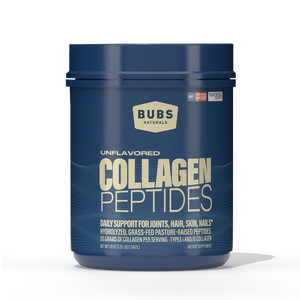
Not all collagen is created equal. If you are investing in HRT and taking your health seriously, you shouldn't settle for a supplement filled with junk. Our Collagen Peptides are designed for high bioavailability. This means the collagen has been "hydrolyzed," or broken down into smaller peptides that your body can actually absorb and use.
When choosing a supplement to pair with your HRT, look for these three things:
-
Single-Ingredient Formula: Avoid products with artificial sweeteners, dyes, or "proprietary blends." You want pure, grass-fed collagen.
-
Third-Party Testing: Especially for athletes or veterans, knowing that a product is clean and free of contaminants is vital. We prioritize NSF for Sport certification for this very reason.
-
Solubility: High-quality collagen should dissolve easily in hot or cold liquids. If it clumps, it is likely poor quality or has unnecessary fillers.
Optimizing Your Protocol
To get the most out of your combination of HRT and collagen, consistency is the most important factor. Hormonal balance and tissue repair don't happen overnight. It takes time for the body to utilize the estrogen from the patch and the amino acids from the collagen.
The Role of Vitamin C
Vitamin C is a required cofactor for collagen synthesis. Without enough Vitamin C, your body cannot effectively "cross-link" the amino acids into strong collagen fibers. If you are taking collagen to support your HRT, ensure you are either eating plenty of Vitamin C-rich foods or taking a clean supplement. We offer a Vitamin C supplement specifically designed to support this antioxidant activity and collagen formation.
Timing and Dosage
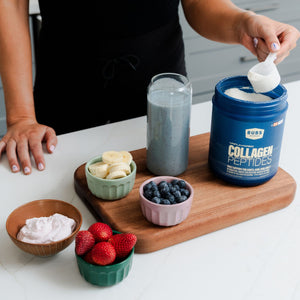
Most clinical studies on collagen show results with a daily dose of 10 to 20 grams. Timing is less important than daily consistency. Some people prefer to mix it into their morning coffee, while others add it to a post-workout shake. Since your HRT patch provides a steady flow of hormones 24/7, keeping a steady supply of collagen in your diet ensures the "building materials" are always available when the body needs them.
Bottom line: Collagen and HRT patches are a safe, synergistic combination. By pairing the hormonal support of HRT with the structural support of collagen, you are giving your body the best possible chance to maintain its strength and resilience during menopause.
Common Misconceptions About Collagen and Menopause
There is a lot of noise in the wellness industry, and it can be hard to separate fact from marketing. One common misconception is that collagen is "just another protein powder." While all protein is good, collagen has a very specific ratio of amino acids—particularly glycine—that you won't find in high amounts in whey or plant proteins. Glycine is essential for the health of your connective tissues.
Another myth is that you should wait until you have "symptoms" to start taking collagen. Prevention is always more effective than repair. If you are starting HRT patches because you are entering perimenopause, starting a collagen routine at the same time can help you get ahead of the collagen loss before it becomes noticeable in your skin and joints.
Important: While collagen is incredibly helpful, it is not a "magic pill." It works best when combined with a lifestyle that includes resistance training, adequate sleep, and sun protection. HRT and collagen provide the foundation, but your daily habits build the house.
Training and Recovery During the Transition
For many women in our community, menopause isn't just about aging; it's about staying in the game. Whether you are a veteran, an athlete, or just someone who loves the outdoors, recovery becomes more difficult as estrogen drops. Muscle protein synthesis slows down, and tendons become more brittle.
Using HRT patches can help maintain muscle mass by stabilizing the hormonal environment. Adding collagen supports the "soft tissues"—the tendons and ligaments that connect muscle to bone. This is vital for preventing the "weekend warrior" injuries that often plague people in midlife. If you are still hitting the gym or the trails, this combination is a functional strategy to keep your body durable.
Our mission is to help you live a life of adventure, wellness, and giving back. We believe that getting older shouldn't mean doing less. It just means being smarter about how you support your body. By choosing clean, functional supplements and working with your healthcare provider on a smart HRT protocol, you can stay as active as you’ve ever been.
Nutrition Beyond Supplements
While we are proud of the quality of our products, we also advocate for a "food-first" approach. Supplements are meant to bridge the gap, not replace a solid diet. When you are on HRT, your body's nutritional needs change.
-
Focus on Protein: Aim for adequate protein at every meal to support muscle maintenance.
-
Healthy Fats: Estrogen is a fat-soluble hormone. Including healthy fats like those found in our MCT Oil Creamer can support overall energy and mental clarity.
-
Hydration: Estrogen loss leads to drier tissues. Electrolytes are your best friend here. Our Hydrate or Die formula provides the minerals necessary to keep that water in your cells where it belongs.
By looking at your health through this holistic lens, you are doing more than just "taking a pill" or "wearing a patch." You are building a comprehensive system for longevity.
Final Thoughts
The transition through menopause is a significant life event, but it doesn't have to be a period of decline. Taking collagen with HRT patches is a safe and effective way to support your body's structural health. By providing the hormonal signals and the nutritional building blocks simultaneously, you are equipping yourself for the long haul.
At BUBS Naturals, we are driven by the legacy of Glen "BUB" Doherty—a man who lived with intensity, curiosity, and a commitment to helping others. We carry that spirit into everything we make. That is why we donate 10% of our profits to veteran-focused charities through our 10% Rule. Every scoop of collagen you take is not just an investment in your own health, but a way to give back to the community that Glen loved.
Live your life with purpose, stay curious about what your body can do, and don't be afraid to use the tools available to you. Whether it's a clean supplement or a medical protocol like HRT, the goal is the same: to help you feel your best so you can keep doing what you love.
-
Step 1: Consult with your healthcare provider to ensure your HRT protocol is optimized for your needs.
-
Step 2: Incorporate a high-quality, hydrolyzed collagen into your daily routine.
-
Step 3: Stay consistent for at least 60-90 days to see the full structural benefits.
-
Step 4: Keep moving, stay hydrated, and embrace the adventure.
FAQ
Does collagen affect HRT blood test results?
No, collagen is a protein supplement and does not contain hormones, so it will not directly alter the estrogen or progesterone levels found in your blood work. However, always inform your doctor about all supplements you are taking before a blood draw. They need a full picture of your nutritional intake to accurately interpret your results.
How long does it take to see results from taking collagen while on HRT?
While HRT may provide some symptom relief within weeks, the structural benefits of collagen usually take longer to become visible. Most people report improvements in skin hydration and joint comfort after 4 to 8 weeks of consistent daily use. For bone density and deep tissue repair, a minimum of 3 to 6 months is often required.
Can I take collagen if I am using HRT for reasons other than menopause?
Yes, collagen is a versatile protein that supports the body regardless of the reason you are using hormone therapy. Whether you are using HRT for hormonal imbalances, surgical menopause, or other medical needs, collagen provides the same basic amino acids required for tissue repair and maintenance.
Is marine collagen or bovine collagen better to take with HRT?
Both are effective, but they contain slightly different types of collagen. Bovine collagen is rich in Types I and III, which are the primary types found in human skin, bones, and muscles, making it a great "all-around" choice. Marine collagen is primarily Type I and is often praised for its skin-specific benefits, but it may not offer the same level of support for joints and bones as bovine sources.