Table of Contents
- Introduction
- Understanding Collagen: The Body’s Structural Support
- Is It Safe? Navigating Collagen Use During Pregnancy
- Potential Benefits of Collagen for Expectant Mothers
- Supporting Fetal Development Through Maternal Nutrition
- The BUBS Difference: Sourcing, Purity, and Performance
- How to Incorporate Collagen into Your Prenatal Routine
- Beyond Collagen: A Holistic Approach to Pregnancy Wellness
- Postpartum Recovery and the Fourth Trimester
- Conclusion
- FAQ
Introduction
Did you know that collagen is the most abundant protein in your body, acting as the literal "glue" that holds your skin, joints, and connective tissues together? During pregnancy, your body undergoes a physiological transformation that is nothing short of heroic, stretching and remodeling itself to accommodate a growing life. It is a period of intense physical demand where nutritional needs shift, leading many expectant mothers to ask: can we take collagen during pregnancy? The answer is a resounding yes, provided you choose the right sources and maintain an open dialogue with your healthcare provider.
In the world of wellness, collagen has moved from being a beauty secret to a foundational supplement for those living active, purposeful lives. For a pregnant woman, whose body is essentially building a new human from scratch, protein is not just a macronutrient; it is a building block for life. Understanding how collagen fits into this journey requires a deep dive into the science of human biology, the specifics of prenatal nutrition, and the commitment to purity that defines a high-quality supplement.
The purpose of this article is to provide a comprehensive look at the role of collagen during and after pregnancy. We will explore how it supports skin elasticity as your belly grows, how it may assist with the joint discomfort that often accompanies weight changes, and how it contributes to the development of your baby’s own connective tissues. We will also address the critical importance of third-party testing and clean ingredients—values we hold dear at BUBS Naturals. By the end of this post, you will have a clear understanding of how to safely navigate collagen supplementation while honoring the legacy of wellness and adventure that drives everything we do.
At BUBS Naturals, we are more than just a supplement company; we are a brand built on the spirit of Glen "BUB" Doherty, a Navy SEAL who lived a life of service and adventure. We carry that spirit into our commitment to clean, "no-BS" nutrition. Our goal is to empower you with the knowledge to make informed decisions for your health and your baby’s future. Whether you are curious about the Collagen Peptides Collection or looking for ways to stay hydrated and energized, we are here to support your journey.
Understanding Collagen: The Body’s Structural Support
To understand why collagen is relevant during pregnancy, we first need to look at what it is and what it does. Collagen is a structural protein made up of amino acids—primarily glycine, proline, and hydroxyproline. Unlike other protein sources that are used mainly for muscle repair, collagen is the primary component of the extracellular matrix (ECM). This matrix is the framework that gives structure to your skin, bones, tendons, and even your organs.
There are several types of collagen in the human body, but Types I and III are the most prevalent. These are the types that support the strength and elasticity of the skin and the integrity of the vascular system. During pregnancy, these tissues are under constant pressure. The uterus expands to many times its original size, the skin stretches, and the circulatory system increases its blood volume by up to 50%. This creates a massive demand for the specific amino acids that build and maintain these tissues.
While our bodies naturally produce collagen, this production begins to slow down as we age. When you add the metabolic demands of pregnancy on top of this natural decline, it becomes clear why many women look toward supplementation. By providing the body with hydrolyzed Collagen Peptides, you are essentially giving your system the raw materials it needs to support its own structural integrity.
It is also worth noting that collagen is unique because of its high glycine content. Glycine is an amino acid that becomes "conditionally essential" during pregnancy. This means that while the body can usually make enough for its daily needs, during times of high demand—like growing a fetus—the body’s requirements may exceed its ability to produce it. This makes dietary sources or clean supplements an important consideration for maintaining optimal wellness.
Is It Safe? Navigating Collagen Use During Pregnancy
When it comes to the question "can we take collagen during pregnancy," safety is the number one priority. Most healthcare professionals and prenatal specialists agree that collagen is safe and often beneficial during pregnancy. Because it is a food-derived protein, it is generally treated by the body just like any other protein source, such as beef, chicken, or fish.
However, the "safe" label comes with a few caveats that are non-negotiable for the health of both mother and child. First, the source of the collagen matters immensely. At BUBS Naturals, we believe in a "no-BS" approach, which means our Collagen Peptides are sourced from grass-fed, pasture-raised bovine hides. They are free from GMOs, gluten, and soy, and contain no artificial sweeteners or fillers. This level of purity is essential during pregnancy, as you want to avoid unnecessary additives or potential contaminants.
Third-party testing is another critical factor. The supplement industry is not always strictly regulated, so looking for certifications like NSF for Sport is vital. This ensures that the product has been rigorously tested for purity, potency, and the absence of harmful substances. When you choose a product from the Collagen Peptides Collection, you are choosing a supplement that meets the highest standards of quality—standards that were established to honor a legacy of excellence and integrity.
Finally, while collagen is generally safe, every pregnancy is unique. We always recommend that you consult with your OB-GYN or a registered dietitian before adding any new supplement to your routine. They can help you determine the right dosage and ensure it fits within your overall nutritional plan, especially when combined with your prenatal vitamins.
Potential Benefits of Collagen for Expectant Mothers
The physical changes of pregnancy are beautiful, but they can also be taxing. Collagen offers a range of potential benefits that support the body’s natural functions during this nine-month marathon.
One of the most discussed benefits is skin elasticity. As your baby grows, the skin on your abdomen, breasts, and hips must stretch significantly. While genetics play a large role in how your skin responds, providing the building blocks for the dermal layer can support your skin’s natural resilience. Collagen and elastin work together to give skin its snap-back quality. By supporting these proteins, you are helping your skin manage the rapid expansion and eventual contraction that occurs during the pregnancy journey.
Joint and ligament support is another area where collagen shines. During pregnancy, your body releases a hormone called relaxin, which loosens the ligaments in the pelvis to prepare for childbirth. However, relaxin doesn't just target the pelvis; it affects ligaments throughout the entire body. Combined with the natural weight gain of pregnancy, this can lead to discomfort in the hips, lower back, and knees. Supplementing with the Collagen Peptides Collection provides the amino acids necessary to support these connective tissues, potentially helping you feel more comfortable and mobile as you stay active during your pregnancy.
Furthermore, many women experience changes in their hair and nails during and after pregnancy. While the "pregnancy glow" is a real phenomenon for some, others find their nails become brittle or their hair feels thinner. Collagen provides the amino acids used to produce keratin, the primary protein in hair and nails. Supporting your body with high-quality Collagen Peptides can help maintain the strength and health of these tissues throughout the prenatal and postpartum periods.
Supporting Fetal Development Through Maternal Nutrition
While the mother’s comfort is important, the primary focus of prenatal nutrition is the development of the baby. The nutrients you consume are the very materials your baby uses to build their organs, bones, and tissues. Collagen plays a fascinating role at the maternal-fetal interface.
The placenta, the vital organ that connects the mother to the baby, is rich in collagen fibers. These fibers provide the structural framework for the placenta and the amniotic sac, ensuring a stable environment for the baby to grow. Research has shown that collagen and its fragments are expressed throughout the maternal-fetal interface, playing a role in immune tolerance and tissue remodeling.
As the fetus develops, it begins to form its own skeletal system and connective tissues. Bone is not just made of calcium; it is a matrix of collagen fibers that have been mineralized. By ensuring your body has an adequate supply of protein and the specific amino acids found in collagen, you are supporting the biological processes that build your baby’s bones, joints, and skin.
It is important to remember that collagen should supplement a well-rounded, nutrient-dense diet. While it provides specific benefits, it is not a complete protein because it lacks the amino acid tryptophan. Therefore, we suggest using our Collagen Peptides as a supplement to a diet that includes a variety of protein sources like eggs, poultry, legumes, and dairy. This ensures your baby receives the full spectrum of amino acids required for healthy growth.
The BUBS Difference: Sourcing, Purity, and Performance
At BUBS Naturals, we don’t believe in cutting corners. Our approach to wellness is rooted in the "no-BS" philosophy. When you’re asking "can we take collagen during pregnancy," you deserve a product that is as clean as it is effective. We named our company after Glen "BUB" Doherty, and we live by his standard: "Help yourself, then help others." This is why we are so meticulous about our sourcing and why we created our 10% Rule.
Our Collagen Peptides are unflavored and unsweetened, making them incredibly versatile for a sensitive pregnancy palate. Many expectant mothers struggle with morning sickness or sudden aversions to certain smells and tastes. Our collagen dissolves instantly in hot or cold liquids and is virtually tasteless, meaning you can stir it into your morning decaf, a smoothie, or even a bowl of oatmeal without triggering nausea.
What truly sets us apart is our dedication to the community. We donate 10% of all our profits to veteran-focused charities in honor of Glen. This means that when you choose to support your wellness journey with BUBS, you are also contributing to a greater cause. We believe that wellness is not just an individual pursuit but a collective effort to live better and give back.
Our products are also NSF for Sport certified. This is one of the most rigorous certifications in the world, ensuring that what is on the label is exactly what is in the tub. For a pregnant woman, this peace of mind is invaluable. You can trust that our Collagen Peptides Collection is free from contaminants and heavy metals, providing only the clean, functional nutrition your body needs.
How to Incorporate Collagen into Your Prenatal Routine
Integrating collagen into your daily life should be simple and stress-free. Consistency is key when it comes to supporting your body’s natural functions. Most studies suggest a daily intake of 10 to 20 grams of collagen peptides to see the best results for skin and joint support.
Here are a few ways you can easily add BUBS to your day:
-
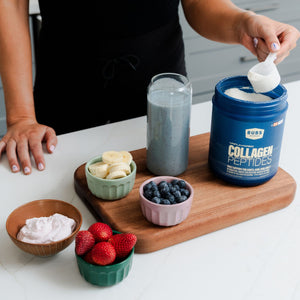
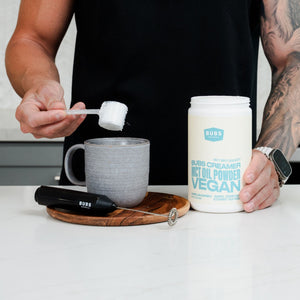
The Morning Ritual: Many of our community members start their day with a "BUBS coffee." Even if you’ve switched to decaf during pregnancy, you can still enjoy a creamy, nutrient-dense cup. Stir one scoop of Collagen Peptides and a serving of our MCT Oil Creamer into your mug. The MCTs provide clean, coconut-sourced energy to help combat that pregnancy fatigue, while the collagen supports your tissues.
-
The Afternoon Smoothie: If you’re craving something cold and refreshing, blend a scoop of collagen with some spinach, frozen berries, a splash of almond milk, and a squeeze of lemon. The vitamin C in the berries and lemon actually helps your body synthesize the collagen more effectively. If you need an extra boost, you can even add Vitamin C supplementation to further support your immune system and collagen formation.
-
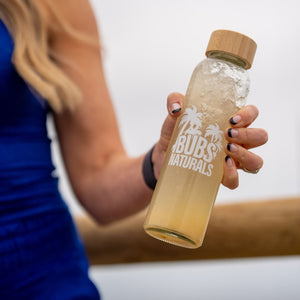
A "Day in the Life" Example: Imagine you’re heading out for a gentle prenatal yoga session or a brisk walk in the fresh air. You want to stay hydrated and keep your energy levels stable. Before you head out, mix a packet of Hydrate or Die - Lemon into your water bottle. Proper electrolyte balance is crucial during pregnancy to prevent muscle cramps and maintain blood pressure. When you get home, have a light snack and stir some Collagen Peptides into a bowl of soup or yogurt to support your recovery.
By making collagen a seamless part of your existing habits, you ensure that your body has a steady supply of the amino acids it needs to support the incredible work it’s doing every single day.
Beyond Collagen: A Holistic Approach to Pregnancy Wellness
While collagen is a powerful tool, it is just one piece of the wellness puzzle. A healthy pregnancy requires a holistic approach that includes hydration, balanced nutrition, and gentle movement.
Hydration is perhaps the most underrated aspect of prenatal health. Your body is producing extra blood and amniotic fluid, which means your need for water and electrolytes increases significantly. Dehydration can lead to fatigue, headaches, and even premature contractions. This is where our Hydration Collection becomes essential. Products like Hydrate or Die - Mixed Berry provide the sodium, potassium, and magnesium your body needs without any added sugar or artificial junk.
Digestive health is another common concern during pregnancy. Hormonal changes can slow down digestion, leading to bloating or discomfort. Many women find that a daily habit of Apple Cider Vinegar Gummies helps support their digestive wellness in a way that is easy on the stomach.
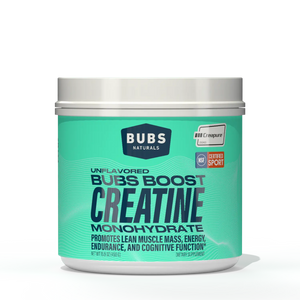
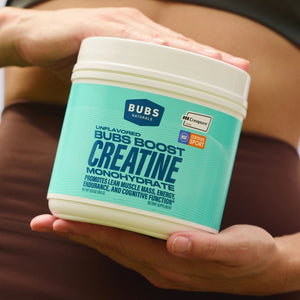
As you progress through your pregnancy, you might also find that your training needs to be adjusted. While you may not be hitting personal bests in the gym, maintaining strength is important for a healthy delivery and a faster recovery. For those who continue to lift or engage in high-intensity movement (with doctor approval), adding Creatine Monohydrate can help support muscle function and energy production.
Remember, the goal of pregnancy wellness isn't perfection; it’s about listening to your body and giving it the clean, natural fuel it needs to perform at its best. By combining the Collagen Peptides Collection with other clean supplements, you create a foundation for long-term health.
Postpartum Recovery and the Fourth Trimester
The journey doesn't end when the baby arrives. The postpartum period, often called the "fourth trimester," is a time of intense healing and adjustment. Your body is recovering from the physical trauma of birth, your hormones are shifting dramatically, and you are likely facing the challenges of sleep deprivation.
Collagen is incredibly valuable during this time. For those who had a C-section or required stitches, the amino acids in collagen support tissue repair and wound healing. The skin that was stretched during pregnancy now needs to regain its tone, and your joints may still be feeling the effects of relaxin as they slowly return to their pre-pregnancy state.
One of the most common postpartum complaints is "telogen effluvium," or excessive hair shedding, which typically occurs three to six months after delivery. While this is a normal hormonal process, providing your body with the building blocks for keratin can support the regrowth of healthy, strong hair. Continuing to use the Collagen Peptides Collection into your postpartum journey is a great way to take care of yourself while you take care of your new addition.
If you are breastfeeding, your nutritional needs remain high. You need extra protein and calories to produce milk, and the hydration requirements are even more significant than during pregnancy. Keeping your pantry stocked with Collagen Peptides and electrolytes like Hydrate or Die can help you maintain your energy and wellness during those demanding early months of motherhood.
Conclusion
The transition into motherhood is one of life’s greatest adventures. It requires strength, resilience, and a commitment to self-care that will serve you and your family for years to come. When you ask, "can we take collagen during pregnancy," you are taking a proactive step toward supporting the structural integrity of your body and the development of your child.
Throughout this article, we have explored how collagen acts as the foundation for your skin, joints, and connective tissues. We’ve discussed the importance of choosing clean, grass-fed, and third-party-tested supplements like those found in the BUBS Naturals Collagen Peptides Collection. We’ve also seen how a holistic approach—including proper hydration with Hydrate or Die and digestive support from Apple Cider Vinegar Gummies—can make the pregnancy journey smoother and more vibrant.
Our mission at BUBS Naturals is to provide you with the cleanest, most effective tools to live a life of purpose and adventure. We do this in honor of Glen "BUB" Doherty, ensuring that every scoop of collagen you take helps not only your own wellness but also the lives of veterans through our 10% Rule.
As you move forward, we encourage you to prioritize your health and consult with your medical team to find the perfect balance for your needs. You are doing incredible work, and you deserve supplements that are as hardworking and dedicated as you are. Explore the Collagen Peptides Collection today and feel the difference that clean, science-backed nutrition can make in your pregnancy and beyond.
FAQ
1. Is there a specific type of collagen that is best during pregnancy?
For most expectant mothers, a hydrolyzed bovine collagen that includes Types I and III is the best choice. These types are the most abundant in the human body and provide the specific amino acids needed for skin elasticity and joint support. Our Collagen Peptides are hydrolyzed, meaning they are broken down into smaller, easier-to-digest pieces, making them ideal for someone whose digestive system might be sensitive during pregnancy.
2. How much collagen should I take each day while pregnant?
While general wellness dosages typically range from 10 to 20 grams per day, the "right" amount can vary based on your total protein intake and specific needs. We recommend starting with one scoop of Collagen Peptides daily, which provides about 18 grams of protein. Always clear your supplement plan with your OB-GYN to ensure it complements your prenatal diet and vitamins.
3. Does collagen contain anything that could be harmful to my baby?
Pure, high-quality collagen peptides should contain only one ingredient: hydrolyzed collagen. However, some brands add artificial sweeteners, heavy flavors, or herbal blends that may not be recommended during pregnancy. This is why choosing a "no-BS" brand like BUBS Naturals is so important. Our products are NSF for Sport certified, ensuring they are free from contaminants and harmful additives, making the Collagen Peptides Collection a safe and clean choice for you and your baby.
4. Can collagen help with postpartum hair loss?
Postpartum hair loss is primarily caused by a drop in estrogen levels after birth, which moves hair follicles into the shedding phase. While collagen cannot prevent this hormonal shift, it provides the body with proline and other amino acids necessary to build keratin. By supporting your body’s natural protein stores with Collagen Peptides, you can help support the healthy regrowth of hair during the postpartum recovery period.