Table of Contents
- Introduction
- The Foundation: What is Collagen Exactly?
- Can U Take Too Much Collagen? The Reality of Over-Supplementation
- Finding the Sweet Spot: How Much Should You Take?
- The Role of Amino Acids: Beyond Just Protein
- The BUBS Way: Sourcing, Purity, and the 10% Rule
- Maximizing the Benefits: A Day in the Life with BUBS
- Lifestyle Factors: What Steals Your Collagen?
- Collagen and Aging: Why Consistency Matters
- Common Misconceptions About Collagen Dosage
- Integrating Collagen Into Your Specific Adventure
- Conclusion
- FAQ
Introduction
Did you know that by the time you reach your 40th birthday, your body has likely already started losing about 1% of its total collagen every single year? This slow but steady decline is a natural part of the human experience, yet it often catches us off guard when the first signs of joint stiffness or skin changes appear. As we seek to reclaim our vitality and support our bodies through life’s many adventures, collagen supplementation has moved from a niche beauty secret to a foundational wellness staple. But as with any powerful tool in your nutritional toolkit, a logical question arises: can u take too much collagen?
At BUBS Naturals, we believe in a life lived with purpose, adventure, and a commitment to quality. Our journey began as a tribute to Glen “BUB” Doherty—a Navy SEAL, a hero, and a man who embodied the spirit of "living the best life." In his honor, we developed a line of clean, science-backed supplements designed to help you perform at your peak. We know that when you find something that works, the temptation is to double down. However, finding the "Goldilocks zone"—the amount that is just right—is essential for maximizing benefits while respecting your body’s natural limits.
In this deep dive, we are going to explore the nuances of collagen consumption. We will break down exactly what collagen is, why your body needs it, and what happens if you exceed the recommended amounts. By the end of this article, you will have a clear understanding of how to tailor your collagen intake to your specific lifestyle goals—whether you are training for a marathon, recovering from a weekend of hiking, or simply looking to support your body’s structural integrity as you age. We will also discuss how to integrate our signature Collagen Peptides into a daily routine that supports your wellness journey without overcomplicating your life.
The Foundation: What is Collagen Exactly?
To understand whether you can overdo it, we first need to understand what we are putting into our bodies. Collagen is the most abundant protein in the human body, making up roughly one-third of our total protein composition. Think of it as the "glue" that holds everything together. It provides the structural framework for our skin, bones, muscles, tendons, ligaments, and even our blood vessels and digestive lining.
There are at least 28 different types of collagen identified by scientists, but the vast majority of the collagen in your body—about 90%—is Type I. This type is incredibly strong and provides the tensile strength needed for our skin and bones. Type II is predominantly found in cartilage, acting as the cushion for our joints, while Type III supports the structure of muscles, organs, and arteries.
At BUBS Naturals, we focus on providing high-quality, grass-fed, pasture-raised Collagen Peptides that contain both Type I and Type III collagen. We choose these because they are the most versatile for supporting overall wellness, from the strength of your connective tissues to the radiance of your skin. Our Collagen Peptides Collection is designed to be easily absorbed, meaning the protein is "hydrolyzed"—broken down into smaller chains called peptides that your body can actually use.
Can U Take Too Much Collagen? The Reality of Over-Supplementation
When people ask, "can u take too much collagen," they are usually concerned about two things: immediate side effects and long-term health risks. The short answer is that collagen is remarkably safe and non-toxic. Because it is a protein your body already produces and recognizes, it is generally well-tolerated. However, like any protein source, there is a point of diminishing returns.
If you consume excessive amounts of collagen—well beyond the 10g to 20g typically found in a serving of our Collagen Peptides—your digestive system may let you know. The most common signs of taking too much include:
-
Bloating and Gas: Your gut has to process those amino acids. If you flood your system with more than it can handle at once, you might experience some temporary discomfort.
-
A Feeling of Heaviness: Protein is highly satiating. Taking too much can lead to an uncomfortable sense of fullness that lasts for hours.
-
Mild Digestive Upset: In some cases, very high doses can lead to minor diarrhea or an upset stomach as the body works to eliminate the excess.
From a long-term perspective, the main concern with "too much" of any protein is the strain it puts on the kidneys. In healthy individuals, the kidneys are highly efficient at processing protein. However, if you have a pre-existing kidney condition, you should always consult with a healthcare professional before significantly increasing your protein intake. For the average active individual, staying within the recommended daily range is not only safe but highly beneficial for recovery and structural health.
Finding the Sweet Spot: How Much Should You Take?
So, if "too much" is possible but rare, what is the "just right" amount? There is no official Recommended Dietary Allowance (RDA) for collagen specifically, but clinical research provides us with some excellent guardrails. Most studies suggest that a range of 10 to 20 grams per day is the sweet spot for most adults.
How you determine your specific dose often depends on your goals:
-
For Skin and Hair Support: Studies have shown that even smaller doses, around 2.5g to 5g, can support skin elasticity and hydration. However, many people find that 10g (roughly one scoop of our Collagen Peptides) provides the most noticeable results.
-
For Joint and Bone Health: When the goal is supporting cartilage or bone density, the research often points toward 5g to 10g daily.
-
For Muscle Recovery and Athletic Performance: If you are using collagen to support your recovery after intense training sessions, 15g to 20g may be more appropriate. This helps provide the specific amino acids—glycine, proline, and hydroxyproline—that are often depleted during heavy exercise.
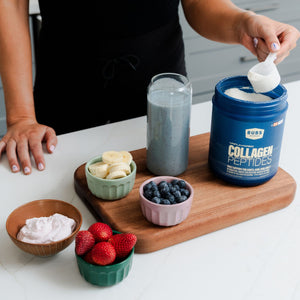
We always recommend starting with one scoop of our Collagen Peptides per day. Because our powder is unflavored and dissolves instantly in both hot and cold liquids, it’s incredibly easy to add to your morning coffee or your post-workout shake. If you feel like your body needs more support—perhaps during a heavy training block—you can safely move to two scoops, but for most people, one scoop is the perfect daily ritual.
The Role of Amino Acids: Beyond Just Protein
When we talk about whether you can take too much collagen, we also have to talk about the "complete protein" debate. Collagen is unique because of its amino acid profile. It is exceptionally high in glycine, proline, and hydroxyproline. However, it is not a "complete" protein because it lacks the essential amino acid tryptophan.
This is why we don't recommend using collagen as your only source of protein. It is a functional supplement intended to support specific tissues, not a total meal replacement. To ensure you are getting a full spectrum of amino acids, it’s best to combine your collagen intake with a balanced diet of whole foods.
Interestingly, the high glycine content in collagen is actually a major benefit. Many modern diets are "muscle meat" heavy, which means we get a lot of methionine but very little glycine. Some researchers believe that adding collagen back into our diet helps balance this ratio, mirroring the "nose-to-tail" eating habits of our ancestors. This balance may support everything from better sleep to improved metabolic health.
To further boost your body's ability to synthesize and use this protein, consider pairing your daily scoop with Vitamin C. Vitamin C is a critical co-factor in collagen synthesis; without it, your body can’t effectively turn those amino acids into the strong collagen fibers that support your skin and joints.
The BUBS Way: Sourcing, Purity, and the 10% Rule
We know that when you’re looking into whether u can take too much collagen, you’re also concerned about the quality of what you’re taking. Not all collagen is created equal. Many products on the market are filled with artificial sweeteners, fillers, or are sourced from questionable origins.
At BUBS Naturals, we take a "no-BS" approach. Our Collagen Peptides are NSF for Sport Certified. This is one of the highest bars in the supplement industry, ensuring that what is on the label is exactly what is in the bag, with no banned substances or hidden contaminants. We source our collagen from grass-fed, pasture-raised cattle in South America, ensuring a clean and sustainable product.
But beyond the science and the certifications, BUBS is built on a mission of giving back. We are named after Glen "BUB" Doherty, a man who lived for the thrill of the outdoors and the camaraderie of his teammates. In his honor, we donate 10% of all our profits to veteran-focused charities. When you choose BUBS, you aren't just supporting your own wellness; you’re contributing to a legacy of service and sacrifice. This commitment to purpose is what drives us to keep our ingredients simple, effective, and of the highest possible quality.
Maximizing the Benefits: A Day in the Life with BUBS
To help you visualize how to use collagen without overdoing it, let’s look at a typical day for someone living an active, BUBS-inspired lifestyle.
The Morning Ritual:
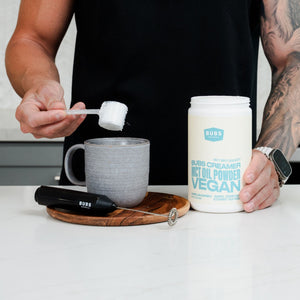
Your day starts early. Before the rest of the world is awake, you’re in the kitchen prepping for a morning run or a session at the gym. You brew a fresh cup of coffee and add one scoop of BUBS Collagen Peptides. Because you want sustained energy and mental clarity for the tasks ahead, you also stir in a scoop of our MCT Oil Creamer. The MCTs provide quick-burning fuel for your brain, while the collagen starts the work of supporting your joints before they even hit the pavement.
The Mid-Morning Boost:
After your workout, hydration is the priority. You reach for Hydrate or Die – Mixed Berry to replenish the electrolytes lost through sweat. This ensures your muscles function properly and helps prevent that post-exercise slump.
The Afternoon Refocus:
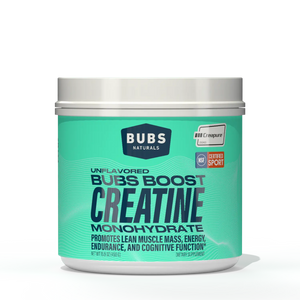
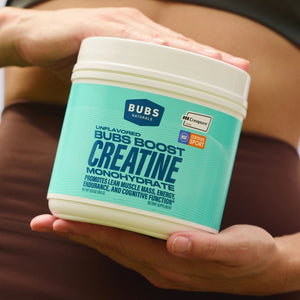
As the afternoon "fog" starts to settle in, you take a moment for a quick wellness check. You might pop a couple of our Apple Cider Vinegar Gummies to support digestion and keep your energy levels stable. If you’re training for strength, this might also be the time you mix in some Creatine Monohydrate to support your power output and recovery.
The Evening Wind Down:
Dinner is a balanced meal of whole foods—lean protein, healthy fats, and plenty of greens. Because you already had your 10g of collagen in the morning, there’s no need to take more. Your body has been supplied with the building blocks it needs throughout the day, and now it’s time for rest and repair.
This balanced approach ensures you get all the benefits of high-quality supplementation without ever having to worry if "u can take too much collagen."
Lifestyle Factors: What Steals Your Collagen?
Supplementation is only one half of the equation. To truly protect your body's structural health, you have to look at what might be depleting your natural collagen stores. While we can't stop the clock, certain lifestyle factors act like "collagen thieves," accelerating the breakdown of these vital fibers.
-
UV Exposure: The sun’s rays are one of the primary causes of collagen degradation in the skin. Always wear protection when you’re out on your adventures.
-
Sugar Consumption: A diet high in refined sugars leads to a process called glycation, where sugar molecules attach to collagen fibers, making them brittle and weak.
-
Smoking: Smoking reduces blood flow to the skin and introduces toxins that directly damage collagen and elastin.
-
Chronic Stress: High levels of cortisol can break down collagen over time. This is why we emphasize the "wellness" part of our mission—finding time for play, community, and rest is just as important as the supplements you take.
By combining our Collagen Peptides with a lifestyle that minimizes these "thieves," you create an environment where your body can truly thrive.
Collagen and Aging: Why Consistency Matters
One of the most common mistakes people make with collagen is taking it sporadically. Because it is a structural protein, the benefits are cumulative. You aren't likely to see a "miracle" transformation after one scoop. Instead, the magic happens over weeks and months of consistent use.
Think of it like training. You don't get fit by going to the gym once; you get fit by showing up day after day. Collagen works the same way. By providing a steady supply of amino acids, you are giving your body the raw materials it needs to maintain its "infrastructure." Most people report noticing a difference in their skin hydration and joint comfort after about 4 to 8 weeks of daily use.
If you are worried about whether you can take too much, remember that the goal is long-term maintenance, not a short-term "overdose." Stick to the recommended daily serving of Collagen Peptides, and let time do the heavy lifting.
Common Misconceptions About Collagen Dosage
There are a few myths floating around the internet that can make people hesitant to start or cause them to take far more than they need. Let's clear some of those up:
-
Myth 1: "You need different types of collagen for different things." While it’s true there are many types, Type I and III are the most versatile. Your body breaks them down into amino acids anyway, which it then sends wherever they are needed most. Our Collagen Peptides cover the most important bases.
-
Myth 2: "Collagen is just for women." Absolutely not. Collagen is a structural protein required by every human body. Men, especially those with active lifestyles, benefit immensely from the joint and recovery support that collagen provides.
-
Myth 3: "More is always better." As we’ve discussed, your body has a limit to how much protein it can effectively synthesize at once. Taking 50g of collagen in one sitting won't give you five times the results of taking 10g; it will likely just give you a stomach ache.
By focusing on quality and consistency rather than sheer volume, you ensure that your body is getting exactly what it needs to perform.
Integrating Collagen Into Your Specific Adventure
Whether you’re a weekend warrior or a professional athlete, your body’s needs will fluctuate. On days when you’re pushing your limits—say, a long-distance rucking session or a high-intensity interval workout—your connective tissues are under significant stress. On these days, you might feel the need for a little extra support.
In these scenarios, pairing your collagen with other targeted supplements can be a game-changer. For example, after a grueling hike in the heat, your priority is rehydration and recovery. Mixing a scoop of Collagen Peptides into a bottle of Hydrate or Die – Lemon gives you a powerful one-two punch of electrolyte replenishment and tissue-building amino acids. It’s about being smart with your nutrition and listening to what your body is telling you.
Conclusion
At the end of the day, the question of "can u take too much collagen" is about balance. While it is incredibly difficult to "overdose" on collagen in a dangerous sense, your body thrives when you provide it with consistent, high-quality nutrients in manageable amounts. By sticking to a daily serving of 10g to 20g of clean, pasture-raised collagen, you are giving your skin, joints, and muscles the support they need to keep up with your sense of adventure.
We started BUBS Naturals to provide the kind of supplements that Glen Doherty would have used himself—products that are honest, effective, and built to withstand a life of action. Our Collagen Peptides are the cornerstone of that mission. They are easy to mix, NSF for Sport Certified, and every purchase helps us give back to those who have served.
As you move forward on your wellness journey, remember that the best results come from the simple habits you repeat every day. One scoop. Every morning. Feel the difference in how you move, how you look, and how you feel. Whether you’re scaling a mountain or just conquering the Monday morning meeting, we are here to help you do it with a body that feels strong and a purpose that feels clear.
Ready to see how our chosen primary product can support your wellness journey? Explore our Collagen Peptides Collection today and find the perfect fit for your daily routine.
FAQ
Can I take collagen along with my regular protein powder?
Yes, you certainly can. Many of our customers mix Collagen Peptides with their favorite whey or plant-based protein shake. Because collagen is high in specific amino acids like glycine and proline, it complements the broader amino acid profile of other protein sources. Just keep an eye on your total protein intake for the day to ensure you are staying within a range that feels comfortable for your digestion.
What is the best time of day to take my collagen?
The "best" time is whenever you are most likely to be consistent. Many people prefer the morning because our Collagen Peptides mix so well into coffee or tea, especially when combined with our MCT Oil Creamer. However, some athletes prefer taking it about 30–60 minutes before a workout to ensure the amino acids are available for their joints during exercise.
Are there any people who should avoid taking collagen supplements?
Collagen is generally considered safe for almost everyone because it is a naturally occurring protein. However, because our collagen is sourced from bovine (cow) hides, it is not suitable for vegans or vegetarians. Additionally, if you have a history of kidney stones or chronic kidney disease, you should speak with your doctor before adding any concentrated protein supplement to your diet.
Will taking too much collagen cause me to gain weight?
Collagen itself is relatively low in calories—usually around 35 to 40 calories per scoop—and is pure protein. Protein is the most satiating macronutrient, meaning it actually helps you feel fuller for longer. While consuming any excess calories beyond what you burn can lead to weight gain, collagen is very unlikely to be the culprit. In fact, many people use our Collagen Peptides as part of a balanced diet to help manage cravings and support a healthy body composition.