Table of Contents
- Introduction
- Understanding Endometriosis and the Role of Fibrosis
- The Scientific Landscape: What We Know and What We Don’t
- Anecdotal Evidence: Listening to the Community
- The Importance of Clean Ingredients and Third-Party Testing
- Navigating the "Endo Diet" and Supplementation
- Practical Steps: How to Safely Introduce Collagen
- The BUBS Mission: Beyond the Product
- The Connection Between Lifestyle and Inflammation
- Making an Informed Choice for Your Body
- FAQ
Introduction
If you have ever felt like your body was a landscape you were struggling to navigate without a map, you are not alone. For millions of people living with endometriosis, that landscape is often marked by unpredictable peaks of pain and valleys of exhaustion. When you’re managing a condition that impacts your pelvic health, digestion, and energy levels, every choice—from the food on your plate to the supplements in your cabinet—feels weighted with significance. Lately, one question has been surfacing more than most in wellness circles: "Can I take collagen if I have endometriosis?"
At BUBS Naturals, we are built on a foundation of adventure, resilience, and the relentless pursuit of wellness. Inspired by the legacy of Glen “BUB” Doherty—a Navy SEAL, adventurer, and humanitarian—we believe in providing clean, science-backed tools to help you live your best life, no matter the obstacles. We know that when you are dealing with a chronic condition like endometriosis, you aren't just looking for "beauty" supplements; you’re looking for ways to support your body’s natural functions so you can get back to the activities you love.
The relationship between collagen and endometriosis is complex. On one hand, collagen is the most abundant protein in the human body, essential for joint integrity, skin elasticity, and gut health. On the other hand, endometriosis is characterized by the growth of tissue similar to the uterine lining outside the uterus, which often involves the formation of collagen-rich scar tissue, or fibrosis. This creates a theoretical crossroads: Can a supplement designed to support tissue health actually complicate a condition defined by "extra" tissue growth?
In this post, we’re going to dive deep into the current state of research, the anecdotal evidence from the community, and the biological mechanisms at play. We will explore how Collagen Peptides might fit into a broader wellness routine and why the quality of your supplements matters more than ever when your health is on the line. By the end of this article, you will have a clearer understanding of how to listen to your body, what questions to ask your doctor, and how to navigate the world of functional nutrition with confidence.
Understanding Endometriosis and the Role of Fibrosis
To understand whether you can take collagen, we first have to understand what happens in the body when endometriosis is present. Endometriosis is an estrogen-dependent, inflammatory condition where tissue similar to the lining of the uterus (the endometrium) grows in places it doesn’t belong—like the ovaries, fallopian tubes, and the pelvic lining. In rare cases, it can even migrate to the lungs or diaphragm.
One of the hallmarks of endometriosis is the development of adhesions and scar tissue. When these misplaced lesions bleed during a menstrual cycle, the blood has no way to exit the body. This leads to localized inflammation, which triggers the body’s healing response. Part of that healing response involves the production of collagen to "patch" the area, leading to fibrosis. Fibrosis is essentially the buildup of excess connective tissue, which can cause organs to stick together and lead to the chronic pelvic pain associated with the condition.
Because collagen is the primary structural component of this scar tissue, some health practitioners and patients have raised a logical concern: Could taking a collagen supplement provide the "raw materials" that allow endometriosis lesions to grow or scar more aggressively?
It is a valid question, but it’s important to look at how the body actually processes protein. When you consume our Collagen Peptides, your body doesn't transport those collagen molecules directly to a lesion. Instead, the digestive system breaks the collagen down into its individual amino acids—primarily glycine, proline, and hydroxyproline. These amino acids are then absorbed into the bloodstream and sent where the body needs them most, whether that is to repair a joint after a long hike or to support the lining of the digestive tract.
The science currently suggests that the "overproduction" of collagen in endometriosis lesions is driven by hormonal signals and inflammatory cytokines, not necessarily by an abundance of dietary amino acids. However, because every body is unique, the way your specific system reacts to an influx of these amino acids can vary.
The Scientific Landscape: What We Know and What We Don’t
When it comes to "can I take collagen if I have endometriosis," the most honest answer from a scientific perspective is that we are still in the early stages of discovery. To date, there have been no large-scale, double-blind clinical trials specifically investigating the impact of oral collagen supplementation on the progression of endometriosis lesions in humans.
Most of our current understanding comes from two areas: basic science (cell and animal studies) and anecdotal reports from the "endo warrior" community.
Insights from Research on Hormones and Fibrosis
Some studies have looked at how hormonal treatments—like those often prescribed for endometriosis—affect collagen expression within the lesions themselves. For instance, research has shown that certain hormonal therapies can decrease the expression of Type I collagen in deep infiltrating endometriosis. This tells us that collagen production in the body is highly regulated by hormones like estrogen and progesterone.
Because endometriosis is an inflammatory condition, many people find that supporting their body's antioxidant defenses is helpful. We often see customers pairing their protein intake with Vitamin C, as this essential vitamin is a necessary cofactor for the body’s natural collagen synthesis and a powerful antioxidant that supports general wellness.
The Gut-Endo Connection
One area where collagen is often touted as a "win" for endometriosis sufferers is gut health. Many people with this condition experience what is colloquially known as "Endo Belly"—severe bloating, constipation, or diarrhea. This is often linked to systemic inflammation or the presence of lesions on the bowel.
Collagen is rich in the amino acid glycine, which has been studied for its ability to support the integrity of the intestinal lining. For those dealing with digestive distress, a serving of Collagen Peptides in a morning smoothie might help support the gut barrier, potentially leading to a more comfortable day. However, some individuals with endometriosis report increased bloating when taking collagen, which may be due to the specific source of the collagen or sensitivities to certain proteins.
Anecdotal Evidence: Listening to the Community
Since clinical data is limited, we have to look closely at the lived experiences of those in the endometriosis community. These reports are a mixed bag, which highlights the "bio-individual" nature of the condition.
The Positive Reports
Many individuals with endometriosis report significant benefits from incorporating collagen into their routines. Common themes include:
-
Support for Joint and Nerve Pain: Endometriosis can often cause referred pain in the hips, lower back, and legs. Some users find that collagen helps support their joint mobility and reduces general body aches.
-
Post-Surgical Recovery: For those who have undergone laparoscopic surgery to remove lesions, collagen’s role in tissue repair makes it a popular choice for supporting the body’s natural healing process during the recovery phase.
-
Improved Hair and Skin Health: Chronic illness can take a toll on your appearance due to stress and nutrient depletion. High-quality Collagen Peptides are often used to restore that "glow" and strengthen hair that may have thinned due to hormonal fluctuations.
The Negative Reports
On the flip side, some people find that collagen doesn't sit well with their symptoms. Some report:
-
Increased Pelvic Heaviness: A small subset of users feels that their pelvic pain intensifies when taking collagen.
-
Digestive Flare-ups: For those with highly sensitive "endo bellies," any change in supplementation can trigger bloating.
-
Cycle Changes: While rare, some users suggest that their menstrual cycles feel "different" or heavier when they are on high doses of certain supplements.
The takeaway here is that there is no "one size fits all" answer. At BUBS, we always advocate for a "test and learn" approach. Start with a smaller dose, track your symptoms in a journal, and see how your unique body responds over a period of two to four weeks.
The Importance of Clean Ingredients and Third-Party Testing
If you decide to try collagen while managing endometriosis, the quality of the product is non-negotiable. Many mass-market supplements are filled with artificial sweeteners, "natural" flavors that aren't so natural, and thickeners that can irritate an already sensitive digestive system.
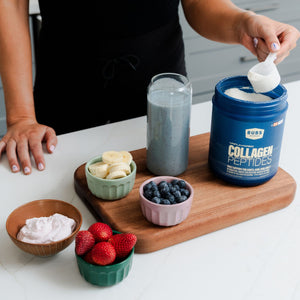
At BUBS Naturals, we take a "no-BS" approach to our ingredients. Our Collagen Peptides are sourced from grass-fed, pasture-raised bovine hides. They are hydrolyzed, meaning the protein is broken down into smaller peptides that are easier for your body to absorb and utilize.
Perhaps most importantly for those managing a chronic health condition, we prioritize transparency and safety. Our products are NSF for Sport certified, which means they undergo rigorous third-party testing to ensure they are free from contaminants and meet the highest standards of purity. When you’re trying to reduce the "toxic load" on your body to manage endometriosis, knowing exactly what is in your scoop—and what isn’t—is vital.
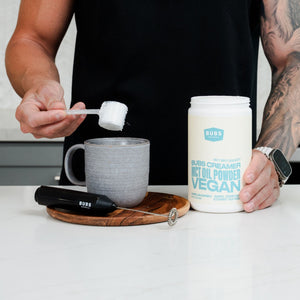
We believe that wellness is a holistic journey. Supporting your body with clean protein is just one piece of the puzzle. Many of our customers also find that maintaining stable energy levels throughout the day is a major challenge. In those cases, adding a healthy fat source like our MCT Oil Creamer to your morning routine can provide sustained mental clarity and energy without the jitters often associated with sugary coffee creamers.
Navigating the "Endo Diet" and Supplementation
Many people with endometriosis follow an "anti-inflammatory diet" or an "endo diet." This typically involves reducing or eliminating gluten, dairy, refined sugar, and processed soy, as these can be triggers for inflammation and estrogen dominance.
Where Collagen Fits
Since collagen is dairy-free and gluten-free, it is generally considered "endo-friendly" in the context of these dietary frameworks. It provides a clean source of protein without the inflammatory potential of whey or the phytoestrogens found in some soy-based proteins.
Complementary Supplements to Consider
While collagen is the focus today, it works best when part of a balanced ecosystem. If you are looking to support your wellness journey while living with endometriosis, consider these additions:
-
Electrolytes: Proper hydration is essential for managing muscle cramps and maintaining energy. Our Hydrate or Die electrolytes provide a sugar-free way to ensure your cells are actually absorbing the water you drink, supporting overall muscle function and recovery.
-
Gut Support: Since digestive issues are so common with endo, something like Apple Cider Vinegar Gummies can be a gentle way to support digestion and metabolic health without the harsh taste of liquid vinegar.
-
Energy Boosts: If you find that "endo fatigue" is preventing you from hitting the gym or staying active, a clean supplement like Creatine Monohydrate can support muscle strength and cognitive function, helping you power through those tougher days.
Practical Steps: How to Safely Introduce Collagen
If you have weighed the pros and cons and want to see if Collagen Peptides can help support your wellness goals, we recommend a methodical approach.
1. Consult Your Healthcare Team
This is the most important step. Your doctor or a registered dietitian who specializes in endometriosis can look at your specific hormone levels, the stage of your condition, and your current medications to give you a personalized recommendation.
2. Start with a "Micro-Dose"
You don't need to jump into a full serving on day one. Start with half a scoop or even a teaspoon of our Collagen Peptides. This allows your digestive system to adapt and gives you a window to notice any immediate changes in your symptoms.
3. Maintain a Symptom Journal
For at least two weeks, jot down what you’re eating, which supplements you’re taking, and how you feel. Pay attention to:
- Pelvic pain levels
- Bloating and digestion
- Energy and mood
- Skin and hair changes
4. Quality Over Quantity
Don't reach for the cheapest tub on the shelf. Look for products that are third-party tested and contain no fillers. At BUBS, we are committed to the highest quality because we know that for people with chronic conditions, every ingredient matters.
The BUBS Mission: Beyond the Product
Choosing a supplement isn't just about what's inside the tub; it’s about what the brand stands for. BUBS Naturals was founded to honor Glen “BUB” Doherty’s life of service and adventure. We carry that spirit into everything we do, including our commitment to giving back.
Through our 10% Rule, we donate 10% of all our profits to veteran-focused charities, including the Glen Doherty Memorial Foundation. When you choose BUBS, you aren't just supporting your own wellness; you are contributing to a legacy of helping others overcome their own "unnavigable landscapes." Whether you are training for a marathon or simply trying to get through a difficult "endo day," we are here to support your journey with products that are as resilient and purposeful as you are.
The journey with endometriosis is often one of advocacy—advocating for your health, for your pain to be heard, and for the tools that actually help you feel better. If Collagen Peptides can play a part in that toolkit by supporting your joints, gut, and recovery, we are honored to be a part of your routine.
The Connection Between Lifestyle and Inflammation
Living well with endometriosis requires a multi-pronged strategy. While supplements like Collagen Peptides can support the body’s structural health, they are most effective when paired with lifestyle habits that keep systemic inflammation in check.
Many individuals find that gentle movement, such as walking or restorative yoga, helps manage the adhesions and stiffness associated with the condition. During these active periods, staying hydrated is paramount. We often suggest our Hydrate or Die formula as a clean way to replenish electrolytes without the inflammatory sugars found in traditional sports drinks.
Sleep is another cornerstone of managing endometriosis. The body does its best repair work while we sleep, including the remodeling of tissues and the regulation of hormones. Supporting your body with the right nutrients during the day—like the amino acids found in collagen—provides the "building blocks" your body needs when it goes into repair mode at night.
By focusing on the "big rocks" of wellness—quality nutrition, hydration, movement, and sleep—you create an environment where your body can function at its best, even in the face of a chronic challenge.
Making an Informed Choice for Your Body
The question of "can I take collagen if I have endometriosis" doesn't have a universal "yes" or "no." It has a "yes, and here is how to do it safely."
For many, the benefits of supporting joint health, gut integrity, and skin vitality far outweigh the theoretical risks, especially when using a clean, hydrolyzed product like our Collagen Peptides. The amino acids provided by collagen are fundamental to human health, and for someone whose body is under the constant stress of a chronic inflammatory condition, providing high-quality protein can be a game-changer.
However, the most important voice in this conversation is yours. You know your body better than anyone else. If you try collagen and feel a surge in energy and a reduction in joint stiffness, that is a powerful signal. If you find it makes your "endo belly" more sensitive, that is also a signal worth listening to.
We invite you to explore our Collagen Peptides Collection to see the different ways you can incorporate this powerful protein into your life—whether it’s through our easy-to-mix tubs or our convenient travel packs for when you’re on an adventure.
At BUBS Naturals, we are more than just a supplement company. We are a community of adventurers and wellness seekers who believe that everyone deserves to feel great and do good. No matter where you are in your journey with endometriosis, we are here to provide the clean, no-BS support you need to keep moving forward.
FAQ
Does collagen cause endometriosis lesions to grow?
There is currently no scientific evidence to suggest that oral collagen supplementation causes endometriosis lesions to grow. While lesions do contain collagen-rich scar tissue, the growth of these lesions is primarily driven by hormones like estrogen and inflammatory processes within the body. When you ingest Collagen Peptides, your body breaks the protein down into amino acids, which are then used based on the body's overall needs. However, because research is ongoing, it is always best to monitor your symptoms and consult with an endometriosis specialist.
Can collagen help with "Endo Belly" and bloating?
For some, collagen can be very helpful for digestive health. It contains high amounts of glycine, an amino acid that supports the lining of the digestive tract. If your "Endo Belly" is related to gut permeability or inflammation, Collagen Peptides may offer support. However, some people with high sensitivity report that certain proteins can increase bloating. To see how you react, try a smaller-than-normal serving and track your digestion over several days.
What are the best BUBS products to take alongside collagen for endometriosis?
Many people in the endometriosis community focus on reducing inflammation and supporting energy. Our Vitamin C is a great companion, as it acts as an antioxidant and helps your body utilize collagen. For managing the fatigue that often accompanies the condition, our MCT Oil Creamer provides a clean, sustained energy source. Lastly, maintaining electrolyte balance with Hydrate or Die can help with muscle cramps and overall hydration.
Should I stop taking collagen before endometriosis surgery?
Whenever you have an upcoming surgery, you should provide your surgeon with a full list of all the supplements you are taking. While collagen is generally considered a food-based protein, some doctors may have specific protocols regarding protein intake or supplements that could affect inflammation or blood thinning (though collagen is not typically known for this) in the weeks leading up to a procedure. Post-surgery, many people find that Collagen Peptides are a helpful tool for supporting the body's natural tissue repair processes during recovery.