Table of Contents
- Introduction
- Understanding the "Best By" vs. Expiration Date
- The Science of Collagen Degradation
- Is It Safe to Consume?
- The Role of Ingredients and Additives
- Why Freshness Matters for Active Lifestyles
- How to Store Collagen for Maximum Shelf Life
- Form Matters: Powder vs. Liquid vs. Gummies
- Choosing Quality Over Convenience
- Safety and Environmental Responsibility
- Final Thoughts on Freshness and Purpose
- FAQ
Introduction
You’ve probably been there: you’re cleaning out the pantry or looking for a supplement to kickstart a new routine, and you find a tub of collagen tucked away in the back. You check the bottom, and the date says it expired three months ago. Now you’re faced with a choice. Do you toss a perfectly good-looking powder, or do you scoop it into your morning coffee and hope for the best?
At BUBS Naturals, we believe in keeping things simple and effective, a mindset rooted in the BUBS story. When it comes to your health, you want to know exactly what you're putting in your body and whether it’s still doing its job. Understanding the shelf life of your supplements is a big part of that.
This guide will break down the science behind collagen expiration, how to tell if your powder has actually gone bad, and what happens to the nutrients over time. We’ll also cover the best ways to store your supplements to make sure they stay fresh for as long as possible. The goal is to help you move forward with confidence so you can get back to your training and your day.
Quick Answer: You can generally take collagen powder shortly after its expiration date, as it is unlikely to become toxic. However, the protein's potency and effectiveness will decline over time, meaning you may not get the full recovery benefits you expect. If the powder shows signs of moisture, clumping, or an off-smell, it is best to discard it immediately.
Understanding the "Best By" vs. Expiration Date
The first thing to realize is that most collagen tubs don’t actually have a hard "expiration" date like a gallon of milk. Instead, they usually feature a "Best By" or "Best Before" date. This distinction is important for how you manage your kitchen cabinet, especially if you keep collagen powders on hand.
A "Best By" date is a manufacturer's estimate of how long the product will remain at its peak quality, flavor, and potency. It is not a hard deadline for safety. After this date, the protein is still technically edible, but it might not be as effective as it was on day one. In the supplement industry, these dates are determined by stability testing, where products are monitored over months and years to see how the ingredients hold up.
Collagen is a very stable protein. Because it is a dry powder, it doesn’t provide the moisture that bacteria and mold need to grow. This is why many collagen powders have a shelf life of two to three years. If the seal is intact and the container has been kept in a stable environment, the powder inside is often still "good" well past the date on the label.
The Science of Collagen Degradation
To understand if you should take old collagen, you have to understand what it is. Collagen is a long-chain structural protein. In supplement form, it is usually hydrolyzed, meaning it has been broken down into smaller pieces called peptides. These peptides are easier for your body to absorb—a concept known as bioavailability.
Over time, even the most stable proteins can undergo a process called oxidation. This happens when the powder is exposed to oxygen in the air. While it doesn't usually make the protein dangerous, it can cause the chemical bonds in the amino acids to weaken.
Key Takeaway: The main risk of taking expired collagen is not getting sick, but rather wasting your time with a product that no longer provides the structural support your joints and skin need.
How Protein Structure Changes
When collagen sits on a shelf for years, the amino acids—the building blocks of the protein—can begin to break down. Specifically, the hydroxyproline and glycine that make collagen unique can lose their integrity. If you are using collagen to support muscle recovery after a heavy lifting session or a long trail run, you want those peptides to be as active and intact as possible. Taking an expired product might mean you're only getting a fraction of the intended nutritional value.
Is It Safe to Consume?
For most people, taking collagen that is a few months past its date is perfectly safe. Unlike oils or fats that can go rancid and cause digestive upset, collagen is a lean protein. It doesn't contain the types of fats that typically spoil and become toxic.
However, there is a big "if" here. It is only safe if the powder has been kept dry. Moisture is the enemy of all powdered supplements. If even a small amount of humidity gets inside the tub, it can create a breeding ground for bacteria or mold. This is why you should always inspect the powder before you use it.
When to Toss It Immediately
If you notice any of the following, do not take the collagen:
-
Clumping: This is a sign that moisture has entered the container.
-
Discoloration: Fresh collagen should be a consistent off-white or light cream color. Any yellowing or dark spots indicate spoilage.
-
A Sour Odor: High-quality collagen should have a neutral scent. If it smells "off," funky, or sour, it’s time to throw it out.
-
Taste Changes: If your normally flavorless powder suddenly tastes bitter or chemical, stop using it.
Myth: Expired collagen will definitely cause food poisoning.
Fact: Most expired collagen simply loses its potency. Unless moisture has introduced mold or bacteria, the primary "side effect" of old collagen is that it stops working.
The Role of Ingredients and Additives
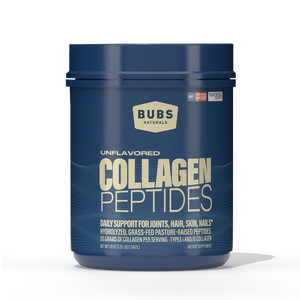
Not all collagen is created equal, and the ingredients list plays a major role in how long a product lasts. A clean, single-ingredient product like our Collagen Peptides will generally have a longer stable shelf life than a product loaded with "extras."
Flavors and Sweeteners
If your collagen contains natural flavors, fruit extracts, or sweeteners like stevia or monk fruit, those components may expire faster than the collagen itself. Natural flavors are often more volatile and can lose their scent or turn bitter over time. If you have a flavored collagen powder that is past its date, the taste is likely the first thing that will go bad.
Added Vitamins
Many collagen supplements include Vitamin C because it is a critical cofactor for collagen synthesis—meaning it helps your body actually use the collagen you ingest. However, Vitamin C is notoriously unstable. It is highly sensitive to light and heat. If your collagen contains added vitamins, those nutrients will likely lose their potency much faster than the protein. Taking an expired multi-ingredient collagen might mean you’re getting the protein but missing out on the essential vitamins that make it effective.
Why Freshness Matters for Active Lifestyles
If you’re training hard, your body is in a constant state of breakdown and repair. You use supplements to bridge the gap and speed up that recovery process. When you use a fresh, high-quality supplement, you are ensuring your body has the raw materials it needs to rebuild connective tissue and keep your joints moving smoothly.
Using old, degraded supplements is like trying to build a house with weathered, brittle lumber. It might look like a board, but it won’t hold the weight the way it should. We focus on providing products that are third-party tested and NSF for Sport certified because we know that for athletes and veterans, "close enough" isn't good enough. You need the full potency of every scoop to stay in the game.
How to Store Collagen for Maximum Shelf Life
If you want to make sure your collagen lasts until the very last scoop, how you store it matters more than the date on the tub. Most people make the mistake of keeping their supplements in the kitchen or the bathroom—the two rooms with the most heat and humidity.
The Ideal Environment
Store your collagen in a cool, dark, and dry place. A pantry that stays at room temperature is perfect. Avoid the top of the refrigerator, as the heat from the appliance can warm the container. Keep it away from windows where direct sunlight can cause the plastic tub to heat up and accelerate the breakdown of the powder.
Keep the Moisture Out
Every time you open the tub, you expose the powder to the humidity in the air.
-
Seal it tight: Make sure the lid is threaded correctly and closed completely after every use.
-
Use a dry scoop: Never use a wet spoon or wet hands to dig out a scoop. Even a single drop of water can cause clumping and lead to mold growth over time.
-
Don't refrigerate: Unless the label specifically says otherwise, keep your powder at room temperature. Moving a tub in and out of the fridge can cause condensation to form inside the container, which is exactly what you want to avoid.
Note: If you live in a very humid environment, you might consider transferring your powder to a vacuum-sealed glass jar. This provides an extra layer of protection against the air.
Form Matters: Powder vs. Liquid vs. Gummies
The physical form of your collagen also dictates its expiration risks.
Powdered Collagen is the most stable. It has the lowest "water activity," which is a fancy way of saying it’s too dry for most bugs to live in. As long as it stays dry, it can last for years.
Liquid Collagen is a different story. Because it contains water, it requires preservatives to keep it safe. Once you open a bottle of liquid collagen, the clock starts ticking much faster. It is far more susceptible to bacterial growth and usually needs to be consumed within 30 to 60 days of opening.
Collagen Gummies fall somewhere in the middle. They contain moisture and sugars, which can degrade or crystallize over time. Gummies are also very sensitive to heat; if they melt and fuse together, the texture and nutrient distribution are compromised.
Bottom line: If you want a supplement that can sit in your pantry for a long time without losing its edge, stick to high-quality powders.
Choosing Quality Over Convenience
When you’re looking at that expired tub, you have to ask yourself why you’re taking it in the first place. Most of us take collagen because we want to feel better, move easier, and recover faster. If the product is so old that its effectiveness is in question, you’re not really supporting those goals.
We recommend choosing products with simple, clean labels. Our Collagen Peptides are sourced from grass-fed, pasture-raised bovine hides and contain nothing but hydrolyzed collagen. No fillers, no mysterious "flow agents," and no BS. When a product is that clean, it’s easier to store and easier for your body to process.
Additionally, look for brands that prioritize third-party testing. This ensures that what is on the label is actually in the tub, and that the product is free from contaminants that could shorten its shelf life or harm your health.
Safety and Environmental Responsibility
If you’ve decided that your collagen is too old to use—maybe it’s clumped or it smells like a dusty attic—you need to dispose of it properly. You don't need to do anything special; you can simply toss the powder in your regular trash. However, we encourage you to recycle the plastic container. Most supplement tubs are made from HDPE (High-Density Polyethylene), which is widely accepted at recycling centers.
If the collagen is just a month or two past the "Best By" date and looks perfectly fine, you can still use it, but pay attention to your results. If you notice your joint stiffness returning or your recovery slowing down, it’s a clear sign that the peptides have lost their punch.
Final Thoughts on Freshness and Purpose
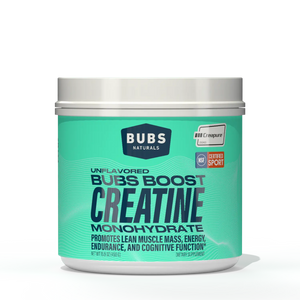
At the end of the day, your wellness routine should be built on a foundation of quality. Whether you’re a veteran staying active, a weekend warrior, or someone just looking to feel more mobile in their daily life, you deserve supplements that work as hard as you do, including Creatine Monohydrate.
We take this seriously because our brand is built on a legacy of service and adventure. We named our company after Glen "BUB" Doherty, a Navy SEAL who lived a life of purpose and high standards. In his honor, we donate 10% of all our profits to veteran-focused charities—our 10% Rule. We apply those same high standards to every product we make, ensuring they are clean, effective, and ready for whatever adventure you have planned.
If your collagen is questionable, don't sweat it. Compost it, recycle the tub, and start fresh with a product you can trust. Your body will thank you for it.
- Check for "Best By" dates, not just "Expiration" dates.
- Inspect for clumping, smell, and color before using.
- Store in a cool, dark, dry place to maximize longevity.
- Prioritize fresh, high-quality powders for the best recovery results.
"Quality is not an act, it is a habit." — This applies to your training, your diet, and the supplements you choose to fuel your life.
FAQ
Is it dangerous to take expired collagen?
In most cases, taking expired collagen powder is not dangerous, but it is less effective. Because it is a dry protein, it doesn't spoil like fresh food; however, if moisture has entered the tub, mold or bacteria could grow, making it unsafe. Always check for clumps or bad smells before consuming.
How long does collagen powder really last?
Most high-quality collagen powders have a shelf life of 2 to 3 years from the date of manufacture. If the seal is unopened and it has been stored in a cool, dry place, it may remain safe to consume for several months past the "Best By" date, though its potency will gradually decline.
Does collagen lose its benefits after the expiration date?
Yes, the primary issue with expired collagen is the loss of potency. Over time, the amino acid chains can degrade through oxidation, meaning the peptides may not support joint, skin, and hair health as effectively as a fresh batch would.
Can I store collagen in the fridge to make it last longer?
It is generally not recommended to store collagen powder in the refrigerator. The constant change in temperature when you take the tub out can cause condensation to form inside, introducing moisture that leads to clumping and spoilage. A cool, dry pantry is the best place for storage.