Table of Contents
- Introduction
- What Is Third-Party Testing?
- Bulk Supplements Testing Standards
- Understanding NSF Facility vs. Product Certification
- The Importance of cGMP Compliance
- Why Purity Matters for Creatine
- How to Verify Testing for Your Supplements
- What Professional Athletes Look For
- Comparing Supplement Labels
- Potential Risks of Untested Supplements
- The Role of Transparency in Wellness
- Conclusion
- FAQ
Introduction
Choosing the right supplements involves more than just looking at the price tag or the protein count. You want to know that what is on the label is exactly what is in the bag. When you are pushing your limits in the gym or out on the trail, your body deserves clean, verified fuel. Bulk Supplements has gained a massive following for its no-frills approach to nutrition, but many users wonder if these budget-friendly options meet rigorous safety standards.
In this guide, we will look into whether Bulk Supplements creatine undergoes third-party testing and what those certifications actually mean for your health. We at BUBS Naturals believe that transparency is the foundation of performance, and understanding these testing protocols is the first step toward a better recovery routine. If you are comparing clean creatine options, our Creatine Monohydrate is a good place to start. This article covers the specific testing standards Bulk Supplements uses, the difference between facility and product certifications, and how to verify the purity of your creatine.
What Is Third-Party Testing?
Third-party testing is a process where a company sends its products to an independent laboratory that has no financial stake in the brand. This lab checks the supplement for several critical factors to ensure safety and quality. Without this outside verification, a consumer is essentially forced to take a brand at its word.
The most common things these labs look for include heavy metals like lead or mercury, harmful bacteria such as E. coli or salmonella, and the actual potency of the active ingredient. For a product like creatine monohydrate, the lab confirms that the powder is actually creatine and not a cheap filler like maltodextrin. This process provides a layer of security that internal "in-house" testing simply cannot match.
In the supplement industry, a lack of regulation means that many products can hit the shelves without ever being checked by an outside source. This is why looking for specific seals and certifications is so important for anyone serious about their wellness.
Quick Answer: Yes, Bulk Supplements creatine is third-party tested. The company utilizes independent, US-based laboratories to verify the purity and safety of their products before they are distributed to consumers.
Bulk Supplements Testing Standards
Bulk Supplements operates out of a facility in Henderson, Nevada, that is registered with the FDA. According to their company data, they test each supplement through a third-party laboratory before it ever reaches a customer. This is a critical step for a brand that sells hundreds of different raw ingredients in large quantities.
They primarily focus on testing for contaminants and ensuring the identity of the ingredient matches the label. For their micronized creatine monohydrate, this means the lab verifies that the particle size is consistent and that the product is free from common allergens like soy, dairy, or gluten.
While they do perform extensive testing, they do not always print the results directly on the packaging. Instead, they make Certificates of Analysis (COAs) available upon request. A COA is a document that shows the specific lab results for a particular batch of product. If you want to see the proof for the bag sitting on your counter, you have to contact their customer service team to provide the batch number.
Understanding NSF Facility vs. Product Certification
One of the most confusing parts of supplement shopping is the term "NSF Certified." There is a major difference between an NSF-certified facility and an NSF-certified product. It is important to know which one you are getting when you buy creatine.
Bulk Supplements manufactured their products in an NSF-certified and cGMP (current Good Manufacturing Practices) facility. This means the building itself and the processes used to make the supplements meet high standards for cleanliness, organization, and documentation. However, an NSF-certified facility does not automatically mean every product made inside it is "NSF Certified for Sport."
The "NSF for Sport" certification is a much more rigorous level of testing. It involves checking every single batch for over 280 substances banned by major athletic organizations like the NFL, MLB, and the Olympics. While Bulk Supplements ensures their creatine is pure and safe for general use, it does not always carry the specific "NSF for Sport" mark that professional athletes often require.
Key Takeaway: A facility certification ensures the manufacturing environment is clean and compliant, while a product-specific certification (like NSF for Sport) guarantees that the individual supplement has been tested for banned substances and contaminants.
The Importance of cGMP Compliance
You will often see the acronym cGMP on supplement labels. This stands for "current Good Manufacturing Practices." These are regulations enforced by the FDA to ensure that manufacturers take proactive steps to guarantee that their products are safe, pure, and effective.
Being cGMP compliant means a company must have systems in place for:
- Consistent manufacturing processes
- Thorough record-keeping
- Testing of raw materials before production
- Proper training for all employees
- Rigorous cleaning protocols for equipment
Bulk Supplements maintains this compliance, which helps minimize the risk of cross-contamination or errors during the packaging process. For the average person looking to support their strength and recovery, cGMP compliance is a strong indicator of a reliable product.
Why Purity Matters for Creatine
Creatine monohydrate is one of the most researched supplements on the planet. It is designed to help your body produce more ATP, which is the primary energy source for short bursts of intense activity. Most people find that it supports their ability to perform more reps or maintain power during a heavy lift.
However, if your creatine is loaded with fillers or contains impurities, you might not get the full benefits. Lower-quality creatine can sometimes lead to digestive discomfort or bloating. Micronized creatine, which Bulk Supplements and other high-end brands offer, is processed into smaller particles. These smaller particles are designed to dissolve more easily in water, which many users report is easier on the stomach.
When you choose a product that has been third-party tested, you are ensuring that you aren't consuming heavy metals that can accumulate in your body over time. Purity isn't just about performance; it is about long-term health.
How to Verify Testing for Your Supplements
If you are skeptical about a brand’s claims, there are several steps you can take to verify their third-party testing. You don't have to just trust the marketing on the website.
First, look for a "Batch" or "Lot" number on your package. This is usually printed on the bottom or near the seal. Reliable companies use these numbers to track exactly when and where a product was made. You can then take this number and email the company's support team, asking for the Certificate of Analysis for that specific batch.
Second, look for independent logos. While Bulk Supplements provides COAs upon request, some brands go a step further by including the NSF or Informed Sport logo directly on the label. This means the product has undergone an even higher level of scrutiny.
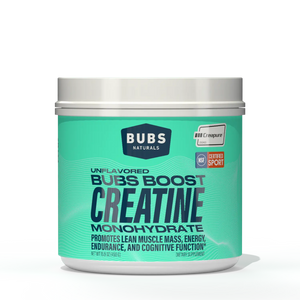
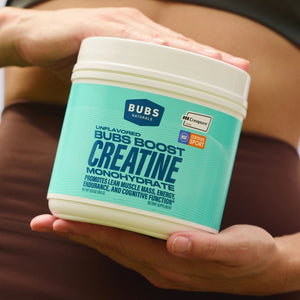
At BUBS Naturals, we take this very seriously. Our Creatine Monohydrate is a single-ingredient formula that is NSF for Sport certified. We believe that if you are putting something into your body every single day, you should have absolute certainty that it is clean. We prioritize this certification so that whether you are a professional athlete or a weekend warrior, you can trust the quality of your fuel.
Myth: All creatine is the same, so the cheapest one is always the best choice.
Fact: While the active ingredient is the same, the manufacturing standards, filtration processes, and third-party testing vary significantly between brands, impacting purity and safety.
What Professional Athletes Look For
If you are a competitive athlete, the stakes for third-party testing are much higher. A single contaminated supplement can lead to a failed drug test and a suspended career. This is why many athletes avoid "bulk" style supplements that don't carry the "Informed Sport" or "NSF for Sport" markings.
These certifications provide a "Gold Standard" of assurance. They ensure that there are no traces of steroids, stimulants, or other prohibited substances that could accidentally end up in a product during manufacturing. For the general fitness enthusiast, these certifications are still a great sign of quality, even if they aren't worried about drug testing. It shows that the brand is willing to pay for the most expensive and rigorous testing available to protect their customers.
Comparing Supplement Labels
When reading a label for Bulk Supplements or any other brand, look at the "Other Ingredients" section. In a high-quality creatine monohydrate, this section should be empty or nearly empty.
Bulk Supplements is known for having a very short ingredient list, often just containing the creatine itself. This is a positive sign. However, you should also check for the "Micronized" label. Micronization refers to the process of breaking down the powder into a finer consistency. This doesn't change the chemical makeup of the creatine, but it does significantly improve how well it mixes into your coffee, shake, or water.
Potential Risks of Untested Supplements
What happens if you use a supplement that hasn't been third-party tested? In many cases, nothing. You might get exactly what you paid for. However, the risks are real and should be considered.
The biggest risk is contamination with heavy metals like lead, arsenic, or cadmium. These metals can end up in the raw ingredients depending on where they are sourced and how they are processed. Over time, consuming these metals can lead to health issues.
Another risk is "label claim" inaccuracy. Some studies have found that a significant percentage of supplements on the market do not contain the amount of the active ingredient listed on the label. You might think you are getting 5 grams of creatine, but you are actually only getting 3 grams. Third-party testing holds companies accountable to their own labels.
The Role of Transparency in Wellness
Transparency is about more than just a lab report. It is about a brand’s philosophy. When a company is open about its sourcing, its manufacturing facility, and its testing protocols, it builds a relationship of trust with the consumer.
We believe that wellness should be simple. You shouldn't need a chemistry degree to understand what is in your pre-workout or your recovery drink. This is why we focus on clean ingredients and third-party certifications. When you know your supplements are tested, you can focus entirely on your training and your recovery, rather than worrying about what’s in the bag.
Conclusion
Bulk Supplements does provide third-party testing for their creatine monohydrate, and they manufacture their products in an NSF-certified and FDA-registered facility. This makes them a solid choice for those looking for a cost-effective, pure creatine option. However, for those who require the highest level of assurance against banned substances, it is worth looking for products that carry the specific "NSF for Sport" certification.
Our mission is to provide the cleanest, most effective supplements possible to help you live a life of adventure and purpose. We are proud to support the legacy of Glen "BUB" Doherty by donating 10% of our profits to veteran-focused charities. You can learn more in our BUBS story and our giving back to veterans commitment. This commitment to service is mirrored in our commitment to quality. Whether you choose our NSF for Sport certified Creatine Monohydrate or another trusted brand, always prioritize transparency and third-party verification in your wellness routine.
- Verify if a product is NSF Certified for Sport if you are a competitive athlete.
- Request a Certificate of Analysis (COA) to see the specific test results for your batch.
- Choose micronized creatine for better solubility and easier digestion.
- Stick to single-ingredient formulas to avoid unnecessary fillers and additives.
If you are ready to upgrade your recovery with a brand that puts transparency first, explore our Boosts collection and Creatine and Recovery guide, or pair creatine with Collagen Peptides and Hydrate or Die for a more complete routine.
FAQ
Is Bulk Supplements creatine safe to use?
Many people report that Bulk Supplements creatine is a safe and effective part of their routine. The company tests for purity and contaminants in independent labs and manufactures its products in an NSF-certified, cGMP facility to ensure quality standards are met.
How do I get a Certificate of Analysis from Bulk Supplements?
To see the specific lab results for your product, you must contact their customer service team directly. Provide the lot or batch number found on your packaging, and they can send you the COA that shows the purity and safety testing for that specific run.
Is Bulk Supplements creatine NSF Certified for Sport?
While their facility is NSF certified and they perform third-party testing, their creatine monohydrate does not always carry the specific "NSF for Sport" logo. This specific certification is the one required by many professional athletes to guarantee the product is free from banned substances.
Does Bulk Supplements creatine contain any fillers?
Their micronized creatine monohydrate is typically a single-ingredient product with no added sugar, dairy, soy, or gluten. This "no-frills" approach is one of the reasons they are popular with people who want pure supplements without unnecessary additives.