Table of Contents
- Introduction
- The Electrical Foundation: What Exactly Are Electrolytes?
- The Magnificent Seven: Key Electrolytes and Their Unique Roles
- The Symphony of Systems: How Electrolytes Impact Your Body
- When the Balance Tips: Understanding Electrolyte Imbalances
- Fueling Your Adventure: Supporting Electrolyte Balance with BUBS Naturals
- Conclusion
- FAQ
Introduction
Imagine your body as a sophisticated machine, operating on an intricate network of electrical signals. Every muscle contraction, every thought, every heartbeat is orchestrated by an unseen conductor: electrolytes. These vital minerals are often relegated to the realm of sports drinks, but their influence stretches far beyond the athletic field, touching every aspect of our well-being. They are the unsung heroes maintaining balance and facilitating countless biological processes that keep us moving, thinking, and thriving.
In a world where we constantly push our limits—whether on a mountain trail, in a demanding workout, or simply navigating the daily hustle—understanding these fundamental components becomes paramount. Electrolytes are not merely about preventing cramps; they are the bedrock of proper hydration, nerve transmission, muscle function, and even the delicate pH balance within our cells. This post will delve deep into the essential functions of electrolytes, demystifying their roles and highlighting why their optimal balance is non-negotiable for a life of adventure and sustained wellness. We’ll explore the key players, their individual responsibilities, and how an imbalance can ripple through your entire system, all while connecting back to our commitment at BUBS Naturals to providing clean, science-backed solutions for your active lifestyle.
The Electrical Foundation: What Exactly Are Electrolytes?
At their core, electrolytes are minerals that carry an electric charge when dissolved in a liquid, such as water or your body fluids. This electrical property is what makes them so crucial for life. Think of them as tiny, charged particles that enable communication and transport throughout your body's vast network. Without them, the intricate symphony of biological processes would grind to a halt.
These charged particles are categorized into two main types: cations, which carry a positive charge, and anions, which carry a negative charge. In the body, these oppositely charged ions are always working to maintain electrical neutrality, both within cells (intracellular fluid) and in the spaces surrounding them (extracellular fluid). This delicate balance is vital for the movement of water, nutrients, and waste products across cell membranes, a process driven largely by osmosis.
The concept is similar to how a battery works; it relies on the movement of charged particles to generate energy. In our bodies, this energy powers everything from the simplest cellular reactions to complex physiological functions like nerve signal transmission and muscle contraction. Our body is approximately 60% water, meaning nearly every cell and fluid contains these essential electrolytes, constantly engaged in their critical tasks. Sourced primarily from the foods we eat and the fluids we drink, our kidneys meticulously regulate their levels, filtering out excess and ensuring a steady supply. However, factors like intense physical activity or illness can significantly impact this balance, underscoring the need for awareness and proactive support.
The Magnificent Seven: Key Electrolytes and Their Unique Roles
While many minerals contribute to our health, a select group of electrolytes plays particularly prominent roles in maintaining our body's critical functions. Each has its specialized tasks, yet they work in concert, like sections of an orchestra, to ensure harmony throughout the system.
Sodium: The Fluid Regulator
Sodium is arguably the most recognized electrolyte, often associated with salt. It is the most abundant positively charged ion (cation) in the extracellular fluid, meaning the fluid outside your cells. Its primary role is nothing short of foundational: maintaining fluid balance. Sodium helps regulate the amount of water in your body, influencing blood volume and blood pressure. Beyond hydration, it is indispensable for nerve impulse transmission and facilitating the absorption of essential nutrients into cells.
When sodium levels become imbalanced, the effects can be profound. Too much sodium, a condition known as hypernatremia, can lead to confusion, behavioral changes, unusually strong reflexes, and even seizures. Conversely, too little sodium, or hyponatremia, can manifest as confusion, irritability, muscle weakness, nausea, vomiting, and in severe cases, seizures and coma. For anyone pushing their limits, like a long-distance runner or someone working outdoors in the heat, significant sweating can lead to rapid sodium loss, highlighting why replenishing this electrolyte is so crucial.
Potassium: The Heart and Muscle Maestro
Potassium is sodium's intracellular counterpart, meaning it is the primary positively charged ion found inside your cells. The intricate dance between sodium and potassium, facilitated by the sodium-potassium ATPase pump, is central to cell membrane potential, nerve impulse generation, and muscle contraction. This dynamic duo ensures that electrical signals are properly transmitted, allowing muscles to contract and relax efficiently.
Potassium is especially critical for heart function, where even slight imbalances can lead to serious cardiac problems. Low potassium, or hypokalemia, can cause muscle weakness, cramps, and in severe cases, rhabdomyolysis (muscle tissue breakdown) and life-threatening heart arrhythmias. High potassium, hyperkalemia, can also lead to muscle weakness, paralysis, and irregular heart rhythms. For athletes experiencing post-workout fatigue or muscle twitching, inadequate potassium can often be a contributing factor, underscoring its importance for sustained physical output.
Chloride: The pH and Volume Supporter
Chloride, the negatively charged ion (anion) of chlorine, is the second most abundant anion in the body, primarily found in the extracellular fluid. It works hand-in-hand with sodium to maintain the body's fluid balance and blood volume. Chloride also plays a significant role in helping to maintain the body's natural pH balance. It's a key component of stomach acid (hydrochloric acid), essential for digestion.
An imbalance in chloride, such as hyperchloremia (too much) or hypochloremia (too little), can disrupt acid-base balance, leading to conditions like acidosis (too acidic) or alkalosis (too alkaline). Symptoms can range from nausea and fatigue to confusion and irregular heartbeats.
Magnesium: The Multi-Tasking Mineral
Magnesium, another vital positively charged ion, is an intracellular powerhouse involved in over 300 enzymatic reactions in the body. It's crucial for energy production (ATP metabolism), proper muscle and nerve function, blood glucose control, and blood pressure regulation. Magnesium also plays a role in protein synthesis, bone development, and the structural integrity of DNA and RNA. Furthermore, it supports brain health, contributing to a healthy stress response and overall neurological function.
Hypomagnesemia (low magnesium) can manifest as muscle weakness, twitching, cramps, and heart arrhythmias, often seen in connection with calcium and potassium deficiencies. Hypermagnesemia (high magnesium) is less common but can lead to heart rhythm changes, weakened reflexes, and breathing difficulties. For those who experience muscle twitches or fatigue after intense training, magnesium replenishment can be a crucial part of their recovery strategy.
Calcium: Beyond Bones and Teeth
While renowned for its role in building strong bones and teeth, calcium is a ubiquitous electrolyte with a far broader impact. This positively charged ion is essential for muscle contraction, including the vital contractions of the heart. It's also critical for nerve impulse transmission, blood clotting, and the secretion of hormones.
Both hypocalcemia (too little calcium) and hypercalcemia (too much calcium) can lead to a wide array of symptoms affecting the brain (confusion, fatigue), muscles (spasms, weakness), kidneys (stones, frequent urination), and heart (arrhythmias). The body meticulously regulates calcium levels, with support from hormones like parathyroid hormone and calcitonin, alongside vitamin D, to ensure proper balance.
Phosphate: The Energy Currency Builder
Phosphate, a phosphorus-based molecule, is primarily an intracellular anion. It's a cornerstone of metabolic pathways, acting as a key component of ATP (adenosine triphosphate), the body's primary energy currency, and nucleotides, which are the building blocks of DNA and RNA. Phosphate also works synergistically with calcium in maintaining bone and teeth health.
Imbalances like hypophosphatemia (low phosphate) can initially cause muscle weakness, progressing to severe symptoms such as muscle tissue breakdown, seizures, and impaired heart and breathing function. Hyperphosphatemia (high phosphate) can cause hypocalcemia as the body tries to balance the minerals, leading to itching and symptoms associated with low calcium.
Bicarbonate: The Acid-Base Buffer
Bicarbonate is a negatively charged ion formed in the body from carbon dioxide. Its primary and critical role is to maintain the body's acid-base balance, specifically the pH of the blood. It acts as a buffer, neutralizing excess acids or bases to keep blood pH within a very narrow, healthy range (7.36 to 7.44).
If bicarbonate levels are too low, the blood can become too acidic (acidosis), leading to fatigue, nausea, rapid breathing, and confusion. If levels are too high, the blood becomes too alkaline (alkalosis), with symptoms including confusion, apathy, arrhythmias, and muscle twitching. The kidneys play a major role in regulating bicarbonate to ensure this vital balance is maintained.
The Symphony of Systems: How Electrolytes Impact Your Body
The individual roles of electrolytes are impressive, but their true power lies in their collective action. They don't operate in isolation; instead, they form an intricate network, enabling a symphony of physiological processes vital for life. Understanding how these minerals interact sheds light on why their balance is non-negotiable for anyone pursuing an active, adventurous lifestyle.
Hydration and Fluid Balance
At the forefront of electrolyte function is their profound impact on hydration. Water, the most abundant molecule in our body, is constantly moving between our cells and their surroundings. This movement, governed by a process called osmosis, is dictated by the concentration of solutes—primarily electrolytes. Electrolytes act like tiny magnets, attracting and holding water where it's needed most. For instance, sodium is pivotal in regulating extracellular fluid volume, directly influencing blood pressure and the overall hydration status of your tissues.
When you're out on a long hike, pushing through a tough workout, or simply spending time in a hot climate, your body loses fluids and electrolytes through sweat. Replenishing both is crucial. Water alone isn't always enough because it can dilute the remaining electrolytes, potentially worsening an imbalance. This is where a focused approach to hydration becomes essential. Our Hydration Collection, featuring options like Hydrate or Die – Lemon and Hydrate or Die – Mixed Berry, is designed to deliver performance-focused electrolytes without added sugar, supporting fast and effective fluid absorption to keep you optimally hydrated. It’s about more than just quenching thirst; it’s about restoring the electrical balance that powers every cellular function.
Nerve and Muscle Function
Beyond hydration, electrolytes are the very currency of communication in your nervous system. Nerve cells generate electrical impulses, known as action potentials, which are the fundamental signals allowing your brain to communicate with the rest of your body. This process relies on the rapid movement of sodium and potassium ions across nerve cell membranes. These ions create the electrical charges necessary for signals to fire, enabling everything from sensory perception to voluntary movement.
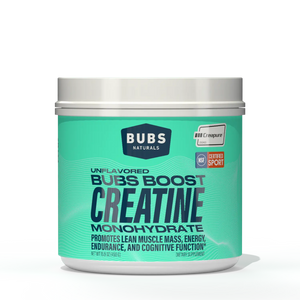
Similarly, every muscle contraction, from the blink of an eye to the powerful thrust of a sprint, is dependent on electrolytes. Calcium ions, in particular, play a direct role in initiating muscle fiber contraction, while potassium and magnesium are critical for proper relaxation and sustained function. An imbalance can lead to muscle weakness, spasms, or even severe cramping, hindering physical performance and recovery. For those looking to support strength and power in their training, foundational muscle function is paramount, and complementing your regimen with Creatine Monohydrate alongside proper electrolyte balance can be a game-changer.
Maintaining pH Equilibrium
The body is remarkably sensitive to changes in its acid-base balance, or pH. Even slight deviations from the optimal range can have detrimental effects on enzyme function, protein structure, and overall cellular health. Electrolytes, especially bicarbonate and chloride, play a vital role in buffering the blood, neutralizing excess acids or bases to maintain this delicate equilibrium. For example, bicarbonate acts as a critical buffer, helping to transport carbon dioxide, a metabolic waste product, to the lungs for excretion. This constant regulation is crucial for metabolic processes to function efficiently and for overall systemic health.
Nutrient Delivery and Waste Removal
Electrolytes also act as molecular gatekeepers, facilitating the movement of nutrients into your cells and ushering waste products out. Through active transport mechanisms, powered by electrolyte gradients, essential compounds like glucose and amino acids are efficiently delivered where they're needed for energy production and cellular repair. Simultaneously, metabolic waste products are transported to organs like the kidneys for excretion. This continuous exchange is fundamental to cellular health and overall metabolic efficiency, ensuring that your body runs cleanly and effectively.
In essence, electrolytes are the invisible architects of your physical capabilities and inner balance. By supporting their optimal levels, particularly during periods of increased demand, you empower your body to perform at its best, recover more effectively, and embrace every adventure with vitality.
When the Balance Tips: Understanding Electrolyte Imbalances
Despite their critical roles, electrolyte levels are not static. They are constantly fluctuating, influenced by everything from your diet and hydration status to your activity level and overall health. When this delicate balance is disrupted—when one or more electrolytes become too high or too low—an imbalance occurs, and the body's symphony can quickly turn discordant.
Causes of Imbalance
Several factors can tip the scales, leading to an electrolyte imbalance:
-
Heavy Sweating: One of the most common culprits, especially for active individuals. Intense exercise, prolonged exposure to heat, or strenuous outdoor activities can lead to significant losses of sodium, potassium, and chloride through sweat. If these aren't adequately replaced, imbalances can swiftly develop.
-
Illness: Conditions like severe vomiting or diarrhea cause rapid fluid and electrolyte loss. Fevers can also contribute to dehydration and electrolyte depletion.
-
Inadequate Fluid Intake or Excessive Water Intake: Not drinking enough fluids can lead to dehydration and concentrated electrolyte levels. Conversely, drinking too much plain water without replenishing electrolytes can dilute existing levels, particularly sodium, leading to a dangerous condition called hyponatremia.
-
Certain Medications: Diuretics, commonly prescribed for high blood pressure or heart failure, can increase the excretion of potassium and other electrolytes. Other medications, like some antacids, can affect magnesium levels.
-
Kidney Issues: The kidneys are the body's primary regulators of electrolyte balance. If kidney function is impaired, they may struggle to excrete excess electrolytes or retain sufficient amounts, leading to chronic imbalances.
-
Endocrine Disorders: Conditions affecting glands like the adrenal, thyroid, or parathyroid glands can directly impact the regulation of electrolytes such as sodium, potassium, and calcium.
-
Lifestyle Factors: A diet consistently lacking in nutrient-rich foods can lead to chronic electrolyte deficiencies. Chronic alcohol misuse can also contribute to magnesium and potassium depletion.
Recognizing the Signs
The symptoms of an electrolyte imbalance can vary widely depending on which electrolyte is out of balance, the severity of the imbalance, and how quickly it developed. Some people might experience subtle, non-specific symptoms, while others could face severe and life-threatening complications.
General symptoms that might signal an electrolyte imbalance include:
-
Fatigue and Weakness: A common sign, especially with low potassium or magnesium.
-
Muscle Cramps, Spasms, or Weakness: Often linked to low sodium, potassium, calcium, or magnesium.
-
Headaches: Can be a symptom of hyponatremia or dehydration exacerbated by electrolyte loss.
-
Nausea and Vomiting: General signs of distress that can accompany many imbalances.
-
Confusion or Irritability: Particularly concerning with significant sodium imbalances.
-
Irregular Heartbeat (Arrhythmias): A serious symptom that often arises from severe potassium, calcium, or magnesium imbalances.
-
Dizziness or Lightheadedness: Especially when standing up too quickly, indicating fluid balance issues.
It's important to listen to your body and recognize these signals. While mild imbalances might be resolved through dietary adjustments and proper hydration, persistent or severe symptoms warrant professional medical advice. For athletes or individuals with active lifestyles, being proactive about maintaining electrolyte balance is a key strategy for avoiding performance dips and supporting overall wellness. This means not only staying hydrated with water but consciously replenishing lost minerals, especially after intense or prolonged physical exertion.
Fueling Your Adventure: Supporting Electrolyte Balance with BUBS Naturals
At BUBS Naturals, we believe in a no-BS approach to wellness, offering clean, functional, and science-backed supplements inspired by a life of adventure, purpose, and giving back. We understand that optimal electrolyte balance is a cornerstone of this philosophy, essential for supporting your energy levels, physical performance, and overall well-being. While a balanced diet and adequate water intake are always the first lines of defense, certain lifestyle factors—like intense workouts, long days outdoors, or simply the demands of a busy life—can increase your need for strategic electrolyte replenishment.
This is precisely why we developed our Hydration Collection. When you're pushing your limits, losing vital minerals through sweat, simply drinking water isn't enough to effectively restore balance. Our Hydrate or Die products, available in refreshing flavors like Hydrate or Die – Lemon and Hydrate or Die – Mixed Berry, provide performance-focused electrolytes with no added sugar. This means you get fast, effective hydration and support for muscle function without unnecessary ingredients. Whether you're conquering a peak, grinding through a tough gym session, or simply need to rehydrate on a hot day, our electrolytes are designed to mix effortlessly and get to work supporting your body's critical electrical systems. We prioritize rigorous third-party testing and certifications like NSF for Sport, ensuring that what you put into your body is nothing but the best, pure and effective.
Beyond immediate hydration, a holistic approach to wellness includes supporting your body's foundational health. To that end, our wider portfolio offers additional avenues for comprehensive support:
-
For Joint, Skin, Hair, and Nail Support: Our flagship Collagen Peptides are sourced from grass-fed, pasture-raised hydrolyzed collagen. They're easy-mixing and support not just recovery, but also the connective tissues that keep your adventurous spirit moving freely.
-
For Sustained Energy and Mental Clarity: Jumpstart your day or power through an afternoon slump with our MCT Oil Creamer or Butter MCT Oil Creamer. Derived from coconut oil, these clean creamers blend seamlessly into your coffee or shakes, providing sustained energy to fuel your endeavors.
-
For Strength and Performance: If your adventures include pushing physical boundaries, our pure Creatine Monohydrate is a single-ingredient solution to support strength, power, and overall training performance.
-
For Antioxidant Activity: Support your body's natural defenses with our Vitamin C, featuring 500 mg with citrus bioflavonoids to aid antioxidant activity and collagen formation.
-
For Digestive and General Wellness: Make digestive support a convenient daily habit with our Apple Cider Vinegar Gummies, made with liquid ACV including "the Mother."
Every product we offer is a testament to our commitment to clean, high-quality ingredients that truly make a difference. We believe in providing you with the purest fuel for your journey, empowering you to live life to the fullest. This dedication extends beyond our products; in honor of our namesake, Glen "BUB" Doherty, we proudly donate 10% of all profits to veteran-focused charities. When you choose BUBS Naturals, you're not just supporting your own wellness; you're contributing to a larger purpose, fostering adventure, wellness, and a legacy of giving back. Explore our Hydration Collection today and feel the BUBS difference in your daily endeavors.
Conclusion
Electrolytes are far more than just buzzwords on a sports drink label; they are the fundamental electrical conductors that govern nearly every essential process within your body. From orchestrating fluid balance and powering nerve impulses to driving muscle contractions and maintaining delicate pH equilibrium, these vital minerals are indispensable for sustained energy, peak physical performance, and overall well-being. Recognizing their profound impact and understanding the nuances of their balance is a crucial step towards optimizing your health and embracing a life of adventure with unwavering vitality.
At BUBS Naturals, we are dedicated to providing you with the cleanest, most effective tools to support your body's natural functions. We believe in empowering your active lifestyle through science-backed, thoughtfully sourced ingredients, ensuring you have the optimal fuel for every challenge and every journey. Just as Glen "BUB" Doherty embraced life with purpose and dedication, we strive to equip you with the means to do the same, always mindful of our mission to give back. Don't let imbalances hold you back from your next adventure. Take charge of your hydration and electrolyte needs with a trusted solution. Explore our full Hydration Collection and experience the difference of balanced, purposeful support for your body's electrical foundation.
FAQ
How do I know if I need electrolyte supplements?
While a balanced diet typically provides sufficient electrolytes for most individuals, factors like intense or prolonged exercise, heavy sweating due to hot climates, or certain illnesses (e.g., vomiting, diarrhea) can significantly deplete your body's electrolyte stores. Common signs of imbalance include muscle cramps, fatigue, headaches, dizziness, or unusual thirst. If you frequently experience these symptoms during or after physical activity, or if your lifestyle involves significant fluid loss, considering an electrolyte supplement like those in our Hydration Collection can be a smart way to support your body’s needs.
Can I get enough electrolytes from food and water alone?
For individuals with a healthy, varied diet and moderate activity levels, it's often possible to maintain adequate electrolyte levels through food and water. Many fruits, vegetables, nuts, and dairy products are rich in potassium, magnesium, and calcium. However, during periods of increased demand, such as endurance sports or working in high heat, the rate of electrolyte loss through sweat can exceed what diet alone can easily replenish. In these scenarios, supplementing with a clean, effective product like Hydrate or Die – Mixed Berry offers targeted support to help restore balance efficiently.
Are electrolyte drinks only for athletes?
No, electrolyte drinks are not exclusively for professional athletes. While they are invaluable for optimizing athletic performance and recovery, anyone experiencing significant fluid and electrolyte loss can benefit. This includes individuals working physically demanding jobs in hot environments, those battling a stomach bug with vomiting or diarrhea, or even people simply struggling to stay adequately hydrated throughout the day in warmer climates. The goal is to support the body’s essential functions for general wellness, not just peak performance. Our Hydration Collection is crafted for anyone seeking effective, sugar-free hydration support for their daily adventures.
What makes BUBS Naturals electrolytes different?
At BUBS Naturals, our electrolytes stand out due to our unwavering commitment to clean ingredients, functional effectiveness, and transparent sourcing. Our Hydrate or Die products are performance-focused, delivering key electrolytes without added sugar, artificial flavors, or unnecessary fillers. We prioritize rigorous third-party testing, including NSF for Sport certification, to ensure purity, potency, and safety. This no-BS approach means you're getting a supplement that genuinely supports your body's hydration and muscle function, allowing you to focus on your wellness journey with confidence. Plus, every purchase supports our mission to give back, with 10% of profits donated to veteran charities in honor of Glen "BUB" Doherty.