Table of Contents
- Introduction
- The Mechanics of Mineral Loss During Vomiting
- Which Electrolytes Are Most Affected?
- The Science of Dehydration and Hormonal Stress
- Recognizing the Signs of Imbalance
- How to Effectively Restore Balance
- Why Quality Matters in Recovery
- Long-Term Prevention and Maintenance
- Conclusion
Introduction
Whether it is a sudden bout of the stomach flu, food poisoning, or a grueling training session that pushed you past your limits, vomiting is a violent physical process. Most people focus on the immediate discomfort or the hydration they are losing, but the real issue often lies deeper in your internal chemistry. When you lose stomach contents, you are not just losing water; you are purging the essential minerals that keep your heart beating and your muscles firing.
At BUBS Naturals, we prioritize the science of recovery because we know that staying active requires a body that functions at its peak. Understanding the connection between gastrointestinal distress and mineral depletion is the first step in getting back on your feet. This guide explores the physiological impact of vomiting on your electrolyte levels and how to restore balance effectively.
Vomiting is one of the most common causes of rapid electrolyte imbalance, primarily affecting your levels of sodium, potassium, and chloride.
Quick Answer: Yes, vomiting causes electrolyte imbalance by purging mineral-rich gastric juices and triggering a hormonal response that forces the kidneys to excrete even more minerals. This loss can lead to conditions like hyponatremia (low sodium) and hypokalemia (low potassium), which require deliberate replenishment through fluids and mineral salts.
The Mechanics of Mineral Loss During Vomiting
To understand why vomiting is so hard on the body, you have to look at what is actually inside your stomach. It isn't just a holding tank for half-digested food. Your stomach produces gastric juice, a highly acidic "chemical cocktail" essential for digestion. This juice is packed with hydrogen, chloride, and potassium.
When you vomit, you are ejecting these concentrated ions from your system. This creates an immediate deficit. Unlike sweating, which is a controlled cooling mechanism, vomiting is an emergency evacuation. The body has no way to "filter" what it keeps and what it loses during this process.
Furthermore, the loss of fluid leads to dehydration. As your blood volume drops, your body enters survival mode. It activates a complex hormonal system designed to maintain blood pressure, but this system often comes at a cost to your mineral balance.
The Role of Gastric Juices
Gastric juice contains high concentrations of chloride and hydrogen. The loss of these specific ions leads to an acid-base imbalance known as metabolic alkalosis. When your body becomes too alkaline because it lost too much acid, it shifts how it handles other minerals like calcium and potassium. This chain reaction means that a single episode of vomiting can disrupt your entire metabolic environment.
Indirect Loss Through the Kidneys
The most surprising part of this process is that you don't just lose electrolytes through your mouth. Your kidneys, which act as the body’s primary filtration system, try to compensate for the loss of fluid and acid. As they attempt to keep your blood pH stable, they often end up dumping potassium into your urine. This is why vomiting frequently leads to a severe drop in potassium, even if your stomach didn't contain much potassium to begin with.
Bottom line: Vomiting causes a dual-threat loss: the direct ejection of minerals from the stomach and the indirect loss of minerals through kidney compensation.
Which Electrolytes Are Most Affected?
Not all minerals are affected equally. Some are lost in higher concentrations, while others are depleted as the body tries to fix the initial mess. Knowing which specific electrolytes are at risk helps you choose the right recovery strategy.
Sodium (The Fluid Regulator)
Sodium is the primary cation in your extracellular fluid. Its job is to hold onto water and maintain blood pressure. When you vomit, you lose sodium directly, but you also lose water. If you try to rehydrate with plain water only, you can accidentally dilute the remaining sodium in your blood. This leads to hyponatremia, a condition that causes brain fog, headaches, and in severe cases, seizures.
Potassium (The Heart Monitor)
Potassium is found mostly inside your cells. It is critical for muscle contractions and maintaining a steady heart rhythm. Because the kidneys excrete potassium as they try to balance the blood’s acidity after vomiting, levels can drop dangerously low (hypokalemia). This is why you might feel shaky or notice your heart racing after being sick.
Chloride and Magnesium
Chloride is often overlooked, but it is the "partner" to sodium and hydrogen. Losing chloride directly leads to an alkaline state in the blood. Magnesium, another vital mineral, is often lost during gastrointestinal distress as well. Without enough magnesium, your body cannot effectively absorb or retain potassium, making your recovery take much longer.
| Electrolyte |
Primary Role |
Effect of Vomiting |
Potential Symptoms |
| Sodium |
Fluid balance & blood pressure |
Depletion through fluid loss |
Headaches, confusion, fatigue |
| Potassium |
Heart rhythm & muscle function |
Secretion via kidneys/stomach |
Muscle cramps, palpitations |
| Chloride |
Acid-base balance |
Direct loss of stomach acid |
Muscle twitching, shallow breathing |
| Magnesium |
Enzyme function & nerve health |
General GI loss |
Weakness, tremors, insomnia |
The Science of Dehydration and Hormonal Stress
When you lose a significant amount of fluid through vomiting, your body perceives a "volume crisis." Your blood pressure drops because there is less liquid circulating in your veins. To fix this, your brain and kidneys work together to activate the Renin-Angiotensin-Aldosterone System (RAAS) and release Antidiuretic Hormone (ADH).
ADH tells your kidneys to stop making urine and start reabsorbing as much water as possible. While this saves water, it doesn't necessarily save electrolytes. At the same time, the hormone aldosterone tells the kidneys to reabsorb sodium to keep blood pressure up. To get that sodium back, the kidneys have to "trade" it for potassium.
This means your body is essentially sacrificing your potassium levels to keep your sodium levels high enough to prevent your blood pressure from crashing. This internal trade-off is one of the main reasons why electrolyte imbalances after vomiting are so complex.
Key Takeaway: Electrolyte imbalance isn't just about what you "threw up." It is the result of your body’s desperate attempt to maintain blood pressure and pH balance by trading one mineral for another in the kidneys.
Recognizing the Signs of Imbalance
It is normal to feel weak after being sick, but there is a difference between standard exhaustion and a clinical electrolyte imbalance. Knowing the signs allows you to intervene before the situation becomes an emergency.
Early Warning Signs
-
Dry Mouth and Thirst: This is the most basic sign of dehydration and sodium loss.
-
Muscle Cramps: Usually caused by a lack of magnesium or potassium.
-
Headaches: Often a result of sodium fluctuations affecting brain cell hydration.
-
Fatigue: Without proper mineral balance, your cells cannot produce energy efficiently.
Moderate to Severe Symptoms
If the imbalance progresses, you may experience "brain fog" or confusion. This is common when sodium levels drop too low. You might also notice heart palpitations or a "fluttering" feeling in your chest, which is a classic sign that your potassium or magnesium levels are inadequate.
Warning: If you experience an inability to keep any fluids down for more than 12 hours, develop a high fever, or experience fainting and severe confusion, seek medical attention immediately. Severe imbalances can lead to cardiac arrest or seizures.
Bottom line: Listen to your body's signals; muscle twitches and heart flutters are not just signs of tiredness—they are physiological cries for minerals.
How to Effectively Restore Balance
Recovering from a bout of vomiting requires a strategic approach. If you dump a gallon of plain water into your system immediately after being sick, you may actually make the electrolyte imbalance worse by diluting what little minerals you have left.
The "Sip, Don't Gulp" Rule
The stomach is often sensitive after vomiting. Start with small sips of fluid every five to ten minutes. This allows your body to absorb the moisture without triggering another vomiting reflex. Once you can tolerate small amounts, you can increase the volume.
Choosing the Right Fluids
Plain water is insufficient for recovery because it lacks the salts and sugars needed for optimal absorption. Your small intestine uses a "sodium-glucose cotransport" mechanism. This means that having a small amount of sugar along with sodium helps the water get into your bloodstream faster.
This is where a high-quality electrolyte replacement becomes essential. We designed BUBS Naturals Hydrate or Die to provide a precise balance of minerals without the excessive sugars and artificial dyes found in standard sports drinks. Using a base of organic coconut water and Himalayan sea salt, it provides the potassium and sodium your body is begging for after a crisis.
Myth: Sugary sports drinks are the best way to recover from the flu.
Fact: Many commercial sports drinks contain high amounts of sugar and very little actual potassium or magnesium. High sugar intake can sometimes worsen diarrhea or stomach upset. A clean, mineral-forward electrolyte powder is a more effective choice.
Gradual Refeeding
Once you can keep fluids down, move to "easy" foods. The traditional BRAT diet (Bananas, Rice, Applesauce, Toast) is popular because these foods are low in fiber and easy on the gut. Bananas, in particular, are helpful because they provide a natural source of potassium to help replace what the kidneys processed out.
Why Quality Matters in Recovery
When your system is compromised, the last thing you need is a cocktail of synthetic fillers, "natural" flavors that aren't natural, or excessive cane sugar. Your gut is already inflamed and sensitive. Clean ingredients are not a luxury in this scenario—they are a requirement for effective healing.
Our approach at BUBS Naturals is built on the "no BS" philosophy. We believe that if you are putting something in your body to help it recover, it should be as close to nature as possible. Using real salt and real fruit powders ensures that you are getting the bioavailable minerals your cells recognize.
Beyond the electrolytes, supporting your overall health helps you bounce back faster. Vitamin C is often depleted during times of physical stress and illness. Supplementing with a clean Vitamin C can support your immune system as it deals with the underlying cause of the vomiting, whether it’s a virus or a bacterial infection.
Bottom line: Recovery is about more than just "fluids"; it is about the quality and ratio of the minerals within those fluids.
Long-Term Prevention and Maintenance
While you can't always avoid a stomach virus, you can ensure your body is resilient enough to handle the stress. A body that is chronically under-hydrated or mineral-deficient will crash much harder when faced with an illness or extreme exertion.
Daily Hydration Habits
Don't wait until you are thirsty or sick to think about electrolytes. If you are an active individual, you are losing minerals through sweat every day. Making a daily habit of mineral-rich hydration ensures your "baseline" levels are high. This provides a safety net for your body if you do encounter a situation that causes rapid fluid loss.
Gut Health and Support
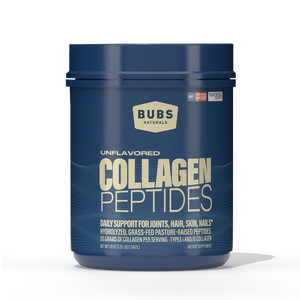
A healthy gut lining is better at absorbing electrolytes. Including collagen peptides in your daily routine can help support the integrity of your digestive tract. When your gut is strong, it can process fluids and minerals more efficiently, potentially reducing the severity of gastrointestinal distress in the future.
Conclusion
Vomiting is a significant physiological stressor that does more than just make you feel miserable; it systematically strips your body of the essential minerals needed for survival. From the direct loss of chloride in stomach acid to the indirect loss of potassium through the kidneys, the impact on your electrolyte balance is profound.
Recovery shouldn't be left to chance or low-quality sugary drinks. By focusing on high-quality mineral replacement and gradual rehydration, you can support your body’s natural ability to return to homeostasis. If you want to learn more about how we approach wellness and purpose, our Our Story page explains the mission behind the brand.
At BUBS Naturals, we are driven by the legacy of Glen "BUB" Doherty, a man who lived a life of peak performance and service. We carry that mission forward through our 10% Rule by donating 10% of all our profits to veteran-focused charities. We want you to feel empowered to tackle your next adventure, no matter what life throws at you.
Stay hydrated, stay prepared, and always prioritize the clean fuel your body deserves.
FAQ
How long does it take for electrolytes to balance after vomiting?
Most people can restore their electrolyte balance within 24 to 48 hours of consistent, small-dose replenishment. However, the timeline depends on the severity of the loss and how well you can keep fluids down. If symptoms like muscle cramps or brain fog persist after you’ve resumed eating, you may need more focused mineral support.
Can you drink too much water after vomiting?
Yes, drinking large amounts of plain water too quickly can lead to "water intoxication" or dilutional hyponatremia. Because you have lost salt along with the water, adding only water back into your system can cause your sodium levels to drop dangerously low. It is always better to rehydrate with a solution that contains sodium and potassium.
Why do I feel so weak even after I stop vomiting?
The weakness you feel is likely due to the depletion of potassium and magnesium, which are essential for cellular energy production and muscle function. Even after the vomiting stops, your body is still working to correct the acid-base balance in your blood, which takes significant metabolic energy.
Is coconut water good for electrolyte imbalance from vomiting?
Coconut water is an excellent natural source of potassium, which is one of the most common minerals lost during and after vomiting. However, it is relatively low in sodium compared to what is lost during a GI crisis. Combining coconut water with a pinch of sea salt or using an electrolyte powder with a coconut water base is often the most effective strategy.