Table of Contents
- Introduction
- The Essential Role of Electrolytes in Your Body
- When Your Body Might Need Extra Electrolyte Support
- The Risks of Electrolyte Overload and Misuse
- Sourcing Electrolytes: Food First, Supplement Smart
- Integrating Electrolytes into Your Daily Wellness Routine
- Conclusion
- FAQ
Introduction
Imagine hitting a wall during your workout, feeling sluggish and mentally foggy even after a full night's sleep, or struggling with recovery after a particularly intense day. These common scenarios often lead us to seek ways to optimize our bodies, and in today's wellness landscape, electrolytes have emerged as a significant topic of discussion. Once primarily associated with elite athletes, these essential minerals are now widely touted for their ability to support everything from daily hydration to peak physical performance. But with so much information available, a crucial question arises for many: should I take electrolytes every day?
Electrolytes — minerals like sodium, potassium, magnesium, calcium, and chloride — are far more than just "superfuel." They are fundamental to countless bodily functions, playing critical roles in nerve and muscle function, fluid balance, and even blood pressure regulation. Our bodies are incredibly adept at maintaining a delicate balance of these charged particles, primarily through a healthy diet and efficient kidney function. However, certain situations can disrupt this balance, leading to a need for replenishment beyond what regular food and water can provide.
This post will dive deep into the world of electrolytes, explaining what they are, why they're vital, and, most importantly, when and if daily supplementation is truly beneficial for your unique lifestyle. We’ll explore the signs your body might be signaling a need for extra support, the potential pitfalls of overconsumption, and how to make informed choices about incorporating them into your wellness routine. By the end, you'll have a clear understanding of how to listen to your body and leverage electrolytes wisely to support your adventurous life, grounded in the no-BS approach to wellness that defines our mission at BUBS Naturals.
The Essential Role of Electrolytes in Your Body
Electrolytes are aptly named because, when dissolved in fluids like blood, they carry an electrical charge. These charges are essential for conducting nerve impulses, contracting muscles (including your heart!), and maintaining your body's delicate fluid balance. Without these mineral powerhouses, our bodies simply wouldn't function.
Think of them as the unsung heroes behind the scenes, ensuring everything runs smoothly. Here’s a closer look at some key players and their primary functions:
-
Sodium: Crucial for fluid balance outside of cells, nerve impulse transmission, and muscle contraction. It's often lost in significant amounts through sweat.
-
Potassium: Works with sodium to regulate fluid balance, especially inside cells. It's vital for heart rhythm, muscle function, and nerve signals.
-
Magnesium: Involved in over 300 enzymatic reactions in the body, supporting muscle and nerve function, energy production, blood glucose control, and bone health.
-
Calcium: Best known for bone health, but also essential for muscle contraction, nerve signaling, and blood clotting.
-
Chloride: Partners with sodium to help maintain fluid balance and blood pressure.
-
Phosphate: Important for bone and teeth formation, and plays a role in energy storage and nerve function.
Our bodies are remarkably intelligent, equipped with sophisticated systems, primarily involving the kidneys, to regulate electrolyte levels. When you're in good health and consuming a balanced diet rich in fruits, vegetables, whole grains, and lean proteins, your body generally does an excellent job of maintaining this equilibrium. The kidneys filter excess electrolytes into urine and reabsorb what's needed, ensuring a constant, healthy balance. This natural regulation is why for many, a daily electrolyte supplement isn't always a necessity.
When Your Body Might Need Extra Electrolyte Support
While a healthy diet usually provides sufficient electrolytes, certain situations can increase your body's demand, pushing its natural regulatory systems to their limits. Understanding these scenarios is key to knowing when to consider supplementing your intake beyond plain water.
Intense or Prolonged Physical Activity
This is perhaps the most widely recognized scenario for electrolyte replenishment. When you engage in vigorous exercise for an extended period, especially in hot or humid conditions, you sweat—a lot. Sweat isn't just water; it's a saline solution containing significant amounts of sodium and chloride, along with smaller quantities of potassium, magnesium, and calcium. Losing these minerals without adequate replacement can lead to fatigue, muscle cramps, and a decline in performance.
For instance, an athlete training for a marathon might notice muscle twitches or a sudden drop in energy during long runs. This isn't just about needing water; it's about the electrolytes that enable proper muscle contraction and nerve communication. Our Hydration Collection is specifically designed with performance in mind, offering a clean, effective way to replenish these vital minerals without added sugars or artificial ingredients. Consider our Hydrate or Die – Lemon or Hydrate or Die – Mixed Berry for targeted electrolyte support during these demanding times.
Hot Climates and Heavy Sweating
It's not just elite athletes who face significant electrolyte loss. Anyone working outdoors in a hot environment, spending extended time in a sauna, or simply living in a scorching climate can experience substantial sweating. Think of construction workers, landscapers, or even someone enjoying a long hike on a summer day. In these conditions, the body's cooling mechanism—sweating—can deplete electrolyte stores rapidly. Proactive hydration with an electrolyte-enhanced drink can help prevent heat exhaustion and support normal bodily function.
Illnesses Involving Fluid Loss
Vomiting and diarrhea can quickly lead to severe dehydration and electrolyte imbalances, regardless of activity level. When your body is rapidly expelling fluids, it’s also losing essential minerals. In these instances, electrolyte solutions are often recommended to help restore balance and aid recovery, especially in children where the impact of fluid loss is even more pronounced due to their greater body surface area to weight ratio.
Certain Dietary Approaches
Individuals following low-carb or ketogenic diets may also experience increased sodium excretion. Lower insulin levels associated with these diets can trigger the kidneys to excrete more sodium through urination. When combined with a diet naturally lower in sodium (if avoiding processed foods), this can put individuals at risk for sodium deficiency, making careful electrolyte management a consideration.
In all these scenarios, simply drinking plain water might quench thirst but may not adequately replace lost electrolytes, potentially leading to a diluted blood sodium level (hyponatremia). This is why a balanced approach, considering both water and electrolyte replenishment, becomes crucial. Our goal at BUBS Naturals is to support you through all of life's adventures, ensuring you have the clean, functional tools you need to stay on top of your game. Our Hydration Collection is crafted to provide precisely what your body needs in these demanding moments.
The Risks of Electrolyte Overload and Misuse
While electrolytes are vital, the mantra "more is not always better" holds true. Consuming excessive amounts of electrolytes, especially when your body doesn't genuinely need them, can throw your system out of balance and lead to potential health concerns. Our kidneys are incredibly efficient at filtering out excess minerals, but even they can be overwhelmed, or compromised by underlying health issues.
Potential Side Effects of Overconsumption
An imbalance of electrolytes, whether too high or too low, can manifest in a range of uncomfortable and even dangerous symptoms:
-
Sodium (Hypernatremia): Too much sodium can lead to increased thirst, bloating, elevated blood pressure, confusion, and even seizures in severe cases. Given that many processed foods are already high in sodium, adding more through supplements without a clear need can push intake beyond healthy limits. The American Heart Association recommends limiting added sodium to 1,500 mg daily for most adults, yet many Americans consume far more.
-
Potassium (Hyperkalemia): While less common from supplements in healthy individuals, excessive potassium can cause irregular heartbeats, muscle weakness, and, in extreme cases, cardiac arrest. This is particularly concerning for individuals with kidney issues, as their kidneys may not efficiently remove excess potassium.
-
Magnesium (Hypermagnesemia): Too much magnesium can result in nausea, diarrhea, low blood pressure, and breathing difficulties.
-
Calcium (Hypercalcemia): Elevated calcium levels can lead to fatigue, kidney stones, and confusion.
Interestingly, many symptoms of electrolyte excess, like fatigue, nausea, and muscle cramps, can mimic the symptoms of deficiency, making it tricky to self-diagnose. This highlights the importance of listening to your body and consulting with a healthcare professional if you have persistent concerns.
The Problem with Added Sugars and Artificial Ingredients
Many commercially available electrolyte drinks, often disguised as "sports drinks," come loaded with added sugars, artificial sweeteners, flavors, and colors. While carbohydrates can provide quick energy for endurance athletes, for most people, this excess sugar is counterproductive. The American Heart Association advises limiting added sugar intake to about 6 teaspoons (100 calories) for women and 9 teaspoons (150 calories) for men daily. A single serving of some popular sports drinks can contain well over this amount.
At BUBS Naturals, we believe in a no-BS approach to supplements. That's why our Hydration Collection, including options like Hydrate or Die – Lemon and Hydrate or Die – Mixed Berry, is formulated without added sugars or artificial ingredients. We focus on providing clean, performance-focused electrolytes to support your body's natural functions without unnecessary additives, reflecting our commitment to quality and transparency.
When to Exercise Caution
Certain individuals need to be particularly cautious about electrolyte supplementation. This includes:
-
Individuals with kidney disease: Impaired kidney function can make it difficult to process and excrete excess electrolytes, leading to dangerous buildups.
-
People with high blood pressure: High sodium intake can exacerbate hypertension.
-
Pregnant women: Hormonal shifts and increased blood volume can affect electrolyte balance, necessitating careful monitoring.
-
Those on certain medications: Diuretics and some blood pressure medications can impact electrolyte levels, making supplementation a complex decision best guided by a doctor.
For these groups, or anyone with underlying health conditions, discussing electrolyte intake with a doctor or registered dietitian is paramount. Regular blood tests can help monitor electrolyte levels and ensure safe and effective supplementation. Our philosophy is rooted in science-backed wellness, encouraging you to make informed decisions that align with your individual health needs.
Sourcing Electrolytes: Food First, Supplement Smart
The most effective and safest way to ensure a balanced intake of electrolytes for most people is through a diverse and healthy diet. Nature provides an abundance of these essential minerals in whole, unprocessed foods, often accompanied by other beneficial nutrients like vitamins, fiber, and water.
Electrolyte-Rich Foods
Many everyday foods are excellent sources of electrolytes:
-
Potassium: Bananas, potatoes (especially with skin), avocados, spinach, sweet potatoes, oranges, and watermelon.
-
Magnesium: Leafy green vegetables (spinach, kale), nuts (almonds, cashews), seeds (chia, pumpkin), legumes (beans, lentils), and whole grains.
-
Calcium: Dairy products (milk, yogurt, cheese), fortified plant-based milks, kale, and tofu.
-
Sodium & Chloride: While table salt is the primary source, you also find these in olives, pickles, and some broths. Many people already consume more than enough sodium through processed foods, making mindful choices important.
-
Phosphate: Lean meats, fish, nuts, seeds, and dairy products.
Beyond solid foods, hydrating beverages like coconut water and bone broth also naturally contain a good profile of electrolytes. Even certain fruits and vegetables, like strawberries, cantaloupe, cucumber, and lettuce, contribute significantly to both your water and electrolyte intake. Incorporating these into your daily meals not only supports electrolyte balance but also provides a wealth of other nutrients vital for overall well-being.
When Supplements Play a Supporting Role
For those specific situations where diet and plain water might not be enough – such as intense exercise, heavy sweating in hot climates, or during recovery from illness – high-quality electrolyte supplements can provide targeted support. The key is to choose wisely, prioritizing clean ingredients and appropriate mineral ratios.
When evaluating an electrolyte product, consider:
-
No Added Sugar or Artificial Sweeteners: As discussed, unnecessary sugars can counteract your health goals. Look for products that rely on natural flavoring or are unflavored. Our Hydration Collection avoids these pitfalls, providing clean, effective hydration.
-
Balanced Electrolyte Profile: The best supplements provide a thoughtful blend of sodium, potassium, magnesium, and chloride, designed to mimic what the body loses through sweat. Avoid products that are excessively high in just one mineral.
-
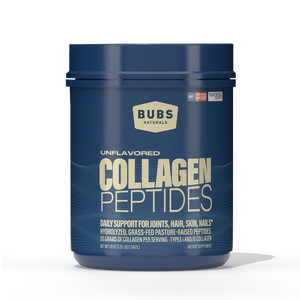
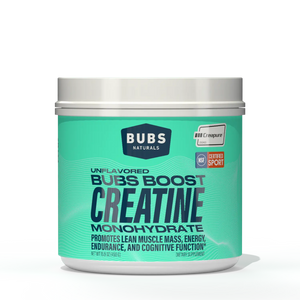
Third-Party Tested: Look for certifications like NSF for Sport, which indicate that a product has been rigorously tested for purity, potency, and absence of banned substances. This aligns with our no-BS approach at BUBS Naturals, where all our products, including our Collagen Peptides and Creatine Monohydrate, undergo stringent third-party testing.
-
Mixability and Convenience: For those with active lifestyles, an easy-to-mix powder or convenient travel pack can make a big difference. Our Hydration Collection products are designed to dissolve effortlessly, making them a seamless addition to your routine whether you're at the gym, on the trail, or just need a daily boost.
Remember, supplements are intended to supplement a healthy diet, not replace it. By focusing on whole foods first and using targeted, high-quality supplements when needed, you can effectively support your body's electrolyte balance and overall wellness. Our Hydrate or Die – Bundle offers a great way to integrate clean, effective hydration into your daily routine.
Integrating Electrolytes into Your Daily Wellness Routine
For most individuals leading an active, adventure-filled life, the decision of whether and how often to take electrolytes isn't a rigid daily requirement but rather a dynamic response to your body's signals and the demands of your environment. It's about smart, informed integration, not just blind supplementation.
Listening to Your Body
Your body has incredible ways of communicating its needs. Thirst is the most obvious indicator of hydration status. While it's true that by the time you feel thirsty, you're likely already slightly dehydrated, it's still a reliable signal. Pay attention to other subtle cues:
-
Urine Color: Pale yellow urine generally indicates good hydration. Darker urine suggests you need more fluids.
-
Energy Levels: Persistent fatigue or sluggishness, especially when accompanied by muscle weakness, could be a sign of electrolyte imbalance.
-
Muscle Cramps: While not always electrolyte-related, frequent muscle cramps, particularly during or after exercise, can point to a need for more sodium, potassium, or magnesium.
-
Headaches: Dehydration and electrolyte imbalance can sometimes trigger headaches.
Learning to interpret these signals allows you to adjust your fluid and electrolyte intake proactively.
Practical Strategies for Smart Electrolyte Use
-
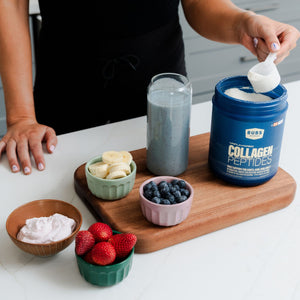
Daily Foundation: Start with a solid foundation of whole foods. Prioritize a diet rich in fruits, vegetables, and whole grains to naturally supply a broad spectrum of electrolytes. For additional daily support, consider incorporating products like our Apple Cider Vinegar Gummies for digestive wellness or Collagen Peptides for joint and connective tissue support, both contributing to overall vitality.
-
Exercise Context: If your workout is less than 75 minutes and not overly intense, plain water is likely sufficient. For longer, more strenuous sessions, especially in challenging environments, that’s when a product from our Hydration Collection becomes your go-to. Our Hydrate or Die – Mixed Berry can be easily mixed into your water bottle for sustained performance.
-
Environmental Factors: If you're spending a day outdoors in intense heat or traveling to a high-altitude location, proactively incorporating electrolytes can make a significant difference in how you feel and perform.
-
Morning Rituals: Many people enjoy starting their day with a coffee. Adding our MCT Oil Creamer – 10 oz Tub or Butter MCT Oil Creamer – 10 oz Tub can provide sustained energy and mental clarity, complementing your hydration efforts.
-
Recovery and Wellness: Beyond immediate exercise needs, general wellness can be supported by foundational supplements. Vitamin C from our Boosts Collection contributes to antioxidant activity and collagen formation, a perfect complement to overall health.
At BUBS Naturals, our commitment to clean, functional ingredients is inspired by the legacy of Glen “BUB” Doherty. We believe in providing you with science-backed supplements that support a life of adventure and purpose, without the hype or hidden additives. Our Hydration Collection exemplifies this ethos, offering a clean solution for those times when your body demands extra electrolyte support. Explore how our products can seamlessly fit into your routine and help you feel the BUBS difference.
Conclusion
The question of whether you should take electrolytes every day doesn't have a universal "yes" or "no" answer. For most people with a balanced diet and moderate activity levels, the body's natural regulatory systems, supported by whole foods and plain water, are perfectly sufficient. However, for those pushing their physical limits, exposed to extreme heat, or recovering from illness, targeted electrolyte replenishment becomes a valuable tool to maintain optimal function and well-being.
Our journey through the world of electrolytes has highlighted their undeniable importance, the specific scenarios where supplementation shines, and the critical need to choose clean, effective products. We’ve emphasized listening to your body, understanding its unique needs, and avoiding the pitfalls of overconsumption or reliance on sugary, artificial alternatives.
At BUBS Naturals, we are driven by a commitment to adventure, wellness, and giving back. This means providing you with transparent, science-backed supplements that support your active lifestyle without compromise. Our dedication, inspired by Glen “BUB” Doherty’s legacy, extends to ensuring our products are rigorously tested and free from unnecessary additives.
If your lifestyle involves intense training, long hours in the sun, or if you simply want to ensure your body is receiving optimal support for fluid balance and performance, then exploring our Hydration Collection is your next logical step. Our Hydrate or Die – Bundle offers a clean, effective way to integrate performance-focused electrolytes into your routine, helping you to stay hydrated and ready for whatever adventure comes next. Choose clean, live fully, and feel the BUBS difference.
FAQ
What are the main electrolytes, and why are they important?
The main electrolytes are sodium, potassium, magnesium, calcium, chloride, and phosphate. They are essential minerals that carry an electric charge when dissolved in body fluids. These charges are crucial for various bodily functions, including nerve impulse transmission, muscle contraction (including the heart), maintaining proper fluid balance, and regulating blood pressure and pH levels. Without sufficient and balanced electrolytes, our body's systems cannot function optimally.
How do I know if I need to take electrolyte supplements?
For most healthy individuals, a balanced diet rich in fruits, vegetables, and whole grains, combined with adequate water intake, provides enough electrolytes. However, you might benefit from electrolyte supplements if you: engage in prolonged, vigorous exercise (especially over 75 minutes), sweat heavily due to intense physical labor or hot, humid climates, are experiencing significant fluid loss from vomiting or diarrhea, or follow certain diets like ketogenic, which can increase sodium excretion. Signs of deficiency can include fatigue, muscle cramps, headaches, and dizziness. When in doubt, it's always best to consult a healthcare professional.
Can I get too many electrolytes? What are the risks?
Yes, it is possible to consume too many electrolytes, and "more is not always better." While your kidneys typically filter out excess minerals, an overload can disrupt your body's delicate balance. Excess sodium can lead to high blood pressure, bloating, and confusion. Too much potassium can cause irregular heartbeats and muscle weakness, which can be particularly dangerous for individuals with kidney issues. Over-consuming magnesium might result in diarrhea and low blood pressure. It's important to choose electrolyte products that are balanced and to avoid those with excessive amounts of added sugars or artificial ingredients. Our Hydration Collection is formulated to provide clean, balanced electrolytes without these unnecessary additives.
Should electrolyte drinks replace plain water for daily hydration?
No, electrolyte drinks should not replace plain water for your general daily hydration needs. Water remains the foundation of hydration for most people, most of the time. Electrolyte drinks are best utilized as a targeted tool for specific situations where significant fluid and mineral loss occurs, such as during intense physical activity, in hot environments, or during recovery from illness. For everyday hydration, stick to pure water. When you do need that extra boost, reach for a clean, sugar-free option like our Hydrate or Die – Lemon from the BUBS Naturals Hydration Collection.