Table of Contents
- Introduction
- The Science of Electrolytes: What Are They?
- Does Lemon Have Electrolytes?
- Breaking Down the Minerals in a Lemon
- Benefits of Adding Lemon to Your Water
- Performance vs. Daily Wellness: When Lemon Isn't Enough
- Who Should Use Lemon Water?
- How to Make Your Own Electrolyte Boost at Home
- The Role of pH and Alkalinity
- Hydration and Mental Clarity
- Why We Care About Your Hydration
- Conclusion
Quick Answer: Yes, adding lemon to water adds essential electrolytes, primarily potassium, magnesium, and calcium. While it is an excellent natural boost for daily hydration and flavor, it lacks the high sodium content required for recovery after intense exercise or heavy sweating.
Introduction
You have likely felt that familiar mid-afternoon energy crash where your focus slips and your water bottle feels like it is doing nothing. Maybe you have just returned from a long bike ride or a rucking session and plain water feels thin and unsatisfying. In these moments, your body is likely asking for more than just H2O. It is asking for electrolytes.
Many people reach for a lemon to squeeze into their glass, hoping for a natural hydration boost. At BUBS Naturals, we focus on providing clean, effective ways to fuel your performance and recovery. Understanding the mineral profile of what you consume is the first step toward better wellness.
This article explores whether lemon water is a sufficient source of electrolytes for your lifestyle. We will break down the specific minerals found in citrus, how they function in your body, and when you might need something more robust. Our goal is to help you build a hydration strategy that supports your adventures and your daily routine.
The Science of Electrolytes: What Are They?
To understand if lemon is a good electrolyte source, we must first define what electrolytes are. In the simplest terms, electrolytes are minerals that carry an electrical charge when they are dissolved in water or bodily fluids. These charged minerals are the reason your heart beats, your muscles contract, and your brain sends signals.
Your body acts as a biological machine that runs on electrical impulses. Electrolytes facilitate these impulses. They also regulate fluid balance through a process called osmotic balance. This process determines how much water enters and exits your cells. If you have ever felt "sloshy" after drinking too much plain water but still felt thirsty, it is likely because your electrolyte levels were too low to pull that water into your cells.
The primary electrolytes in the human body include:
-
Sodium: Maintains fluid balance and supports nerve impulses.
-
Potassium: Critical for muscle contractions and heart rhythm.
-
Magnesium: Involved in over 300 biochemical reactions, including energy production.
-
Calcium: Essential for bone health and the physical "sliding" of muscle fibers.
-
Chloride: Works with sodium to maintain osmotic pressure.
-
Phosphate: Helps the body metabolize nutrients and build DNA.
Key Takeaway: Electrolytes are electrically charged minerals that manage your body’s fluid balance and power every physical movement and thought you have.
Does Lemon Have Electrolytes?
The answer is a clear yes. Lemons are a natural whole-food source of several key minerals. When you squeeze a fresh lemon into your water, you are essentially creating a mild, natural electrolyte drink. However, the effectiveness of lemon water depends entirely on your level of activity.
The primary electrolyte in lemons is potassium. It also contains trace amounts of magnesium and calcium. Because these minerals come from a fruit, they are highly bioavailable. Bioavailability refers to how easily your body can absorb and use a nutrient. Your digestive system recognizes the citric acid and minerals in the lemon, making them easy to process compared to some synthetic additives.
Adding lemon to your water changes the chemistry of the drink. It makes the water slightly more structured, which many people find more refreshing than plain tap water. But to understand if it is "enough," we have to look at the hard numbers.
Breaking Down the Minerals in a Lemon
If you take a medium-sized raw lemon (about 60 grams), the mineral content is measurable but modest. While these numbers look small, they contribute to your daily goals when used as part of a balanced diet.
Potassium
Potassium is the most abundant electrolyte found in lemons. One lemon provides approximately 90 to 110 milligrams of potassium. Potassium is an intracellular electrolyte, meaning it primarily lives inside your cells. It works in direct opposition to sodium to help manage blood pressure and ensure your muscles do not cramp during movement.
Calcium
A single lemon contains about 15 to 17 milligrams of calcium. While this is only about 1% of the daily recommended value for an adult, it still plays a role. Calcium ions are necessary for the actual contraction of muscle tissue. Without enough calcium in the fluid surrounding your cells, your muscles cannot "grip" and move effectively.
Magnesium
You will get about 5 to 7 milligrams of magnesium from one lemon. Magnesium is often called the "relaxation mineral" because it helps muscles recover and supports a healthy nervous system. It is also a key player in converting the food you eat into cellular energy (ATP).
Sodium
This is the area where lemons are weakest. A single lemon contains less than 2 milligrams of sodium. Sodium is the electrolyte you lose in the highest concentration when you sweat. This is why sweat tastes salty. Because lemon water is nearly sodium-free, it is not considered a complete rehydration solution for high-intensity athletes.
Myth: Squeezing a lemon into water provides all the electrolytes you need for a marathon or heavy workout.
Fact: While lemons provide potassium and magnesium, they have almost no sodium. Sodium is the most important mineral to replace when you are sweating heavily.
Benefits of Adding Lemon to Your Water
Even if lemon is not a high-performance sports drink on its own, it offers several health benefits that support an active lifestyle. These benefits go beyond just basic mineral replacement.
Improved Behavioral Hydration
One of the biggest hurdles to staying hydrated is boredom. Many people simply do not like the taste of plain water. Adding lemon provides a crisp, tart flavor that encourages you to drink more throughout the day. If the flavor of lemon makes you drink two liters of water instead of one, the "electrolyte" benefit is secondary to the fact that you are actually meeting your fluid needs.
Vitamin C and Antioxidant Support
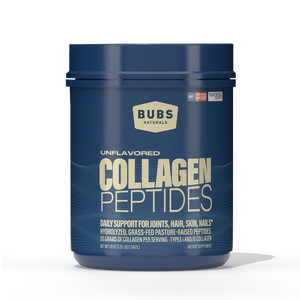
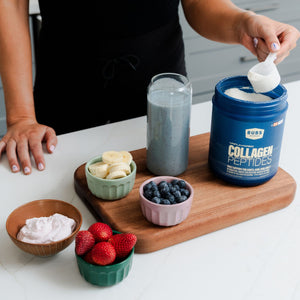
One lemon provides about 30 to 40 milligrams of Vitamin C. This is an essential antioxidant that helps fight oxidative stress. When you train hard, your body produces free radicals. Vitamin C helps neutralize these molecules, which may support faster recovery and a stronger immune system. Vitamin C is also a precursor to collagen, which is vital for maintaining the integrity of your joints and skin. If you want to support that recovery angle further, our Collagen Peptides are a natural next step.
Kidney Stone Prevention
Lemons are high in citric acid, which can increase urine volume and urine pH. This creates an environment that is less favorable for the formation of kidney stones. Specifically, the citrate in lemons binds with calcium in the urine, which may help prevent calcium-oxalate stones from forming.
Digestive Support
Many people find that a glass of warm lemon water in the morning helps "kickstart" their digestive system. The acidity of the lemon juice is similar to the hydrochloric acid found in your stomach. This can help the body break down food more efficiently and may reduce symptoms of indigestion or bloating after a meal.
Bottom line: Lemon water is a fantastic daily wellness tool that improves the taste of water, provides a boost of Vitamin C, and offers a small amount of potassium and magnesium to support basic cellular function.
Performance vs. Daily Wellness: When Lemon Isn't Enough
At BUBS Naturals, we believe in using the right tool for the job. Lemon water is an excellent tool for a rest day or a day spent at the office. However, it is important to know when you need to level up your hydration strategy.
When you exercise vigorously, you lose electrolytes through your sweat. The primary mineral lost is sodium, followed by chloride and potassium. If you only replace those losses with lemon water, you are getting the potassium, but you are missing the sodium. This can lead to a condition called hyponatremia, where the sodium levels in your blood become too diluted. Symptoms include headaches, confusion, and muscle weakness.
If you are training for more than 60 minutes, or if you are a "super sweater" who sees white salt streaks on your clothes after a workout, you need a balanced electrolyte profile. Our Hydrate or Die electrolyte powder is designed for these high-output moments. It provides a specific ratio of sodium, potassium, and magnesium that a lemon simply cannot match.
Lemon Water vs. Electrolyte Supplement Comparison
| Feature |
Lemon Water |
Dedicated Electrolyte Powder |
| Primary Mineral |
Potassium |
Sodium & Potassium |
| Sodium Content |
Negligible (<2mg) |
High (Optimized for sweat) |
| Vitamin C |
High (Natural) |
Varies by brand |
| Sugar Content |
None (Natural) |
BUBS has no added sugar |
| Convenience |
Requires cutting/squeezing |
Mixes instantly |
| Best For |
Daily wellness/Rest days |
Intense training/Rucking/Hiking |
Who Should Use Lemon Water?
Lemon water is a versatile choice, but it is particularly beneficial for certain groups of people.
Those Monitoring Sodium Intake
If you have been advised by a healthcare provider to follow a low-sodium diet, many commercial electrolyte drinks are off-limits because they are intentionally high in salt. Lemon water provides a way to get the "charged" benefits of potassium and magnesium without the sodium load.
Sedentary or Low-Intensity Lifestyles
If your primary activity is walking the dog or doing light yoga, you aren't losing massive amounts of minerals through sweat. In this case, the trace minerals in lemon water, combined with the minerals you get from your regular meals, are usually more than enough to maintain balance.
People Focused on Weight Management
Lemon water is a zero-calorie alternative to sodas, juices, and even some "fitness" waters that are loaded with hidden sugars. Replacing a sugary morning beverage with lemon water can help reduce daily calorie intake while still providing a refreshing start to the day.
How to Make Your Own Electrolyte Boost at Home
If you want the benefits of lemon but need a bit more "punch" for your workout, you can easily upgrade your lemon water. You do not need a chemistry degree to create a functional drink.
-
Add a Pinch of Sea Salt: By adding 1/16th of a teaspoon of high-quality sea salt to your lemon water, you bridge the sodium gap. This makes the drink much more effective for rehydration after a sweaty session.
-
Use Warm Water: Some evidence suggests that the body absorbs warm or room-temperature water more easily than ice-cold water, especially first thing in the morning.
-
Keep the Pulp: If you can tolerate the texture, including some of the lemon pulp increases the fiber and nutrient density of the drink.
-
Add Apple Cider Vinegar: For an extra digestive boost, a splash of apple cider vinegar, like the kind we use in our Apple Cider Vinegar Gummies, can complement the tartness of the lemon and provide additional organic acids.
The Role of pH and Alkalinity
There is a common misconception that because lemons are acidic, they make your body acidic. In reality, lemons have an alkalizing effect once they are metabolized. When your body breaks down the citric acid in lemons, it leaves behind an alkaline ash.
Maintaining a balanced internal pH is important for overall health, though your body is already very good at regulating its own blood pH through the lungs and kidneys. However, eating and drinking "alkalizing" foods like lemon water can support your body’s natural buffering systems, especially if your diet is high in processed foods or animal proteins.
Note: While lemon water is alkalizing for the body, the citric acid is still acidic on your teeth. To protect your enamel, consider drinking lemon water through a straw or rinsing your mouth with plain water afterward.
Hydration and Mental Clarity
Dehydration is one of the most common causes of "brain fog" and daytime fatigue. When your brain is even slightly dehydrated, it has to work harder to perform basic tasks. Because lemon water provides a small electrical boost via potassium, it can help clear that fog.
Potassium is essential for the electrical signaling between neurons. When you replenish your potassium levels, you are essentially ensuring that your "internal wiring" is functioning at full capacity. This is why many people report feeling a sense of mental "brightness" after switching from coffee to lemon water in the morning.
Why We Care About Your Hydration
At BUBS Naturals, our mission is rooted in the legacy of Glen "BUB" Doherty, a Navy SEAL who lived a life of adventure and service. We believe that to live a life like Glen's, you need products that actually work and ingredients that are as clean as possible.
Whether you are using a fresh lemon from your kitchen or one of our NSF for Sport certified supplements, the goal is the same: to help you feel better and perform longer. We don't believe in fillers or BS. We believe in simple, science-backed solutions that help you tackle whatever trail or challenge is in front of you. If you want to learn more about that mission, read Our Story.
Conclusion
Adding lemon to your water is a simple, effective way to increase your intake of essential electrolytes like potassium and magnesium. It is a powerful tool for daily wellness, offering benefits for digestion, skin health, and kidney function. While it may not replace a high-sodium electrolyte drink during intense physical exertion, it is a massive upgrade over plain water for the average day.
-
Lemon adds potassium: Great for heart and muscle health.
-
Encourages hydration: Flavor makes it easier to meet your water goals.
-
High in Vitamin C: Supports recovery and the immune system.
-
Low in sodium: Supplement with salt or a dedicated powder for heavy exercise.
If you are building out a broader routine, explore our Boosts Collection for targeted daily support and our Hydration Collection for higher-output days. We are proud to support your wellness journey through clean nutrition and a commitment to our community. In honor of Glen "BUB" Doherty, we donate 10% of all our profits to veteran-focused charities. When you choose to hydrate with intention, you are supporting a larger mission of purpose and adventure.
FAQ
Does lemon water have more electrolytes than plain water?
Yes, lemon water contains potassium, magnesium, and calcium, whereas most plain tap or bottled water contains only trace minerals. Adding lemon transforms plain H2O into a functional beverage that better supports cellular hydration and nerve function.
Can lemon water replace sports drinks?
Lemon water is an excellent replacement for sports drinks during low-intensity activities or for daily hydration. However, it lacks the high sodium levels found in sports drinks, which are necessary for rehydrating after intense, sweaty exercise lasting more than an hour. For those times, a dedicated option like Hydrate or Die is a better fit.
Is it better to drink warm or cold lemon water for electrolytes?
The temperature of the water does not change the amount of electrolytes present. However, room-temperature or warm water is often easier on the digestive system and may be absorbed slightly faster by the body than ice-cold water.
Will the acidity in lemon water hurt my stomach?
For most people, the acidity in lemon water actually aids digestion by mimicking natural stomach acids. If you have a history of severe acid reflux or ulcers, you should consult with a healthcare provider, but many find that it helps reduce bloating and indigestion.