






Table of Contents
- Introduction
- The Electrical Foundation: What Are Electrolytes?
- Key Electrolytes and Their Multifaceted Roles
- The Body's Master Regulators: How Electrolytes Are Kept in Check
- The Impact of Imbalance: When Regulation Goes Awry
- Supporting Your Electrolyte Balance Through Lifestyle
- Conclusion
- FAQ
Introduction
Beneath the surface of our everyday movements, thoughts, and physical endeavors, an intricate system of electrical charges is constantly at work, powering every cell and function. These unsung heroes are electrolytes – minerals with a natural electrical charge when dissolved in the body's fluids. Far from being a mere buzzword, these tiny ions are absolutely essential for everything from muscle contraction and nerve impulses to maintaining fluid balance and a stable heart rhythm. It’s a remarkable feat of biological engineering, but what exactly orchestrates this complex symphony to keep our bodies operating at their peak? In this deep dive, we'll explore the sophisticated mechanisms that regulate electrolytes in the body, unveiling how various organs and hormones collaborate to maintain this delicate balance. Understanding this inner regulation is key to appreciating our overall wellness and how we can best support our active, purposeful lives.
The Electrical Foundation: What Are Electrolytes?
At its core, life is an electrical phenomenon. Our bodies, roughly 60% water, are teeming with electrically charged particles known as ions. When these ions dissolve in water or other bodily fluids, they earn the name "electrolytes." They are the conductors of our internal biological circuitry, facilitating countless processes that are fundamental to health and vitality.
Think of electrolytes as the spark plugs of your body. They enable cells to generate and conduct electrical impulses, which are crucial for everything from the simple blink of an eye to the powerful contractions of your heart muscle. This electrical activity is also vital for chemical reactions, particularly in regulating hydration by balancing fluids both inside and outside our cells. The principle is simple yet profound: specific chemical elements naturally hold a positive or negative charge. When dissolved, they become ions—cations (positive charge) or anions (negative charge)—which then allow the fluid to conduct electricity.
These essential minerals are not created within the body; rather, we obtain them through the foods we eat and the liquids we drink. Once ingested, they are absorbed and distributed, playing their critical roles. Conversely, the body has equally sophisticated systems for removing excess electrolytes, primarily through the kidneys via urine and, notably, through sweat. This constant intake, utilization, and excretion are what make the regulation of electrolytes such a dynamic and vital process.
Key Electrolytes and Their Multifaceted Roles
To truly understand electrolyte regulation, we must first appreciate the specific contributions of each major player. These are the primary electrolytes that our bodies meticulously manage:
Sodium (Na+)
Sodium is arguably the most abundant electrolyte in the extracellular fluid (the fluid outside your cells). Its primary role is to help cells maintain the correct balance of fluid, which is crucial for blood pressure regulation and nerve impulse transmission. Sodium also assists cells in absorbing vital nutrients.
-
Impact of Imbalance:
- Hypernatremia (too much sodium): Can lead to confusion, behavioral changes, muscle control issues, and in severe cases, seizures and coma.
- Hyponatremia (not enough sodium): May manifest as confusion, irritability, weakened reflexes, nausea, vomiting, and potentially seizures or coma.
Potassium (K+)
Predominantly an intracellular ion (found inside cells), potassium works in close concert with sodium. This partnership is fundamental to cell membrane potential, muscle contraction, and especially critical for heart function. The sodium-potassium ATPase pump actively moves sodium out of cells and potassium into cells, a process vital for cellular health and function.
-
Impact of Imbalance:
- Hyperkalemia (too much potassium): Can cause muscle weakness, paralysis, confusion, and dangerous irregular heart rhythms (arrhythmias).
- Hypokalemia (not enough potassium): Symptoms include muscle weakness and cramps, increased thirst, frequent urination, dizziness, and in severe cases, muscle tissue breakdown (rhabdomyolysis) and life-threatening arrhythmias.
Calcium (Ca2+)
While renowned for building strong bones and teeth, calcium’s physiological reach extends far beyond skeletal structure. It is essential for muscle control, nerve signal transmission, blood clotting, and the regulation of heart rhythm.
-
Impact of Imbalance:
- Hypercalcemia (too much calcium): Can affect the brain (headache, fatigue, confusion), digestive tract (constipation, abdominal pain), kidneys (frequent urination, kidney stones), and heart (arrhythmias).
- Hypocalcemia (not enough calcium): May cause confusion, behavioral changes, unusually strong reflexes, muscle twitching, and spasms that can affect breathing.
Magnesium (Mg2+)
An intracellular cation, magnesium is involved in over 300 enzymatic reactions, making it central to adenosine triphosphate (ATP) metabolism—the body's energy currency. It supports proper muscle and neurological function, neurotransmitter release, and blood pressure regulation.
-
Impact of Imbalance:
- Hypermagnesemia (too much magnesium): Can lead to changes in heart rhythm, weakened reflexes, and decreased breathing ability.
- Hypomagnesemia (not enough magnesium): Often presents with muscle weakness, twitching, loss of control, and heart arrhythmias. This often occurs alongside calcium and potassium deficiencies.
Chloride (Cl-)
Chloride is the second most abundant anion in the body, primarily found in the extracellular fluid. It plays a crucial role in maintaining fluid balance, blood volume, blood pressure, and the body's natural pH balance.
-
Impact of Imbalance:
- Hyperchloremia (too much chloride): Can cause acidosis (blood acidity too high), leading to nausea, vomiting, fatigue, rapid breathing, and confusion.
- Hypochloremia (not enough chloride): Results in alkalosis (blood becomes too alkaline), with symptoms like apathy, confusion, arrhythmias, and muscle twitching.
Phosphate (PO43-)
As a phosphorous-based molecule, phosphate is a key component of cellular energy (ATP), DNA, and cell membranes. It works with calcium to build strong bones and teeth and is vital for nutrient metabolism.
-
Impact of Imbalance:
- Hyperphosphatemia (too much phosphate): Often causes hypocalcemia as the body tries to balance the minerals. Symptoms include excessive itching and, in severe cases, symptoms of low calcium.
- Hypophosphatemia (not enough phosphate): Early symptoms include muscle weakness. More severe cases can lead to muscle tissue breakdown (rhabdomyolysis), seizures, reduced heart function, and breathing difficulties.
Bicarbonate (HCO3-)
Bicarbonate is essential for maintaining the body’s acid-base (pH) balance, a critical aspect of overall wellness. It helps transport carbon dioxide, a waste product, to the lungs for exhalation and acts as a buffer to prevent blood from becoming too acidic or too alkaline.
-
Impact of Imbalance:
- Acidosis (too little bicarbonate): Blood becomes too acidic, leading to fatigue, nausea, vomiting, confusion, and rapid, deep breathing.
- Alkalosis (too much bicarbonate): Blood becomes too alkaline, causing confusion, apathy, arrhythmias, and muscle twitching.
Maintaining optimal levels of these electrolytes is a daily practice, especially for those living an active lifestyle. When we push our limits, whether in a demanding workout or simply navigating a busy day, our bodies rely on these electrolytes to perform. That’s why we believe in supporting your body with what it needs to thrive. Our Hydration Collection offers performance-focused electrolytes with no added sugar, designed to support fast, effective hydration and muscle function. It's a clean, no-BS approach to keeping your body balanced.
The Body's Master Regulators: How Electrolytes Are Kept in Check
The precision with which our bodies manage electrolyte levels is truly astonishing. It’s a dynamic interplay involving several organs and hormonal systems, all working in concert to ensure fluid balance, nerve transmission, and muscle function remain optimal.
The Kidneys: The Ultimate Filter and Reclaimer
The kidneys are the primary organs responsible for regulating electrolyte concentrations. They act as sophisticated filters, constantly processing blood to remove waste products and excess electrolytes, while simultaneously reabsorbing essential minerals back into the bloodstream.
- Filtration: Blood enters the kidneys, where millions of tiny filtering units called nephrons remove water, electrolytes, and waste.
- Reabsorption: As the filtered fluid travels through the nephron’s tubules, the kidneys selectively reabsorb the precise amounts of water and electrolytes the body needs. For example, a significant portion of sodium is reabsorbed in the proximal tubule, with further fine-tuning occurring in the distal convoluted tubule. Potassium is also extensively reabsorbed in the proximal tubule and the loop of Henle, while its secretion is primarily regulated in the distal convoluted tubule.
- Excretion: Any excess electrolytes or water that aren't reabsorbed are then excreted in the urine. This continuous process ensures a delicate balance between what we consume and what we excrete, maintaining equilibrium. If kidney function is compromised, this balance can be severely disrupted, leading to significant electrolyte imbalances.
Hormonal Orchestration: Chemical Messengers of Balance
Hormones play a pivotal role in signaling the kidneys and other tissues to adjust electrolyte and fluid levels.
- Aldosterone: Produced by the adrenal glands, aldosterone is a key hormone in sodium and potassium regulation. It signals the kidneys to reabsorb more sodium and excrete more potassium. This not only directly impacts sodium and potassium levels but also indirectly influences water balance, as water often follows sodium. When we exercise intensely and sweat, the body's need to conserve sodium can trigger aldosterone release, helping to preserve essential minerals.
- Antidiuretic Hormone (ADH) / Vasopressin: While primarily regulating water balance, ADH also influences electrolyte concentration indirectly. Secreted by the pituitary gland, ADH helps the kidneys retain water. If the body is dehydrated, ADH levels rise, causing the kidneys to reabsorb more water and produce more concentrated urine. This helps to maintain fluid volume, which in turn impacts the concentration of electrolytes in the blood.
-
Parathyroid Hormone (PTH) and Calcitonin: These two hormones are central to calcium and phosphate regulation.
- Parathyroid Hormone (PTH): Released by the parathyroid glands when blood calcium levels are low, PTH stimulates bones to release calcium, tells the kidneys to reabsorb more calcium (and excrete more phosphate), and activates vitamin D to enhance calcium absorption in the intestines.
- Calcitonin: Produced by the thyroid gland, calcitonin acts to lower blood calcium levels by inhibiting bone breakdown and increasing calcium excretion by the kidneys.
- Vitamin D3: The active form of vitamin D, 1,25-dihydroxyvitamin D3, is essential for calcium and phosphate absorption from the intestine. Its synthesis is regulated by PTH and kidney function, highlighting the interconnectedness of these regulatory pathways.
Cellular Transport Systems: The Micro-Managers
Beyond the macroscopic roles of organs and hormones, a microscopic army of pumps and channels at the cellular level ensures precise electrolyte distribution.
- Sodium-Potassium ATPase Pump: This omnipresent pump actively transports three sodium ions out of the cell for every two potassium ions it brings in. This continuous activity is critical for maintaining the electrochemical gradient across cell membranes, which is essential for nerve impulse transmission, muscle contraction, and preventing cell swelling.
- Ion Channels and Co-transporters: Various specialized channels and co-transporters exist on cell membranes to facilitate the movement of specific ions in or out of cells, often in response to electrical gradients or in conjunction with other molecules (e.g., sodium-chloride symporters in the kidneys).
This sophisticated regulatory network ensures that even with fluctuations in intake or output—like through vigorous exercise and sweating—the body strives to maintain precise electrolyte levels. For those who embrace the adventure of an active lifestyle, supporting these natural processes is paramount. Our commitment at BUBS Naturals is to provide clean, high-quality supplements that work with your body's natural systems. Whether it's the performance-focused ingredients in our Hydration Collection or the foundational support of our Collagen Peptides, we believe in supporting your wellness journey with nature-inspired solutions.
The Impact of Imbalance: When Regulation Goes Awry
Despite the body’s remarkable regulatory capabilities, electrolyte imbalances can occur. These imbalances—either too much (hyper-) or too little (hypo-) of a specific electrolyte—can disrupt normal bodily functions and, if severe, lead to significant health complications. Understanding the causes and symptoms of these imbalances is crucial for maintaining well-being.
Common Causes of Electrolyte Imbalance:
Electrolyte imbalances are rarely isolated events and often stem from underlying issues that affect fluid balance or the regulatory systems.
-
Dehydration and Overhydration: The balance of water and electrolytes is intrinsically linked.
- Dehydration: Caused by insufficient fluid intake, excessive sweating (during intense exercise or hot climates), severe vomiting, or diarrhea. When water is lost, electrolytes become more concentrated, or if both water and electrolytes are lost, the ratios can shift.
- Overhydration (Hyponatremia from excessive water intake): While less common, drinking too much plain water without adequate electrolyte intake can dilute the body’s electrolytes, particularly sodium.
- Kidney Dysfunction: Since the kidneys are central to filtering and reabsorbing electrolytes, impaired kidney function can lead to a buildup or excessive loss of these minerals. Chronic kidney disease is a common cause of complex electrolyte disturbances.
-
Medications: Certain medications can significantly impact electrolyte levels.
- Diuretics: Often prescribed for high blood pressure or heart failure, diuretics increase urine output and can lead to the loss of sodium, potassium, and magnesium.
- Proton Pump Inhibitors (PPIs): Long-term use of these common acid-reducing drugs has been associated with hypomagnesemia.
- Hormonal Disorders: Conditions affecting the adrenal glands (e.g., Addison's disease or Cushing's syndrome, which impact aldosterone production) or parathyroid glands (e.g., hyperparathyroidism or hypoparathyroidism, affecting PTH) can directly cause electrolyte imbalances.
- Gastrointestinal Disorders: Persistent vomiting, severe diarrhea, or certain malabsorption conditions can lead to significant losses of electrolytes, particularly potassium, sodium, and chloride.
- Dietary Factors: While a balanced diet usually provides sufficient electrolytes, extreme diets, malnutrition, or specific medical conditions requiring dietary restrictions can sometimes contribute to imbalances.
- Intense Physical Activity: Prolonged and intense exercise, especially in hot environments, leads to significant sweat loss. Sweat contains electrolytes, primarily sodium and chloride, but also some potassium and magnesium. Failing to adequately replace these losses can lead to imbalances, which is precisely why our Hydrate or Die – Mixed Berry and Hydrate or Die – Lemon formulas are such a valuable addition to an active person’s routine.
Recognizing the Symptoms: A Call for Attention
The symptoms of an electrolyte imbalance can be varied and non-specific, often overlapping with signs of other health issues. However, being attuned to potential indicators is essential:
- General Weakness and Fatigue: Feeling unusually tired or lacking energy.
- Muscle Issues: Cramps, spasms, twitching, or generalized muscle weakness.
- Neurological Changes: Confusion, irritability, dizziness, headaches, lightheadedness, or in severe cases, seizures.
- Cardiac Symptoms: Irregular heartbeat, palpitations, or changes in heart rate.
- Digestive Upset: Nausea, vomiting, constipation, or diarrhea.
- Changes in Urination: Increased or decreased frequency of urination, or changes in urine color (e.g., very dark urine with dehydration).
- Increased Thirst: A persistent, insatiable thirst.
For athletes and adventurers who push their physical limits, recognizing these signs early is particularly important. Mild imbalances might manifest as reduced performance or prolonged recovery. Severe imbalances, however, can escalate into life-threatening conditions requiring immediate medical attention. Our mission at BUBS Naturals, inspired by Glen “BUB” Doherty’s spirit of resilience, is to support your body’s natural ability to perform and recover, ensuring you’re ready for whatever adventure comes next.
Supporting Your Electrolyte Balance Through Lifestyle
Maintaining optimal electrolyte balance is an integral part of a holistic wellness strategy. While our bodies possess impressive regulatory mechanisms, we can significantly support these systems through conscious lifestyle choices.
Prioritizing Proper Hydration
The cornerstone of electrolyte balance is adequate hydration. It's not just about drinking water; it's about strategic hydration, especially for active individuals. Water alone doesn't contain the necessary electrolytes, and in some situations, excessive plain water intake can even dilute existing electrolytes.
- Hydrate Smartly: Aim to drink water throughout the day, not just when you feel thirsty. Incorporate fluids from a variety of sources, including fruits and vegetables, which naturally contain water and some electrolytes.
- Replenish During Activity: For workouts lasting longer than an hour, or during activities in hot, humid conditions, consider an electrolyte-rich beverage. Our Hydration Collection is specifically designed to help you quickly and effectively replace the electrolytes lost through sweat, supporting sustained energy and muscle function without the added sugars or artificial ingredients often found in conventional sports drinks. The Hydrate or Die – Bundle ensures you're always prepared.
Nourishing Your Body with Whole Foods
A balanced diet rich in whole, unprocessed foods is often the best source of naturally occurring electrolytes.
- Potassium Powerhouses: Bananas, avocados, sweet potatoes, spinach, and coconut water are excellent sources of potassium.
- Magnesium Marvels: Leafy green vegetables, nuts (almonds, cashews), seeds (pumpkin, chia), legumes, and whole grains are packed with magnesium.
- Calcium Champions: Dairy products, fortified plant milks, leafy greens like kale, and fortified cereals provide calcium.
- Sodium and Chloride: While excessive sodium intake is a concern, adequate levels are vital. Healthy sources include a pinch of sea salt in cooking, bone broth, and fermented foods. Chloride often accompanies sodium in most foods.
- Phosphate-Rich Foods: Dairy, meat, fish, nuts, and legumes are good sources of phosphate.
- Bicarbonate Support: While directly consuming bicarbonate is less common, a diet rich in fruits and vegetables supports the body's natural acid-base balance, which influences bicarbonate levels.
The Role of Thoughtful Supplementation
For those with active lifestyles, specific dietary needs, or periods of increased demand (like intense training or recovery), targeted supplementation can be a valuable tool to support electrolyte balance. At BUBS Naturals, we embrace a "no-BS" approach, focusing on clean, functional, and science-backed ingredients to support your wellness journey.
- Electrolyte Formulas: Beyond the critical role of our Hydration Collection in immediate replenishment, other supplements can indirectly support electrolyte health.
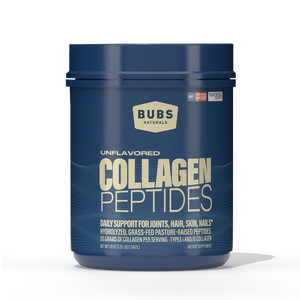
- Collagen for Overall Resilience: While not directly an electrolyte, robust connective tissues contribute to overall physical resilience. Our Collagen Peptides, sourced from grass-fed, pasture-raised animals and third-party certified, support healthy joints, skin, hair, and nails, complementing an active lifestyle where physical demands are high. Explore our full Collagen Peptides Collection.
- MCTs for Sustained Energy: Supporting your energy metabolism can help your body function more efficiently overall. Our clean and easy-mixing MCT Oil Creamer – 10 oz Tub or convenient MCT Oil Creamer – 14 ct Travel Pack from our Creamers Collection offers sustained energy and mental clarity, providing a foundational energy source for the body's many processes, including those that regulate electrolytes.
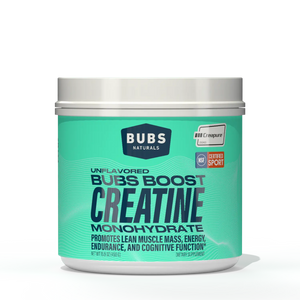
- Targeted Boosts: Specific vitamins and minerals also play a role in how well your body utilizes and balances electrolytes. Our Boosts Collection offers focused support, such as Vitamin C for antioxidant activity and collagen formation, which supports tissue health, or Apple Cider Vinegar Gummies for general digestive wellness. For strength and training performance, Creatine Monohydrate can be a powerful addition, indirectly supporting cellular health which is vital for electrolyte function.
Listening to Your Body
Ultimately, the most profound way to support electrolyte balance is to be attuned to your body’s signals. Thirst, fatigue, muscle cramps, or changes in performance can all be indicators that your body needs attention, possibly in the form of fluid and electrolyte replenishment.
We believe in a life of adventure, wellness, and purpose. Part of that purpose is giving back, which is why we donate 10% of all profits to veteran-focused charities, honoring Glen “BUB” Doherty’s legacy. This commitment to purpose extends to our products, ensuring they help you stay balanced and ready for any challenge, knowing you're also contributing to a greater cause.
Conclusion
The body’s regulation of electrolytes is a truly remarkable and complex system, a testament to the intricate design that keeps us functioning optimally. From the precise filtration and reabsorption capabilities of our kidneys to the subtle yet powerful influence of hormones like aldosterone and PTH, every element works in harmony to maintain the delicate electrical and fluid balance essential for life.
Understanding these regulatory mechanisms empowers us to make more informed choices about our hydration, nutrition, and supplementation. By fueling our bodies with clean, high-quality ingredients and listening to its signals, we can actively support these foundational processes. Whether you're conquering a mountain, hitting the gym, or simply navigating the demands of everyday life, ensuring your electrolytes are balanced is a critical step toward unlocking your full potential.
For those dedicated to peak performance and overall wellness, exploring our Hydration Collection is a clear next step. With science-backed, no-BS formulas designed to support rapid and effective hydration, we’re here to help you feel the BUBS difference and keep you adventure-ready.
FAQ
How do intense workouts affect electrolyte levels?
Intense and prolonged workouts, especially in hot conditions, significantly increase sweat production. Sweat contains essential electrolytes like sodium, chloride, potassium, and magnesium. Without proper replenishment, these losses can lead to imbalances, impacting muscle function, energy levels, and overall performance. That’s why we offer our Hydration Collection, formulated to quickly replace lost electrolytes and support your body’s natural balance after a strenuous session.
Can diet alone provide all the electrolytes needed for an active lifestyle?
For most individuals with a balanced diet, food and regular fluid intake provide sufficient electrolytes. However, for those with active lifestyles, experiencing high sweat rates, or facing specific dietary challenges, diet alone may not always be enough to rapidly replenish losses. This is where targeted supplementation, like our performance-focused Hydrate or Die – Lemon or Hydrate or Die – Mixed Berry, can play a supportive role in maintaining optimal balance.
What are some early signs that my electrolyte levels might be off?
Early signs of an electrolyte imbalance can be subtle and include increased thirst, general fatigue, muscle cramps or weakness, headaches, and dizziness upon standing. These symptoms often indicate that your body's delicate balance is being challenged, possibly due to dehydration or inadequate intake/replacement of key minerals. Staying attentive to these signals and adjusting your hydration and nutrition accordingly can be beneficial.
How does BUBS Naturals ensure the quality and efficacy of its hydration products?
At BUBS Naturals, we are committed to a "no-BS" approach, which means we prioritize clean, high-quality, and science-backed ingredients. Our Hydration Collection and all our products undergo rigorous third-party testing and certification, including NSF for Sport, to ensure purity, potency, and safety. We believe in simple, effective ingredients that seamlessly integrate into an active lifestyle, supporting your wellness journey with transparency and integrity.
Written by:
BUBS Naturals
Hydrate or Die Electrolytes


