Table of Contents
- Introduction
- What Are Electrolytes and Why They Matter
- The Essential Electrolytes: A Deeper Dive
- Factors Shaping Your Daily Electrolyte Requirements
- Recognizing the Signals: When Your Electrolytes Are Imbalanced
- Fueling Your Body Naturally: Whole Food Electrolyte Sources
- Beyond Food: Strategic Electrolyte Replenishment
- The BUBS Naturals Approach: Clean Hydration for Every Adventure
- Electrolytes and Gut Health: An Undeniable Link
- Optimizing Your Routine: Practical Tips for Electrolyte Balance
- Conclusion
- FAQ
Introduction
Hidden beneath the surface of our daily lives, an intricate network of electrical signals powers every beat of our heart, every thought, and every stride we take. This vital system relies on microscopic, electrically charged minerals known as electrolytes, yet many of us remain unaware of their profound impact on our well-being and exactly how much we need each day. Far from being a concern solely for elite athletes, maintaining proper electrolyte balance is a fundamental cornerstone of sustained energy, mental clarity, muscle function, and even digestive health for everyone pursuing a life of adventure and purpose.
The concept of electrolytes might sound scientific, but these essential minerals—like sodium, potassium, magnesium, and calcium—are the unsung heroes orchestrating critical bodily functions. From regulating our fluid balance to facilitating nerve impulses and muscle contractions, our bodies simply couldn't function without them. However, factors like our diet, activity levels, climate, and even certain medications can easily throw these delicate balances out of whack, leading to a cascade of unwelcome symptoms that often go misdiagnosed.
This comprehensive guide delves into the world of electrolytes, demystifying how much you truly need on a daily basis. We’ll explore the specific roles of each key electrolyte, uncover the various factors that influence your individual requirements, and equip you with the knowledge to recognize the subtle signs of imbalance. More importantly, we’ll outline how you can naturally replenish these vital minerals through your diet and when strategic supplementation might be beneficial, empowering you to optimize your hydration, energy, and overall vitality. By the end, you’ll understand how to effectively support your body’s natural functions and feel the profound difference a balanced electrolyte profile can make in your adventurous journey.
What Are Electrolytes and Why They Matter
Electrolytes are not just fancy terms; they are essential minerals that carry an electric charge when dissolved in fluids like blood, sweat, and urine. This electrical activity is crucial because it allows them to perform countless vital functions, acting as conductors for the body's electrical impulses. Without them, our nerves couldn't signal, our muscles couldn't contract, and our hearts couldn't beat rhythmically. They are truly the unsung architects of our biological orchestra.
The primary electrolytes our bodies rely on include sodium, potassium, calcium, magnesium, chloride, and phosphate. Each one plays a distinct yet interconnected role in maintaining a finely tuned internal environment. For example, sodium and potassium work in tandem to regulate fluid balance both inside and outside our cells, a process critical for maintaining normal blood pressure and preventing cellular dehydration or overhydration. This fluid balance, in turn, influences nutrient delivery to cells and waste removal, directly impacting our energy levels and overall cellular health.
Beyond fluid regulation, electrolytes are fundamental to nerve transmission. They facilitate the movement of electrical impulses along nerve pathways, enabling communication between the brain and the rest of the body. This is why an electrolyte imbalance can manifest as symptoms like muscle weakness, numbness, or even confusion. Similarly, calcium and magnesium are paramount for proper muscle contraction and relaxation, including the involuntary actions of the heart and smooth muscles in our digestive system. Their interplay helps prevent muscle cramps and supports sustained physical performance.
Our bodies do not naturally produce these essential minerals; they must be consistently acquired through our diet. A healthy, balanced intake is usually sufficient for most individuals under normal conditions. However, the demands of a modern, active lifestyle, coupled with environmental stressors and dietary habits, can often lead to imbalances. When our electrolyte levels become too high or too low, it can disrupt crucial bodily processes, leading to noticeable impacts on our energy, cognitive function, and physical capabilities. Understanding these fundamental roles underscores why monitoring and supporting your electrolyte balance is not just beneficial, but truly essential for a vibrant and purposeful life.
The Essential Electrolytes: A Deeper Dive
To truly understand how much electrolytes you need in a day, it's vital to know the specific roles and typical requirements of the most crucial players. Each electrolyte contributes uniquely to your body's complex systems, and understanding their individual functions can empower you to make more informed dietary and lifestyle choices.
Sodium: The Fluid Regulator
Often viewed with caution due to its link with blood pressure, sodium is, in fact, an indispensable electrolyte. It is the primary cation in extracellular fluid, meaning it primarily exists outside our cells and plays the most significant role in regulating fluid volume. Sodium helps maintain blood pressure, supports nerve impulses, and is crucial for muscle contractions. When we sweat, sodium is the most abundant electrolyte lost.
For most healthy adults, the recommended daily intake of sodium is around 1,500 milligrams, with an upper limit often suggested at 2,300 milligrams. However, individuals engaging in intense, prolonged exercise or those in very hot environments may require more to compensate for sweat losses. While many processed foods contain excessive sodium, opting for natural sources and judiciously using sea salt can help maintain a healthier balance.
Potassium: The Intracellular Partner
Potassium is sodium's vital counterpart, primarily residing inside our cells. This essential mineral is critical for maintaining intracellular fluid balance, nerve signaling, and proper muscle function, particularly for the heart. It also helps regulate blood pressure and supports carbohydrate metabolism.
The daily recommendation for potassium is significantly higher than sodium, typically around 2,600 milligrams for adult women and 3,400 milligrams for adult men. Despite its importance, many people do not consume enough potassium-rich foods. Incorporating a variety of fruits, vegetables, and legumes is key to meeting these needs.
Magnesium: The Master Mineral
Magnesium is a powerhouse electrolyte involved in over 300 enzymatic reactions in the body. It's crucial for energy production (ATP synthesis), protein synthesis, muscle and nerve function, blood glucose control, and blood pressure regulation. Magnesium also plays a significant role in bone health and even helps support healthy sleep and stress management.
Adult women generally need 310-320 milligrams of magnesium daily, while adult men require 400-420 milligrams. Despite its widespread importance, magnesium deficiency is quite common, often due to depleted soil quality and diets low in whole, unprocessed foods. Rich sources include dark leafy greens, nuts, seeds, whole grains, and even dark chocolate.
Calcium: Beyond Bones
While universally recognized for its role in building and maintaining strong bones and teeth, calcium's functions extend far beyond skeletal support. This electrolyte is also vital for muscle contraction, nerve transmission, hormone secretion, and blood clotting. It works in conjunction with other electrolytes to support cardiovascular health and overall cellular communication.
Most adults need about 1,000 milligrams of calcium per day, with requirements increasing for women over 50 and men over 70 to 1,200 milligrams. Excellent sources include dairy products, fortified plant-based milks, leafy green vegetables, and certain fish like sardines. The body's ability to absorb calcium is enhanced by adequate Vitamin D, highlighting the interconnectedness of nutrient intake.
Chloride: Sodium's Companion
Chloride is typically found alongside sodium in the extracellular fluid and plays a crucial role in maintaining fluid balance, blood pressure, and acid-base balance. It's also an essential component of stomach acid, which is vital for digestion and the absorption of other nutrients.
Daily chloride requirements often mirror those of sodium, around 2,300 milligrams for most adults, as it's commonly consumed together with sodium in the form of salt. Sea salt, seaweed, and olives are natural sources that provide chloride in balanced proportions with sodium.
Phosphate: Energy and Structure
Phosphate is another critical electrolyte, though it's often discussed less than the others. It plays a fundamental role in bone and teeth formation, energy storage and transfer (as a component of ATP), and is part of DNA and RNA. It also helps maintain the body's pH balance and supports nerve and muscle function.
Adults generally require approximately 700 milligrams of phosphate daily. Because phosphate is abundant in many protein-rich foods such as meat, fish, dairy, nuts, and legumes, deficiencies are rare in individuals consuming a varied diet.
Understanding these specific needs for each electrolyte empowers us to approach our daily nutrition with greater intention. While these figures provide a baseline, our individual circumstances can significantly alter these requirements, making a personalized approach to electrolyte balance essential.
Factors Shaping Your Daily Electrolyte Requirements
When considering how much electrolytes you need in a day, it's crucial to move beyond generic recommendations and understand the dynamic factors that influence your individual needs. Your body is a complex system, and its electrolyte demands are constantly adapting to internal and external stimuli.
Physical Activity and Sweat Loss
One of the most significant drivers of increased electrolyte needs is physical activity, especially prolonged or intense exercise. When we push our bodies, our core temperature rises, triggering sweat production as a natural cooling mechanism. Sweat isn't just water; it's a saline solution containing vital electrolytes, predominantly sodium and chloride, but also smaller amounts of potassium, magnesium, and calcium.
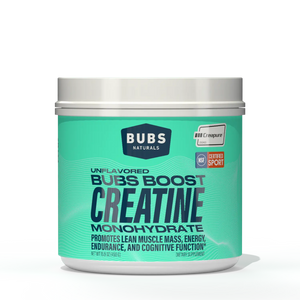
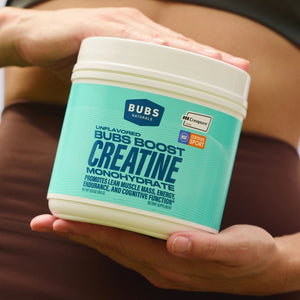
The amount of electrolytes lost through sweat varies considerably from person to person. Factors like exercise intensity, duration, individual genetics, and acclimatization to heat all play a role. For example, an endurance athlete running a marathon in hot, humid conditions might lose several liters of sweat per hour, equating to hundreds of milligrams of sodium and other electrolytes. Even a moderate workout on a warm day can deplete levels enough to impact performance and recovery. For those embracing an active lifestyle, our Creatine Monohydrate can support strength and power, but proper electrolyte balance is equally critical to maximize the benefits of training.
Environmental Conditions
Beyond just exercise, the environment itself can dramatically alter your electrolyte needs. Hot and humid climates naturally increase our baseline sweat rate, even when at rest. Living or working in these conditions means a continuous, subtle drain on electrolyte reserves. Conversely, high altitudes, known for their dry air, can also increase insensible water loss through respiration, impacting hydration and mineral balance. Even indoor environments with heavy air conditioning or heating can affect fluid dynamics and potentially necessitate closer attention to electrolyte intake.
Health Status and Medications
Certain health conditions can profoundly impact electrolyte balance. Digestive disturbances like persistent diarrhea or vomiting can lead to rapid and significant losses of fluids and electrolytes, quickly causing imbalances. Conditions such as kidney disease can impair the body's ability to regulate electrolyte levels, while diabetes can affect how the body manages glucose and associated fluid shifts.
Furthermore, many common medications can influence electrolyte concentrations. Diuretics, often prescribed for high blood pressure, increase urine output and can lead to increased excretion of sodium and potassium. Certain antibiotics, blood pressure medications, and even laxatives can also have an impact. It's always wise to discuss potential electrolyte implications with your healthcare provider if you are taking any medications.
Dietary Habits and Lifestyle
Your daily diet is the primary source of electrolytes, and nutritional choices play a crucial role. A diet rich in processed foods, which are often high in sodium but low in potassium and magnesium, can create an imbalance. Conversely, a diet emphasizing whole, unprocessed foods—fruits, vegetables, nuts, seeds, and lean proteins—naturally provides a broad spectrum of these essential minerals.
Lifestyle choices, such as alcohol consumption or excessive caffeine, can also act as diuretics, increasing fluid and electrolyte excretion. Even chronic stress can influence hormonal responses that affect electrolyte balance. This intricate interplay of factors underscores why a holistic approach to wellness, one that considers diet, activity, environment, and health status, is key to maintaining optimal electrolyte levels. Recognizing these variables empowers you to proactively adjust your intake and support your body's dynamic needs.
Recognizing the Signals: When Your Electrolytes Are Imbalanced
Your body is remarkably good at sending signals when something is off. Learning to tune into these cues can be the first step in addressing an electrolyte imbalance before it progresses. While symptoms can sometimes overlap and mimic other conditions, a pattern of these signs, especially after factors that increase electrolyte loss, should prompt attention.
General signs of an electrolyte imbalance often begin subtly and can be easily dismissed as general fatigue or stress. These include persistent tiredness, muscle cramps or spasms (particularly in the legs and feet), headaches, dizziness, and a feeling of weakness. These symptoms arise because nerves and muscles rely on the electrical charges of electrolytes to function properly. When this delicate balance is disrupted, their ability to communicate and perform is compromised.
Specific electrolyte deficiencies can present with more distinct symptoms:
-
Sodium Deficiency (Hyponatremia): While less common from diet alone, significant sodium loss combined with excessive plain water intake can lead to nausea, vomiting, headaches, confusion, and in severe cases, seizures or coma. This is particularly relevant for endurance athletes who over-hydrate with water only.
-
Potassium Deficiency (Hypokalemia): Common symptoms include muscle weakness, cramps, constipation, and abnormal heart rhythms (arrhythmias). Severe deficiency can impact muscle paralysis. Many individuals, especially those with diets low in fruits and vegetables, struggle to meet their daily potassium needs.
-
Magnesium Deficiency (Hypomagnesemia): Given magnesium's role in over 300 biochemical reactions, its deficiency can manifest broadly. Common signs include muscle twitches and tremors, cramps, fatigue, general weakness, nausea, loss of appetite, and even mood changes like anxiety or irritability. Chronic stress, certain medications, and gut issues can exacerbate magnesium depletion.
-
Calcium Deficiency (Hypocalcemia): Acute deficiency can cause muscle spasms, numbness and tingling in the fingers and toes, and around the mouth. In very severe cases, it can lead to seizures. Long-term, inadequate calcium intake contributes to weakened bones.
The interplay between electrolytes and gut health is also significant. Digestive issues like chronic diarrhea or inflammatory bowel conditions can lead to increased electrolyte losses. Conversely, an electrolyte imbalance can negatively impact gut motility, contributing to constipation or irregular bowel movements, thereby creating a cyclical challenge. For general digestive wellness, our Apple Cider Vinegar Gummies offer convenient support, but a holistic approach including electrolyte balance is always best.
It’s important to remember that these symptoms are the body’s way of signaling a need for attention. Ignoring them can lead to more serious complications. Listening to your body, especially during periods of increased sweat loss, illness, or changes in medication, is paramount for maintaining optimal electrolyte balance and overall well-being.
Fueling Your Body Naturally: Whole Food Electrolyte Sources
While the specific amounts of electrolytes you need in a day can vary, the most effective and sustainable way to meet those requirements for most people is through a diverse and nutrient-rich diet. Whole foods offer a synergy of minerals, vitamins, and fiber that supports overall health and optimal absorption. Building your plate around these natural sources ensures not just electrolyte balance but also comprehensive nutrition.
For sodium, instead of relying on heavily processed foods, incorporate natural sources. A sprinkle of high-quality sea salt on your meals provides sodium along with trace minerals. Foods like celery, spinach, and even some types of seafood naturally contain sodium. It’s about choosing quality sodium sources, rather than avoiding sodium entirely.
Meeting your potassium needs is often the biggest dietary challenge for many. The good news is that many delicious whole foods are packed with this crucial mineral. Think bananas, avocados, sweet potatoes, spinach, coconut water, and citrus fruits like oranges. Legumes and beans are also excellent sources. By making these staples in your diet, you naturally increase your potassium intake, supporting fluid balance and muscle function.
Magnesium is abundant in a variety of plant-based foods. Dark leafy greens (spinach, kale, Swiss chard), nuts (almonds, cashews), seeds (pumpkin, chia, flax), whole grains (quinoa, brown rice), and even dark chocolate are fantastic sources. Incorporating these into snacks and meals is a simple way to boost your magnesium, which is vital for energy production and muscle relaxation. For those looking for an easy, clean addition to their routine, our MCT Oil Creamer and Butter MCT Oil Creamer from our Creamers Collection offer sustained energy and can be a delicious way to enjoy your morning coffee or smoothie, supporting overall vitality alongside your electrolyte-rich diet.
When it comes to calcium, dairy products like milk, yogurt, and cheese are well-known sources. However, many plant-based options are equally effective, including fortified plant milks (almond, soy, oat), leafy green vegetables (collard greens, bok choy), broccoli, and calcium-set tofu. Small fish with edible bones, like sardines, are also excellent sources.
Chloride is typically found alongside sodium, so natural salts, seaweed, and olives are good sources. Since they often come hand-in-hand, focusing on healthy sodium sources generally ensures adequate chloride intake. Lastly, phosphate is readily available in protein-rich foods such as meat, fish, dairy, nuts, and legumes. A balanced diet with sufficient protein usually covers phosphate needs without special attention.
By prioritizing a diverse diet rich in these whole foods, you not only ensure optimal electrolyte intake but also benefit from the synergistic effects of other vitamins, minerals, and antioxidants that support overall health, energy, and resilience. This foundational approach to nutrition is at the heart of our philosophy at BUBS Naturals, where we believe in clean, simple, and effective ingredients that fuel a purposeful life.
Beyond Food: Strategic Electrolyte Replenishment
While a whole-food diet is the cornerstone of good health, there are specific scenarios where strategic electrolyte replenishment can provide essential support, especially for active individuals or those facing increased physiological demands. Simply drinking plain water might quench thirst, but it won't replace lost minerals, and in some cases, excessive water intake without electrolytes can actually dilute existing levels, leading to further imbalance.
Consider the avid adventurer—whether tackling a grueling hike, pushing through a high-intensity workout, or simply enjoying a long day in the sun. These activities inherently lead to increased sweat loss and, consequently, a depletion of crucial electrolytes like sodium, potassium, and magnesium. In such moments, relying solely on food to quickly restore balance can be challenging. This is precisely where a clean, functional electrolyte supplement becomes invaluable.
We believe in a no-BS approach to supplements, which is why our Hydration Collection is crafted with performance in mind and absolutely no added sugar. Our Hydrate or Die – Lemon and Hydrate or Die – Mixed Berry products offer a balanced blend of electrolytes designed to support fast and effective hydration. Unlike many sports drinks that overload you with sugar, our approach focuses on what your body truly needs to maintain muscle function, fluid balance, and sustained energy, without unnecessary additives. It's about providing foundational support so you can continue to embrace your active lifestyle.
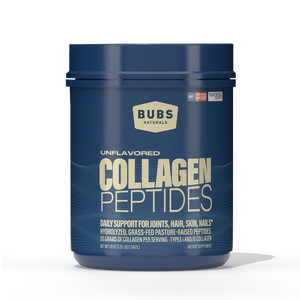
For those pushing their limits and seeking comprehensive support, integrating supplements can be a game-changer. For example, alongside our Hydration Collection, many active individuals benefit from our Collagen Peptides to support joints, skin, and recovery, complementing the body's natural processes after strenuous activity. We also offer Vitamin C, which not only supports antioxidant activity but also aids in collagen formation, further enhancing your body's resilience.
The key is to use supplements strategically and thoughtfully. Before, during, or after periods of increased sweat, illness, or travel, an electrolyte mix can help prevent symptoms of dehydration and maintain optimal body function. It's about giving your body the clean, science-backed support it needs to thrive, ensuring you're ready for whatever adventure comes next. For those who want the best value, our Hydrate or Die – Bundle ensures you're always prepared.
The BUBS Naturals Approach: Clean Hydration for Every Adventure
At BUBS Naturals, our journey is rooted in a commitment to a life of adventure, wellness, and purpose. This commitment is inspired by the legacy of Glen "BUB" Doherty, a former Navy SEAL who lived life to the fullest and exemplified unwavering courage and dedication. His spirit guides our mission to create clean, functional, and science-backed supplements that truly make a difference in your active life, helping you explore the world with vitality and confidence.
We understand that true wellness starts with what you put into your body. That's why our approach to hydration, and all our supplements, is grounded in a "no-BS" philosophy: only simple, effective ingredients, rigorously tested and certified. When it comes to something as fundamental as hydration, the quality of your electrolytes matters. Our Hydration Collection stands as a testament to this commitment. We offer products like Hydrate or Die – Lemon and Hydrate or Die – Mixed Berry that are free from added sugars, artificial sweeteners, or unnecessary fillers. What you get are performance-focused electrolytes designed to support rapid, effective hydration and muscle function, allowing your body to perform at its best.
Our dedication to quality is unwavering. All our products, including our entire Hydration Collection, undergo rigorous third-party testing and are certified by trusted organizations like NSF for Sport. This means you can be confident that what's on our label is exactly what's in our products, and that they meet the highest standards for purity, potency, and safety. This transparency is crucial because we believe you deserve to know exactly what you're fueling your body with.
Beyond quality ingredients, our products are designed with active lifestyles in mind. Our electrolyte mixes dissolve effortlessly, making them easy to incorporate into your pre-workout, during-workout, or post-adventure routine. Whether you're hitting the trails, grinding through a demanding workday, or simply navigating daily life, our hydration solutions are formulated to support your body's natural fluid balance and help maintain consistent energy levels.
But our purpose extends beyond individual wellness. In honor of Glen “BUB” Doherty’s incredible legacy, we proudly adhere to our 10% Rule: donating 10% of all profits to veteran-focused charities. Every purchase you make with BUBS Naturals contributes directly to supporting those who have served our country. When you choose our Hydration Collection or any of our other high-quality supplements, you’re not just investing in your own well-being; you’re joining us in a mission to give back and make a positive impact. It’s about more than just supplements; it’s about community, purpose, and honoring those who inspire us.
Electrolytes and Gut Health: An Undeniable Link
The intricate connection between electrolytes and gut health is often underestimated, yet it plays a crucial role in overall well-being. A properly functioning digestive system relies heavily on a delicate balance of these essential minerals, affecting everything from nutrient absorption to gut motility and the integrity of the gut barrier. Understanding this relationship can shed light on why electrolyte balance is so pivotal for digestive wellness.
Electrolytes are indispensable for the efficient movement of materials through the digestive tract. Magnesium, for instance, is a natural muscle relaxant that helps the smooth muscles of the intestines contract and relax appropriately, supporting regular bowel movements and preventing constipation. It also draws water into the intestines, softening stool and aiding in healthy elimination. An imbalance in magnesium can lead to sluggish digestion and discomfort.
Sodium and chloride are equally vital, particularly in the production of stomach acid (hydrochloric acid). Adequate stomach acid is critical for breaking down food, especially proteins, and for sterilizing ingested food, which helps prevent the overgrowth of harmful bacteria in the small intestine. Insufficient stomach acid due to electrolyte imbalances can impair digestion, leading to symptoms like bloating, gas, and reduced nutrient absorption. Moreover, chloride helps maintain the body's pH balance, which is essential for the diverse enzymatic processes that occur throughout the digestive system.
Furthermore, electrolytes play a role in the integrity of the gut barrier. A healthy gut lining is crucial for preventing unwanted substances from leaking into the bloodstream—a condition often referred to as "leaky gut." Electrolytes contribute to cellular health and communication within the gut lining, supporting its protective functions. When electrolyte levels are suboptimal, the delicate balance of the gut microbiome can also be affected, potentially contributing to dysbiosis.
Finally, the gut itself is a site of significant fluid and electrolyte exchange. Conditions like diarrhea or vomiting can rapidly deplete the body’s electrolyte stores, further exacerbating digestive distress and hindering nutrient absorption. This creates a vicious cycle where gut issues lead to electrolyte loss, which then worsens gut function. Maintaining appropriate electrolyte levels supports the absorption of water and other nutrients from the gut into the bloodstream, a process that is critical for overall hydration and nutrient delivery to the entire body. For those prioritizing gut health, incorporating our Apple Cider Vinegar Gummies into their daily routine can provide convenient support, working synergistically with a diet rich in electrolytes. A balanced electrolyte profile is not just about muscle cramps; it’s about nurturing a healthy gut, which is foundational to a thriving body.
Optimizing Your Routine: Practical Tips for Electrolyte Balance
Achieving and maintaining optimal electrolyte balance doesn't require complex calculations or a medical degree. It's about being mindful of your body's needs and making simple, consistent choices that support its natural functions. Integrating these practical tips into your daily routine can make a significant difference in your energy, performance, and overall wellness.
First and foremost, prioritize whole foods. As we’ve explored, a diet rich in fruits, vegetables, nuts, seeds, and lean proteins is your best defense against electrolyte imbalances. Focus on variety to ensure you're getting a broad spectrum of minerals. For example, make a habit of including leafy greens (magnesium, calcium, potassium), bananas or avocados (potassium), and a handful of nuts (magnesium, calcium) in your daily meals. When adding flavor, opt for quality sea salt, which provides both sodium and chloride in a natural form, instead of relying on high-sodium processed foods.
Listen to your body's hydration cues. Thirst is a powerful indicator, but by the time you feel parched, you might already be mildly dehydrated. Make proactive hydration a habit by sipping water throughout the day. However, during periods of significant sweat loss—such as intense workouts, long days outdoors in the heat, or even during illness—plain water might not be enough. This is where strategic supplementation with a clean electrolyte mix like those from our Hydration Collection becomes essential. Products like Hydrate or Die – Lemon offer the balanced minerals you need to effectively replenish what's lost, supporting fluid balance and muscle function without the added sugars found in many traditional sports drinks.
Adjust your intake based on activity and environment. If you're an avid runner, a dedicated lifter, or someone who spends hours working outdoors, your electrolyte needs will be higher than someone with a sedentary lifestyle. Similarly, hot and humid conditions demand increased attention to electrolyte intake. Consider incorporating an electrolyte beverage into your routine before, during, or after these activities. Even moderate activities like a long walk or gardening on a warm day can benefit from this proactive approach. For those constantly striving to optimize their performance, integrating our Creatine Monohydrate can further support strength and power, but always remember foundational hydration is key.
Be mindful of medications and health conditions. If you're taking diuretics or other medications that affect fluid balance, or if you have conditions like kidney disease or diabetes, it’s critical to consult with your healthcare provider about your specific electrolyte needs. They can provide personalized guidance and monitor your levels to ensure safety and efficacy.
Finally, embrace a holistic wellness mindset. Proper sleep, stress management, and regular movement all contribute to your body's ability to maintain balance, including electrolyte levels. Fueling your body with high-quality nutrients, staying well-hydrated, and engaging in activities you love—all while giving back through our 10% Rule for veterans—creates a powerful synergy that supports not just your physical health, but your overall sense of purpose and adventure. By implementing these practical steps, you can confidently support your body's natural electrolyte harmony and unlock your full potential, one purposeful scoop at a time.
Conclusion
Understanding how much electrolytes you need in a day is more than just a passing health trend; it’s a foundational element of sustained wellness, energy, and optimal performance for anyone leading an active, purposeful life. We’ve explored the critical roles of essential minerals like sodium, potassium, magnesium, calcium, chloride, and phosphate, recognizing their profound impact on everything from fluid balance and muscle function to nerve signaling and gut health. From the dynamic demands of intense physical activity and challenging environments to the subtle influence of diet and medications, it's clear that our individual electrolyte needs are constantly shifting.
By learning to recognize the subtle signals of imbalance—from fatigue and muscle cramps to headaches and irregular heart rhythms—you can proactively address your body's requirements. We've emphasized the power of whole foods as the primary source of these vital minerals, advocating for a diverse, nutrient-rich diet that naturally supports electrolyte harmony. However, for those pushing their limits, facing unique environmental challenges, or seeking to optimize their body’s natural resilience, strategic supplementation with clean, science-backed solutions becomes an invaluable tool.
At BUBS Naturals, we are driven by a commitment to quality, transparency, and the adventurous spirit of Glen "BUB" Doherty. Our "no-BS" approach means we craft products that deliver essential support without unnecessary additives, rigorously tested and certified. By focusing on clean ingredients and functional formulas, we empower you to fuel your body with confidence, whether you're climbing mountains or navigating the demands of everyday life. Moreover, every choice you make to nourish your body with BUBS Naturals also fuels our pledge to donate 10% of all profits to veteran-focused charities, honoring a legacy of purpose and service.
Don't let invisible imbalances hold you back from embracing your full potential. Empower your body with the clean, balanced hydration it deserves. Discover the difference that purposeful electrolyte replenishment can make in your life.
Explore our full Hydration Collection today and feel the BUBS difference—one scoop, one adventure, one purposeful step at a time.
FAQ
Q1: Can I get all the electrolytes I need from food alone?
A1: For most healthy individuals engaging in moderate activity and living in temperate climates, a balanced diet rich in whole foods like fruits, vegetables, nuts, seeds, and lean proteins can provide adequate electrolytes. However, factors such as intense or prolonged exercise, very hot or humid weather, certain medical conditions (like persistent vomiting or diarrhea), or specific medications can significantly increase electrolyte losses. In these situations, relying solely on food might not be sufficient for rapid and effective replenishment, making a clean electrolyte supplement a beneficial option.
Q2: How does my sweat rate affect my daily electrolyte needs?
A2: Your sweat rate, which varies based on individual genetics, activity intensity, duration, and environmental factors (like heat and humidity), directly impacts your electrolyte loss. The more you sweat, the more electrolytes, particularly sodium and chloride, you lose. Highly active individuals or those in very warm climates often have higher sweat rates and thus greater daily electrolyte needs than sedentary individuals. Paying attention to symptoms like muscle cramps or fatigue during or after heavy sweating can indicate a need for increased electrolyte intake. Our Hydration Collection is specifically formulated to help replenish these vital minerals lost through sweat.
Q3: Are electrolyte drinks always necessary, or is water enough?
A3: For routine daily hydration with minimal physical exertion, plain water is generally sufficient. However, water alone does not replace lost electrolytes. Electrolyte drinks become beneficial and often necessary during or after periods of significant fluid and mineral loss, such as intense or prolonged exercise (over 60-75 minutes), heavy sweating in hot conditions, or when recovering from illness that involves fluid loss. In these scenarios, an electrolyte drink, like our Hydrate or Die – Mixed Berry, helps your body absorb and retain fluids more effectively than water alone, supporting muscle function and preventing performance decline.
Q4: What role do BUBS Naturals products play in supporting electrolyte balance?
A4: At BUBS Naturals, our Hydration Collection offers a clean, science-backed way to support your body's electrolyte balance. Our Hydrate or Die – Lemon and Hydrate or Die – Mixed Berry products provide performance-focused electrolytes without added sugars or artificial ingredients, ideal for replenishing minerals lost during activity. Beyond hydration, our broader range of supplements, such as Collagen Peptides and MCT Oil Creamer, support overall wellness, recovery, and sustained energy, all of which contribute to your body's ability to maintain optimal function, including electrolyte regulation. We are committed to providing you with clean, effective ingredients that empower your adventurous lifestyle while honoring Glen "BUB" Doherty's legacy by donating 10% of profits to veteran-focused charities.