Table of Contents
- Introduction
- Understanding Electrolytes: The Body’s Electrical Grid
- The Intricate Dance of Electrolytes and Fluid Balance
- Can Too Much Electrolytes Cause Water Retention? The Sodium Story
- Beyond Sodium: Other Factors Influencing Water Retention
- When Electrolyte Supplementation is Truly Beneficial
- Maintaining a Healthy Electrolyte Balance: Our Approach
- Conclusion
- FAQ
Introduction
Have you ever found yourself feeling unexpectedly puffy, a little sluggish, or noticed your rings feeling tighter, perhaps after a particularly salty meal or an intense workout session where you reached for an electrolyte drink? This common experience often leads to a nagging question: can something as essential as electrolytes actually contribute to unwanted water retention? For those of us committed to active, purpose-driven lives, understanding our body’s intricate hydration needs is paramount. Electrolytes, these powerful minerals with an electric charge, are the unsung heroes behind countless bodily functions, from muscle contraction to nerve signals and, critically, maintaining fluid balance.
Yet, despite their vital role, a common misconception circulates that electrolyte supplementation, especially in the form of popular drinks, might be a direct cause of water retention or a "puffy" feeling. At BUBS Naturals, we believe in stripping away the BS and getting straight to the science, offering clean, functional supplements inspired by the legacy of Glen "BUB" Doherty. Our mission extends beyond providing high-quality products; it's about empowering you with the knowledge to make informed decisions for your wellness journey. We understand that optimal hydration is foundational to a life of adventure and purpose, and we are committed to helping you navigate its complexities.
In this comprehensive exploration, we will delve into the nuanced relationship between electrolytes and the body’s fluid dynamics. We aim to clarify what electrolytes are, how they govern hydration, and specifically address the question of whether too much of them can lead to water retention. By dissecting the scientific mechanisms and common misbeliefs, we will equip you with practical insights into maintaining proper electrolyte balance and highlight when our Hydration Collection can truly support your needs. By the end, you'll gain a clearer understanding of how to hydrate effectively, minimize unwanted puffiness, and optimize your overall well-being with confidence and clarity.
Understanding Electrolytes: The Body’s Electrical Grid
Imagine your body as a sophisticated electrical system, constantly transmitting signals, moving energy, and facilitating complex processes. At the heart of this system are electrolytes – essential minerals that, when dissolved in the body's fluids, carry an electric charge. This charge is what allows them to conduct electricity, playing a critical role in almost every major bodily function. Without them, our internal "electrical grid" would simply shut down.
The main electrolytes that work tirelessly within your system include:
-
Sodium (Na+): Perhaps the most commonly discussed electrolyte, sodium is a primary regulator of fluid balance outside the cells. It plays a pivotal role in nerve impulse transmission, muscle contraction, and blood pressure regulation.
-
Potassium (K+): Sodium's counterpart, potassium, primarily manages fluid balance inside the cells. It is crucial for heart function, muscle activity, and nerve signal transmission, working in delicate synergy with sodium to maintain cellular harmony.
-
Chloride (Cl-): Often found alongside sodium, chloride helps maintain fluid balance and proper blood volume. It's also an important component of digestive juices.
-
Calcium (Ca2+): Beyond its well-known role in bone and teeth health, calcium is vital for muscle contraction, nerve signaling, and blood clotting. It also plays a part in hormone secretion.
-
Magnesium (Mg2+): Involved in over 300 biochemical reactions, magnesium supports muscle and nerve function, blood glucose control, and blood pressure regulation. It also contributes to protein synthesis, bone development, and the production of energy.
These electrically charged minerals are not just floating aimlessly; they are actively involved in maintaining proper hydration by influencing osmosis, the movement of water across cell membranes. They ensure that water moves to where it's needed most, preventing cells from becoming too shriveled or too swollen. Moreover, electrolytes are indispensable for:
-
Nerve and Muscle Function: The electrical impulses that allow our brains to communicate with our bodies and our muscles to contract are generated by the movement of electrolytes across cell membranes. Think of it as the sparks that enable every thought and movement.
-
pH Balance: Electrolytes help maintain the body's delicate acid-base (pH) balance, which is crucial for enzymes and other biological processes to function correctly.
-
Energy Conversion: While not directly providing energy, some electrolytes, like magnesium, are cofactors in metabolic pathways that convert food into usable energy.
Most people can meet their basic electrolyte needs through a balanced diet rich in fruits, vegetables, nuts, and whole grains. For instance, bananas and avocados are excellent sources of potassium, while leafy greens provide magnesium and calcium. However, in certain circumstances, such as intense physical exertion, significant sweating, or illness, the body's natural reserves can be depleted, potentially necessitating strategic supplementation to maintain optimal function. This foundational understanding is key to grasping how these mighty minerals impact our fluid balance and overall well-being.
The Intricate Dance of Electrolytes and Fluid Balance
The concept of fluid balance within the human body is far more complex than simply drinking enough water. It's an intricate dance, orchestrated primarily by our kidneys and a symphony of hormones, with electrolytes playing the leading role. At its core, maintaining fluid balance means ensuring the right amount of water is distributed throughout our cells, tissues, and blood, allowing every system to operate effectively.
Electrolytes exert their influence through a process called osmosis. Water naturally moves from an area of lower electrolyte concentration to an area of higher electrolyte concentration to equalize the solute levels. This movement is critical for regulating cell volume, nutrient transport, and waste removal. For example, sodium, being the primary electrolyte in the fluid outside our cells, dictates much of this extracellular fluid volume. When sodium concentrations shift, water follows, directly impacting blood pressure and cellular hydration.
The kidneys are the body's master regulators of this delicate balance. These remarkable organs filter vast amounts of blood each day, carefully reabsorbing or excreting water and electrolytes based on the body's current needs. If you’re dehydrated, your kidneys conserve water and electrolytes. If you have an excess of fluids or certain electrolytes, they work to excrete them through urine. This continuous fine-tuning is vital for maintaining homeostasis, the stable internal environment necessary for life.
Hormones further complicate this dance. For instance, Antidiuretic Hormone (ADH), also known as vasopressin, signals the kidneys to conserve water when the body detects increased osmolarity (a higher concentration of solutes, often due to dehydration or excess sodium). Aldosterone, another key hormone, helps regulate blood pressure by controlling the reabsorption of sodium and the secretion of potassium in the kidneys. These hormonal signals ensure that fluid and electrolyte levels remain within a very narrow, healthy range, even in the face of varying intake or loss.
Consider a scenario where you've just finished a vigorous, hour-long training session, perhaps an intense run or a challenging weightlifting routine. You've been sweating heavily, losing not just water but also essential electrolytes like sodium and potassium. Your body’s internal sensors detect these changes: a slight increase in blood sodium concentration and a decrease in overall fluid volume. In response, your thirst mechanism kicks in, encouraging you to drink, and your kidneys adjust their filtration and reabsorption rates to hold onto precious water and necessary electrolytes. This coordinated effort helps restore balance and supports optimal recovery. Without this sophisticated regulatory system, even minor fluctuations could lead to significant health challenges. Understanding this intricate interplay underscores why maintaining a balanced electrolyte intake, and not just focusing on water, is so crucial for supporting your body's natural functions.
Can Too Much Electrolytes Cause Water Retention? The Sodium Story
The straightforward answer to whether too many electrolytes can cause water retention is yes, if we are talking specifically about an excess of sodium. It's crucial to distinguish this, as not all electrolytes impact fluid retention in the same way. When the body's sodium levels become too high, it triggers a compensatory mechanism: the body holds onto more water to dilute the excess sodium and restore balance. This often manifests as that uncomfortable "puffy" feeling, swelling in the extremities, or even a temporary increase on the scale.
Let's break down the "sodium story" in more detail:
The Mechanism of Sodium-Induced Water Retention
-
Osmotic Pull: Sodium is the primary electrolyte responsible for maintaining the volume of extracellular fluid (the fluid outside your cells, including blood plasma and interstitial fluid). When you consume a high amount of sodium, its concentration in the extracellular fluid increases.
-
Kidney's Response: Your kidneys are highly sensitive to sodium levels. To bring the sodium concentration back to a healthy range, the kidneys signal the body to retain more water. Water is pulled from inside the cells (if necessary) and from any fluids you consume into the extracellular space to dilute the excess sodium.
-
Increased Fluid Volume: This increased water retention leads to a higher volume of fluid circulating in your body. This can result in:
-
Edema: Swelling, particularly in the hands, feet, ankles, and face.
-
Bloating: A feeling of fullness and distension, often in the abdominal area.
-
Increased Blood Pressure: A higher fluid volume places more stress on blood vessel walls, which can temporarily, or chronically, elevate blood pressure.
How Much is "Too Much" Sodium?
For the average adult, recommended daily sodium intake is generally around 2,300 mg, with an ideal limit closer to 1,500 mg for many to support blood pressure wellness. However, the typical Western diet often far exceeds these recommendations, with many individuals consuming over 3,400 mg daily from processed foods, restaurant meals, and hidden sources.
When electrolyte supplements are added on top of an already high-sodium diet, especially by individuals who are not engaging in activities that cause significant sweat loss, the risk of excessive sodium intake and subsequent water retention increases. For instance, some electrolyte packets or drinks can contain 500-1000 mg of sodium per serving. While beneficial for an endurance athlete losing liters of salty sweat, this amount can be excessive for someone doing a light workout or simply trying to "boost" their morning water intake.
We understand the concern about excess sodium. That's why our Hydration Collection is thoughtfully formulated to provide balanced electrolytes without unnecessary overloads of sodium or added sugars. Our Hydrate or Die – Lemon and Hydrate or Die – Mixed Berry products are designed to support optimal hydration by providing a carefully considered blend of electrolytes like sodium, potassium, and magnesium, in ratios that support your body's natural balance without driving excessive water retention for typical, active needs. They offer performance-focused hydration without added sugar, allowing you to replenish effectively after intense activity.
The Impact of Sugary Electrolyte Drinks
Beyond just sodium, many commercial electrolyte drinks are also loaded with sugar and artificial ingredients. These added sugars contribute empty calories, which can hinder wellness goals by adding to overall caloric intake. High sugar intake can also influence insulin sensitivity, potentially affecting how the body manages fluids and stores fat. Our approach at BUBS Naturals is to offer a no-BS solution: clean, simple, and effective ingredients that genuinely support your body without unwanted extras.
In summary, while electrolytes are vital, an overemphasis on sodium-heavy electrolyte supplementation, particularly without significant physiological need, can indeed lead to water retention. The key is balance and intentionality, choosing clean products that respect your body's natural equilibrium.
Beyond Sodium: Other Factors Influencing Water Retention
While sodium often takes center stage in discussions about water retention, it's far from the only player. The body’s fluid balance is a complex system influenced by a multitude of factors, and understanding these can provide a more holistic view of why you might feel puffy or swollen. It’s not always about a single culprit but often a combination of dietary choices, lifestyle habits, and physiological conditions.
The Carbohydrate Connection
Many people mistakenly attribute water retention solely to sodium, overlooking the significant role of carbohydrates. When you consume carbohydrates, your body converts them into glycogen, which is primarily stored in your muscles and liver for energy. Here's the catch: each gram of glycogen stored in your body binds approximately 3 to 4 grams of water. This means that after a high-carb meal, or during periods of increased carbohydrate intake (such as carb-loading before an endurance event), your body will naturally hold onto more water. This is a normal physiological process, not necessarily a sign of a problem, but it can contribute to a feeling of increased weight or puffiness that might be mistaken for sodium-induced retention.
Lifestyle Factors
Our daily routines and environments play a huge role in fluid balance:
-
Sedentary Lifestyles: Prolonged sitting or standing can cause fluid to pool in the lower extremities due due to gravity, leading to swelling in the ankles and feet. Regular movement helps pump fluids back towards the heart.
-
Travel: Long flights or car rides can exacerbate fluid retention for similar reasons, often compounded by changes in cabin pressure and limited movement.
-
Dehydration: Ironically, not drinking enough water can sometimes lead to water retention. When the body senses dehydration, it may try to hold onto its existing fluid reserves as a protective mechanism, especially if electrolyte levels are also imbalanced.
-
Sleep Deprivation: Lack of adequate sleep can disrupt hormone regulation, including those involved in kidney function and fluid balance, potentially contributing to fluid retention.
Hormonal Fluctuations
Hormones wield immense power over fluid balance, and their natural fluctuations can cause noticeable changes:
-
Menstrual Cycle: Many women experience fluid retention and bloating in the days leading up to and during their menstrual period, due to changes in estrogen and progesterone levels.
-
Pregnancy: The body's blood volume significantly increases during pregnancy, and hormonal changes, combined with pressure from the growing uterus, can lead to widespread fluid retention.
-
Stress Hormones: Chronic stress elevates cortisol levels, which can influence kidney function and sodium retention, potentially leading to increased fluid accumulation.
Dietary Patterns and Imbalances
Beyond just high sodium, the overall balance of your diet matters:
-
Low Potassium Intake: Potassium helps to counterbalance sodium and promote water excretion. A diet low in potassium-rich foods (fruits, vegetables, legumes) can make the body more susceptible to sodium-induced water retention. Our Hydration Collection includes potassium to support this balance, providing an optimal blend for effective hydration.
-
Processed Foods: These foods are not only often high in sodium but can also contain inflammatory ingredients and inadequate fiber, which can contribute to digestive issues and generalized puffiness.
-
Insufficient Protein: Protein plays a role in maintaining osmotic pressure within blood vessels, preventing fluid from leaking out into tissues. A severely protein-deficient diet can, in extreme cases, contribute to edema.
Understanding these diverse influences on water retention allows us to adopt a more comprehensive approach to managing our fluid balance. It highlights that the solution often lies not in isolating one factor, but in considering our entire diet, lifestyle, and unique physiological makeup. At BUBS Naturals, we advocate for this holistic perspective, believing that true wellness comes from supporting all aspects of your body's natural functions.
When Electrolyte Supplementation is Truly Beneficial
While the previous sections highlight the potential pitfalls of excessive electrolyte intake, particularly sodium, it's equally important to understand when electrolyte supplementation is not just beneficial, but often crucial for maintaining optimal health and performance. Not all electrolyte needs are created equal, and the key lies in discerning when your body genuinely requires extra support beyond what a balanced diet and plain water can provide.
Electrolyte replenishment becomes necessary when your body experiences significant losses that cannot be readily compensated for through regular food and fluid intake. These situations typically involve elevated rates of sweating or conditions that disrupt normal fluid regulation.
High-Intensity or Long-Duration Exercise
This is perhaps the most common scenario where electrolyte supplementation shines. When you engage in intense physical activity for extended periods—think marathon training, long hikes, challenging cycling, or multi-hour gym sessions—your body sweats profusely to regulate temperature. This sweat is not just water; it's a fluid rich in electrolytes, predominantly sodium, but also potassium, calcium, and magnesium.
-
Sodium Loss: Heavy sweating can lead to substantial sodium depletion, which, if not replenished, can impact fluid balance, muscle function, and even cognitive performance.
-
Preventing Cramps: Electrolytes are critical for muscle contraction and relaxation. Replenishing them can help support normal muscle function and reduce the likelihood of exercise-associated muscle cramps.
-
Sustaining Performance: Adequate electrolyte levels help maintain energy levels and nerve impulses, allowing you to sustain your effort throughout prolonged activities.
For athletes and active individuals truly pushing their limits, integrating a clean, functional electrolyte solution like our Hydrate or Die – Mixed Berry or Hydrate or Die – Lemon from our Hydration Collection can make a significant difference in recovery and performance. These products are formulated to provide essential electrolytes without unnecessary sugars, aligning with our no-BS approach to clean nutrition.
Hot Environments and Heavy Sweating
Beyond structured exercise, working or living in consistently hot, humid climates can lead to chronic, heavy sweating. Firefighters, construction workers, outdoor enthusiasts, or anyone experiencing prolonged exposure to high temperatures will lose significant electrolytes, even if their physical exertion is moderate. In such conditions, relying solely on water may not be enough to rehydrate effectively and can even dilute remaining electrolyte levels, potentially leading to issues. Electrolyte-rich fluids help stimulate thirst, encouraging greater overall fluid intake, and ensure that the water consumed is retained appropriately within the body.
Illness Leading to Fluid Loss
Conditions like severe vomiting or diarrhea can rapidly deplete the body of both fluids and electrolytes. In these instances, plain water can replace fluid volume but won't address the critical mineral loss. Oral rehydration solutions, which are essentially balanced electrolyte drinks, are specifically designed to replenish these losses and are often recommended by health professionals to prevent dehydration.
Supporting Overall Active Lifestyles
Even for those who don't fit the "elite athlete" mold, maintaining an active lifestyle can increase daily electrolyte needs. Perhaps you enjoy long walks, practice yoga, or participate in moderate weight training. While these activities might not always warrant heavy supplementation, ensuring consistent access to balanced hydration is key. Our commitment at BUBS Naturals, deeply inspired by Glen “BUB” Doherty's active spirit, is to provide support for everyone embracing life's adventures. Our Hydration Collection offers a convenient and effective way to ensure your body has what it needs to thrive, promoting sustained energy and mental clarity throughout your day.
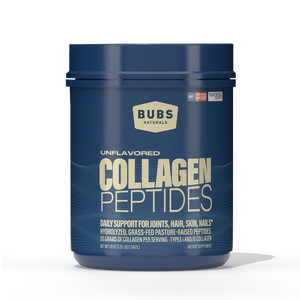
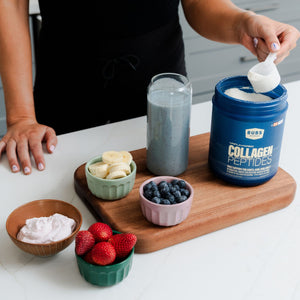
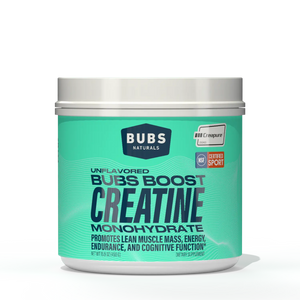
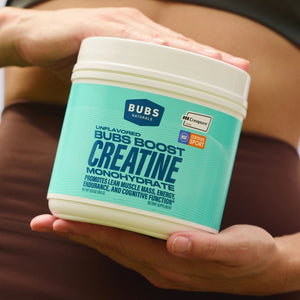
Furthermore, integrating other functional supplements can complement your hydration strategy. For instance, our Collagen Peptides are not only excellent for supporting joint health and recovery, but they can be mixed effortlessly into your post-workout shake, providing both protein and the benefits of collagen. For sustained energy, especially during demanding days, a clean boost from our MCT Oil Creamer – 10 oz Tub in your coffee can be transformative, offering healthy fats that support brain function and metabolism. We also offer Creatine Monohydrate to support strength and power for those looking to maximize their training performance. These carefully chosen products reflect our dedication to science-backed wellness solutions that integrate seamlessly into your active life.
In essence, electrolyte supplementation is not a magic bullet, nor is it universally necessary. It's a strategic tool designed to support the body during specific periods of increased need, ensuring proper hydration and cellular function. When chosen wisely, focusing on quality ingredients and appropriate ratios, it can significantly contribute to your overall well-being and performance.
Maintaining a Healthy Electrolyte Balance: Our Approach
Achieving and maintaining a healthy electrolyte balance is fundamental to overall wellness, enabling your body to function at its peak. It's about a consistent, mindful approach to nutrition and hydration, rather than quick fixes or excessive supplementation. At BUBS Naturals, we champion a no-BS philosophy, focusing on simple, effective, and science-backed strategies to support your active lifestyle.
Prioritize a Whole-Foods Diet
The cornerstone of optimal electrolyte balance is a diet rich in whole, unprocessed foods. Nature has already provided us with an abundant array of foods packed with these vital minerals.
-
Potassium: Load up on fruits like bananas, avocados, and oranges, along with vegetables such as spinach, sweet potatoes, and lentils. These help counterbalance sodium and promote healthy fluid balance.
-
Magnesium: Incorporate nuts (almonds, cashews), seeds (pumpkin, chia), legumes (black beans, edamame), whole grains (quinoa, brown rice), and leafy greens into your meals. Magnesium is crucial for muscle relaxation and energy production.
-
Calcium: Dairy products (milk, yogurt, cheese), fortified plant-based milks, and dark leafy greens (kale, collard greens) are excellent sources for bone health and nerve function.
-
Sodium: While we often get enough, or too much, from processed foods, natural sources like a pinch of sea salt on home-cooked meals, or fermented foods like sauerkraut, can provide necessary sodium without the hidden excesses.
By focusing on a diverse, nutrient-dense diet, most individuals can meet their daily electrolyte requirements without the need for constant supplementation. This approach also aligns with our values of clean living and harnessing the power of natural ingredients.
Strategic Use of Supplements
When diet alone isn't enough to meet the demands of an active lifestyle or specific physiological needs, strategic supplementation becomes a powerful tool. This is where the quality and purpose of your supplements truly matter.
-
For Performance and Recovery: Our Hydration Collection offers expertly formulated electrolyte products designed to replenish what's lost during intense workouts or heavy sweating. Products like Hydrate or Die – Lemon provide a balanced blend of electrolytes, helping you maintain energy, support muscle function, and recover effectively, all without added sugars or artificial ingredients. We ensure our products are rigorously tested and certified by third parties, like NSF for Sport, giving you peace of mind that you're fueling your body with only the best.
-
Beyond Hydration: Supporting your active lifestyle often goes beyond just electrolytes. Our Collagen Peptides Collection, derived from grass-fed, pasture-raised sources, can support joint health, skin vitality, and post-exercise recovery. For an energy boost without the jitters, our Creamers Collection, featuring products like MCT Oil Creamer – 10 oz Tub, provides clean fuel for sustained mental clarity. For strength and power, consider our Creatine Monohydrate to support your training goals. And to bolster your body's natural defenses and support collagen formation, our Vitamin C supplement is an excellent addition. Even simple additions like our Apple Cider Vinegar Gummies can support digestive wellness and a healthy daily habit.
Understanding Individual Needs and Listening to Your Body
One size does not fit all when it comes to hydration and electrolytes. Factors such as your activity level, climate, diet, overall health, and even genetics influence your specific needs. Pay attention to your body's signals: persistent fatigue, muscle cramps, dizziness, or changes in urine color can all be indicators of electrolyte imbalance or dehydration.
Our commitment at BUBS Naturals is to empower you to live a life of adventure, wellness, and purpose. We honor Glen “BUB” Doherty's legacy by ensuring that 10% of all profits are donated to veteran-focused charities. This means that every choice you make to nourish your body with our products also contributes to a greater cause. By focusing on a balanced diet, making informed decisions about supplementation, and choosing clean, high-quality products, you can maintain optimal electrolyte balance and truly feel the BUBS difference.
Conclusion
Navigating the complex interplay of electrolytes and water retention can feel like walking a tightrope, but with the right knowledge, it becomes a path to optimized wellness. We've journeyed through the intricate world of electrolytes, from their fundamental roles as the body's electrical conductors to their profound impact on fluid balance. The critical takeaway is clear: while all electrolytes are vital, it's primarily an excess of sodium that can lead to unwanted water retention, causing that familiar feeling of puffiness and bloating.
However, we've also seen that water retention isn't solely a sodium story. Factors like carbohydrate intake, lifestyle choices, hormonal fluctuations, and overall dietary patterns all contribute to the body's fluid dynamics. Understanding these nuances empowers us to move beyond simplistic assumptions and embrace a more holistic, informed approach to hydration.
Crucially, this exploration has underscored the importance of strategic electrolyte supplementation. For those embracing intense physical activity, enduring hot climates, or recovering from illness, intelligently replenishing lost electrolytes is not just beneficial but often essential for performance, recovery, and overall well-being. This is where products like our Hydration Collection shine, offering clean, balanced, and sugar-free support to help your body thrive.
At BUBS Naturals, our commitment to you is unwavering: clean, functional, science-backed supplements that support your adventurous spirit, inspired by the enduring legacy of Glen “BUB” Doherty. We believe in providing solutions that integrate seamlessly into your life, helping you conquer every summit, whether it's a new personal record or simply feeling your best every day. Listen to your body, fuel it wisely with a balanced diet, and choose quality supplements when truly needed. Ready to optimize your hydration and embrace effortless wellness? Explore our full Hydration Collection today and feel the BUBS difference – hydration you can trust, without the BS.
FAQ
-
What are the primary electrolytes that affect water retention?
The primary electrolyte most closely associated with water retention is sodium. When sodium levels in the body are too high, the body retains water to dilute it, leading to a feeling of puffiness or swelling. However, other electrolytes like potassium and magnesium play a crucial role in counteracting sodium's effects and promoting healthy fluid balance.
-
Can I get enough electrolytes from food alone, or do I always need supplements?
For most individuals engaging in moderate daily activity, a balanced diet rich in fruits, vegetables, nuts, and whole grains typically provides sufficient electrolytes. However, in situations of intense exercise, heavy sweating (due to hot weather or strenuous work), or illness (like vomiting or diarrhea), electrolyte supplementation, such as products from our
Hydration Collection, can be beneficial and sometimes necessary to prevent imbalances.
-
Are there risks associated with consuming too many electrolytes?
Yes, consuming excessive amounts of certain electrolytes can lead to imbalances with potential side effects. For instance, too much sodium can lead to increased water retention and potentially impact blood pressure. High potassium levels (hyperkalemia) can affect heart rhythm, and too much magnesium can cause digestive issues. It's why we emphasize a balanced approach and formulations like those in our
Hydration Collection that provide essential electrolytes in appropriate ratios.
-
How can I tell if my water retention is due to electrolytes or something else?
Water retention can have many causes, including dietary sodium, carbohydrate intake, hormonal fluctuations, sedentary lifestyles, or underlying health conditions. If you suspect excessive sodium from your diet or electrolyte supplements, try reducing your intake of high-sodium processed foods and observe if symptoms improve. If you experience persistent or severe swelling, especially with other concerning symptoms, it's always best to consult a healthcare professional to rule out other causes.