Table of Contents
- Introduction
- Is It Safe to Take Electrolytes and Magnesium Together?
- What Are Electrolytes?
- Magnesium: The "Relaxation" Electrolyte
- The Synergy Between Magnesium and Potassium
- How Magnesium Supports Hydration
- Signs You Need More Electrolytes and Magnesium
- When Is the Best Time to Take Them?
- How to Choose the Right Supplement Balance
- Can You Take Too Many Electrolytes?
- Combining Electrolytes with Other Supplements
- Practical Daily Routine for Mineral Balance
- Why Quality Matters
- Conclusion
- FAQ
Introduction
You have likely experienced that feeling of total depletion after a long run, a heavy lifting session, or a grueling day in the sun. Your muscles feel heavy, your focus drifts, and plain water does not seem to cut it. This is usually when the conversation about electrolytes and magnesium begins. People often wonder if they can combine these two or if they should keep them separate to avoid overloading their systems.
At BUBS Naturals, we believe that understanding what you put into your body is just as important as the workout itself. Whether you are a veteran athlete or someone looking to improve your daily wellness, getting your mineral balance right is a fundamental step toward better recovery. This article covers why taking these nutrients together is often the best strategy for your performance, and how our Hydration Collection fits into that routine.
The short answer is yes, you can take electrolytes and magnesium together. In fact, magnesium is actually an electrolyte itself, and it works in close coordination with other minerals to keep your body functioning at its peak.
Quick Answer: Yes, you can safely take electrolytes and magnesium together. Magnesium is an essential electrolyte that works alongside sodium and potassium to support muscle function, hydration, and heart health. Most high-quality electrolyte drink mixes already include magnesium to ensure a balanced mineral profile.
Is It Safe to Take Electrolytes and Magnesium Together?
For most healthy individuals, combining these minerals is not only safe but highly recommended. When people ask if they can take them together, they are usually referring to taking a specific magnesium supplement alongside a general electrolyte drink. Since magnesium is one of the primary electrolytes, your body is designed to process it in tandem with others like sodium, potassium, and calcium.
Your body does not view these minerals as isolated ingredients. Instead, it sees them as a team of "electrical conductors" that help move fluid in and out of your cells. If you take a high dose of one electrolyte while neglecting others, you can actually create an imbalance. Taking them together helps ensure that your cellular "pumps" have all the components they need to operate smoothly.
What Are Electrolytes?
Before diving deeper into the combinations, we should define what electrolytes actually do. Electrolytes are minerals that carry an electrical charge when dissolved in water or bodily fluids. This electrical charge is what allows your brain to send signals to your muscles to contract and move.
The primary electrolytes in the human body include:
-
Sodium: Regulates fluid balance outside the cells.
-
Potassium: Works with sodium to control the electrical activity of the heart and muscles.
-
Magnesium: Assists in over 600 biochemical reactions, including energy production and muscle relaxation.
-
Calcium: Critical for bone health and muscle contractions.
-
Chloride: Helps maintain proper blood volume and pressure.
When you sweat, you lose these minerals in varying amounts. If you only replace your fluids with plain water, you can dilute the remaining electrolytes in your system, leading to fatigue or cramping.
Magnesium: The "Relaxation" Electrolyte
While sodium and potassium often get the most attention in sports drinks, magnesium plays a massive role in how you feel during and after exercise. If sodium and calcium are responsible for muscle contraction (tensing up), magnesium is the key to muscle relaxation.
Without enough magnesium, your muscles may stay in a partially contracted state. This is why many people experience "night cramps" or restless legs when their magnesium levels are low. By taking magnesium with your other electrolytes, you provide the "off switch" for your muscles, which is vital for recovery.
Myth: Magnesium is only for sleep and has nothing to do with athletic performance.
Fact: Magnesium is required for ATP (adenosine triphosphate) production, which is the primary energy currency of your cells. Without it, your body cannot effectively convert food into energy during a workout.
The Synergy Between Magnesium and Potassium
One of the main reasons to take these minerals together is the relationship between magnesium and potassium. These two minerals are partners in heart health and muscle function. Research suggests that magnesium helps your body "hold onto" potassium inside the cells.
If you are deficient in magnesium, your kidneys may actually excrete more potassium than they should, even if you are consuming plenty of potassium in your diet. This is why many medical professionals recommend taking them together. They help each other stay balanced, which supports a steady heart rhythm and prevents the "heavy leg" feeling often associated with electrolyte loss.
Key Takeaway: Magnesium and potassium work together to manage the electrical signals in your heart and skeletal muscles. Taking them as a pair may prevent the common issue of potassium depletion, leading to more stable energy and fewer muscle spasms.
How Magnesium Supports Hydration
Hydration is about more than just drinking water; it is about where that water goes. For water to enter your cells and actually hydrate your tissues, it needs the help of electrolyte transporters. Magnesium helps maintain the integrity of the cell membrane, allowing the "pumps" that move sodium and potassium to function correctly.
When you take a product like our Hydrate or Die, you are getting a calculated balance of these minerals. We designed it to provide a high dose of electrolytes—2,000mg total—to ensure that your hydration is functional, not just superficial. Including magnesium in that mix ensures that the water you drink actually reaches the muscles that need it most.
Signs You Need More Electrolytes and Magnesium
It is often easy to tell when your mineral levels are dipping. Your body has several ways of signaling that the balance is off. If you are highly active or live in a warm climate, you might notice these signs more frequently:
-
Muscle Twitching or Cramps: This is often the first sign of a magnesium or potassium deficiency.
-
Mental Fog: Since electrolytes facilitate nerve signaling, low levels can make you feel "slow" or unfocused.
-
Fatigue During Exercise: If you feel like you "hit a wall" earlier than usual, your body might be struggling to produce energy without sufficient minerals.
-
Headaches: Dehydration-related headaches are often actually electrolyte-imbalance headaches.
-
Irregular Sleep: Low magnesium is frequently linked to poor sleep quality and difficulty falling asleep.
For a deeper dive into how fluids and minerals work together, our guide on what to put in water for electrolytes is a helpful next step.
When Is the Best Time to Take Them?
Timing can depend on your specific goals. Since magnesium and electrolytes support both performance and recovery, there are a few different windows where they are most effective.
Pre-Workout
Taking electrolytes and magnesium before a workout can help prime your muscles for the work ahead. It ensures you have a reservoir of minerals to pull from as you start to sweat. This is particularly important for endurance athletes or those doing high-intensity interval training (HIIT).
During Exercise
If your workout lasts longer than 60 minutes, you should consider sipping on an electrolyte mix throughout the session. This provides a steady drip of sodium, potassium, and magnesium to replace what is lost in real-time, helping you maintain your power output until the end.
Post-Workout and Evening
This is perhaps the most popular time for magnesium. Because magnesium supports muscle relaxation and helps calm the nervous system, taking it after a workout or before bed can help your body transition from a "stressed" state to a "recovery" state. Many people find that taking our electrolytes in the evening helps them wake up feeling more refreshed and less stiff.
How to Choose the Right Supplement Balance
Not all electrolyte and magnesium supplements are created equal. Many "big name" sports drinks are loaded with sugar and use low-quality forms of minerals that do not absorb well. When you are looking for a way to combine these, keep these criteria in mind:
-
Check the Sugar Content: You do not need 30 grams of sugar to hydrate. While a tiny bit of glucose can help mineral absorption, most modern diets already provide enough. Look for clean, low-sugar or sugar-free options.
-
Look for Bioavailability: The form of the mineral matters. For example, magnesium citrate or glycinate is generally absorbed much better than magnesium oxide.
-
Balanced Ratios: You want a supplement that mimics the ratios lost in sweat. This usually means a higher concentration of sodium and potassium, with a supporting dose of magnesium and calcium.
-
No Fillers: Avoid products with artificial dyes, "clouding agents," or unnecessary preservatives.
Our BUBS Naturals electrolyte formula follows these rules. We use a high-potency blend designed for real performance, ensuring that you get what you need without the "BS" found in typical grocery store drinks.
Can You Take Too Many Electrolytes?
While it is beneficial to take these together, you should still be mindful of your total intake. Your kidneys are responsible for filtering out excess minerals. For most people, the body simply excretes what it does not use. However, extremely high doses of certain minerals can cause issues.
For example, taking a massive amount of magnesium all at once can have a laxative effect. This is why it is often better to get your magnesium through a balanced electrolyte drink or to split your magnesium supplements into smaller doses throughout the day. Similarly, people with kidney conditions should always consult a healthcare provider before starting a high-potassium or high-magnesium regimen, as their bodies may have trouble processing the excess.
Combining Electrolytes with Other Supplements
Many of our community members combine their electrolyte routine with other wellness staples. Here is how electrolytes and magnesium fit with other common supplements:
Collagen and Magnesium
Collagen peptides are excellent for joint and tissue repair. Since magnesium supports protein synthesis, taking Collagen Peptides and magnesium together is a great strategy for long-term recovery. Magnesium helps the body build the "scaffolding" that collagen then reinforces.
Creatine and Electrolytes
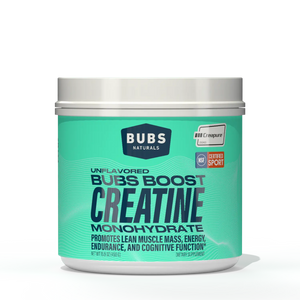
Creatine monohydrate is one of the most researched supplements for strength and power. It works by drawing water into the muscle cells. To make creatine most effective, you need proper hydration. Taking our Creatine Monohydrate alongside an electrolyte mix helps ensure that your cells have the fluid and minerals necessary to maximize those strength gains.
Vitamin C
Vitamin C is an antioxidant that supports the immune system and collagen formation. Some studies suggest that Vitamin C+ can also help with mineral absorption. Taking your electrolytes with a Vitamin C supplement in the morning is a solid way to kickstart your day.
Practical Daily Routine for Mineral Balance
If you want to start taking electrolytes and magnesium together, here is a simple protocol you can follow. You do not need to overcomplicate it.
-
Morning: Drink a large glass of water with a scoop of electrolytes. This rehydrates you after eight hours of sleep and prepares your nervous system for the day.
-
Workout: Sip on an electrolyte mix during your training session if you are sweating heavily.
-
Evening: If you find you are still feeling tight or have trouble relaxing, consider an extra half-serving of electrolytes or a dedicated magnesium supplement before bed.
By spreading your intake throughout the day, you maintain a steady level of these minerals in your bloodstream, rather than hitting your system with one giant dose.
Why Quality Matters
At BUBS Naturals, we do things differently because we have a reason to. Our brand was founded to honor Glen "BUB" Doherty, a Navy SEAL who lived his life with intensity and purpose. We believe your supplements should reflect that same level of integrity.
That is why we focus on clean, science-backed ingredients. Our products are designed to be easy-mixing and effective. We use third-party testing to ensure that what is on the label is exactly what is in the bag. When you choose a brand that prioritizes "no BS" ingredients, you can trust that your mineral balance is in good hands, and you can learn more in our story.
Bottom line: Taking electrolytes and magnesium together is a safe and effective way to support your body's electrical system, improve muscle recovery, and ensure deep hydration.
Conclusion
Managing your mineral intake is a simple change that can lead to significant improvements in how you feel every day. By taking electrolytes and magnesium together, you are giving your body the full spectrum of tools it needs to regulate fluid, produce energy, and recover from stress. Remember to look for clean formulas, listen to your body’s signals, and prioritize consistency over perfection.
When you fuel your body with high-quality nutrients, you are not just checking a box—you are investing in your long-term health and your ability to keep pursuing adventure. We are proud to play a small part in that journey, and our commitment to giving back means every purchase helps support veteran-focused charities.
-
Prioritize Balance: Ensure you are getting a mix of sodium, potassium, and magnesium.
-
Watch for Signs: Be aware of cramps or fatigue as signs of mineral depletion.
-
Stay Clean: Choose products without artificial fillers or excessive sugar.
-
Consistency is Key: Make hydration a daily habit, not just a mid-workout fix.
"The only easy day was yesterday. Keep moving forward and stay hydrated."
FAQ
Can I take magnesium and electrolytes on an empty stomach?
Most people can take these minerals on an empty stomach without issue. However, some forms of magnesium may cause mild stomach upset if taken without food. If you have a sensitive stomach, try taking your electrolyte mix with a small snack or after a meal.
Will taking magnesium with electrolytes make me sleepy?
Magnesium helps calm the nervous system, but it is not a sedative. Taking it during the day with other electrolytes like sodium and potassium will not typically make you feel drowsy. Instead, it helps prevent over-stimulation and muscle tension, which can actually help you feel more focused.
Is it possible to take too much magnesium with an electrolyte drink?
While the body usually flushes out extra magnesium, very high doses can lead to digestive issues like diarrhea. It is best to stick to the recommended serving sizes on your supplement labels. Most electrolyte drinks contain a balanced amount that is safe for daily consumption.
Should I take electrolytes and magnesium every day?
If you are physically active, sweat frequently, or live in a hot climate, daily supplementation can be very beneficial. Even on rest days, maintaining your mineral balance supports heart health and cognitive function. Our guide on whether electrolyte water works can help you think through how to make that a daily habit.