Table of Contents
- Introduction
- Why Alcohol Causes Dehydration
- The Role of Electrolytes in Recovery
- The Four Major Minerals You Need After Drinking
- Why Traditional Sports Drinks Often Fail
- When Should You Take Electrolytes?
- Beyond Electrolytes: Other Recovery Factors
- Living the BUBS Way: Purpose and Performance
- Conclusion
- FAQ
Introduction
You know the feeling. You wake up with a mouth that feels like it’s filled with cotton, a dull throb behind your eyes, and a general sense that your body is operating at about 40% capacity. It is the classic "morning after" struggle. While the world offers plenty of questionable remedies—from greasy spoons to the "hair of the dog"—most of us are simply looking for a way to feel human again so we can get back to our training or our families.
At BUBS Naturals, we believe in keeping things simple and science-backed, especially when it deals with how your body recovers from stress. Whether that stress comes from an intense mountain bike session or a night out with friends, the physiological toll is real. One of the most common questions we hear is whether electrolytes actually help after drinking or if they are just another wellness trend.
This guide will break down the science of how alcohol affects your hydration, why plain water often isn't enough, and how specific minerals can help you bounce back faster. We will also look at the best timing for rehydration and what to avoid when you are trying to reset your system. Understanding the relationship between alcohol and your internal balance is the first step toward better recovery.
Quick Answer: Yes, electrolytes help after drinking by replenishing the essential minerals lost due to alcohol’s diuretic effect. They help your body retain water more effectively than plain H2O, which can mitigate common symptoms like headaches, fatigue, and muscle weakness.
Why Alcohol Causes Dehydration
To understand why electrolytes are useful, we first have to look at what alcohol does to the body. Alcohol is a diuretic. In plain English, this means it makes you lose more fluid than you take in. It does this by interfering with a specific messenger in your brain called vasopressin.
Vasopressin is an anti-diuretic hormone. Its job is to tell your kidneys to hold onto water and keep your body hydrated. When you drink alcohol, your brain stops releasing as much vasopressin. Without that signal, your kidneys receive a green light to flush out water through increased urination. This is why "breaking the seal" is a real physiological event.
When you lose that much fluid, you aren’t just losing water. You are flushing out the minerals that keep your cells functioning. This creates a state of mild to moderate dehydration, which is the primary driver behind the fatigue and thirst you feel the next day. By the time you wake up, your body is essentially running on an empty tank, and your internal chemistry is scrambled.
The Role of Electrolytes in Recovery
Most people think hydration is just about drinking water. However, water is only half of the equation. Electrolytes are essential minerals—like sodium, potassium, and magnesium—that carry an electrical charge. They are responsible for directing where water goes in your body.
If you drink a massive amount of plain water when you are already dehydrated, you might actually make the problem worse. This is known as overhydration or "flushing." Without enough electrolytes to help your cells absorb the water, the fluid just passes right through you, potentially diluting your mineral levels even further.
Electrolytes help after drinking by acting as the "gatekeepers" for your cells. They ensure that the water you drink actually gets into your bloodstream and your tissues where it is needed. This helps restore blood volume, which can reduce the severity of a dehydration-induced headache.
Key Takeaway: Electrolytes are not just "extras"; they are the delivery mechanism that allows your body to actually use the water you drink. Without them, you are essentially pouring water down a drain that hasn't been plugged.
The Four Major Minerals You Need After Drinking
When you are looking to recover, not all minerals are created equal. After alcohol consumption, your body is specifically looking for a few key players to get back into balance.
Sodium
Sodium is the primary electrolyte found in the fluid outside your cells. Its main job is to help your body retain water and maintain blood pressure. When you drink, you lose a significant amount of sodium. Replacing it is the fastest way to increase your blood volume and stop the "dizzy" feeling that often accompanies a hangover.
Potassium
While sodium stays outside the cells, potassium lives inside them. It is crucial for nerve signaling and muscle contractions. If you’ve ever felt shaky or had muscle cramps after a night out, a potassium imbalance is likely the culprit. Alcohol can deplete your potassium stores, making you feel weak and sluggish.
Magnesium
Magnesium is involved in over 300 biochemical reactions in the body. It helps with muscle relaxation and brain function. Many people are already slightly deficient in magnesium, and alcohol only makes it worse. Replenishing magnesium can help ease the "brain fog" and sensitivity to light or sound that many people experience.
Chloride
Chloride works closely with sodium to maintain the correct balance of fluids in your body. It also plays a role in maintaining your body’s pH levels. When you lose fluid, you lose chloride, which can lead to feelings of lethargy and an upset stomach.
| Electrolyte |
Primary Role in Recovery |
Source Examples |
| Sodium |
Fluid retention and blood volume |
Sea salt, pickles, electrolyte mixes |
| Potassium |
Nerve function and muscle support |
Bananas, avocados, coconut water |
| Magnesium |
Reducing headaches and fatigue |
Spinach, pumpkin seeds, supplements |
| Chloride |
pH balance and fluid regulation |
Table salt, celery, seaweed |
Why Traditional Sports Drinks Often Fail
When people feel the effects of drinking, they often reach for a bright blue or orange sports drink from the local convenience store. While these drinks do contain electrolytes, they often come with a heavy dose of things your body doesn't need—specifically sugar and artificial dyes.
Many of these traditional drinks contain 30 grams of sugar or more per bottle. While a small amount of glucose can help with electrolyte absorption, the massive amounts found in "blue" drinks can actually cause a blood sugar spike followed by a crash. When you are already feeling low, a sugar crash is the last thing you need. Furthermore, artificial colors and flavorings can be hard on a stomach that is already irritated by alcohol.
We designed our Hydrate or Die® electrolytes to solve this exact problem. It provides a highly effective dose of functional electrolytes without the added sugar or "junk" ingredients. Our goal is to provide a clean, effective way to get your levels back to where they need to be so you can get on with your day. Using a product like our Mixed Berry or Lemon hydration mix ensures you are getting the minerals you need without the metabolic tax of excess sugar.
Bottom line: Avoid the sugary neon drinks. They might provide a temporary lift, but the long-term recovery will be slower due to the sugar load and artificial additives.
When Should You Take Electrolytes?
Timing is everything when it relates to recovery. While taking electrolytes the morning after is helpful, there is a better way to manage the stress of alcohol on your body.
The Pre-Game Buffer
Drinking an electrolyte-enhanced water before you start your evening can provide a "hydration buffer." This ensures your mineral levels are topped off before the diuretic effect of alcohol begins to drain them. Think of it like filling your gas tank before a long drive.
The "One-to-One" Rule
A common piece of advice is to drink one glass of water for every alcoholic beverage. You can level this up by making sure at least one of those glasses of water includes electrolytes. This helps counter the fluid loss in real-time, which can significantly reduce the severity of symptoms the following morning.
Before Bed
The period while you sleep is when your body does the most "clean up" work. Alcohol often disrupts sleep quality, and dehydration only makes this worse. Drinking a full glass of water with electrolytes before you hit the pillow can help your body process the toxins more effectively and prevent you from waking up in a deep state of dehydration.
The Morning Reset
If you missed the windows above, don't worry. Taking electrolytes first thing in the morning is still the best move. Instead of reaching for coffee—which is also a diuretic and can further irritate your stomach—start with 16 to 20 ounces of water mixed with a high-quality electrolyte powder. This kickstarts your rehydration and helps settle your nervous system.
Beyond Electrolytes: Other Recovery Factors
While electrolytes are a massive help, they aren't a "magic pill" that erases the effects of alcohol. Alcohol metabolism produces a byproduct called acetaldehyde. This is a toxic compound that your liver has to break down. This process takes time, and no amount of hydration can speed up your liver’s natural pace.
Inflammation and "Mini-Withdrawal"
Alcohol causes systemic inflammation. This is why your body might feel sore or achy the next day. Additionally, as alcohol leaves your system, your brain goes through a "mini-withdrawal" phase where it tries to recalibrate its neurochemistry. This often manifests as "hangxiety"—that feeling of restlessness or worry. Hydration helps, but rest and clean nutrition are also necessary.
The Danger of Acetaminophen
A common mistake people make is taking pain relievers containing acetaminophen (like Tylenol) while alcohol is still in their system. Both alcohol and acetaminophen are processed by the liver. Combining them can cause significant stress on the organ and, in some cases, lead to liver damage. If you must take a pain reliever, many health professionals suggest ibuprofen, though it can still be tough on the stomach. Always consult your healthcare provider if you are unsure.
Food for Recovery
Once your stomach has settled, focus on nutrient-dense foods. Eggs are a great choice because they contain cysteine, an amino acid that helps break down acetaldehyde. Bananas and avocados provide an extra boost of potassium, while leafy greens can help restore magnesium levels.
Myth: Greasy food "soaks up" the alcohol from the night before.
Fact: By the time you wake up, the alcohol has already been processed or absorbed into your bloodstream. Greasy food is more likely to irritate your digestive lining than help with recovery. Stick to clean proteins and complex carbs.
Living the BUBS Way: Purpose and Performance
At BUBS Naturals, our philosophy is about more than just supplements. It is about a lifestyle of being ready for whatever comes next. Whether you are training for a marathon or just trying to be a better parent, your physical state matters. We focus on simple, clean ingredients because we know that real performance doesn't require a chemistry degree.
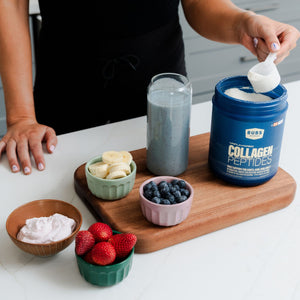
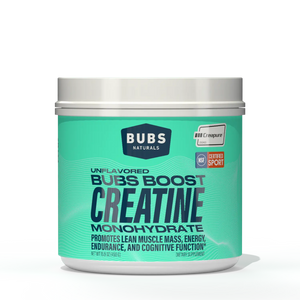
Our products, including our NSF for Sport certified Creatine Monohydrate and our grass-fed Collagen Peptides, are designed to support a body that is constantly in motion. When we created our Boosts collection, we applied that same "no BS" approach. We wanted something that worked as hard as you do, especially when you are in the "recovery zone."
Every time you choose to support your body with clean ingredients, you are investing in your future self. We are proud to be part of that journey, providing the tools you need to stay hydrated, focused, and ready for adventure.
Conclusion
Do electrolytes help after drinking? The science says a resounding yes. By restoring fluid balance, supporting nerve function, and helping your body retain the water you drink, electrolytes are the most effective tool in your recovery kit. While they won't stop the clock on your liver's detoxification process, they can certainly make the journey back to "normal" much more comfortable.
Remember that recovery is a holistic process. It involves hydration, nutrition, and, most importantly, time. Be kind to your body by choosing high-quality, sugar-free electrolyte sources and avoiding the common pitfalls of processed "recovery" drinks.
At the heart of BUBS Naturals is a commitment to a life well-lived. We are inspired by the legacy of Glen "BUB" Doherty, a man who lived for adventure and purpose. In his honor, we donate 10% of all our profits to veteran-focused charities through our story and mission. When you choose us, you aren't just helping your own recovery; you are supporting the recovery and transition of those who have served.
One scoop, one stick, one step at a time—stay hydrated and stay focused on the mission.
FAQ
Is it better to drink electrolytes before or after alcohol?
The most effective strategy is to drink them before, during, and after. Taking electrolytes before you drink provides a hydration buffer, while taking them the next morning helps restore the minerals lost through alcohol’s diuretic effect.
Can electrolytes prevent a hangover?
While they cannot completely prevent a hangover—since hangovers are also caused by inflammation and toxic byproducts of alcohol—they can significantly reduce symptoms like headaches and fatigue. Proper hydration is the best way to minimize the physical toll of drinking.
Is Gatorade or Pedialyte good for a hangover?
They provide electrolytes, but they often contain high amounts of sugar, artificial colors, and flavorings that can irritate your stomach or cause a sugar crash. A clean, sugar-free electrolyte mix like BUBS Hydrate or Die is a more efficient way to rehydrate without the "junk" ingredients.
Why does plain water sometimes feel like it's not working?
If your mineral levels are too low, your body cannot effectively absorb plain water, leading you to flush it out almost immediately. Adding electrolytes helps the water enter your cells and stay in your system where it can actually do its job.