Table of Contents
- Introduction
- The Problem with Traditional Sports Drinks
- What Are Electrolytes and Why Do They Matter?
- Do You Actually Need Sugar for Absorption?
- Essential Ingredients for Your DIY Electrolyte Water
- Simple Recipes to Make Electrolyte Water Without Sugar
- Comparing Your Options
- Advanced Flavoring Without Using Sugar
- Hydration for Specific Goals
- Tips for Success with DIY Hydration
- The BUBS Approach to Functional Wellness
- Conclusion
- FAQ
Introduction
You finish a hard training session or a long day outdoors and your first instinct is to reach for something to replenish what you lost. Most people grab a bright-colored sports drink from a gas station cooler. The problem is that many of those drinks contain more sugar than a soda and surprisingly few actual minerals. If you want to perform at your peak without the sugar crash or the unnecessary additives, learning how to make electrolyte water without sugar is a essential skill.
At BUBS Naturals, we believe in keeping things simple and clean. Hydration is not just about pouring water into your system; it is about maintaining a precise balance of minerals that keep your heart, muscles, and brain functioning. This guide will walk you through the science of sugar-free hydration, provide several DIY recipes you can make in your kitchen, and explain why skipping the glucose might be the best move for your metabolic health.
Quick Answer: To make electrolyte water without sugar, mix 16–20 ounces of water with 1/4 teaspoon of high-quality sea salt (sodium), a pinch of potassium chloride (Lite Salt), and a squeeze of fresh lemon or lime. You can add a dash of magnesium powder or a splash of apple cider vinegar to round out the mineral profile without adding calories or spikes in blood sugar.
The Problem with Traditional Sports Drinks
Most of the popular hydration products on the market were designed decades ago for high-intensity athletes burning massive amounts of glycogen. For the average person hitting the gym, going for a hike, or just trying to stay sharp at work, that extra sugar is dead weight.
Excessive Liquid Sugar
A typical 20-ounce sports drink can contain upwards of 34 grams of sugar. When you consume sugar in liquid form, your body absorbs it almost instantly. This causes a massive spike in blood glucose, followed by a surge of insulin. Once that insulin does its job, your blood sugar often drops below where you started, leading to the "crash" that leaves you feeling more fatigued than before you drank it.
The "Salty" Reality
Despite the marketing, many store-bought drinks are actually under-dosed in the minerals that matter most. You might find a couple hundred milligrams of sodium, but athletes can lose thousands of milligrams during a heavy sweat session. Furthermore, these drinks often ignore potassium and magnesium entirely, focusing instead on artificial colors and flavors to make the product look "energetic."
Metabolic Inflexibility
Consistently consuming high-sugar drinks can lead to metabolic inflexibility. This means your body becomes reliant on external glucose for energy and loses its efficiency at burning stored body fat. By choosing to make electrolyte water without sugar, you help your body stay adapted to using its own fuel sources while staying perfectly hydrated.
What Are Electrolytes and Why Do They Matter?
Electrolytes are minerals that carry an electrical charge when dissolved in water. They are the "spark plugs" of the human body. Without them, your cells cannot communicate, your muscles cannot contract, and your heart cannot maintain a steady beat. For a deeper dive, read our guide to Essential Electrolytes: What You Need for Optimal Hydration.
Sodium: The Fluid Regulator
Sodium is the primary electrolyte found in the fluid outside your cells. Its main job is to maintain blood pressure and regulate the total amount of water in your body. When you sweat, sodium is the mineral you lose in the highest concentration. If you drink too much plain water without replacing sodium, you risk a condition called hyponatremia, which can cause headaches, confusion, and fatigue.
Potassium: The Intracellular Partner
Potassium lives primarily inside your cells. It works in tandem with sodium to manage the electrical pumps that allow your nerves to fire. Most Americans are chronically under-consuming potassium, which can lead to muscle cramps and even heart palpitations.
Magnesium: The Recovery Mineral
Magnesium is involved in over 300 biochemical reactions, including protein synthesis and muscle function. It is essential for relaxation and recovery. While you do not lose as much magnesium through sweat as you do sodium, it is a critical component for preventing the "heavy leg" feeling after a workout.
Key Takeaway: Hydration is a fluid-balance equation, not just a water-consumption goal. Sodium and potassium act as the primary regulators that keep water exactly where it needs to be—inside and outside your cells.
Do You Actually Need Sugar for Absorption?
A common myth in the fitness world is that you must have sugar to absorb electrolytes. This stems from a misunderstanding of the SGLT1 (Sodium-Glucose Linked Transporter) system in the gut.
It is true that glucose can accelerate the absorption of sodium and water. This is why "Oral Rehydration Solutions" used in medical emergencies (like treating cholera) contain sugar. However, for 99% of people in 99% of situations, your body is perfectly capable of absorbing minerals without a hit of sugar. If you want a practical overview, see our guide on Optimize Hydration: How to Turn Water into Electrolytes.
If you have eaten any food in the last few hours, you likely have enough circulating nutrients to facilitate absorption. Even on an empty stomach, your body can absorb electrolytes through other pathways. Unless you are running an ultramarathon or suffering from a severe gastrointestinal illness, the metabolic downside of the sugar far outweighs the minor increase in absorption speed.
Myth: You need sugar to stay hydrated during a workout.
Fact: For most activities under 90 minutes, your body has plenty of stored energy. Sugar-free electrolytes provide the minerals your muscles need to fire without interfering with fat burning or causing insulin spikes.
Essential Ingredients for Your DIY Electrolyte Water
To make a high-quality electrolyte water at home, you only need a few staple ingredients. Most of these are likely already in your pantry.
1. High-Quality Sea Salt
Skip the highly processed table salt. Use Celtic sea salt or Himalayan pink salt. These contain trace minerals that go beyond just sodium and chloride. A 1/4 teaspoon of sea salt provides roughly 500mg of sodium, which is a solid baseline for most people.
2. Potassium Chloride (Lite Salt)
You can find "Lite Salt" or "No-Salt" in the baking aisle of most grocery stores. This is usually potassium chloride. It is an inexpensive way to add a concentrated dose of potassium to your water. Be careful with the dosage—a small pinch goes a long way.
3. Magnesium Citrate or Glycinate
If you want to add magnesium, look for a powder form of magnesium citrate or glycinate. Avoid magnesium oxide, as it is poorly absorbed and can cause digestive upset. A small dash of powder (about 50–100mg) is usually plenty for a single serving.
4. Natural Acids (Flavor and pH)
Fresh lemon or lime juice provides a small amount of potassium and helps balance the salty flavor. Apple cider vinegar (ACV) is another excellent addition. It contains "the Mother," which provides enzymes and trace minerals that support digestive health.
Simple Recipes to Make Electrolyte Water Without Sugar
Here are three ways to mix these ingredients into a drink that actually tastes good.
The Classic Citrus Base
This is the go-to for daily hydration. It is light, refreshing, and fits into any routine.
- 20 oz of filtered water
- 1/4 tsp Himalayan pink salt
- 1 tbsp fresh lemon juice
- A pinch of Lite Salt (potassium)
- Optional: A few drops of liquid stevia or monk fruit for sweetness
The Apple Cider Kick
This recipe is great for those who prefer a more savory, "shrub" style drink. The ACV provides a tangy edge that masks the saltiness well.
- 16 oz of filtered water
- 1/4 tsp sea salt
- 1 tbsp Apple Cider Vinegar
- A dash of ginger powder (to aid digestion)
- 1/2 tsp magnesium powder
The Berry Infusion
If you want something with more flavor, use a cold-steep method with berries.
- 24 oz of filtered water
- 1/4 tsp sea salt
- 1/4 cup mashed raspberries or blueberries
- 1 tbsp lime juice
- Let it sit in the fridge for 2 hours, then strain and drink.
Comparing Your Options
When deciding how to hydrate, you generally have three paths. You can buy the standard sports drinks, mix your own at home, or use a high-quality prepared mix like our Hydrate or Die.
| Feature |
Store-Bought Sports Drink |
DIY Kitchen Mix |
BUBS Hydrate or Die |
| Sugar Content |
20g - 40g per bottle |
0g |
0g |
| Sodium Content |
Low (approx. 200mg) |
Customizable (High) |
High (approx. 600mg+) |
| Potassium |
Negligible |
Customizable |
High (approx. 400mg) |
| Additives |
Dyes, Artificial Flavors |
None |
Clean, Fruit-based |
| Convenience |
High (Grab and go) |
Low (Needs prep) |
High (Single-serve stick) |
Bottom line: Making your own electrolyte water is the most cost-effective and customizable way to hydrate, while products like Hydrate or Die provide that same clean mineral profile with the convenience of a portable stick pack.
Advanced Flavoring Without Using Sugar
The hardest part about making electrolyte water at home is the taste. Drinking salt water isn't exactly a luxury experience. However, you can make it delicious without resorting to sugar or artificial chemicals.
Use Fresh Herbs
Muddled mint, basil, or even a sprig of rosemary can transform a salty drink into a spa-like experience. These herbs provide aromatic complexity that distracts your palate from the saltiness.
Cold-Steeped Teas
Try using hibiscus or green tea as your water base. Hibiscus tea is naturally tart (resembling cranberry juice) and is packed with antioxidants. Green tea provides a tiny bit of natural caffeine and L-theanine for focus. Simply brew the tea, let it cool, and then add your minerals.
The Power of Bubbles
If you find still water boring, use sparkling water or a soda stream. The carbonation provides a "bite" that mimics the mouthfeel of traditional soda or sports drinks. Just make sure to add your powders slowly to avoid a "volcano" effect.
Hydration for Specific Goals
How much electrolyte water you need depends heavily on what you are doing. One size does not fit all.
For Fasting and Keto
When you are in a fasted state or a ketogenic diet, your body drops insulin levels. This causes your kidneys to flush out sodium and water at a much higher rate. This is the primary cause of the "keto flu." If you are fasting, making electrolyte water without sugar is mandatory to keep your energy up and avoid muscle cramps. Stick to the basic salt and potassium mix to ensure you do not break your fast.
For Endurance Training
If you are training for more than 90 minutes, your mineral needs skyrocket. You might need to double the salt in your recipe. During long events, your body is under stress, so keeping the ingredients simple is key to avoiding "gut rot" or runners' trots.
For Daily Focus
Many people mistake thirst or mineral depletion for "brain fog." A small glass of electrolyte water in the mid-afternoon can often provide more mental clarity than a third cup of coffee. By keeping it sugar-free, you avoid the late-afternoon crash.
Tips for Success with DIY Hydration
-
Start Slow: If you aren't used to drinking salt water, start with a 1/8 teaspoon of salt and work your way up. Too much salt at once can have a laxative effect.
-
Temperature Matters: Most people find electrolyte water much more palatable when it is ice-cold.
-
Mix it Well: Salt and mineral powders can settle at the bottom. Use a shaker bottle or a handheld frother to ensure everything is fully dissolved.
-
Quality Ingredients: Since there is no sugar to hide behind, the quality of your salt and water matters. Use filtered water to avoid the taste of chlorine.
The BUBS Approach to Functional Wellness
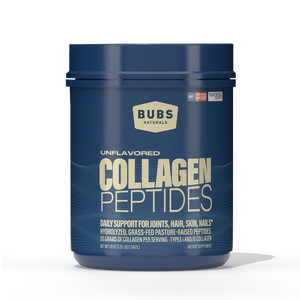
Everything we do at BUBS Naturals is centered around the idea of "No BS." Whether it is our grass-fed Collagen Peptides or our electrolytes, we prioritize ingredients that actually serve a purpose. When we developed Hydrate or Die, we wanted to solve the problem of the "sugar-heavy sports drink." We focused on a high-dose mineral profile—2000mg of electrolytes per serving—without a single gram of added sugar.
Our products are designed for people who lead active, purposeful lives. We know that when you are out on a trail or in the middle of a heavy lifting session, you don't want to worry about whether your supplements are helping or hurting your goals. We make sure they help, every single time. If you want to explore more of the lineup, start with our Boosts Collection.
Conclusion
Learning how to make electrolyte water without sugar is one of the easiest ways to upgrade your daily wellness routine. By taking control of the ingredients, you avoid the insulin spikes, artificial dyes, and under-dosed formulas common in the supplement aisle. Whether you choose to mix your own at home using sea salt and citrus or reach for a convenient pack of our Hydration Collection, the goal is the same: effective, clean hydration that keeps you moving.
- Ditch the sugar to maintain metabolic flexibility and avoid the crash.
- Focus on the "Big Three" minerals: Sodium, Potassium, and Magnesium.
- Use natural flavor enhancers like lemon, lime, and fresh herbs.
- Adjust your mineral intake based on your activity level and diet.
In everything we do, we remember the legacy of Glen "BUB" Doherty. He lived a life of adventure and purpose, and we carry that spirit forward by donating 10% of all our profits to veteran-focused charities. Learn more in Giving Back to Veterans & Our Communities. When you choose to hydrate with us, you are supporting a mission that goes far beyond the bottom of the bottle.
Keep it simple. Keep it clean. Now get out there and do the work.
FAQ
Is it safe to drink electrolyte water every day?
For most active individuals, drinking one or two glasses of sugar-free electrolyte water daily is perfectly safe and often beneficial. However, if you have underlying health conditions like kidney disease or high blood pressure, you should consult with your doctor before significantly increasing your salt intake.
Can I use table salt to make electrolyte water?
While table salt provides sodium, it is often stripped of other trace minerals and contains anti-caking agents like sodium ferrocyanide. High-quality sea salt or Himalayan pink salt is a better choice because it contains trace amounts of magnesium, calcium, and potassium that are found naturally in the earth.
Does sugar-free electrolyte water break a fast?
No, a basic mix of water, salt, potassium, and magnesium will not break a fast because it contains zero calories and does not trigger an insulin response. In fact, many people find that electrolytes make intermittent fasting much easier by reducing hunger pangs and preventing headaches.
Why does my homemade electrolyte water taste so salty?
If the taste is overpowering, you may be using too much salt for the volume of water, or your water isn't cold enough. Try increasing the water to 32 ounces, adding more fresh lemon juice to cut the saltiness, or using a natural, calorie-free sweetener like stevia to balance the flavor profile.