Table of Contents
- Introduction
- Understanding TSA Powder Regulations
- Carry-On vs. Checked Bags: Which Is Better?
- The Science of Hydration During Travel
- Tips for Packing Supplements for a Smooth Flight
- Flying Internationally with Supplements
- How to Handle a TSA Search Like a Professional
- Why We Choose Simple, Clean Ingredients for Travel
- Planning Your In-Flight Wellness Routine
- Maintaining Consistency on the Road
- Conclusion
- FAQ
Introduction
You are standing in the security line, moving your shoes and laptop into gray plastic bins, when you remember the bag of white powder tucked into your carry-on. Whether it is your favorite hydration mix, a tub of collagen, or a scoop of creatine, a moment of doubt often hits. You wonder if the TSA officer will pull you aside for a secondary search or, worse, confiscate your supplements before you even reach the gate.
Staying hydrated and fueled during travel is a challenge. The dry air in airplane cabins and the disruption of your daily routine can leave you feeling sluggish and depleted. At BUBS Naturals, we believe your wellness routine shouldn't have to stay behind just because you are heading to the airport. We design our products to fit into an active, adventurous lifestyle, and that includes making sure they are easy to transport across the country or around the world.
This guide clarifies the current TSA regulations regarding powders and provides practical tips for packing your supplements. We will cover the specific volume limits for carry-ons, the benefits of individual packaging, and how to navigate security without the stress. Our goal is to ensure you feel prepared and equipped to maintain your performance standards, no matter where your journey takes you.
Quick Answer: Yes, you can bring electrolyte powder on a plane in both carry-on and checked bags. However, if the container holds more than 12 ounces (350 mL) of powder in a carry-on, you must place it in a separate bin for X-ray screening, and it may be subject to additional inspection.
Understanding TSA Powder Regulations
The Transportation Security Administration (TSA) has clear guidelines for traveling with "powder-like substances." These rules were updated significantly in 2018 to enhance security on both domestic and international flights. While most travelers are familiar with the 3-1-1 rule for liquids, the rules for powders are slightly different.
A powder-like substance is defined as fine dry particles produced by grinding, crushing, or disintegrating a solid substance. This includes everything from flour and sugar to your electrolyte mixes, protein powders, and cosmetics. TSA allows these items in your carry-on, but the amount you carry determines how they are handled at the checkpoint.
The 12-Ounce Threshold
The magic number for travelers is 12 ounces, which is approximately 350 milliliters. For a visual reference, this is roughly the size of a standard soda can. If you are carrying a container of powder that is larger than this volume, the TSA requires you to remove it from your bag and place it in a separate bin for X-ray screening. This is similar to how you handle a laptop or a bag of liquids.
It is important to note that the TSA often looks at the size of the container, not just the amount of powder inside. If you have a 16-ounce tub of collagen that is only one-quarter full, an officer may still treat it as a "large" powder item because of the container’s dimensions. To avoid confusion, it is often better to use smaller containers or individual stick packs for your carry-on.
Secondary Screening and Testing
Even if your powder is under the 12-ounce limit, TSA officers have the authority to perform additional screening. This might involve opening the container to test the contents for prohibited substances. They may use a small swab to check for explosive residue or ask you to identify the substance.
If an officer cannot resolve a security concern regarding a powder, they will not allow it through the checkpoint. While this is rare for standard supplements, it can happen. This is why many frequent fliers choose to keep their supplements in the original, labeled packaging. It provides immediate context for what the substance is, which can speed up the process if your bag is flagged.
Key Takeaway: Any powder over 12 ounces must be screened separately in carry-on luggage. To minimize delays, use individual servings or keep larger amounts in your checked bag.
Carry-On vs. Checked Bags: Which Is Better?
Deciding where to pack your supplements depends on how you plan to use them and how much you are bringing. Both carry-on and checked bags are permitted for electrolyte powders, but each has its pros and cons.
The Case for Carry-On
If you are on a long-haul flight, you will likely want your electrolytes and MCT oil with you in the cabin. Airplane cabins are notoriously dry, with humidity levels often dropping below 20 percent. This environment can lead to rapid dehydration, headaches, and fatigue. Having individual stick packs, like our Hydrate or Die electrolyte mix, allows you to mix a drink mid-flight and stay ahead of the "brain fog" that often accompanies travel.
The main advantage of carry-on is accessibility. You have your nutrition exactly when you need it. The downside is the potential for extra screening and the space it takes up in your personal item. If you choose carry-on, stick to individual portions or small, clearly labeled containers to keep your transition through security as smooth as possible.
The Case for Checked Bags
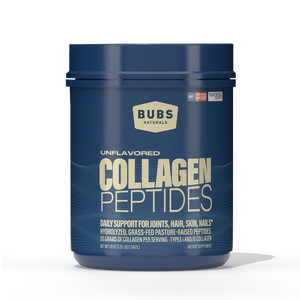
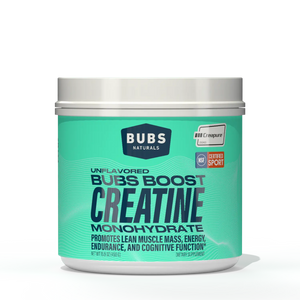
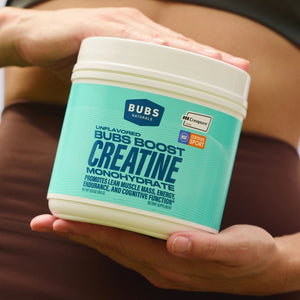
If you are traveling with a 30-day supply of Collagen Peptides or a large tub of Creatine Monohydrate, the checked bag is your best friend. There are no volume restrictions on powders in checked luggage. You can pack your full-sized tubs without worrying about the 12-ounce rule or having to pull them out at the security line.
Checking your larger supplements also reduces the weight of your carry-on. However, there is always a small risk of luggage being delayed or lost. If your supplements are a non-negotiable part of your daily health, we recommend packing a few days' worth in your carry-on and putting the rest in your checked bag. This "hybrid" approach ensures you are covered even if your suitcase takes a different flight than you do.
Myth: TSA only allows 12 ounces of powder total in a carry-on bag.
Fact: You can bring more than 12 ounces total, but any single container or concentrated amount over 12 ounces requires separate screening and may be subject to additional scrutiny.
The Science of Hydration During Travel
Why is it so important to bring your electrolyte powder on the plane in the first place? To understand this, you have to look at the unique environment of an aircraft. Most people realize they get thirsty on a plane, but the physiology goes deeper than just needing a sip of water.
For more background on hydration and electrolyte balance, explore this guide to hydrate electrolyte water.
Low Humidity and Respiratory Water Loss
As mentioned, the humidity on a plane is significantly lower than what we experience on the ground. Most indoor environments have a humidity of 30 to 60 percent. In a plane, it is often under 20 percent. Your body loses water through "insensible loss"—the moisture you lose just by breathing and through your skin. In dry air, this loss accelerates.
The Role of Electrolytes
Drinking plain water is only half the battle. To actually hydrate your cells, your body needs electrolytes—minerals like sodium, potassium, and magnesium. These minerals help regulate fluid balance and muscle function. Without them, you might drink a gallon of water and still feel dehydrated because your body isn't effectively retaining the fluid.
Our Hydrate or Die formula is designed for these high-stakes environments. It uses a specific ratio of electrolytes to help your body absorb water more efficiently. By bringing your own powder, you avoid the sugary, low-quality "sports drinks" often sold at airport kiosks, which can sometimes lead to an energy crash later in the day.
Note: Caffeine and alcohol, both common at airports, act as diuretics. If you indulge in either, you should double your electrolyte intake to compensate for the additional fluid loss.
Tips for Packing Supplements for a Smooth Flight
Preparation is the difference between a quick pass through security and an uncomfortable interrogation. Here is how we recommend packing your supplements to avoid any "red flags."
Use Original Packaging Whenever Possible
While it might be tempting to put your creatine and collagen into small, unlabelled plastic bags to save space, this is a recipe for a TSA delay. White powder in a plain bag looks suspicious. Keeping your supplements in their original BUBS Naturals packaging makes it clear what the product is. Our packaging includes ingredient lists and branding, which gives the TSA officer immediate information.
Individual Stick Packs Are Key
For carry-ons, individual stick packs are the ultimate travel hack. They are well under the 12-ounce limit, so they stay in your bag without needing separate screening. They are also sealed, which prevents any accidental messes in your bag. If you are a regular traveler, keeping a handful of Hydrate or Die sticks or MCT Oil Creamer packets in your "go-bag" ensures you are always ready for a trip.
Label Everything
If you must transfer your powders to smaller containers, use clear, printed labels. Hand-written labels are better than nothing, but printed labels look more professional and are easier to read. Include the name of the supplement and the primary ingredients if possible.
Watch Out for "Dense" Powders
Certain powders are more "dense" than others and can show up differently on an X-ray. Supplements like salt-heavy electrolytes or mineral-dense powders might trigger a "dense object" alert. This isn't a problem, but it does mean your bag is more likely to be searched. If you know you are carrying dense powders, place them at the top of your bag so the officer can find them easily without dumping out your entire suitcase.
Bottom line: To avoid delays, keep your powders in their original packaging or use individual servings, and always be ready to remove larger containers for separate X-ray screening.
Flying Internationally with Supplements
When you cross international borders, the rules change. While the TSA handles security within the United States, each country has its own customs and border protection agency. These agencies are more concerned with what you are bringing into the country rather than just the safety of the flight.
Customs Regulations
Some countries have strict rules about the importation of food, dairy, or botanical products. Since collagen is animal-derived and MCT oil comes from coconuts, they are technically food products. In most cases, sealed supplements for personal use are perfectly fine. However, some countries, like Australia or New Zealand, have very rigorous biosecurity laws.
Declaration
If you are carrying a large quantity of supplements—say, enough for a three-month stay—it is always safer to declare them on your customs form. Usually, a simple "health supplements for personal use" is enough. Being transparent with customs officers is always better than having them find an undeclared stash of powders at the bottom of your bag.
Local Laws on Ingredients
Be aware that some ingredients legal in the U.S. might be restricted in other countries. Standard electrolytes, collagen, and MCT oil are generally universally accepted. However, if you are using pre-workout mixes or supplements with more complex herbal ingredients, it is worth doing a quick search for the regulations in your destination country.
How to Handle a TSA Search Like a Professional
If your bag does get flagged for a powder search, do not panic. It is a routine part of an officer's job. How you handle the interaction can make the process go much faster.
Be Proactive
If you know you have a large tub of protein or collagen in your carry-on, tell the officer as you are placing your bags on the belt. A simple, "I have a large tub of protein powder in here, do you want me to take it out?" shows that you are being cooperative. Often, they will appreciate the heads-up and tell you exactly what to do.
Stay Calm and Patient
If an officer needs to open your container, let them. They are trained to handle these items safely. If they use a swab to test the powder, wait for the result. Avoid making jokes about what the powder "looks like." Security checkpoints are one of the few places where humor rarely helps.
Request a New Pair of Gloves
If you are concerned about the purity of your supplements, you are within your rights to politely ask the officer to put on a fresh pair of gloves before they touch your powder or the inside of your container. This prevents any cross-contamination from other bags they have searched. Most officers will comply without issue.
Why We Choose Simple, Clean Ingredients for Travel
At BUBS Naturals, our philosophy of "no BS" ingredients isn't just about health—it’s about simplicity. When you look at our Creatine Monohydrate or our Collagen Peptides, there is only one ingredient listed. This simplicity is a major advantage when traveling.
When a security or customs officer looks at a product with a hundred different chemical names, they are more likely to be skeptical. When they see a single-ingredient product that is clearly labeled and NSF for Sport certified, it builds immediate trust. We believe in providing products that are as clean as they are effective, ensuring that you can focus on your adventure rather than worrying about what’s in your shaker bottle.
Our products are designed for the high-performer who doesn't have time for fillers or artificial junk. Whether you are prepping for a Spartan race in another state or just trying to survive a red-eye flight to a business meeting, we provide the clean fuel you need to stay at the top of your game.
Planning Your In-Flight Wellness Routine
To make the most of your travel, you should have a plan for how and when you will use your supplements. Don't wait until you feel a headache coming on to start hydrating.
-
The Pre-Flight Prep: Drink a full glass of water with electrolytes about an hour before you head to the airport. This "pre-loads" your hydration.
-
The Security Sips: Finish your water bottle before the security line. Once you are through, find a filling station and add another stick of Hydrate or Die.
-
The Mid-Flight Boost: About halfway through your flight, mix another round. If you are drinking coffee, stir in some MCT Oil Creamer. The healthy fats from the coconut-sourced MCTs provide mental clarity and sustained energy, helping you avoid the post-coffee crash.
-
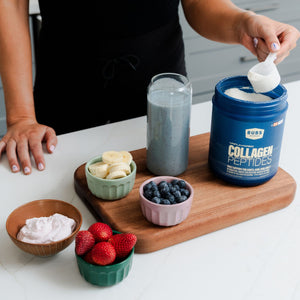
Post-Landing Recovery: Once you reach your destination, a scoop of collagen peptides in a glass of water can help support your joints after sitting in a cramped plane seat for hours.
By following this simple protocol, you turn a taxing travel day into an opportunity to stay on track with your goals. Travel should be an adventure, not a setback for your health.
Maintaining Consistency on the Road
The hardest part of any wellness routine is consistency. It is easy to stay on track when you are at home with your full kitchen and daily habits. It is much harder when you are living out of a suitcase.
This is why we focus on making our products easy to mix. Our collagen and electrolytes are designed to dissolve effortlessly in any liquid—hot or cold—without clumping. You won't need a blender or a battery-powered frother in your hotel room. A simple spoon or a quick shake in a water bottle is all it takes to get the job done.
When you know your supplements will work without a struggle, you are much more likely to actually use them. That consistency is what leads to long-term results, whether you are looking for better skin and hair, improved gut health, or faster recovery from your workouts.
Conclusion
Traveling with your wellness routine doesn't have to be a source of stress. Yes, you can bring your electrolyte powder on a plane, provided you understand the TSA rules and pack strategically. By keeping your powders under the 12-ounce limit in your carry-on—or checking larger containers—you can breeze through security and focus on your journey.
At BUBS Naturals, we are proud to create products that support your most ambitious goals, wherever they take you. Our mission is rooted in the legacy of Glen "BUB" Doherty, a Navy SEAL who lived a life of adventure and purpose. In his honor, we donate 10% of all our profits to veteran-focused charities. Learn more about BUBS Naturals’ story and giving-back mission.
When you choose us, you are not just investing in your own health; you are supporting a larger mission of giving back to those who served.
Stay hydrated, stay fueled, and keep moving forward. The world is waiting for you, and we are here to make sure you have the energy to see it all.
Next Step: Grab a box of Hydrate or Die stick packs for your next trip and experience the difference that clean, effective hydration makes during travel.
FAQ
Does electrolyte powder count toward my 3-1-1 liquid limit?
No, electrolyte powder is considered a solid, not a liquid, so it does not count toward your 3-1-1 limit for gels, creams, and liquids. However, if the powder container is larger than 12 ounces, it must be removed from your bag for separate X-ray screening.
Can I bring a pre-mixed electrolyte drink through security?
Generally, no. If you mix your powder into a water bottle before the security checkpoint, it must follow the 3.4-ounce liquid rule, meaning it will likely be confiscated. The best strategy is to bring an empty water bottle and your powder separately, then mix them once you are past the security screening.
Do I need to keep my supplements in their original containers?
While not strictly required by the TSA, it is highly recommended to keep supplements in their original, labeled packaging. This helps security officers quickly identify the substance, reducing the likelihood of a long delay or the powder being confiscated for further testing.
Is there a limit on how much total powder I can bring on a plane?
There is no hard limit on the total weight of powder you can bring, but any individual container over 12 ounces in a carry-on will trigger additional screening. If you need to transport a very large amount of supplement powder, it is often more convenient to pack it in your checked luggage where volume restrictions do not apply.