Table of Contents
- Introduction
- What Exactly Is Creatine?
- Defining Anabolic Steroids
- How Creatine Works: The ATP Connection
- Comparing Creatine and Steroids
- Why Does the Myth Persist?
- The Safety and Side Effects of Creatine
- Benefits Beyond the Gym
- How to Use Creatine Effectively
- Why Quality Matters
- Summary of Key Points
- Conclusion
- FAQ
Introduction
Walking into a gym for the first time often comes with a flood of advice. You might hear someone mention that they’ve started taking creatine to help with their lifts or recovery. For those unfamiliar with sports nutrition, a common question often follows: is creatine powder a steroid? It is a fair question, especially given how often the media groups performance-enhancing substances together. However, the answer is grounded in biology and chemistry rather than locker-room rumors.
At BUBS Naturals, we believe that understanding what you put into your body is just as important as the training you put your body through. We focus on providing clean, science-backed supplements that support an active and adventurous lifestyle. This guide is designed to clear up the confusion between hormonal drugs and natural supplements. We will break down exactly what creatine is, how it functions in your body, and why it remains one of the most studied and safe tools in the fitness world.
Creatine is not a steroid, but a naturally occurring compound that helps your muscles produce energy during heavy lifting or high-intensity exercise.
What Exactly Is Creatine?
To understand why creatine is not a steroid, you first have to understand what it actually is. Creatine is a nitrogenous organic acid. It is not a foreign chemical made in a lab; it is a compound that your body produces naturally. Your liver, kidneys, and pancreas create about one gram of creatine every day. It is synthesized from three specific amino acids: arginine, glycine, and methionine.
Beyond what your body produces, you also get creatine through your diet. It is primarily found in animal proteins like red meat, poultry, and fish. About 95% of the creatine in your body is stored in your skeletal muscles in the form of phosphocreatine. The remaining 5% is found in your brain and other organs.
When you take a supplement like Creatine Monohydrate, you are simply increasing the stores of a substance that is already present in your system. It is much more like taking a concentrated form of the nutrients found in a steak than taking a synthetic hormone.
Quick Answer: No, creatine is not a steroid. It is a naturally occurring amino acid derivative found in meat and produced by your own body to help provide energy for muscle contractions.
Defining Anabolic Steroids
The confusion often stems from the fact that both creatine and anabolic steroids can help someone build muscle and strength. However, the way they achieve those results is fundamentally different. Anabolic-androgenic steroids (AAS) are synthetic derivatives of testosterone, the primary male sex hormone.
Steroids work by entering the muscle cell and binding to androgen receptors. This process signals the cell to increase protein synthesis at a much higher rate than what is naturally possible. Because they are hormonal, they affect almost every system in the body, from your skin and hair to your mood and cardiovascular health.
Anabolic steroids are classified as Class C, Schedule III controlled substances in the United States. They require a prescription and are regulated by the FDA and DEA. Using them without a prescription is illegal and often carries significant health risks, including liver damage, hormonal imbalances, and heart issues.
How Creatine Works: The ATP Connection
While steroids focus on hormones and protein synthesis, creatine focuses on energy production. To understand this, we have to look at Adenosine Triphosphate (ATP). ATP is the "energy currency" of your cells. When you perform a short, explosive movement—like a heavy squat or a 40-yard dash—your muscles burn through ATP for fuel.
As your body uses ATP, it loses a phosphate molecule and turns into Adenosine Diphosphate (ADP). ADP cannot be used for energy. This is where creatine comes in. The phosphocreatine stored in your muscles "donates" a phosphate group to the ADP, turning it back into ATP almost instantly.
By supplementing with creatine, you are essentially increasing your "backup battery" for high-intensity work. This allows you to squeeze out one or two more repetitions in a set or maintain your sprint speed for a few seconds longer. Over time, that extra work capacity leads to greater strength and muscle gains. For a closer look at our approach, read BUBS Boost Creatine Monohydrate: Pure Power, Proven Performance.
Key Takeaway: Creatine acts as an energy buffer for your cells by helping regenerate ATP. It does not alter your hormones or mess with your DNA; it simply provides more fuel for short-duration, high-intensity efforts.
Comparing Creatine and Steroids
Because the differences are so significant, it helps to see them side-by-side.
| Feature |
Creatine |
Anabolic Steroids |
| Category |
Dietary Supplement |
Synthetic Hormone / Drug |
| Hormonal Impact |
None |
Significant (Testosterone-based) |
| Legal Status |
Legal & Over-the-Counter |
Controlled Substance (Illegal without prescription) |
| Primary Function |
ATP / Energy production |
Protein synthesis / Gene expression |
| Source |
Natural (Meat, fish, body) |
Synthetic (Laboratory) |
| Safety Profile |
Highly researched; safe for most |
High risk of serious side effects |
If you want to browse the category, visit our Boosts collection.
Why Does the Myth Persist?
If the science is so clear, why do people still ask if creatine powder is a steroid? There are a few reasons for the lingering misconception.
1. Muscle Growth Correlation
People who take creatine often see noticeable improvements in their muscle size and strength. Because steroids also cause muscle growth, people who are unfamiliar with supplement science often assume the two must be related. If a supplement works "too well," it gets a reputation for being a drug.
2. The "Water Weight" Effect
When you first start taking creatine, your muscles tend to hold onto more water. This is called cellular volumization. It can make your muscles look fuller and lead to a quick increase on the scale (usually 2-4 pounds). To an outsider, this rapid change in appearance might look like the "bloating" or rapid weight gain associated with certain oral steroids.
3. Guilt by Association
In the 1990s and early 2000s, many high-profile athletes were caught using performance-enhancing drugs. During that era, creatine was also becoming a household name. Because both were used by elite athletes to gain an edge, they were often lumped together in news reports about "supplements and performance enhancers."
Myth: Creatine is a synthetic drug that will make you "fail" a drug test for sports.
Fact: Creatine is a legal, non-hormonal dietary supplement. It is not on any list of banned substances for the Olympics, NCAA, or professional sports leagues like the NFL or MLB. For a deeper look at how we choose the right form, read Choosing Your Creatine: The BUBS Naturals Difference.
The Safety and Side Effects of Creatine
One of the reasons creatine is so popular is its incredible safety profile. It is arguably the most researched supplement in history, with over 500 peer-reviewed studies backing its use. Unlike steroids, which carry a heavy list of side effects like hair loss, acne, and organ damage, creatine's side effects are mild and rare.
Kidney and Liver Health
A common concern is that creatine might damage the kidneys. This myth comes from a misunderstanding of a blood marker called creatinine. Creatinine is a waste product of creatine metabolism. Doctors measure it to check kidney function.
If you supplement with creatine, your creatinine levels might be slightly higher than average. However, this doesn’t mean your kidneys are struggling; it simply means you have more creatine in your system. Numerous long-term studies have shown that daily creatine use does not harm the kidneys or liver in healthy individuals.
Digestive Issues
Some people report stomach cramps or diarrhea when they first start taking creatine. This usually happens for two reasons: taking too much at once or not drinking enough water. If you take 20 grams in a single sitting, your gut might struggle to absorb it. Splitting your dose or sticking to a standard 5-gram daily serving usually solves the problem.
Dehydration and Cramping
There was an old belief that creatine caused dehydration because it pulled water into the muscles. Modern research has actually shown the opposite. Because creatine increases cellular hydration, it may actually help protect athletes from heat illness and cramping during intense training in hot environments. If you want dedicated hydration support on heavy-sweat days, try Hydrate or Die.
Benefits Beyond the Gym
While most people look at creatine through the lens of bodybuilding, the research has expanded into several other areas of wellness. It turns out that having extra energy in your cells is beneficial for more than just your biceps.
Cognitive Function and Brain Health
Your brain is one of the most energy-demanding organs in your body. It uses ATP just like your muscles do. Emerging research suggests that creatine supplementation can support cognitive processing, especially during periods of stress or sleep deprivation. Some studies show improved memory and reasoning in older adults who supplement with creatine.
Healthy Aging
Sarcopenia is the natural loss of muscle mass that happens as we age. This loss of muscle can lead to frailty and a loss of independence. When paired with resistance training, creatine has been shown to help older adults maintain and even gain muscle mass, supporting better balance and bone density.
Benefits for Women
Women often shy away from creatine for fear of "bulking up." However, women naturally have lower creatine stores than men. Supplementing can help women improve their strength and exercise performance without excessive weight gain. There is also promising research regarding creatine’s role in supporting bone health and mood during different stages of the menstrual cycle and menopause. For a women-specific breakdown, read How to Take Creatine Properly for Women.
How to Use Creatine Effectively
If you decide that creatine is right for your routine, you don't need to overcomplicate it. You don't need a degree in chemistry to get the benefits.
The Loading Phase: Is It Necessary?
You might hear about a "loading phase," which involves taking 20 grams of creatine a day for five to seven days, then dropping to a maintenance dose. The goal is to saturate your muscle stores as quickly as possible.
While this works, it isn't strictly necessary. If you just take 3 to 5 grams every single day, your muscles will reach full saturation in about three to four weeks. Skipping the loading phase is often better for those who want to avoid potential stomach upset.
Timing and Consistency
The most important factor with creatine is consistency, not timing. It doesn’t matter if you take it in the morning, before your workout, or before bed. The goal is to keep your muscle stores topped off. Find a time that fits your routine and stick to it every day—even on days you don't train.
Which Form Is Best?
The market is full of different types of creatine, like Creatine HCl, Creatine Ethyl Ester, and Buffered Creatine. These are often sold with claims of better absorption or fewer side effects. However, the vast majority of research has been done on Creatine Monohydrate. It is the most effective, most studied, and most affordable form available.
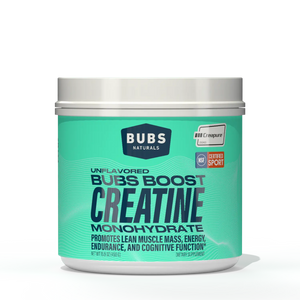
Note: Our Creatine Monohydrate is a single-ingredient formula. We don't add fillers, flavors, or unnecessary additives. It is pure, micronized powder that dissolves easily into water, coffee, or your post-workout shake.
Why Quality Matters
Because the supplement industry is not as strictly regulated as the pharmaceutical industry, the source of your creatine matters. Some cheap, mass-produced powders can contain contaminants or heavy metals.
When choosing a supplement, look for one that is third-party tested. For example, we ensure our products are NSF for Sport certified. This means that an independent organization has tested the product to ensure it contains exactly what is on the label and is free from over 280 substances banned by major athletic organizations. This level of trust is essential for athletes, veterans, and anyone who takes their health seriously.
Summary of Key Points
-
Not a Steroid: Creatine is a naturally occurring amino acid derivative, not a synthetic hormone.
-
Energy, Not Hormones: It works by replenishing ATP (energy) in your cells, whereas steroids alter protein synthesis through hormonal pathways.
-
Safe and Legal: It is one of the most researched supplements in the world and is legal in all competitive sports.
-
Natural Sources: You already produce it and get it from foods like beef and salmon.
-
Proven Benefits: It may support muscle growth, strength, recovery, and cognitive function.
-
Easy to Use: 3 to 5 grams of Creatine Monohydrate per day is the gold standard for most people.
Bottom line: If you are looking for a way to support your physical performance and recovery without the risks associated with hormonal drugs, creatine is a reliable, science-backed choice.
Conclusion
The question "is creatine powder a steroid" is often the start of a journey toward better health literacy. By looking at the science, we can clearly see that creatine is a safe, natural, and effective tool for anyone looking to push their limits. Whether you are a veteran staying fit for the next mission, an athlete training for a marathon, or someone simply looking to stay strong as you age, creatine offers a functional way to support your body’s natural energy systems.
At BUBS Naturals, our mission is to help you live a life of adventure and purpose, inspired by the legacy of Glen "BUB" Doherty. We believe that what you put into your body should be as clean and high-quality as the effort you put into your training. That is why we provide products with no fillers and no BS.
When you choose us, you are also supporting a greater cause. We donate 10% of all our profits to veteran-focused charities in BUB’s honor. It’s about more than just a supplement; it’s about a commitment to your own potential and the well-being of others.
If you’re ready to take the next step in your wellness routine, look for a clean, single-ingredient Creatine Monohydrate. It is a simple addition that can make a profound difference in how you feel and perform every day.
FAQ
Does creatine cause hair loss?
There is no strong evidence to support the claim that creatine causes hair loss. This myth originated from a single 2009 study on rugby players that showed a slight increase in DHT (a hormone linked to hair loss), but that study has never been replicated, and no study has ever directly linked creatine to the loss of hair. If you want a broader buying guide, read What's the Best Creatine Supplement for Your Wellness?.
Will creatine make me look bloated?
Some people experience a small amount of water retention in their muscles when they first start taking creatine, which can make them look slightly fuller. However, this water is held inside the muscle cells, not under the skin, so it doesn't cause the "soft" or "puffy" look associated with fat gain or certain medications.
Can teenagers take creatine?
While creatine is generally safe, most experts recommend that teenagers wait until they have reached a consistent level of training and a balanced diet before adding supplements. Because the long-term effects on developing bodies are less studied, young athletes should always consult with a doctor or a qualified coach before starting a creatine regimen.
Do I need to cycle off of creatine?
No, there is no evidence that you need to "cycle" creatine by taking breaks. Your body does not stop producing its own creatine because you are supplementing, and long-term studies have shown that continuous use is safe for healthy adults. If you stop taking it, your muscle stores will simply return to their baseline levels over a few weeks.