Table of Contents
- Introduction
- How Creatine Works: The Saturation Principle
- The Consequences of Skipping Rest Days
- Why You Should Consider Daily Supplementation
- How to Take Creatine for Maximum Results
- Timing: Does It Matter on Off Days?
- Practical Tips for Staying Consistent
- Hydration and Creatine
- Realistic Expectations
- Purpose and Legacy
- Conclusion
- FAQ
Introduction
You just finished a grueling training session and remembered to take your creatine. But tomorrow is a rest day. You might wonder if that scoop of white powder is still necessary when you are not hitting the weights. It is a common question for anyone looking to optimize their supplement routine without wasting product.
The short answer is that you can take creatine only on workout days, but you will likely miss out on its full potential. Creatine is not a stimulant like caffeine that provides an immediate jolt. It works through accumulation and saturation. To keep your muscles performing at their peak, consistency usually beats timing.
At BUBS Naturals, we believe in keeping your wellness routine simple and effective. This guide will break down why daily consistency matters, what happens when you skip rest days, and how to make creatine work for your specific lifestyle. Whether you are training for a mission or just trying to stay active, understanding the "why" behind the scoop helps you stay on track.
QUICK ANSWER BOX
Quick Answer: While you can take creatine only on workout days, it is not the most effective method. Creatine requires daily intake to maintain muscle saturation levels, which supports consistent strength, recovery, and cognitive function. Taking it every day, including rest days, ensures your "muscle tank" stays full.
How Creatine Works: The Saturation Principle
To understand why rest days matter, you have to understand how creatine lives in your body. Your muscles use a molecule called adenosine triphosphate, or ATP, for energy. When you lift heavy or sprint, your body burns through ATP fast. It turns into ADP, which is essentially a spent battery.
Creatine steps in by providing a phosphate molecule to turn that ADP back into ATP quickly. This process allows you to squeeze out one or two more reps or maintain a faster pace for longer. However, your body can only do this efficiently if your muscle stores are fully saturated with creatine. If you want a deeper look at the science behind that daily routine, our Creatine Monohydrate guide is a helpful next stop.
Think of your muscles like a fuel tank. Most people walking around have a tank that is only about 60% to 80% full from the creatine their body makes naturally and the food they eat. Supplementing helps you top that tank off to 100%. If you only add fuel on days you drive the car, the levels will slowly dip on the days it sits in the garage.
Key Takeaway: Creatine supplementation is about maintaining a "full tank" of phosphocreatine in the muscles. Daily intake ensures that when you do head to the gym, your energy systems are ready to perform at their maximum capacity.
The Consequences of Skipping Rest Days
If you decide to only take creatine on workout days, you aren't "hurting" yourself, but you are slowing down your progress. The main issue is the decline in muscle saturation. Research shows that once your muscles are fully saturated, it takes several weeks of zero supplementation for those levels to return to baseline.
However, if you train three days a week and only take creatine on those three days, your levels will fluctuate. You may never reach that 100% saturation point, or you will hover at a lower level than someone who takes it daily. This means you might not see the full strength and power benefits the supplement is designed to provide.
For many, the biggest "consequence" is the loss of habit. Wellness is built on routine. If you have to check your calendar to decide if you need your supplements, you are more likely to forget them altogether. Consistency removes the guesswork and ensures your body is always prepared for physical stress.
Why You Should Consider Daily Supplementation
Taking creatine every day offers benefits that go beyond just your one-hour window in the weight room. It supports the biological processes that happen while you sleep and recover.
Muscle Recovery and Repair
Recovery does not just happen while you are lifting; it happens in the 24 to 48 hours after you leave the gym. Creatine may help reduce muscle cell damage and inflammation following intense exercise. By taking it on your rest days, you provide your body with the resources it needs to repair tissue more efficiently.
Many athletes report feeling less "beat up" when they maintain a steady intake. When your muscle cells are well-hydrated and have ample energy stores, the repair process can move forward without a bottleneck. This is why we focus on clean, single-ingredient Creatine Monohydrate to support that recovery without adding extra junk to your system.
Cognitive and Brain Health
Recent science has started looking at creatine as more than just a muscle builder. Your brain is one of the most energy-demanding organs in your body. It uses ATP just like your muscles do. Some studies suggest that maintaining high creatine levels can help with mental clarity, especially when you are tired or stressed.
If you only take creatine on workout days, your brain misses out on that steady supply of energy support during the rest of the week. Whether you are at a desk or out in the field, cognitive endurance is just as vital as physical power.
Myth: Creatine is only for building big muscles.
Fact: While it helps with strength and size, creatine also supports brain health, bone density, and cellular recovery, making it useful for general wellness regardless of your body goals.
How to Take Creatine for Maximum Results
If you are ready to commit to a daily routine, you have two main ways to get started. Neither is "right" or "wrong," but one is faster than the other.
The Loading Phase vs. Gradual Saturation
The loading phase involves taking a higher dose—usually 20 grams split into four servings—for five to seven days. This is designed to saturate your muscles as fast as possible. After that week, you drop down to a maintenance dose of 3 to 5 grams per day.
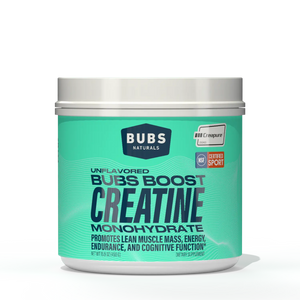
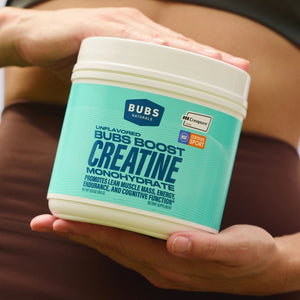
If you prefer a slower approach, you can simply start with 5 grams every day. It will take about three to four weeks to reach full saturation this way, but it is often easier on the stomach for some people. Our Creatine Monohydrate is unflavored and mixes easily into whatever you are already drinking, making either method easy to manage.
Finding Your Maintenance Dose
For the vast majority of people, 5 grams (about one scoop) is the sweet spot. You do not need to cycle off creatine or take massive doses once your muscles are saturated. Your body will simply flush out what it cannot use. Staying at that 5-gram mark daily is enough to keep the tank full and the benefits coming.
Timing: Does It Matter on Off Days?
On workout days, some people prefer taking creatine post-workout alongside a protein shake or a meal. There is some evidence that the insulin spike from a meal helps "shuttle" the creatine into the muscle cells more effectively.
On rest days, the timing is much less important. You can take it first thing in the morning, with lunch, or before bed. The goal is simply to get it into your system at some point during the 24-hour cycle. Many of us like to mix it into a morning coffee with our MCT Oil Powder to start the day with both mental clarity and muscle support.
Bottom line: On off days, don't overthink the clock. Just make sure the scoop happens.
Practical Tips for Staying Consistent
If you struggle to remember your supplements when you aren't heading to the gym, try these strategies to anchor the habit:
-
Stack Your Habits: Keep your creatine next to your coffee maker or your toothbrush. Pair the supplement with something you already do every single day.
-
The Travel Pack: If you are heading out for a weekend adventure, don't leave the routine at home. Portability is key to maintaining those levels.
-
Mix It into Your Routine: Since our powder is unflavored and dissolves easily, you can add it to water, juice, or even your morning oats. You don't need a shaker bottle to get it done.
-
Track Your Progress: Use a simple calendar or an app to mark off the days you've taken your scoop. Seeing a "streak" can be a powerful motivator.
Hydration and Creatine
When you take creatine, it pulls water into your muscle cells. This is a good thing—it's called cellular hydration. However, it means your body may require more total water intake to stay balanced. For a broader look at hydration support, the Electrolytes collection is a useful place to start.
If you are taking creatine daily, you should also be mindful of your electrolytes. This is where our Hydrate or Die® Electrolytes formula comes in. Proper hydration ensures that the creatine can do its job without leaving you feeling sluggish or cramped.
Key Takeaway: Supplementing with creatine increases the demand for water within the cells. For the best results, increase your daily fluid intake and ensure you are getting enough electrolytes to maintain a healthy balance.
Realistic Expectations
Creatine is one of the most researched supplements on the planet, but it isn't magic. It works best when paired with a solid training program and a clean diet. You won't wake up with 10 pounds of new muscle after one week. Instead, you might notice that you can perform one extra pull-up, or that your recovery time between sets feels a bit shorter.
Over months and years, these small improvements compound into significant gains in strength and performance. Patience and consistency are the two most important ingredients in any supplement protocol.
Purpose and Legacy
The reason we do what we do at BUBS Naturals goes beyond just selling supplements. We are a mission-driven company inspired by the life of Glen "BUB" Doherty. Glen was a Navy SEAL, an adventurer, and a person who lived life to the fullest. He believed in taking care of his body so he could take care of those around him. You can read more about that mission on our story page.
We carry that legacy forward by ensuring everything we make is clean, effective, and third-party tested. When you choose our products, you aren't just supporting your own health. We donate 10% of all our profits to veteran-focused charities in Glen’s honor. It’s about more than just a workout; it’s about a lifestyle of purpose.
Conclusion
Is it okay to take creatine only on workout days? Yes, you can do it, and you won't suffer any ill effects. However, if your goal is to maximize your strength, power, and recovery, taking it every day is the superior choice. Daily consistency keeps your muscle stores saturated and ensures you are getting the full spectrum of benefits, from physical performance to cognitive support.
If you are looking for a straightforward, no-nonsense way to level up your routine, keep it simple. Grab a high-quality creatine, find a time that works for you, and stick to it every single day. Your future self in the gym—and outside of it—will thank you.
"The only way to see results is to show up when you don't feel like it. That applies to the training and the nutrition."
Next Step: Start your 30-day consistency challenge. Commit to one scoop of BUBS Naturals Creatine Monohydrate every day for a month, regardless of your workout schedule, and see how your body responds. If you want to explore the full lineup, the Boosts collection brings together the core daily add-ons in one place.
FAQ
Does skipping creatine for one day ruin my progress?
No, skipping a single day will not ruin your progress. It takes a few weeks for your muscle stores to fully deplete, so one missed dose won't have a major impact. Just get back on track the next day to maintain your saturation levels.
Should I take more creatine on workout days to make up for off days?
There is no need to take a double dose on workout days. Your muscles can only store a certain amount of creatine at a time. Taking 5 grams consistently every day is much more effective than taking large amounts sporadically.
Can I mix creatine with my morning coffee?
Yes, you can mix creatine with coffee. Heat does not damage the creatine molecule, and our version is unflavored and highly soluble. It is a great way to ensure you get your daily dose before the day gets busy. If you are building a simple morning stack, you can also explore our MCT and Creamers collection for options that pair well with coffee.
Do I need to cycle off creatine every few months?
Current research suggests that there is no need to cycle off creatine. Long-term daily use has been shown to be safe for healthy individuals. Continuous use helps maintain consistent muscle saturation and ongoing performance benefits.