Table of Contents
- Introduction
- Why Creatine Monohydrate is the Industry Standard
- Comparing Different Forms of Creatine
- The Importance of Third-Party Testing
- Why Micronized Matters
- What to Avoid: Fillers, Flavors, and Blends
- Dosing and the Loading Phase
- Benefits Beyond the Gym
- The BUBS Naturals Approach to Creatine
- Who Should (and Shouldn't) Take Creatine?
- Common Myths About Buying Creatine
- Final Checklist: Which Creatine Monohydrate to Buy
- Conclusion
- FAQ
Introduction
You’ve likely seen the containers lining gym bags and kitchen counters. Creatine is no longer a niche supplement reserved for professional bodybuilders; it has become a staple for anyone from weekend hikers to masters-level athletes. However, walking down the supplement aisle or scrolling through an online shop can be overwhelming. With dozens of brands and various chemical forms claiming superiority, figuring out which creatine monohydrate to buy often feels more complicated than the workout itself.
At BUBS Naturals, we believe that the best supplements are those that prioritize simplicity and rigorous testing. This guide will cut through the marketing noise to explain why Creatine Monohydrate remains the undisputed king of performance, what specific certifications you should look for, and how to spot a high-quality formula versus a filler-heavy one. By the end, you’ll know exactly how to choose a product that supports your strength, recovery, and long-term wellness goals.
Quick Answer: When deciding which creatine monohydrate to buy, look for a single-ingredient, micronized powder that is third-party tested, specifically NSF Certified for Sport. Creatine monohydrate is the most researched form, and micronization ensures it dissolves easily in liquid while being gentle on the stomach.
Why Creatine Monohydrate is the Industry Standard
Before you look at a label, you need to know why monohydrate is the form you want. Creatine is a naturally occurring compound found in your muscles and brain. It is made of three amino acids: arginine, glycine, and methionine. Your body uses it to create adenosine triphosphate (ATP), which is the primary energy currency of your cells. When you engage in high-intensity activity, like sprinting or lifting heavy weights, your body burns through ATP. Creatine helps you "recharge" those energy stores faster. If you want a deeper dive, read BUBS Boost Creatine Monohydrate: Pure Power, Proven Performance.
While you can find creatine in red meat and fish, you would need to eat several pounds of steak daily to reach the levels shown in clinical studies to improve performance. This is where supplementation comes in. Creatine monohydrate is simply a creatine molecule paired with a water molecule. It is the most studied supplement in the world, with over 30 years of data backing its safety and effectiveness.
Understanding Bioavailability
Bioavailability refers to how well and how quickly your body can absorb and use a substance. Some newer forms of creatine claim to have better bioavailability than monohydrate, but the data rarely supports these claims. Creatine monohydrate has a bioavailability of nearly 100%. This means almost all of the creatine you swallow ends up in your bloodstream and eventually your muscles. If a product claims to be "30 times more absorbable," it is often marketing hype without a clinical basis.
Comparing Different Forms of Creatine
When you are deciding which creatine monohydrate to buy, you might see other names like Creatine HCL, Creatine Nitrate, or Buffered Creatine. It is helpful to see how these stack up against the original monohydrate.
| Creatine Form |
Key Characteristics |
Research Support |
Cost |
| Monohydrate |
Pure, stable, 100% bioavailable |
High (700+ studies) |
Lowest |
| Micronized Monohydrate |
Smaller particles, easier to mix |
High (Same as above) |
Low |
| Creatine HCL |
Bound to hydrochloride; high solubility |
Low |
High |
| Creatine Nitrate |
Bound to nitrate; supports blood flow |
Emerging |
High |
| Buffered (Kre-Alkalyn) |
Higher pH levels to prevent breakdown |
Mixed; not superior to mono |
High |
While some of these alternatives mix better in cold water or claim to cause less bloating, none have been proven to build more muscle or increase power more effectively than standard monohydrate. In most cases, you are paying a premium for a different chemical bond that doesn’t change the end result in your muscle tissue.
Key Takeaway: While marketing for newer versions of creatine may sound appealing, creatine monohydrate remains the gold standard because it is the most researched, the most effective, and the most affordable option.
The Importance of Third-Party Testing
The supplement industry is not regulated by the FDA in the same way prescription drugs are. This means that what is on the label isn't always what is in the jar. When choosing which creatine monohydrate to buy, third-party testing is the single most important factor for safety and trust. If you're comparing options, start with the Boosts collection.
NSF Certified for Sport
You should prioritize products that carry the NSF Certified for Sport seal. This is the highest standard in the industry. It ensures the product contains exactly what the label says it does and, more importantly, that it is free from over 280 substances banned by major athletic organizations. Whether you are a competitive athlete or someone who just cares about what goes into your body, this certification is your insurance policy against contaminants like heavy metals or unlisted stimulants.
Informed Sport
Another reputable certification is Informed Sport. Like NSF, they test every batch of the product to ensure it is clean. When we talk about "clean" supplements, we mean products that are free of "BS"—no hidden fillers, no banned substances, and no deceptive labeling. If a brand cannot show you a certificate of analysis or a third-party seal, it is usually best to move on to one that can.
Myth: Creatine is a steroid or a synthetic drug.
Fact: Creatine is a natural compound found in animal proteins and produced by your own body. Supplementing simply tops off your natural stores to support better energy production.
Why Micronized Matters
When you shop for creatine monohydrate, you will often see the word "micronized" on the label. This isn't a different form of creatine; it is a physical process where the creatine crystals are milled into a much finer powder.
Standard creatine monohydrate can sometimes feel like drinking sand. It settles at the bottom of the glass and can occasionally cause "creatine bloat" or stomach upset in sensitive individuals. Micronized creatine has a much smaller particle size. This smaller size allows the powder to stay suspended in liquid longer and dissolve more easily.
Because the particles are smaller, they have more surface area, which may help your digestive system process them more comfortably. If you’ve had issues with stomach cramps from creatine in the past, switching to a micronized creatine monohydrate is often the solution.
What to Avoid: Fillers, Flavors, and Blends
The best creatine monohydrate is boring. It should be a white, tasteless powder with one ingredient on the label: Creatine Monohydrate. Many companies try to "value-add" by creating pre-workout blends or flavored creatine powders. Here is why you might want to stick to the pure stuff.
Artificial Sweeteners and Dyes
Many flavored creatines use sucralose, acesulfame potassium, or artificial food dyes to make the product look and taste like candy. If you are trying to live a clean lifestyle, these additives are unnecessary. Pure, unflavored creatine is virtually tasteless. You can mix it into your morning coffee, a protein shake, or even just a glass of water without changing the flavor profile of your drink.
The "Proprietary Blend" Trap
Some brands sell "advanced" creatine formulas that include things like taurine, glutamine, or "insulin mimetics." Frequently, these are listed as a proprietary blend, meaning the company doesn't have to tell you exactly how much of each ingredient is in the scoop. Often, these blends contain very little creatine and a lot of cheaper filler ingredients. When you buy a single-ingredient product, you know exactly what you are getting.
Bottom line: Look for a label that lists only one ingredient: Micronized Creatine Monohydrate. Avoid proprietary blends that hide the actual dosage of the active ingredients.
Dosing and the Loading Phase
Once you’ve decided which creatine monohydrate to buy, you need to know how to use it. The standard recommendation for most adults is 3 to 5 grams per day. A typical scoop included in most jars is exactly 5 grams.
To Load or Not to Load?
You may have heard of a "loading phase," which involves taking 20 grams of creatine per day for the first week to saturate your muscles quickly, followed by a 5-gram daily maintenance dose. While this does saturate the muscles faster, it is not strictly necessary.
If you take 5 grams daily from the start, your muscles will be fully saturated within three to four weeks. The loading phase can sometimes cause gastrointestinal distress, so many people prefer the slow-and-steady approach. Consistent daily use is far more important than the initial loading strategy.
Timing Your Intake
There is a lot of debate about whether you should take creatine before or after your workout. The reality is that creatine works through cumulative saturation. It isn't like caffeine, where you feel the effects 30 minutes after taking it. It builds up in your muscle tissue over time. As long as you take your 5 grams every day—even on rest days—you will reap the benefits. Many people find it easiest to tie it to an existing habit, like putting it in their morning Hydrate or Die or post-workout protein shake.
Benefits Beyond the Gym
While most people buy creatine for muscle and strength, recent research suggests it has significant benefits for the brain. Your brain is a metabolically active organ that requires a constant supply of ATP. Studies have shown that creatine supplementation may support cognitive function, particularly in tasks requiring speed of processing or during periods of sleep deprivation.
Additionally, as we age, we naturally lose muscle mass—a condition called sarcopenia. Maintaining muscle is vital for longevity, balance, and metabolic health. Many health professionals now recommend creatine for older adults to help preserve lean muscle tissue and support bone density. For more performance and recovery ideas, browse the BUBS blog.
Key Takeaway: Creatine is an "all-arounder" supplement. It supports physical power in the gym, mental clarity during a busy workday, and long-term health as you age.
The BUBS Naturals Approach to Creatine
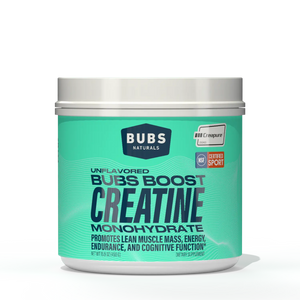
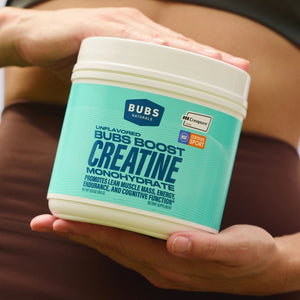
We designed our Creatine Monohydrate to be the easy answer to the question of which one to buy. We don't use fillers, we don't add "fluff" ingredients, and we don't use artificial flavors. Our product is a single-ingredient, micronized creatine monohydrate that is NSF Certified for Sport. Explore the rest of our Boosts collection if you want to compare the lineup.
We chose to provide a micronized powder because we know our community is active and often on the go. Whether you are mixing it into a shaker bottle after a trail run or stirring it into your coffee before a morning session, it needs to dissolve quickly and be easy on the gut. By keeping the formula simple, we ensure that you are getting exactly what you need to support your performance and nothing else.
Who Should (and Shouldn't) Take Creatine?
Creatine is safe for the vast majority of healthy adults. However, there are always individual considerations.
-
Athletes and Gym-Goers: Those involved in strength training, sprinting, or high-intensity interval training (HIIT) will likely see the most immediate benefits in power and recovery.
-
Vegetarians and Vegans: Because the primary dietary sources of creatine are meat and fish, those on plant-based diets often have lower baseline stores and may see a more significant "boost" when they start supplementing.
-
Older Adults: Anyone looking to support muscle maintenance and cognitive health as they age can benefit from the daily support of creatine.
A Note on Safety: If you have pre-existing kidney disease or are taking medications that affect kidney function, you should consult your healthcare provider before starting creatine. While research shows that creatine does not cause kidney damage in healthy individuals, those with existing conditions need to be more cautious. Always listen to your body and stay well-hydrated, as creatine does draw some water into the muscle cells.
Common Myths About Buying Creatine
There is no shortage of misinformation in the supplement world. Clearing up these myths will help you feel more confident in your purchase.
Myth: Creatine causes hair loss.
Fact: This myth stems from a single 2009 study on rugby players that showed an increase in DHT (a hormone linked to hair loss), but it did not actually measure hair loss. Since then, numerous studies have failed to replicate these results or find any direct link between creatine and balding.
Myth: Creatine will make you look "puffy."
Fact: Creatine does cause some water retention, but it is intracellular water. This means the water is drawn into the muscle cell itself, making the muscle look fuller and more hydrated. It does not typically cause the "bloated" or "puffy" look associated with high sodium intake.
Final Checklist: Which Creatine Monohydrate to Buy
When you are ready to make your choice, keep this simple checklist in your head or on your phone:
-
Check the Ingredient Label: Is "Creatine Monohydrate" the only thing listed? If there are more than three ingredients, think twice.
-
Look for "Micronized": This ensures the powder is fine enough to dissolve and won't feel like drinking grit.
-
Verify Third-Party Testing: Look for the NSF Certified for Sport or Informed Sport seal. This is the only way to know the product is clean.
-
Avoid the Hype: If a brand claims their creatine is a "breakthrough" that works better than monohydrate, remember that 30 years of science says otherwise.
-
Unflavored is Best: Choosing an unflavored powder gives you the most versatility and helps you avoid artificial sweeteners and dyes.
Conclusion
Choosing which creatine monohydrate to buy doesn't have to be a daunting task. By sticking to the science-backed gold standard of pure monohydrate and insisting on third-party testing, you can ensure you are putting only the cleanest, most effective ingredients into your body. At BUBS Naturals, our mission is to provide these simple, high-quality tools to help you live a life of adventure and purpose.
We are also driven by a mission that goes beyond the gym. In honor of Navy SEAL Glen "BUB" Doherty, we donate 10% of all our profits to veteran-focused charities. When you choose our products, you aren't just supporting your own performance—you're supporting a legacy of service and sacrifice. Learn more in The BUBS Story.
Stick to the basics, train hard, and focus on consistency. The right supplements are meant to be the wind at your back as you pursue your goals.
FAQ
Is there a difference between cheap and expensive creatine?
If both products are pure creatine monohydrate and both are third-party tested, the physical results will be the same. Higher prices usually reflect better manufacturing standards, such as micronization for better mixing, or more rigorous testing certifications like NSF Certified for Sport, which are worth the investment for safety and quality.
Do I need to take creatine every day, or just on workout days?
You should take creatine every day to keep your muscle stores saturated. Since it works through accumulation rather than as a temporary stimulant, skipping days—even rest days—will eventually lower the amount of creatine stored in your muscles, reducing the overall benefit.
Can I mix creatine monohydrate into hot coffee or tea?
Yes, you can mix creatine into hot beverages. Heat can actually help the powder dissolve more quickly and completely. Research shows that creatine is stable in hot liquids and will not lose its effectiveness when stirred into your morning MCT Oil Creamer coffee or tea.
How long does it take to see results from creatine monohydrate?
If you use a loading phase, you may notice an increase in strength and muscle fullness within a week. If you take the standard 5 grams per day, it typically takes about three to four weeks for your muscles to become fully saturated and for you to notice improvements in your training performance.