Table of Contents
- Introduction
- The Connection Between Vitamin C and Cartilage
- The Science of Collagen Synthesis
- Vitamin C as an Antioxidant Shield
- Can You Have Too Much Vitamin C?
- How to Support Cartilage Through Nutrition
- Synergistic Support: Vitamin C and Collagen
- A Holistic Approach to Joint Longevity
- The BUBS Naturals Approach to Quality
- Conclusion
- FAQ
Introduction
When you wake up after a high-mileage run or a heavy lifting session, you might feel that familiar stiffness in your knees or shoulders. You know that protecting your joints is non-negotiable if you want to stay in the game for the long haul. While many people reach for glucosamine or fish oil, one of the most effective tools for joint longevity might already be in your kitchen or your supplement cabinet: Vitamin C.
At BUBS Naturals, we believe that the best approach to wellness is built on simple, clean ingredients that serve a clear purpose. Vitamin C+ is often celebrated for its role in supporting the immune system, but its impact on cartilage and joint health is just as significant. It is a critical cofactor in the production of collagen, the primary structural protein found in your connective tissues.
This guide explores the relationship between Vitamin C and cartilage, how it works at a cellular level to support joint integrity, and how much you actually need to stay active and mobile. We will break down the science behind collagen synthesis and look at how this essential nutrient helps protect your body from the wear and tear of an adventurous lifestyle. Understanding how Vitamin C supports your cartilage is the first step in building a resilient foundation for your training and daily life.
Quick Answer: Yes, Vitamin C is essential for cartilage health because it is a required cofactor for collagen synthesis, the primary protein that makes up cartilage. It also acts as a potent antioxidant that may help protect joint tissues from oxidative stress and inflammation caused by heavy exercise or aging.
The Connection Between Vitamin C and Cartilage
To understand why Vitamin C is so important, we first need to look at what cartilage actually is. Cartilage is the firm, rubbery tissue that cushions your bones at the joints. It acts as a shock absorber, allowing for smooth movement and preventing bones from rubbing against each other. Unlike muscle, cartilage has a very limited blood supply, which means it can be slower to repair itself when damaged.
Cartilage is composed primarily of water, specialized cells called chondrocytes, and a dense matrix of proteins. The most abundant of these proteins is collagen. Without healthy collagen, your cartilage loses its structural integrity, becoming thin, brittle, and less effective at absorbing impact.
The Direct Role of Vitamin C
Vitamin C, also known as ascorbic acid, is a water-soluble vitamin that your body cannot produce on its own. This means you must get it through your diet or supplements. In the context of your joints, it serves as a chemical "spark plug" for the enzymes responsible for building collagen.
Specifically, Vitamin C is required for the hydroxylation of two amino acids: proline and lysine. This process allows these amino acids to form stable bonds that create the triple-helix structure of collagen fibers. Without enough Vitamin C, the collagen fibers your body produces are weak and unstable. Think of it like trying to build a bridge with frayed rope instead of steel cables; the structure simply won't hold under pressure.
Cartilage Maintenance and Repair
Your body is constantly in a state of turnover. It breaks down old tissue and builds new tissue to replace it. For an active person, this turnover happens even faster. When you put stress on your joints through running, jumping, or lifting, your chondrocytes (cartilage cells) work to maintain the matrix. Vitamin C supports these cells, helping them produce the proteoglycans and collagen needed to keep the cartilage thick and resilient.
The Science of Collagen Synthesis
The relationship between Vitamin C and collagen is one of the most well-documented facts in nutritional science. Collagen is the "glue" that holds your body together, making up about 30% of the total protein in your system. While there are several types of collagen, Type II is the primary variety found in articular cartilage.
When you consume protein, your body breaks it down into amino acids. To turn those amino acids back into the specific collagen used in your joints, your body needs Vitamin C. It acts as an electron donor for the enzymes prolyl hydroxylase and lysyl hydroxylase. These enzymes stabilize the collagen molecule, giving it the tensile strength required to withstand the mechanical stress of movement.
Key Takeaway: Vitamin C isn't just an "add-on" for joint health; it is a biological requirement. It enables the enzymatic reactions that stabilize collagen fibers, ensuring that the structural matrix of your cartilage remains strong and capable of absorbing impact.
Vitamin C as an Antioxidant Shield
Beyond its role in building tissue, Vitamin C serves as a powerful antioxidant. During intense physical activity, your body produces reactive oxygen species (ROS), which are unstable molecules that can damage cells. This is often referred to as oxidative stress.
In your joints, oxidative stress can lead to the breakdown of the extracellular matrix in cartilage. This degradation is a major factor in the development of joint discomfort and long-term wear. Vitamin C helps neutralize these free radicals, acting like a shield for your chondrocytes. By reducing oxidative damage, it may help slow down the natural thinning of cartilage that occurs with age and high-intensity training.
Inflammation Management
Chronic inflammation is the enemy of joint mobility. When joints are consistently inflamed, the body releases enzymes called matrix metalloproteinases (MMPs) that specifically target and break down cartilage. Some research suggests that Vitamin C can help modulate the inflammatory response, potentially reducing the activity of these destructive enzymes. This doesn't just help with how your joints feel today; it helps preserve the physical structure of the joint for years to come.
Myth: You should take massive "mega-doses" of Vitamin C to heal joint injuries faster.
Fact: While Vitamin C is vital, the body has a "saturation point." Taking thousands of milligrams at once often results in the excess being excreted. Consistency and moderate dosing are generally more effective for long-term cartilage support.
Can You Have Too Much Vitamin C?
While Vitamin C is generally very safe because it is water-soluble, there is a point of diminishing returns. Some studies have raised questions about extremely high doses over very long periods. For example, research conducted in animal models suggested that exceptionally high doses of Vitamin C—far beyond the typical human intake—might actually stimulate the formation of bony spurs in certain arthritic conditions.
This research indicates that Vitamin C's ability to stimulate growth factors might be a double-edged sword if taken in extreme excess. For the average athlete or active adult, this isn't a cause for alarm, but it is a reminder that more isn't always better. The goal is to maintain optimal levels that support repair without over-stimulating the system.
Most health organizations recommend a Recommended Dietary Allowance (RDA) of 75-90mg per day for general health. However, many active individuals find that a slightly higher intake, around 500mg, provides a better balance of antioxidant protection and collagen support without reaching the levels of "mega-dosing" that could be counterproductive.
How to Support Cartilage Through Nutrition
The best way to ensure your cartilage has the raw materials it needs is through a combination of whole foods and targeted supplementation.
Best Food Sources
You can find Vitamin C in a wide variety of fruits and vegetables. Incorporating these into your daily meals provides not just the vitamin itself, but also bioflavonoids and other phytonutrients that help with absorption.
-
Citrus Fruits: Oranges, grapefruits, and lemons are classic sources.
-
Bell Peppers: A single red bell pepper actually contains more Vitamin C than an orange.
-
Cruciferous Vegetables: Broccoli, Brussels sprouts, and kale are excellent for joint health.
-
Berries: Strawberries and blueberries provide antioxidants alongside Vitamin C.
-
Kiwi: This small fruit is incredibly nutrient-dense and high in ascorbic acid.
The Power of Supplementation
For those who are training hard, traveling, or simply have a busy lifestyle, getting consistent levels of Vitamin C through food alone can be a challenge. This is where a clean supplement comes in.
Explore our Boosts Collection if you want an easy way to build a simple, targeted routine around Vitamin C and other daily essentials.
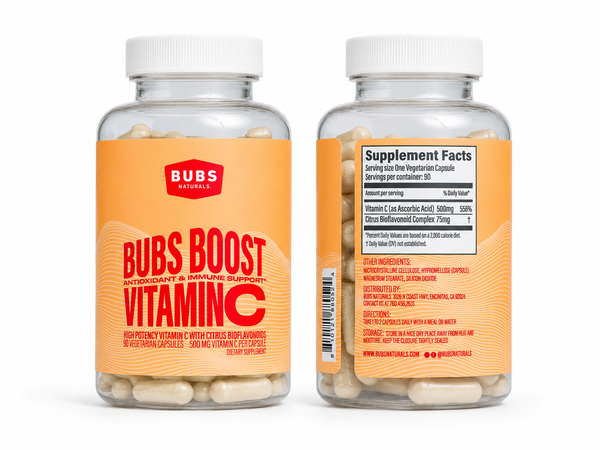
Our Vitamin C is designed to be a straightforward, effective addition to your routine. We provide 500mg of Vitamin C per serving, paired with citrus bioflavonoids. These bioflavonoids are compounds found in the pulp and rind of citrus fruits that help your body better utilize the vitamin. It is a dose that supports collagen formation and antioxidant activity without being excessive.
Synergistic Support: Vitamin C and Collagen
If you are serious about cartilage health, you shouldn't look at Vitamin C in isolation. It works best when paired with the actual building blocks of connective tissue. This is why many people choose to take Vitamin C alongside collagen peptides.
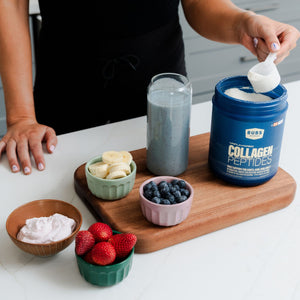
When you take a supplement like our Collagen Peptides, you are providing your body with the specific amino acids—glycine, proline, and hydroxyproline—that are needed to repair cartilage. By having Vitamin C present at the same time, you ensure that your body has the "tools" (Vitamin C) to assemble those "bricks" (amino acids) into new, strong collagen fibers.
Our Collagen Peptides are grass-fed, pasture-raised, and hydrolyzed. "Hydrolyzed" simply means the collagen has been broken down into smaller chains called peptides, which makes them much easier for your body to absorb and use. When you combine these easy-mixing peptides with a daily dose of Vitamin C, you are creating a powerful internal environment for joint recovery and maintenance.
Bottom line: Vitamin C and collagen peptides work as a team. The peptides provide the raw material, and Vitamin C provides the chemical trigger to turn those materials into functional cartilage tissue.
A Holistic Approach to Joint Longevity
While nutrition is a massive piece of the puzzle, cartilage health also depends on how you move and hydrate. Cartilage functions like a sponge. When you move a joint, pressure squeezes fluid out of the cartilage; when the pressure is released, the cartilage soaks up nutrient-rich fluid from the surrounding area. This is why "motion is lotion"—gentle, consistent movement is essential for getting nutrients into the cartilage matrix.
Hydration and Electrolytes
Because cartilage is about 70-80% water, chronic dehydration can lead to decreased joint cushioning. If you are training hard and losing fluids through sweat, your joints may be the first place to feel the effects. Supporting your hydration with more than just plain water can make a difference.
Our Hydrate or Die electrolyte drink mix is designed for high-performance hydration. It contains the essential minerals your body needs to maintain fluid balance, which in turn helps keep your cartilage hydrated and resilient. Proper hydration ensures that the Vitamin C and amino acids you consume can actually reach the tissues that need them most.
If you want a deeper dive, our article on taking electrolytes daily for peak performance breaks down when electrolyte support makes the most sense.
Rest and Recovery
Finally, don't underestimate the power of rest. Your body does its best repair work while you sleep. This is when the collagen synthesis stimulated by Vitamin C and movement actually takes place. Ensure you are giving your joints time to recover between heavy sessions to prevent the breakdown of cartilage from outpacing its repair.
The BUBS Naturals Approach to Quality
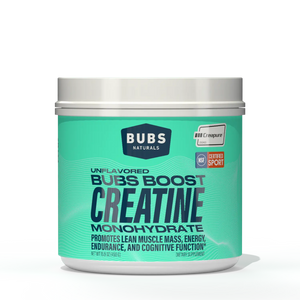
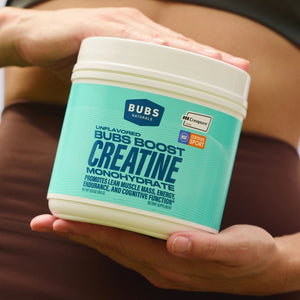
At BUBS Naturals, we don't believe in fillers or complicated formulas. We focus on what works. Our products, from our single-ingredient Creatine Monohydrate to our NSF for Sport certified Collagen Peptides, are built for people who demand the most from their bodies.
We know that trust is earned. That’s why we prioritize third-party testing and transparency. When you see our name on a label, you know you’re getting exactly what’s listed—no BS, just the clean fuel you need for your next adventure. Our goal is to provide the foundation so you can focus on the work.
If you want to learn more about the people and purpose behind the brand, read Our Story.
Conclusion
Vitamin C is far more than just a seasonal immune booster. For the athlete, the adventurer, and the person who simply wants to stay mobile as they age, it is a foundational nutrient for cartilage health. By enabling collagen synthesis and providing a robust antioxidant defense, Vitamin C helps maintain the integrity of your joints and supports your body’s natural repair processes.
Whether you are getting your intake through a diet rich in colorful vegetables or through our clean, bioflavonoid-boosted Vitamin C supplement, consistency is the key. Pair it with high-quality collagen peptides and smart hydration to give your joints the best possible support.
Our mission is driven by the legacy of Glen "BUB" Doherty, a man who lived a life of peak performance and purpose. In his honor, we donate 10% of all our profits to veteran-focused charities. If you want to learn more about that commitment, visit Giving Back to Veterans & Our Communities. When you choose our products, you aren't just supporting your own health; you're contributing to a larger mission of giving back to those who have served.
Stay active, stay hydrated, and keep pushing your limits. Your joints will thank you for the support.
FAQ
Can Vitamin C actually repair damaged cartilage?
While Vitamin C is essential for the production of new collagen and the maintenance of existing cartilage, it cannot "regrow" cartilage that has been completely lost. It is most effective as a preventative measure and a support tool for the body's natural maintenance and repair cycles. It helps ensure that the cartilage you have remains as strong and resilient as possible.
How much Vitamin C should I take for joint health?
For most active adults, a dose of around 500mg per day is considered effective for supporting collagen synthesis and providing antioxidant protection. This is well above the minimum required to prevent deficiency but stays within a safe range that avoids the potential issues associated with extreme mega-dosing. Always consult with a healthcare professional before starting a new supplement routine.
Is it better to get Vitamin C from food or supplements?
Ideally, you should get a base of Vitamin C from a variety of whole foods like citrus, peppers, and leafy greens to benefit from the full spectrum of phytonutrients. However, supplements are a convenient and reliable way to ensure you are meeting your targets every day, especially during times of high physical stress or travel. Our Vitamin C includes citrus bioflavonoids to more closely mimic the way the nutrient is found in nature.
Should I take Vitamin C and collagen at the same time?
Taking them together is a great strategy. Since Vitamin C is a necessary cofactor for the enzymes that build collagen, having both present in your system at the same time can optimize the "building" process. Many people find it easiest to mix their collagen into a morning coffee or shake and take their Vitamin C supplement alongside it to start their day with a joint-supportive routine.