Table of Contents
- Introduction
- How Vitamin C Functions in the Body
- The Role of Antibiotics in Recovery
- Can You Take Vitamin C and Antibiotics Together?
- Specific Antibiotic Interactions to Watch For
- The Importance of pH Balance and Absorption
- Supporting Your Gut During Antibiotic Use
- Boosting Recovery with Proper Hydration
- The Potential Benefits of "Working Together"
- Practical Steps for Combining Vitamin C and Antibiotics
- Why Quality Matters During Recovery
- Long-Term Immune Support Beyond Antibiotics
- Conclusion
Introduction
Waking up with a scratchy throat or a lingering infection is a quick way to derail your training and your daily routine. When a healthcare provider prescribes a course of antibiotics, the goal is to get back on your feet as fast as possible. Naturally, many of us look to our supplement cabinet to provide extra support during this downtime. Vitamin C is often the first thing people reach for to bolster our natural defenses.
At BUBS Naturals, we believe in keeping your recovery as clean and effective as your training. Understanding how your supplements interact with prescription medication is a vital part of staying on mission. This guide explores the relationship between Vitamin C and antibiotics, detailing how they work together and when you might need to adjust your timing. Whether you are looking to maintain your immune health or simply want to ensure your medication works exactly as intended, knowing the facts is essential. We will cover the science of nutrient absorption, potential interactions with specific drug classes, and how to support your body while it fights off an infection.
Quick Answer: Yes, you can generally take Vitamin C with antibiotics, and it may even support your recovery. However, because Vitamin C is acidic, it can affect the absorption or excretion of certain antibiotics. To be safe, it is often recommended to space your Vitamin C supplement and your antibiotic dose by at least two hours.
How Vitamin C Functions in the Body
Vitamin C, also known as ascorbic acid, is a water-soluble vitamin that plays a massive role in your overall health. Because our bodies cannot produce or store it, we have to get it from our diet or through supplementation. For active individuals, Vitamin C is more than just a typical immune support tool. It is a fundamental building block for physical resilience and cellular protection.
One of its primary roles is acting as a potent antioxidant. When your body is fighting an infection, it experiences increased oxidative stress. This process creates unstable molecules called free radicals that can damage cells and prolong recovery time. Vitamin C helps neutralize these molecules, protecting your tissues while your immune system focuses on the bacterial threat.
Beyond its antioxidant properties, Vitamin C is essential for collagen synthesis. Collagen is the protein that holds your joints, skin, and connective tissues together. When you are sidelined by illness, your body’s repair mechanisms are working overtime. Supporting these pathways ensures that once the infection is cleared, your foundation is ready for you to return to the gym or the trail. If you want a deeper dive into this structural support, our guide to collagen production covers the basics.
The Role of Antibiotics in Recovery
Antibiotics are powerful medications designed to treat bacterial infections. They work by either killing bacteria directly or by slowing their growth so your immune system can finish the job. It is important to remember that antibiotics only work against bacteria, not viruses like the common cold or the flu. Taking them correctly is essential for clearing the infection and preventing the rise of antibiotic-resistant bacteria.
When you take an antibiotic, it travels through your bloodstream to the site of the infection. Depending on the type of medication, it might interfere with the bacteria's ability to build a cell wall or disrupt its ability to replicate its DNA. This process is highly effective but can be taxing on the rest of your system, particularly your digestive tract.
Antibiotics are not selective. While they target the "bad" bacteria causing your illness, they can also impact the "good" bacteria living in your gut. This is why many people experience digestive upset or fatigue when taking these medications. Supporting your body with the right nutrients during this time can help manage these side effects and support a smoother recovery. If you're looking for another clean, functional option during recovery, our Boosts Collection brings together several of our everyday staples in one place.
Can You Take Vitamin C and Antibiotics Together?
The short answer is yes; for the vast majority of people, taking Vitamin C alongside antibiotics is safe. In fact, some research suggests that Vitamin C might assist the body in making certain antibiotics more effective by weakening the protective layers bacteria use to hide. However, the "how" and "when" are just as important as the "if."
The primary concern with combining the two is not usually a dangerous reaction. Instead, it is about how Vitamin C might change the environment of your body. Because Vitamin C is an acid (ascorbic acid), it can lower the pH of your urine. Some antibiotics are sensitive to these pH changes, which can lead to the medication being flushed out of your system faster than intended, or in some cases, slower.
Most common antibiotics, such as many penicillins, do not have significant interactions with Vitamin C. You can typically continue your supplement routine without issue. If you are using a high-quality, clean supplement, your body is better equipped to utilize the nutrient without unnecessary fillers that could further complicate digestion.
Myth: Vitamin C will "cancel out" your antibiotics and make them useless.
Fact: Vitamin C does not stop antibiotics from working. In some cases, it may actually help your immune system work more efficiently alongside the medication, though timing is key for certain drug classes to ensure maximum absorption.
Specific Antibiotic Interactions to Watch For
While the general outlook is positive, there are a few specific classes of antibiotics where you should exercise more caution or adjust your timing. These interactions are often related to how the drugs are absorbed in the stomach or processed by the kidneys.
Beta-Lactam Antibiotics
This group includes common medications like Penicillin and Amoxicillin. Some beta-lactams are unstable in highly acidic environments. If you take a high dose of Vitamin C at the exact same time as your medication, the acidity might slightly reduce the amount of the drug that your body absorbs. Taking your antibiotic with plain water and waiting a few hours for your Vitamin C is a simple way to avoid this.
Tetracyclines
This class of antibiotics, which includes medications like doxycycline, is often used for skin infections or respiratory issues. Some evidence suggests that Vitamin C might interfere with the absorption of tetracyclines if taken at the exact same moment. To be safe, many experts recommend spacing your Vitamin C and your antibiotic dose by at least two hours.
Sulfonamides
Also known as "sulfa drugs," these are frequently used for urinary tract infections. Because Vitamin C makes the urine more acidic, it can theoretically increase the risk of the medication forming crystals in the kidneys, although this is very rare with modern dosages. Staying well-hydrated is the best way to prevent this potential issue.
Key Takeaway: The interaction between Vitamin C and antibiotics is usually about "pharmacokinetics"—which is just a fancy way of saying how the drug moves through your body. By slightly adjusting your timing and allowing a two-hour window between doses, you can usually avoid any minor issues with absorption.
The Importance of pH Balance and Absorption
To understand why Vitamin C affects some drugs, we have to look at the body’s acid-base balance. Your kidneys are responsible for filtering your blood and removing waste products, including the remnants of the medications you take. The acidity of your urine plays a major role in how fast these substances are cleared from your system.
When you take a significant dose of Vitamin C, your urine becomes more acidic. For certain medications that are weak acids themselves, this acidic environment can cause the drug to be reabsorbed back into the bloodstream rather than being excreted. For other drugs that are weak bases, an acidic environment causes them to be flushed out much faster.
This is why timing matters. By giving your body a window of time between your Vitamin C and your medication, you allow the antibiotic to reach its peak concentration in your blood without interference. We usually suggest a two-hour window as a standard practice for anyone concerned about nutrient-drug interactions. This ensures both the supplement and the medication can do their jobs effectively.
Supporting Your Gut During Antibiotic Use
One of the biggest challenges of taking antibiotics is the "collateral damage" to your gut microbiome. Your gut is home to trillions of bacteria that help regulate your immune system, digest your food, and even manage your mood. When antibiotics sweep through, they can leave your digestive system feeling out of balance.
While Vitamin C doesn't replace lost bacteria, it does support the structural health of the gut. The cells that line your digestive tract rely on collagen for structural integrity. Since Vitamin C is a critical co-factor in collagen production, it helps maintain the "barrier" function of your gut. This is important when the microbiome is under stress from medication. For a broader look at this nutrient, you can also read Collagen Protein Benefits.
Furthermore, a healthy gut helps you absorb the nutrients from your food and supplements more effectively. If you are experiencing digestive upset from your medication, you might find that smaller, more frequent doses of Vitamin C are easier on your stomach than one large dose. Using a clean formula without artificial sweeteners or fillers is also key to avoiding extra irritation.
Bottom line: Antibiotics can be tough on your gut health, but Vitamin C helps support the structural integrity of your digestive lining and assists your immune system during the recovery phase.
Boosting Recovery with Proper Hydration
When you are taking antibiotics and Vitamin C, hydration becomes even more critical. Water is the medium that carries nutrients into your cells and flushes waste products out of your kidneys. When fighting an infection, your body uses more fluid than usual to manage fever, produce mucus, and maintain cellular function.
Proper hydration also helps mitigate the potential for Vitamin C to cause issues with "sulfa" drugs or other medications cleared by the kidneys. By keeping your urine diluted, you reduce the concentration of both the drug and the Vitamin C, allowing the kidneys to process everything smoothly.
If you are struggling to stay hydrated, plain water is the gold standard, but electrolytes can help your body retain that moisture more effectively. Our Hydrate or Die electrolyte formula is designed for fast hydration without the added sugars that can sometimes feed the "bad" bacteria you are trying to clear out. Keeping your fluid levels up ensures that your medication and your supplements can circulate effectively throughout your body.
The Potential Benefits of "Working Together"
Interestingly, some clinical studies have explored the idea that Vitamin C might actually help antibiotics work better against certain stubborn bacteria. Some bacteria create what is known as a "biofilm"—a slimy protective layer that acts like a shield against antibiotics. Research suggests that Vitamin C may help break down these biofilms, making the bacteria more vulnerable to the medication.
While more research is needed in humans to confirm these effects across all types of infections, it suggests that Vitamin C is more than just a passive bystander. It may actively assist the body's defensive systems in a way that complements the work of the antibiotics. This is why many people feel better faster when they combine their prescribed treatment with a solid nutritional foundation.
However, even with these potential benefits, the goal should always be balance. More is not always better. Taking massive doses of Vitamin C won't necessarily clear an infection faster and might just lead to digestive upset. Sticking to a standard, high-quality dose is usually the best approach for most active adults.
Practical Steps for Combining Vitamin C and Antibiotics
If you have been prescribed antibiotics and want to continue your Vitamin C routine, here is a simple protocol to follow:
-
Check the Label: See what class of antibiotic you have been prescribed. If it is a penicillin, tetracycline, or sulfa drug, be extra mindful of timing.
-
The Two-Hour Rule: Take your antibiotic dose with a full glass of plain water. Wait at least two hours before taking your Vitamin C supplement. This prevents the two from meeting in the stomach and minimizes any impact on the body’s pH.
-
Listen to Your Gut: Antibiotics can cause nausea. If your stomach feels sensitive, take your Vitamin C with a light, non-acidic meal to buffer the acidity.
-
Hydrate Constantly: Drink plenty of fluids throughout the day to support kidney function and help your body process the medication efficiently.
-
Consult Your Doctor: If you are on other medications for chronic conditions, always double-check with your healthcare provider before adding or continuing supplements.
By following these steps, you can ensure that you are getting the most out of your medication while still supporting your immune system and your body's repair processes with Vitamin C.
Why Quality Matters During Recovery
When your body is already under stress from an infection and the side effects of medication, the last thing you want to do is introduce low-quality ingredients into your system. Many off-the-shelf Vitamin C supplements are loaded with artificial colors, sugar, and synthetic fillers that can irritate an already sensitive digestive tract.
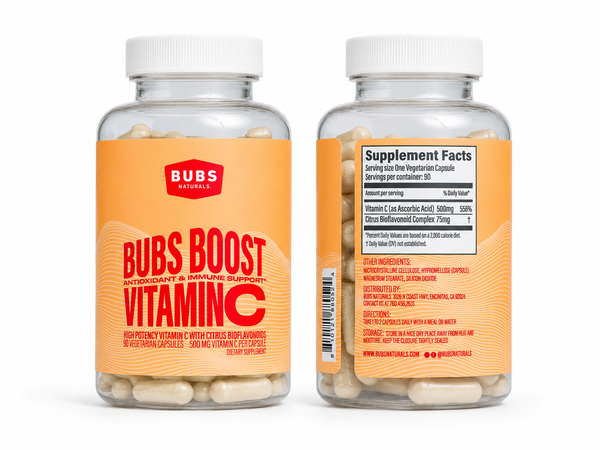
We prioritize purity in everything we create. Our Boosts Collection is formulated to keep things simple and effective. It includes straightforward options like Vitamin C alongside other essentials, so you can choose what fits your routine without extra clutter.
By choosing supplements that are third-party tested and free of "BS" ingredients, you can focus on what matters most: getting back to your routine. Whether you’re training for a race or just trying to get through the work week, your body deserves the best tools for the job.
Long-Term Immune Support Beyond Antibiotics
Once you finish your course of antibiotics, the work doesn't stop there. In fact, the post-antibiotic period is one of the most important times to focus on your health. Your immune system has been through a battle, and your gut microbiome needs time to rebuild.
Continuing with Vitamin C can help support your ongoing recovery and keep your defenses high as your body returns to its baseline. It’s also a great time to focus on other foundational nutrients. For example, our Apple Cider Vinegar Gummies can support digestive wellness as you work to restore balance to your gut after a course of medication.
Wellness isn't about a single pill or a quick fix; it's about the consistent habits you build every day. By understanding how your body processes these different substances, you become a better advocate for your own health and performance. If you want another look at that bigger-picture approach, our story explains how adventure, wellness, and giving back shape everything we make.
Conclusion
Navigating the world of supplements and medications doesn't have to be complicated. While the question of whether you can take Vitamin C with antibiotics has a few nuances regarding timing and pH balance, the overarching message is one of support. By being mindful of the two-hour window and prioritizing high-quality, clean ingredients, you can help your body stay resilient even when an infection tries to slow you down.
At BUBS Naturals, we are driven by more than just making great products. We are built on a legacy of service and adventure, inspired by Glen "BUB" Doherty. That is why we commit to the 10% Rule—donating 10% of all our profits to veteran-focused charities. When you choose our supplements to support your recovery, you are also supporting a mission that goes far beyond the bottle.
Take care of your body, follow your healthcare provider's advice, and stay consistent with your clean nutrition. You’ll be back on your mission before you know it.
FAQ
Does Vitamin C affect the absorption of Amoxicillin?
Taking Vitamin C at the exact same time as Amoxicillin may slightly reduce the antibiotic's effectiveness because the acidity of the vitamin can break down certain components of the drug. To avoid this, it is best to take your antibiotic with water and wait two hours before taking your Vitamin C supplement. This ensures that the medication is fully absorbed by your system first.
Can Vitamin C help fight the infection while on antibiotics?
Yes, Vitamin C supports your immune system's natural ability to fight off pathogens and provides antioxidant protection against the stress of an infection. Some research even suggests it can help break down bacterial biofilms, potentially making the antibiotics more effective. However, it should be used as a supporting nutrient rather than a replacement for your prescribed medication.
Is it better to get Vitamin C from food or supplements when sick?
Both are excellent options, but supplements can provide a more concentrated and consistent dose when your body is under high stress. Citrus fruits, bell peppers, and broccoli are great whole-food sources, but if you have a suppressed appetite due to illness, a clean supplement like ours can ensure you meet your needs. Just remember to keep your intake balanced and avoid massive "mega-doses" that might cause stomach upset.
Should I take Vitamin C if the antibiotics are making my stomach hurt?
Antibiotics often disrupt gut bacteria, leading to nausea or discomfort. Since Vitamin C is acidic, it might add to that irritation if taken on an empty stomach. If you are experiencing digestive issues, try taking your Vitamin C with a small, bland meal and ensuring you are drinking plenty of water throughout the day.