Table of Contents
- Introduction
- The Science of Combining Elderberry and Vitamin C
- Understanding Vitamin C: The Cellular Shield
- Understanding Elderberry: The Botanical Defender
- Benefits of the Elderberry and Vitamin C Duo
- How to Incorporate Them Into Your Routine
- Safety and What to Look Out For
- Quality Matters: No BS Ingredients
- Building a Resilient Lifestyle
- Conclusion
- FAQ
Quick Answer: Yes, you can take elderberry and vitamin C together. In fact, combining these two supports multiple pathways of your immune system, as vitamin C helps maintain cellular function while elderberry provides potent plant-based antioxidants that may enhance the body’s natural defenses.
Introduction
When you feel the seasons shift or your training schedule intensifies, your mind usually goes to one place: staying healthy. You want to keep your momentum without being sidelined by a scratchy throat or unexpected fatigue. This often leads to the supplement aisle, where two names consistently stand out: elderberry and vitamin C.
At BUBS Naturals, we believe in keeping your wellness routine simple and effective. You shouldn't need a chemistry degree to understand what you’re putting in your body. People often ask if they can stack these two powerhouses or if they should choose one over the other. The reality is that they are not competitors; they are teammates.
If you want a deeper look at the pairing, our elderberry and vitamin C immune support guide breaks down the same idea in more detail.
This guide will break down why taking elderberry and vitamin C together is not only safe but likely beneficial for your active lifestyle. We will look at how they interact, the best ways to incorporate them into your day, and why the quality of these ingredients determines the results you see. Our goal is to give you the facts so you can move forward with confidence and purpose.
The Science of Combining Elderberry and Vitamin C
The immune system is a complex network, not a single switch. It requires different types of support to stay vigilant. Vitamin C and elderberry offer a multi-layered approach because they work through different biological mechanisms. Think of it like a home security system—vitamin C is the structural integrity of the doors and windows, while elderberry acts as the high-tech sensors and alarms.
Vitamin C is an essential micronutrient. This means your body cannot produce it. You have to get it from food or supplements. It is primarily known for its role in supporting white blood cell function. Elderberry, or Sambucus nigra, is a botanical extract rich in flavonoids. These are plant compounds that help manage oxidative stress—the internal wear and tear caused by exercise, pollutants, and daily life.
Taking them together does not cause a negative interaction. Instead, research suggests they may complement one another. Some studies indicate that the flavonoids found in elderberries can actually improve the stability and absorption of vitamin C. When they enter your system at the same time, they provide a broad spectrum of antioxidant activity that a single ingredient might miss.
Understanding Vitamin C: The Cellular Shield
Vitamin C, also known as ascorbic acid, is a water-soluble vitamin that plays a vital role in nearly every stage of the immune response. It acts as a powerful antioxidant, protecting your cells from free radicals. Free radicals are unstable molecules that can damage healthy cells if left unchecked.
Supporting White Blood Cells
Your immune system relies on specific cells called phagocytes and T-cells to identify and neutralize threats. Vitamin C is known to support the production and function of these cells. When your body is under stress—whether from a hard workout or seasonal challenges—it uses up its vitamin C stores more quickly. Keeping these levels topped off ensures your "first responders" are ready to act.
Collagen and Barrier Support
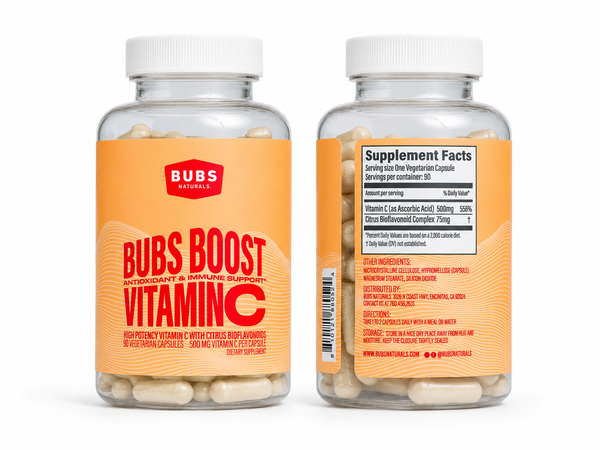
Wellness isn't just about what happens inside your cells; it’s about the barriers that keep threats out. Vitamin C is essential for the production of collagen. Collagen is the protein that provides structure to your skin, which is your body’s largest physical barrier. Our Vitamin C supplement provides 500 mg per serving, which is designed to support both your internal defenses and the structural integrity of your tissues.
Bioavailability Challenges
One thing to watch out for is how much vitamin C your body can actually use at once. If you take a massive dose of 2,000 mg in a single sitting, much of it may be excreted before it can do its job. It is often more effective to take moderate, consistent doses that your body can absorb efficiently.
Key Takeaway: Vitamin C acts as a foundational building block for immune health by supporting the production of white blood cells and protecting the structural integrity of the skin through collagen synthesis.
Understanding Elderberry: The Botanical Defender
Elderberry has been used in traditional wellness for centuries. Unlike vitamin C, which is a single vitamin, elderberry is a complex fruit containing a variety of phytonutrients. The most important of these are anthocyanins.
What are Anthocyanins?
Anthocyanins are the pigments that give elderberries their deep purple, almost black color. In the world of nutrition, dark colors usually signal high antioxidant density. These compounds are particularly good at neutralizing oxidative stress in the respiratory tract. Many people use elderberry specifically during the winter months for this reason.
Managing the Inflammatory Response
When your body identifies a threat, it triggers an inflammatory response. This is a natural and necessary part of healing. However, you want that response to be controlled and efficient. Elderberry may help support a balanced inflammatory response, allowing your body to recover from stress without overreacting.
Antiviral Properties
While we don't claim elderberry "cures" anything, some laboratory studies have shown that elderberry extracts may help prevent viruses from attaching to and entering healthy cells. This botanical defense is different from the cellular support provided by vitamin C, which is why they work so well as a pair.
Myth: Taking more elderberry is always better once you feel a scratchy throat.
Fact: Consistency is more important than "mega-dosing." A steady intake of high-quality extract allows the anthocyanins to build up in your system, providing better support over time.
Benefits of the Elderberry and Vitamin C Duo
When you combine these two, you are essentially attacking health challenges from two different angles. This combined approach is particularly useful for athletes and active individuals who put their bodies through significant physical stress.
1. Enhanced Antioxidant Protection
Both ingredients are antioxidants, but they target different types of free radicals. By taking them together, you create a more comprehensive "antioxidant net." This helps protect your DNA, proteins, and lipids from damage, which is crucial for long-term health and recovery.
2. Improved Vitamin C Stability
The flavonoids in elderberry have been shown in some studies to protect vitamin C from oxidizing. This means the vitamin stays active and effective in your system for a longer period. This "sparing effect" allows you to get more out of your vitamin C supplement without needing to increase the dosage.
3. Support for Respiratory Health
If you spend a lot of time training outdoors or traveling, your respiratory system is your front line. Vitamin C supports the lung tissues, while elderberry targets the mucosal membranes. Together, they provide a robust defense for your airways.
4. Efficient Recovery
Physical training is a form of controlled stress. It breaks you down so you can grow back stronger. However, if your immune system is busy fighting off environmental stressors, your muscle recovery may take a backseat. Supporting your immunity with this duo allows your body to focus its resources on repairing muscle tissue and replenishing energy.
How to Incorporate Them Into Your Routine
Consistency is the secret to any wellness habit. You don't get the benefits of a workout by doing it once a month, and you don't get the benefits of supplements by taking them sporadically.
The Best Time to Take Them
Most people find that taking vitamin C and elderberry in the morning works best. This sets a foundation for the day. Since vitamin C is water-soluble, it’s a good idea to take it with a full glass of water. Our Hydrate or Die electrolytes can be a great companion here, as they provide the minerals needed to keep your cells hydrated while you take your vitamins.
Dosage Considerations
For vitamin C, a dose between 500 mg and 1,000 mg is generally considered the "sweet spot" for active adults. For elderberry, follow the manufacturer's directions, but look for products that use a concentrated extract. Taking them with food can help prevent any mild stomach upset, though most people tolerate them well on an empty stomach.
Mixing with Other Supplements
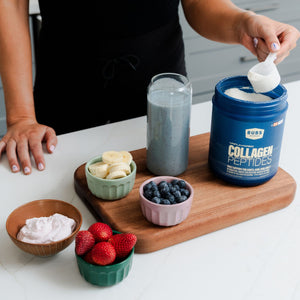
Elderberry and vitamin C also play well with other recovery tools. For example, many of our community members mix their vitamin C with Collagen Peptides. Since vitamin C is a required cofactor for collagen synthesis, taking them together helps your body repair joints, tendons, and skin more effectively.
| Category |
Vitamin C Role |
Elderberry Role |
| Immune Cells |
Supports white blood cell production |
Supports a balanced inflammatory response |
| Physical Barrier |
Essential for collagen (skin) |
Supports mucosal membrane health |
| Antioxidant |
Neutralizes water-soluble free radicals |
Rich in anthocyanins for deep cellular protection |
| Usage |
Daily foundational support |
Targeted or seasonal support |
Bottom line: Taking elderberry and vitamin C together provides a layered defense system that supports cellular health, structural integrity, and respiratory wellness.
Safety and What to Look Out For
While this combination is safe for the vast majority of people, there are a few things to keep in mind. We always recommend listening to your body and consulting with a healthcare professional before starting a new supplement regimen, especially if you have underlying health conditions.
1. Autoimmune Considerations
Elderberry is known to stimulate the immune system. For most people, this is the goal. However, if you have an autoimmune condition where your immune system is already overactive, you should speak with your doctor. They can help you determine if a botanical stimulant like elderberry is right for you.
2. Never Eat Raw Elderberries
If you are an outdoor enthusiast and find elderberry bushes, do not eat the raw berries. Raw elderberries contain substances that can cause nausea, vomiting, and diarrhea. Always use processed supplements like syrups, gummies, or capsules, as the heating process neutralizes these compounds and makes the berries safe to consume.
3. Medication Interactions
Vitamin C and elderberry are generally very safe, but they can interact with certain medications. For example, high doses of vitamin C can interfere with some blood thinners or chemotherapy drugs. Elderberry may interact with immunosuppressant medications. If you are on a prescription, a quick check with your pharmacist is always a smart move.
Quality Matters: No BS Ingredients
The supplement industry is full of hype, but we believe in results. Not all elderberry and vitamin C products are created equal. When you’re looking for a supplement, you need to look past the front of the bottle and read the ingredient list.
Avoid Excess Sugars
Many elderberry syrups and gummies are loaded with high-fructose corn syrup or cane sugar. While they might taste good, excess sugar can actually suppress immune function—the exact opposite of what you’re trying to achieve. Look for clean formulas that prioritize the active ingredients over sweeteners.
Third-Party Testing
At BUBS Naturals, we take quality seriously. Our products are third-party tested and NSF for Sport certified. This means what is on the label is exactly what is in the bottle, with no banned substances or hidden fillers. For athletes and veterans who need to know exactly what they are putting in their bodies, this level of transparency is non-negotiable.
Bioavailability
We include citrus bioflavonoids in our Vitamin C formula. These are natural compounds found in citrus fruits that help your body recognize and absorb the vitamin more effectively. By mimicking the way these nutrients appear in nature, we ensure that your body can actually use what you're taking.
Key Takeaway: High-quality supplements should be free from unnecessary fillers and backed by third-party testing to ensure you are getting the most bioavailable forms of each nutrient.
Building a Resilient Lifestyle
Supplements are just one part of the puzzle. To truly get the most out of your elderberry and vitamin C routine, you need to support them with healthy habits. No amount of vitamin C can replace the benefits of seven hours of sleep, a balanced diet, and proper hydration.
Prioritize Sleep
Sleep is when your immune system does its heaviest lifting. While you sleep, your body produces cytokines—proteins that help target infection and inflammation. If you’re pushing hard in the gym or at work, make sure you’re giving your body the downtime it needs to rebuild.
Stay Hydrated
Your immune cells travel through your body via the lymphatic system, which is mostly water. If you’re dehydrated, that system slows down. Using a clean electrolyte like our Hydrate or Die collection ensures your fluid balance is optimal, allowing your nutrients to reach the cells that need them most.
Eat the Rainbow
While supplements are great for filling gaps, try to get a variety of antioxidants from your diet. Berries, leafy greens, and citrus fruits provide a complex array of phytonutrients that work alongside your elderberry and vitamin C to keep you performing at your peak.
Conclusion
Can you take elderberry and vitamin C together? The answer is a clear yes. These two ingredients offer a powerful, science-backed way to support your immune system from multiple angles. Vitamin C provides the foundational cellular support and structural integrity your body needs, while elderberry adds a potent layer of plant-based antioxidant protection.
By choosing clean, high-quality supplements and integrating them into a lifestyle of movement and purpose, you give yourself the best chance to stay in the game. We are proud to offer products that meet the highest standards of purity because we know that when you feel your best, you can do your best.
At BUBS Naturals, our mission is about more than just wellness. We are inspired by the legacy of Glen "BUB" Doherty, a Navy SEAL who lived a life of adventure and service. That’s why we donate 10% of all our profits to veteran-focused charities. If you want to learn more about that mission, take a look at our story behind BUBS Naturals and our giving back to veterans commitment. When you choose to support your health with us, you’re also supporting a community of heroes.
One scoop, one capsule, one day at a time—feel the difference and keep moving forward.
FAQ
Can I take vitamin C and elderberry every day?
Yes, most people can safely take both elderberry and vitamin C daily for long-term immune support. For vitamin C, a daily dose helps maintain cellular "armor," while daily elderberry can help keep your antioxidant levels consistent, especially during seasonal transitions.
Is it better to take elderberry or vitamin C for a cold?
They serve different purposes, so they are best used together. Vitamin C supports the production of white blood cells to fight the issue, while elderberry contains anthocyanins that may help prevent the challenge from spreading to more cells and support your respiratory tract.
Does elderberry cancel out vitamin C?
No, there is no evidence that they interfere with each other. In fact, the flavonoids in elderberry may help stabilize vitamin C and improve its effectiveness in the body, making them a highly complementary pair for your wellness routine.
Are there any side effects to taking them together?
Most people do not experience side effects when taking these at recommended doses. Some may experience mild digestive upset if they take high doses on an empty stomach, so taking them with a light meal or a full glass of water is often recommended.