Table of Contents
- Introduction
- The Interaction Between Vitamin C and Milk
- Why the Confusion Exists: The Calcium and Iron Rule
- Digestive Comfort and Buffering
- Optimal Timing for Water-Soluble Vitamins
- The Role of Vitamin C in Collagen Synthesis
- Bioavailability and Ingredient Quality
- Vitamin C and the Active Lifestyle
- Building Your Morning Routine
- Vitamin C and Hydration
- Potential Side Effects of Mixing Vitamin C and Dairy
- The Importance of Clean Ingredients
- Conclusion
Introduction
You’re in the kitchen, finishing a glass of milk or a latte, and you reach for your supplements. A common question pops up: will that dairy interfere with your vitamin C? At BUBS Naturals, we believe in keeping your routine simple and effective. You don't want to waste your time or money on supplements that aren't being absorbed because of a simple timing error.
This guide looks at the science of combining vitamin C with milk, how it affects your body, and the best ways to time your nutrients for maximum performance. We will break down the interaction between calcium and ascorbic acid, and why the old "don't mix vitamins and dairy" rule might not apply to you.
The short answer is that you can take them together, but understanding the nuances can help you optimize your daily wellness routine.
Quick Answer: Yes, you can take vitamin C after drinking milk. There is no evidence that milk or calcium interferes with the absorption of vitamin C; in fact, taking them together may even help your digestion if you have a sensitive stomach.
The Interaction Between Vitamin C and Milk
When people ask about taking vitamin C with milk, they are usually concerned about the relationship between the acid in the vitamin and the calcium or proteins in the dairy. Vitamin C is scientifically known as ascorbic acid. Milk is a complex liquid containing fats, proteins, and minerals—most notably calcium.
There is a common misconception that calcium "blocks" the absorption of all vitamins. This idea largely stems from the fact that calcium can compete with iron for absorption in the gut. However, vitamin C and calcium do not share the same transport pathways in the small intestine. Your body is perfectly capable of processing both at the same time.
In some cases, the interaction is actually positive. Vitamin C may support the absorption of certain minerals, including calcium. While the effect isn't as dramatic as it is with iron, the presence of an acidic environment (like that created by vitamin C) can help minerals dissolve more effectively in the digestive tract.
Why the Confusion Exists: The Calcium and Iron Rule
The reason many people hesitate to mix dairy with supplements is because of the well-documented interaction between calcium and iron. Calcium is known to inhibit the absorption of non-heme iron (the type of iron found in plants and some supplements). If you are taking a prenatal vitamin or an iron supplement, experts often suggest waiting two hours after consuming dairy to ensure the iron is absorbed.
Vitamin C enters this equation as a "reversing agent." It is one of the most potent enhancers of iron absorption. When you consume vitamin C alongside a meal that contains both iron and calcium, the vitamin C helps overcome the inhibitory effects of the calcium.
If you are taking a multivitamin that contains both iron and calcium, vitamin C is your best friend. It ensures that the iron actually gets where it needs to go. Therefore, taking vitamin C after a glass of milk isn't just "okay"—it might be a strategic move if your goal is balanced mineral absorption.
Myth: Taking vitamin C with milk will neutralize the vitamin and make it useless.
Fact: Vitamin C (ascorbic acid) is stable in the presence of milk. While milk is slightly alkaline and vitamin C is acidic, the pH of your stomach is far more acidic than both, meaning they will mix and digest without neutralizing each other’s benefits.
Digestive Comfort and Buffering
One of the best reasons to take vitamin C after drinking milk or eating a meal is to protect your stomach. Because vitamin C is an acid, taking it on a completely empty stomach can cause "acid stomach," heartburn, or general discomfort for some people. This is especially true if you are taking higher doses, such as 500mg or 1,000mg.
Milk acts as a natural buffer. The proteins and fats in milk coat the stomach lining and can help slow down the transit time of the vitamin through your digestive system. This slower transit can be a good thing. It allows for a more gradual absorption of the vitamin C, rather than a sharp spike that the kidneys might quickly flush out.
If you have tried taking vitamin C in the morning and felt a bit "off," try taking it after your morning milk or a small snack. You’ll likely find the experience much smoother.
Key Takeaway: Vitamin C and calcium do not compete for absorption. In fact, vitamin C can help neutralize the interference that calcium has on other minerals like iron, making it a useful addition to a dairy-inclusive meal.
Optimal Timing for Water-Soluble Vitamins
To get the most out of our Vitamin C, it helps to understand how water-soluble vitamins work. Unlike fat-soluble vitamins (A, D, E, and K), which require dietary fat to be absorbed and can be stored in the body's fatty tissues, water-soluble vitamins are absorbed with water and aren't stored long-term.
When you take a water-soluble vitamin like C, your body takes what it needs and excretes the rest through your urine. This is why timing and consistency matter more than taking one massive dose. Taking your vitamin C with a glass of water is standard, but taking it after a glass of milk is also effective because milk is approximately 87% water.
For those who train hard or lead an active lifestyle, your requirements for vitamin C may be higher. Exercise induces oxidative stress, and vitamin C acts as an antioxidant to help combat that stress. Whether you take it with your morning coffee (with milk) or your post-workout shake, the most important factor is that you take it consistently.
The Role of Vitamin C in Collagen Synthesis
At BUBS Naturals, we often talk about the synergy between vitamin C and collagen. Vitamin C is a non-negotiable cofactor for collagen synthesis. Think of it like this: if collagen is the "bricks" of your connective tissue, vitamin C is the "mortar" that holds them together.
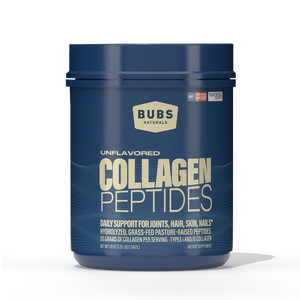
Specific enzymes (prolyl hydroxylase and lysyl hydroxylase) are responsible for stabilizing and cross-linking the collagen fibers in your body. These enzymes cannot function without vitamin C. If you are taking our Collagen Peptides to support your joints, skin, and recovery, you need to ensure your vitamin C levels are topped off.
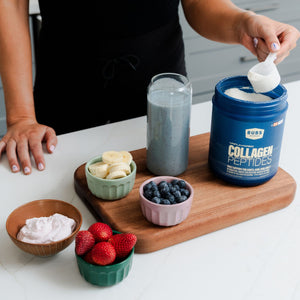
Many people enjoy their collagen in a morning smoothie or a glass of milk. Adding a vitamin C supplement to that routine is an excellent way to ensure your body has the raw materials it needs to repair and rebuild tissues after a long hike or a heavy lifting session.
Bottom line: Taking vitamin C after milk is perfectly fine and may even improve digestive tolerance, ensuring you stay consistent with your recovery routine.
Bioavailability and Ingredient Quality
Not all vitamin C is created equal. When you look at a supplement, you want to see more than just ascorbic acid. In nature, vitamin C is found alongside bioflavonoids—compounds found in the skins of citrus fruits that help with the absorption and utilization of the vitamin.
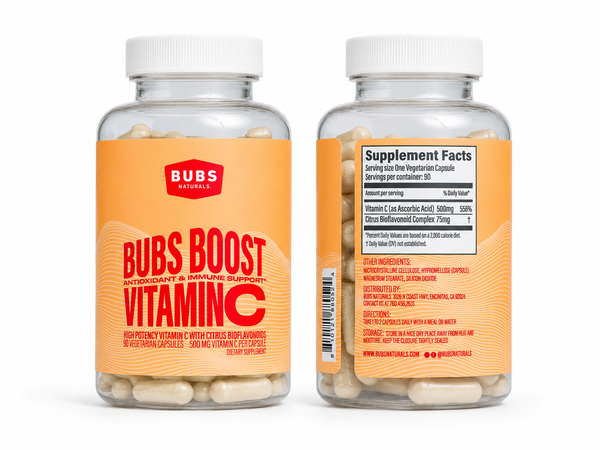
Our Vitamin C is designed with this in mind. We provide 500 mg of vitamin C along with citrus bioflavonoids to mimic how the nutrient is found in real food. This matters because it affects how your body handles the "acid." When the vitamin is part of a complex, it’s often easier on the gut and more effectively utilized by your cells.
When you take a high-quality, clean supplement, you don't have to worry as much about "perfect" timing. Whether it's with milk, water, or a meal, the bioflavonoids help your body recognize and process the nutrient efficiently.
Vitamin C and the Active Lifestyle
For the adventure-seekers and the "get after it" crowd, vitamin C does more than just support the immune system. It plays a role in adrenal function and energy metabolism. During periods of high physical or mental stress—like a multi-day ruck or a demanding work week—your adrenal glands use vitamin C at a higher rate.
Maintaining these levels helps you stay resilient. If your morning routine involves a glass of milk or a protein-heavy breakfast, adding vitamin C fits right in. It helps manage the oxidative damage that comes with pushing your limits. We prioritize simple, effective ingredients because we know you don't have time for a complicated supplement schedule.
Building Your Morning Routine
If you want to optimize your morning for both energy and recovery, here is how you might incorporate these elements:
-
Hydrate First: Start with water or our Hydrate or Die electrolytes to wake up your system.
-
Nutrient Foundation: Have your morning milk, coffee, or breakfast.
-
Supplement Sync: Take your Vitamin C and Collagen Peptides. The milk or food provides a buffer for the vitamin C and the fats/proteins needed for other nutrients.
-
Mental Clarity: Add Butter MCT Oil Creamer to your coffee or milk for sustained mental focus without the crash.
This sequence ensures your gut is "primed" before the supplements hit, reducing the chance of an upset stomach and ensuring everything is absorbed properly.
Vitamin C and Hydration
While milk is a good source of hydration and electrolytes (like potassium and calcium), it shouldn’t be your only source. Proper hydration is about balance. Vitamin C can actually play a minor role in maintaining the integrity of the blood vessels, which helps with overall circulation and nutrient delivery to your muscles.
When you are out in the field or training in the heat, you are losing more than just water. You’re losing salts that keep your muscles firing. Our Hydrate or Die formula is designed to replace those electrolytes quickly. While you wouldn't necessarily mix an electrolyte powder into milk, taking your vitamin C with milk in the morning and using electrolytes during your activity provides a comprehensive approach to performance.
Potential Side Effects of Mixing Vitamin C and Dairy
For the vast majority of people, there are no side effects to taking vitamin C after drinking milk. However, everyone’s biology is different. Here are a few things to keep in mind:
-
Lactose Intolerance: If you are lactose intolerant, the discomfort you feel after drinking milk has nothing to do with the vitamin C. It's your body's inability to break down milk sugar. In this case, switch to a lactose-free milk or a plant-based alternative like almond or oat milk.
-
Highly Sensitive Stomachs: If you have a very sensitive stomach, the combination of a large amount of dairy and a high dose of acid might feel "heavy." If this happens, simply wait 30 minutes between the two.
-
Absorption Peaks: The body can only absorb so much vitamin C at once. If you take more than 1,000mg at a time, you might experience loose stools, regardless of whether you drank milk.
Most people find that 500mg is the "sweet spot" for absorption and comfort. Our formula is dosed specifically to provide enough to be effective without overloading your system.
The Importance of Clean Ingredients
Whether you’re drinking milk from a local farm or taking a supplement, quality matters. The "no BS" philosophy at BUBS Naturals means we don't use fillers or artificial junk that can interfere with how your body processes nutrients.
When you take a cheap vitamin C supplement filled with binders and artificial colors, those extra ingredients are more likely to cause issues with dairy than the vitamin C itself. By choosing clean, third-party tested supplements, you remove the variables that cause digestive "noise." You get the nutrients you need, and your body knows exactly what to do with them.
Conclusion
Taking vitamin C after drinking milk is a safe and effective way to support your health. There is no biological conflict between these two; in fact, the buffering effect of milk can make vitamin C easier on your stomach. Whether you are focused on collagen production, immune support, or simply maintaining your edge, you can keep your morning routine exactly as it is.
At BUBS Naturals, we are driven by more than just wellness—we are driven by a legacy of service and adventure. We ensure that every product we make, from our easy-mixing collagen to our citrus-backed Vitamin C, helps you live a more capable life.
By choosing our supplements, you're also making an impact beyond your own health. We donate 10% of all profits to veteran-focused charities in honor of Glen "BUB" Doherty. It’s wellness with a mission.
If you’re looking to upgrade your routine, start with the basics. Get your hydration right, back it up with clean nutrients, and stay consistent. For more on how vitamin C supports recovery, see our guide on vitamin C and collagen peptides, and for a closer look at our mission, read about giving back to veterans and our communities.
FAQ
Does milk stop vitamin C from working?
No, milk does not stop vitamin C from working. Vitamin C is a water-soluble nutrient that is absorbed in the small intestine through specific transporters that do not interact with the calcium or proteins found in milk. If you want a deeper look at how we formulate it, our Vitamin C page covers the ingredients and dosing.
Should I wait after drinking milk to take vitamins?
There is no need to wait to take vitamin C after drinking milk, as they do not interfere with each other's absorption. However, if you are taking an iron-specific supplement, you may want to wait two hours after dairy to ensure maximum iron uptake, though vitamin C can actually help mitigate this interference.
Can I take vitamin C with a protein shake?
Yes, taking vitamin C with a protein shake is an excellent idea, especially if the shake is dairy-based or contains collagen. Vitamin C is a necessary cofactor for collagen synthesis and can be safely consumed with any protein source to support muscle and tissue repair. If collagen is part of your routine, our Collagen Peptides are built to fit right in.
Is it better to take vitamin C on an empty stomach or with food?
While vitamin C is well-absorbed on an empty stomach, many people find that taking it with food or a beverage like milk prevents stomach irritation. Taking it with a meal can also slow down absorption slightly, which may help maintain more stable levels in the bloodstream throughout the day. If you’re looking for more everyday wellness support, our Boosts collection is a simple place to start.