Table of Contents
- Introduction
- What Exactly Is Collagen?
- Why Women Experience Collagen Loss
- The Physical Benefits of Collagen for Women
- Understanding Hydrolyzed Collagen Peptides
- Lifestyle Factors That Damage Your Collagen
- How to Maximize Collagen Production Naturally
- How to Use Collagen in Your Daily Routine
- The BUBS Difference: Quality and Purpose
- Conclusion
- FAQ
Introduction
As we move through different stages of life, our bodies undergo constant internal shifts. For many women, these changes first become noticeable in the mirror or during a morning workout. You might see fine lines where there used to be smooth skin, or perhaps your knees feel a bit stiffer after a long run or a weekend hike. These are often the first signs that your body’s natural production of its most vital structural protein is beginning to slow down.
Understanding why collagen is good for women is about more than just surface-level beauty. It is about maintaining the internal framework that keeps you moving, recovering, and feeling strong. At BUBS Naturals, we believe in providing clean, science-backed tools like our Collagen Peptides that help you meet these physical challenges head-on. This guide explores how collagen supports female physiology, from bone density and joint health to skin elasticity and hair thickness.
We will break down the science behind different collagen types, explain how age and hormonal shifts like menopause impact your protein levels, and show you how to effectively integrate supplementation into your daily routine. By the end of this article, you will have a clear understanding of how this essential protein serves as a foundation for long-term wellness.
Quick Answer: Collagen supports women’s health by providing the structural building blocks for skin elasticity, joint integrity, and bone density. As natural production declines with age—particularly after menopause—supplementing with collagen peptides can help maintain skin hydration, reduce joint discomfort, and support overall tissue recovery.
What Exactly Is Collagen?
To understand why collagen is so important, it helps to look at what collagen does for your body. Collagen is the most abundant protein in the human body, accounting for roughly 30% of your total protein content. Think of it as the biological "glue" that holds everything together. It provides the structure for your skin, muscles, bones, tendons, ligaments, and even your blood vessels and digestive lining.
At a microscopic level, collagen is made of amino acids, primarily proline, glycine, and hydroxyproline. These amino acids group together to form a triple helix—a spiral-shaped protein strand that is incredibly strong and resilient. This structure allows your skin to stretch and snap back, and your joints to absorb impact without damage.
The Five Primary Types of Collagen
While scientists have identified nearly 30 types of collagen, about 90% of the collagen in your body falls into these five categories:
-
Type I: The most common type, found in skin, bones, tendons, and ligaments. It provides the density and strength needed for these tissues.
-
Type II: Located primarily in elastic cartilage, this type is essential for joint support and cushioning.
-
Type III: Found in muscles, arteries, and internal organs, working alongside Type I to provide structure.
-
Type IV: A key component of the different layers of your skin.
-
Type V: Found in the hair, the cornea of the eyes, and certain skin layers.
For most women looking to support their appearance and physical performance, Types I and III are the most critical. These are the types we focus on in our formulas because they address the areas where women typically notice the most significant age-related changes.
Why Women Experience Collagen Loss
While everyone loses collagen as they age, women face specific biological milestones that accelerate this process. Generally, natural collagen production begins to dip by about 1% every year once you hit your mid-20s. By the time you reach age 40, the decline picks up speed.
The most significant shift for women occurs during and after menopause. Estrogen plays a massive role in collagen synthesis. When estrogen levels drop during the menopausal transition, collagen production plummets. Research suggests that women can lose up to 30% of their skin’s collagen within the first five years of menopause. This rapid loss is why many women notice sudden changes in skin texture, joint mobility, and bone strength during this period.
Key Takeaway: Collagen is the structural foundation of the body. Because women experience a sharp decline in production due to hormonal changes like menopause, maintaining these levels through diet and supplementation becomes a vital part of a longevity-focused lifestyle.
The Physical Benefits of Collagen for Women
The reasons to prioritize collagen go far beyond the "anti-aging" marketing you see on social media. It is a functional protein that impacts nearly every system in your body.
1. Skin Elasticity and Hydration
The skin is often the most visible indicator of collagen levels. Collagen works with elastin and hyaluronic acid to keep the skin firm, hydrated, and resilient. As levels drop, the skin becomes thinner and drier, leading to the formation of wrinkles and sagging.
Clinical reviews involving over 1,100 participants have shown that regular intake of collagen peptides can lead to measurable improvements in skin firmness and moisture. By providing the body with the specific amino acids it needs to build new skin cells, you are supporting the "dermis," or the middle layer of your skin, where new growth happens.
2. Bone Density Support
Bones are not just made of calcium; they are a complex matrix of minerals and collagen. Collagen provides the flexible framework that allows bones to absorb stress. Without it, bones become brittle and more prone to fractures. This is particularly important for women, who are at a higher risk for bone density loss as they age.
Some studies have shown that postmenopausal women who took daily collagen supplements saw an increase in bone mineral density. By inhibiting the breakdown of bone tissue and encouraging the formation of new bone, collagen serves as a protective layer against age-related skeletal issues.
3. Joint Health and Mobility
If you lead an active lifestyle, your joints take the brunt of the impact. The cartilage in your joints is made primarily of Type II collagen. When this cartilage wears down, you experience the stiffness and discomfort often associated with osteoarthritis.
Supplementing with hydrolyzed collagen—collagen that has been broken down into smaller, easier-to-absorb pieces—may help accumulate in the cartilage. This can stimulate your tissues to produce more of their own collagen, leading to lower inflammation and better support for your knees, hips, and shoulders.
4. Hair and Nail Strength
Brittle nails and thinning hair are common complaints for women as they get older. Hair follicles and the nail bed require specific proteins to maintain growth and strength. While more research is needed, many women report faster nail growth and less breakage after starting a daily regimen. One study indicated that daily collagen intake improved nail growth and reduced brittleness in a group of women over a 24-week period.
5. Muscle Recovery and Body Composition
Collagen contains a high concentration of glycine, an amino acid that helps the body produce creatine. While collagen is not a "complete" protein like whey (it lacks the essential amino acid tryptophan), it is excellent for supporting muscle repair after a workout. For women looking to maintain lean muscle mass—which is vital for a healthy metabolism—adding collagen to a post-workout shake can be a strategic move.
Understanding Hydrolyzed Collagen Peptides
When you look for a supplement, you will see the terms "hydrolyzed collagen" or "collagen peptides." It is important to know what these mean because they determine how well the product actually works.
Collagen in its whole form is a large, complex molecule. If you were to eat it whole, your digestive system would struggle to break it down effectively enough for it to reach your bloodstream and tissues. The process of hydrolysis uses water or enzymes to break these long protein chains into tiny "peptides."
These peptides are highly bioavailable, meaning they are easily absorbed through the gastrointestinal tract. Once absorbed, they enter the bloodstream and act as the raw materials your body needs to rebuild its own collagen structures. Our BUBS Naturals Collagen Peptides are specifically designed to be hydrolyzed for maximum absorption. We use grass-fed, pasture-raised sources to ensure the quality is as clean as possible, with no fillers or additives.
Note: Collagen peptides are different from gelatin. While they have the same amino acid profile, peptides dissolve easily in cold or hot liquids and won't "gel" like the gelatin you use in cooking. This makes them much easier to add to your coffee, tea, or daily water intake.
Lifestyle Factors That Damage Your Collagen
While supplementation is a powerful tool, it is only one part of the equation. Certain lifestyle habits can act like a "collagen thief," breaking down your existing protein stores faster than your body can replace them.
-
Excessive UV Exposure: Sunlight is one of the primary causes of collagen breakdown. UV rays penetrate the dermis and damage the collagen fibers, leading to "photoaging" or premature wrinkles. Always wear SPF 30 or higher and protective clothing when spending time outdoors.
-
High Sugar Consumption: When you eat too much refined sugar, it can lead to a process called glycation. This is where sugar molecules attach to proteins like collagen, making them weak, dry, and brittle.
-
Smoking: Nicotine constricts the blood vessels near the surface of the skin, reducing the delivery of oxygen and nutrients needed for collagen synthesis. It also directly damages the elastin and collagen fibers themselves.
-
Lack of Sleep: Your body does its best repair work while you sleep. Chronic sleep deprivation can raise cortisol levels, which can interfere with the production of new collagen.
Myth: You can apply collagen creams to your face to replace the collagen you've lost.
Fact: Collagen molecules are too large to penetrate the surface of the skin effectively. While these creams can be great moisturizers, the only way to truly boost your collagen levels is from the inside out through nutrition and supplementation.
How to Maximize Collagen Production Naturally
Your body doesn't just need amino acids to make collagen; it also requires several "co-factors"—vitamins and minerals that act as catalysts in the production process.
The Role of Vitamin C
Vitamin C is perhaps the most critical partner for collagen. It helps "link" the amino acids together to form that strong triple helix structure we discussed earlier. Without enough Vitamin C, your body cannot produce collagen effectively, no matter how much protein you eat. This is why we often recommend pairing our collagen with a high-quality Vitamin C supplement or a diet rich in citrus fruits, bell peppers, and leafy greens.
Zinc and Copper
These trace minerals play a supporting role in the enzymatic reactions that build and repair connective tissue. You can find these in foods like shellfish, nuts, seeds, and whole grains.
Amino Acid-Rich Foods
While supplements provide a concentrated dose, you can also support your levels by eating:
-
Bone Broth: Simmering animal bones extracts collagen and minerals directly into a liquid form.
-
Fish with the Skin On: Much of the collagen in fish is stored in the skin.
-
Chicken: The connective tissue in chicken makes it a great dietary source.
How to Use Collagen in Your Daily Routine
The best supplement is the one you actually take, and our Collagen Club can help keep that habit simple. Because collagen peptides are flavorless and dissolve easily, they are incredibly simple to incorporate into your existing habits.
-
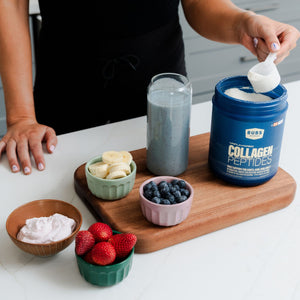
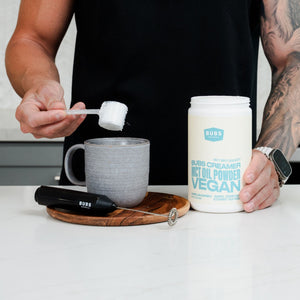
In Your Morning Coffee: This is the most popular way to use it. One scoop of BUBS Naturals Collagen Peptides dissolves instantly into hot coffee without changing the taste or texture. It provides a quick protein boost to start your day.
-
Post-Workout Shakes: Add a scoop to your recovery smoothie. It pairs well with fruit, greens, and even other protein powders.
-
In Soups or Sauces: If you aren't a coffee drinker, you can stir it into oatmeal, yogurt, or evening soups.
-
Before Bed: Some people find that the high glycine content in collagen helps support a restful night's sleep.
Consistency is the most important factor. Most clinical studies that showed benefits for skin and joints required at least 8 to 12 weeks of daily use. Your body needs time to process the amino acids and begin the work of structural repair.
The BUBS Difference: Quality and Purpose
We believe that what you put into your body should be as clean as the life you strive to lead. There are hundreds of collagen products on the market, but not all are created equal. Many contain fillers, artificial sweeteners, or come from questionable sources.
Our products are third-party tested and NSF for Sport certified. This means they are free from banned substances and have been verified for purity and label accuracy. Whether you are a professional athlete or someone just looking to stay mobile and healthy, you deserve a product you can trust.
More importantly, our brand is built on a foundation of purpose. We founded our company to honor the legacy of Glen "BUB" Doherty, a Navy SEAL and hero who lived a life of adventure and service. We carry that mission forward by donating 10% of all our profits to veteran-focused charities. When you choose us, you aren't just supporting your own wellness; you're contributing to a larger cause.
Conclusion
Collagen is more than just a beauty trend; it is a fundamental requirement for a healthy, active life as a woman. By understanding the science behind why collagen is good for women, you can take proactive steps to protect your skin, strengthen your bones, and keep your joints moving smoothly.
Remember these key steps:
- Focus on Types I and III collagen for skin and tissue support.
- Look for hydrolyzed peptides for better absorption.
- Pair your collagen with Vitamin C to spark natural production.
- Stay consistent—results take time and daily commitment.
Whether you're looking to recover faster from your workouts or simply want to support your body through the natural changes of aging, collagen is a versatile and effective tool. We invite you to try our BUBS Naturals Collagen Peptides and experience the difference that clean, purpose-driven nutrition can make.
"Live a life of adventure. Support your body for the long haul. One scoop, feel the difference."
FAQ
1. How long does it take to see results from taking collagen?
While results vary based on the individual and their health goals, most studies suggest a minimum of 8 to 12 weeks of daily use. Skin hydration and elasticity are often the first benefits noticed, while improvements in joint discomfort and bone density may take slightly longer, often between 3 to 6 months of consistent supplementation.
2. Can I get enough collagen from food alone?
While you can get the amino acids needed for collagen from foods like bone broth, fish, and chicken, it is difficult to consume the concentrated levels found in a supplement. Modern diets often lack the connective tissues and organ meats that are naturally high in collagen, making a hydrolyzed supplement a more efficient way to hit your daily goals.
3. Does collagen help with menopause symptoms?
While collagen is not a hormonal treatment and won't stop the biological process of menopause, it can help manage some of its physical effects. Specifically, it can help counteract the rapid loss of skin elasticity and bone density that occurs when estrogen levels drop, helping women maintain their physical strength and appearance during this transition.
4. Is it safe to take collagen every day?
Yes, collagen is generally considered safe for daily use and is well-tolerated by most people. Because it is a protein already found in your body, side effects are rare, though some people report mild bloating or a feeling of fullness. As with any new supplement, it is always a good idea to consult with your healthcare provider, especially if you are pregnant or breastfeeding.