Table of Contents
- Introduction
- What Exactly Is Collagen?
- Why Collagen is Good for Your Skin
- Supporting Your Joints and Connective Tissue
- Bone Density and Strength
- Muscle Mass and Exercise Recovery
- Why Collagen is Good for Hair and Nails
- The Science of Absorption: Why Peptides Matter
- Why Our Natural Production Declines
- How to Get More Collagen in Your Diet
- Making Collagen Part of Your Routine
- Why Quality Matters: The BUBS Standard
- The Connection Between Collagen and Gut Health
- Why Collagen is Good for Heart Health
- Living with Purpose: The BUBS Mission
- Conclusion
- FAQ
Introduction
You likely see collagen everywhere these days, from coffee shop menus to your local gym. While it might seem like just another health trend, this protein is the literal glue holding your body together. It makes up a massive portion of your skin, bones, and connective tissues. If you have ever felt your joints get a bit stiffer or noticed your skin losing its bounce, you are feeling the effects of collagen changes in your body.
At BUBS Naturals, we believe that understanding the "why" behind your supplements is just as important as the supplements themselves. This guide breaks down exactly why Collagen Peptides are good for your active lifestyle. We will look at how it supports your recovery, your structural health, and your long-term vitality. Our goal is to give you the facts so you can decide how to best fuel your own adventures.
Collagen is not a miracle cure, but it is a fundamental building block for a resilient body. By supporting your natural levels, you are investing in your ability to keep moving, training, and exploring for years to come.
What Exactly Is Collagen?
Collagen is the most abundant protein in your body. It represents about 30% of your total protein composition. Think of it as the structural framework for your entire physical self. It provides the strength and elasticity required for your skin to stretch and your joints to absorb impact.
Your body builds collagen by combining amino acids from the protein you eat. The primary amino acids involved are proline, glycine, and hydroxyproline. These form a unique triple helix structure. This structure is what gives collagen its incredible tensile strength. To build this "braid" of protein, your body also needs specific cofactors. These include Vitamin C, zinc, and copper.
There are at least 28 different types of collagen. However, the vast majority of the collagen in your body falls into three main categories:
-
Type I: This is the heavy lifter. It makes up 90% of your body's collagen and provides structure to skin, bones, and tendons.
-
Type II: This type is primarily found in elastic cartilage. It is the cushion that protects your joints.
-
Type III: This supports the structure of muscles, organs, and arteries.
Why Collagen is Good for Your Skin
The most famous reason people use collagen is for skin health. Your skin is roughly 75% collagen. As you age, your natural production slows down. This leads to the common signs of aging like fine lines, wrinkles, and sagging.
Improved Hydration and Elasticity
When your collagen levels are healthy, your skin looks plump and hydrated. Research suggests that collagen peptides can help your skin retain moisture. This is because collagen supports the skin's barrier function. A strong barrier keeps the good stuff in and the environmental stressors out. Many people report that their skin feels smoother and more resilient after consistent use. For a deeper dive, see our What Are Collagen Peptides and Their Benefits? guide.
Reducing the Appearance of Wrinkles
Collagen provides the internal "scaffolding" for your skin. When this scaffold weakens, wrinkles form. Supplementing with collagen may help your body maintain this structure. It doesn't happen overnight. Most studies show that consistent use over eight to twelve weeks is necessary to see visible changes. It is a long-term play for skin health, not a quick fix.
Key Takeaway: Collagen acts as the internal support system for your skin. By maintaining these protein levels, you support skin elasticity and moisture, which may naturally soften the appearance of aging.
Supporting Your Joints and Connective Tissue
For the athlete or the weekend warrior, why collagen is good usually comes down to movement. Your joints are cushioned by cartilage. Cartilage is largely made of Type II collagen. When this cartilage wears down, you feel it as stiffness or discomfort.
Joint Comfort and Mobility
Regular activity puts stress on your connective tissues. Over time, this can lead to wear and tear. Many athletes use collagen to support joint integrity. It may help reduce the discomfort associated with high-impact training. By providing the building blocks for cartilage repair, collagen helps you stay mobile. This is especially important as we get older and our recovery times naturally lengthen.
Strengthening Tendons and Ligaments
Tendons connect muscle to bone. Ligaments connect bone to bone. Both are made almost entirely of collagen. If these tissues are weak, you are more prone to injury. Supplementing with collagen may help these tissues stay strong and flexible. This is crucial for preventing common issues like strains or tendonitis.
Bone Density and Strength
We often think of calcium when we think of bones, but collagen is just as important. Bones are living tissue. They are made of a mix of minerals and collagen. The minerals provide the hardness. The collagen provides the flexibility.
Without enough collagen, bones can become brittle. This increases the risk of fractures. Some research indicates that daily collagen intake may help maintain bone mineral density. This is particularly relevant for women going through menopause. During this time, collagen and bone density can drop significantly. Keeping your protein intake high helps your body maintain its structural foundation.
Myth: Collagen is just a "beauty" supplement for skin and hair.
Fact: Collagen is a structural protein essential for bone density, joint integrity, and the strength of your tendons and ligaments.
Muscle Mass and Exercise Recovery
While collagen is not a complete protein—it lacks the essential amino acid tryptophan—it still plays a role in muscle health. It contains high amounts of glycine and proline. These are vital for the repair of connective tissues within the muscle itself.
Post-Workout Repair
Every time you train hard, you create micro-tears in your muscle fibers and connective tissues. Your body needs amino acids to repair this damage. Collagen supports the "extracellular matrix" of the muscle. This is the structural environment where your muscle cells live. Supporting this matrix can lead to better recovery after a grueling session. If hydration is part of your routine, Hydrate or Die can help keep that routine simple.
Supporting Lean Muscle
Some studies have shown that when combined with resistance training, collagen may help increase muscle mass in older adults. It isn't a replacement for whey protein or a steak. However, it is an excellent supplemental protein source. It helps ensure your body has all the tools it needs to rebuild.
Why Collagen is Good for Hair and Nails
If you notice your nails are brittle or your hair is thinning, your body might be redirection its protein elsewhere. Your hair is mostly made of a protein called keratin. Your body uses specific amino acids to build keratin, and many of these are found in collagen.
Stronger Nails
Brittle nails that chip or peel are often a sign of a nutrient gap. Supplementing with collagen has been shown to improve nail growth and reduce breakage. Many people find that their nails grow faster and feel significantly stronger after a month of daily use.
Hair Quality
While collagen won't necessarily stop genetic hair loss, it can support the environment where hair grows. The hair follicle is located in the dermal layer of the skin. Since collagen makes up a large part of the dermis, keeping this layer healthy is vital for hair health. It provides the structural support needed for healthy hair growth.
The Science of Absorption: Why Peptides Matter
You cannot simply eat a piece of leather and expect your body to use that collagen. In its natural state, collagen is a very large molecule. Your digestive system has a hard time breaking it down effectively. This is where "hydrolyzed" collagen comes in.
Understanding Hydrolysis
Hydrolysis is a process that breaks the large collagen fibers down into smaller chains called peptides. These peptides are much easier for your gut to absorb. Once absorbed, they enter the bloodstream. From there, they act as "signals" to your body to produce more of its own collagen. They also provide the raw materials needed for that production. If you want a deeper look at pairing collagen with nutrients, check out Can Collagen and Vitamin C Be Taken Together?.
Our Collagen Peptides are designed for high bioavailability. This means your body can actually use what you are taking. We focus on grass-fed, pasture-raised sources to ensure the quality is as high as possible.
QUICK ANSWER BOX
Quick Answer: Collagen is good because it provides the essential building blocks for your skin, joints, and bones. It supports skin elasticity, helps maintain joint comfort, and may help preserve bone density as you age.
Why Our Natural Production Declines
Your body is great at making collagen when you are young. However, starting in your early 20s, production begins to drop by about 1% every year. By the time you reach 50, you may have lost a significant portion of your natural collagen stores.
Several factors speed up this decline:
-
UV Exposure: Too much sun breaks down collagen fibers in the skin.
-
Smoking: Chemicals in tobacco damage both collagen and elastin.
-
High Sugar Diets: Sugar can attach to proteins in your blood. This creates molecules that make collagen brittle and weak.
-
Menopause: Hormonal changes lead to a rapid decrease in collagen production for women.
You cannot stop the clock. However, you can manage these lifestyle factors to protect the collagen you still have.
How to Get More Collagen in Your Diet
You can support your body through the foods you eat. Historically, humans ate a lot more collagen than we do today. We used to eat "nose-to-tail," consuming the skin, cartilage, and connective tissues of animals. Today, we mostly eat lean muscle meat.
Traditional Food Sources
-
Bone Broth: Simmering bones for long periods extracts the collagen and minerals.
-
Fish with Skin: Much of a fish's collagen is in its skin.
-
Chicken with Skin: Like fish, the skin and connective tissues are collagen-rich.
-
Organ Meats: These are nutrient powerhouses that support overall protein synthesis.
The Role of Supplements
While food is great, it is hard to get a consistent, high dose of collagen peptides from diet alone. Most people do not have the time to simmer bone broth for 24 hours every day. This is why a clean supplement is a practical choice. It offers a standardized dose of the specific peptides your body needs.
Making Collagen Part of Your Routine
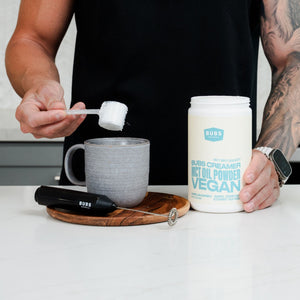
The best supplement is the one you actually take, and the Collagen Club can help make that habit easier. Collagen is versatile because it is usually flavorless and dissolves easily. This makes it simple to add to your existing habits without extra effort.
How to Use It
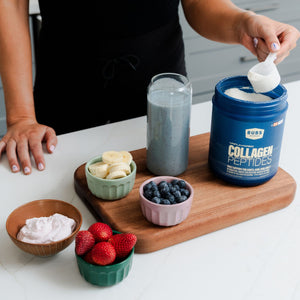
Most people find it easiest to mix a scoop of collagen into their morning coffee. If you use our Collagen Peptides, you will notice they dissolve completely. There is no grit or weird aftertaste. You can also add it to:
- Post-workout protein shakes.
- Morning oatmeal or yogurt.
- Smoothies.
- Even soups or stews.
Timing and Consistency
There is no "perfect" time to take collagen. Some people prefer it in the morning for a protein boost. Others take it before bed to support overnight repair. The most important thing is consistency. Because collagen works by supporting long-term structural health, you need to take it daily to see the best results.
Note: For the best results, ensure you are getting enough Vitamin C. Your body cannot effectively synthesize collagen without it. Consider pairing your collagen with a citrus fruit or a high-quality Vitamin C supplement.
Why Quality Matters: The BUBS Standard
Not all collagen is created equal. Because the supplement industry is not strictly regulated, you have to be careful about what you put in your body. Some products contain fillers, heavy metals, or low-quality protein sources.
At BUBS Naturals, we do things differently. We believe in total transparency. Our products are third-party tested and NSF Certified for Sport. This is the highest standard for purity and safety. It ensures that what is on the label is exactly what is in the container.
We use grass-fed and pasture-raised bovine collagen. This ensures a clean source of Types I and III collagen. We also make sure our powder is hydrolyzed to the perfect size for absorption. We don't use "no BS" as a tagline; it is our actual product philosophy. If an ingredient doesn't serve a purpose, it doesn't go in.
The Connection Between Collagen and Gut Health
While more research is needed, many people use collagen to support their digestive health. Your intestinal lining is made of many of the same amino acids found in collagen. Specifically, glycine and glutamine are known to support the integrity of the gut barrier.
A strong gut lining is essential for nutrient absorption. If your gut health is compromised, it doesn't matter how well you eat; you won't be getting the benefits. By supporting the structure of your digestive tract, collagen may help your overall wellness from the inside out.
Why Collagen is Good for Heart Health
Collagen provides the structure for your arteries. These are the blood vessels that carry blood from your heart to the rest of your body. Without enough collagen, arteries can become less flexible. This stiffness is a risk factor for various cardiovascular issues.
Keeping your arteries flexible is key to long-term heart health. Some small studies suggest that collagen supplementation can help maintain the health of these vital vessels. While it is not a replacement for a heart-healthy diet and exercise, it is another way to support your body's plumbing.
Bottom line: Collagen is a foundational protein that supports everything from the glow of your skin to the strength of your heart and bones. Its benefits are wide-ranging because its presence in the body is so vast.
Living with Purpose: The BUBS Mission
We didn't start this brand just to sell supplements. We started it to honor the legacy of Glen "BUB" Doherty, and you can read more in About Bubs. Glen was a Navy SEAL and a hero who lived his life with intensity and a deep sense of purpose. He was always the first to help a friend and the last to quit a workout.
Every product we make is designed to help you live like Glen did—full of energy, strength, and a spirit of adventure. We choose the cleanest ingredients because we know that your body is the only vehicle you have for your life's journey. You need to treat it well.
When you choose us, you are also giving back. Learn more in Giving Back to Veterans & Our Communities. We donate 10% of all our profits to veteran-focused charities. This is our way of making sure Glen’s legacy continues to help those who served. It is about more than just protein; it is about community and character.
Conclusion
Understanding why collagen is good for you is the first step toward a more resilient body. From supporting your joints during a long trail run to helping your skin recover from sun exposure, collagen is an essential ally. It provides the structural integrity that allows you to push your limits and recover faster.
Remember these key takeaways:
- Collagen is the most abundant protein in the body, acting as "the glue."
- Natural production drops with age, making supplementation helpful for many.
- Hydrolyzed peptides are the best form for effective absorption.
- Quality matters—always look for third-party testing and clean sources.
The journey to better health is built on small, consistent choices. Adding a high-quality collagen supplement to your daily routine is an easy, effective way to support your long-term wellness. Whether you are training for a marathon or just want to feel better in your daily life, your body will thank you for the extra support. If you want to go one layer deeper, Is BUBS Collagen Good? Quality, Benefits, and Results is a helpful next read.
Start your day with a scoop of BUBS Naturals Collagen Peptides. It is one small habit that makes a massive difference in how you move, look, and feel.
FAQ
How long does it take to see the benefits of collagen?
Most people start to see changes in their skin hydration and nail strength within four to eight weeks of daily use. For joint comfort and bone health, it may take three to six months of consistency to feel a significant difference. Your body needs time to rebuild its internal structures, so patience is key.
Can I get enough collagen from my diet alone?
While you can get collagen from foods like bone broth and fish skin, it is difficult to get a high, consistent dose of the specific peptides needed for optimal results. Most modern diets are low in these connective tissue-rich foods. Supplementing with hydrolyzed peptides ensures you get a bioavailable dose every single day.
Are there any side effects to taking collagen?
Collagen is generally considered very safe for most people. Some individuals may experience mild bloating or a feeling of fullness if they take a large dose at once. It is always a good idea to start with a standard serving size and consult your healthcare provider if you have any specific medical concerns.
Is collagen a replacement for whey protein?
No, collagen and whey protein serve different purposes. Whey is a complete protein rich in branched-chain amino acids, making it ideal for muscle building. Collagen is rich in glycine and proline, which are better for connective tissues, skin, and joints. Many athletes use both to cover all their recovery needs.