Table of Contents
- Introduction
- The Foundation of Collagen Synthesis
- Vitamin C: The Essential Catalyst
- Vitamin A and Cellular Regulation
- Vitamin E: The Shield for Your Skin
- The Role of Trace Minerals
- How to Maximize Collagen Absorption
- Lifestyle Factors That Damage Collagen
- Building Your Collagen Supplement Stack
- Why Quality and Mission Matter
- Conclusion
- FAQ
Introduction
Whether you are hitting the gym, recovery-focused after a long trail run, or simply looking to maintain your edge as you age, you probably already know about collagen. It is the structural glue that holds your body together. However, simply taking a supplement might not be the whole story. To get the most out of your efforts, you need to understand the biological tools your body uses to actually build and protect that protein.
At BUBS Naturals, we believe in clean, high-performance wellness that is backed by real science. We see many people focusing on the protein itself while ignoring the essential vitamins that make collagen synthesis possible. Without the right "cofactors," your body struggles to turn raw amino acids into the strong fibers that support your joints and skin.
This guide will break down the specific vitamins and minerals you need to maximize your results. We will cover how these nutrients interact with your biology and how to build a routine that supports your active lifestyle. Our mission is to provide you with the knowledge to live a life of purpose and performance, fueled by the best ingredients available.
Quick Answer: Vitamin C is the most critical vitamin for collagen because it acts as a primary catalyst for collagen synthesis. It helps stabilize the collagen molecule's triple-helix structure, while other nutrients like Vitamin A, Zinc, and Copper support regulation and tissue repair.
The Foundation of Collagen Synthesis
To understand which vitamins are essential, you first need to understand how collagen is made. Collagen is not a simple protein that you eat and "deposit" directly into your skin or joints. Instead, your body treats collagen like a construction project. When you consume protein or collagen peptides, your digestive system breaks them down into amino acids.
The three primary amino acids in this process are proline, glycine, and hydroxyproline. Once these are in your system, your body must "re-knit" them into collagen fibers. This process is called collagen synthesis. This is where vitamins come into play. They act as cofactors—helper molecules that allow enzymes to perform chemical reactions.
Without these vitamins, the enzymes responsible for building collagen cannot function. It is like having a pile of lumber but no hammer or nails. You have the raw materials, but you cannot build the house. Ensuring you have the right vitamin profile ensures your construction crew is ready to work.
Vitamin C: The Essential Catalyst
If there is one vitamin that reigns supreme for collagen, it is Vitamin C. It is not just a "nice to have" addition; it is a biological requirement. Vitamin C, or ascorbic acid, is involved in every single stage of the collagen-building process.
Stabilizing the Triple Helix
Collagen is unique because of its structure. It forms a "triple helix," which looks like three strands of rope twisted tightly together. This structure is what gives your tendons and skin their incredible tensile strength.
Vitamin C is required for two specific enzymes: prolyl hydroxylase and lysyl hydroxylase. These enzymes add oxygen and hydrogen to the amino acids proline and lysine. This chemical reaction, called hydroxylation, is what allows the collagen strands to bond together into that tight triple-helix shape. Without Vitamin C, the strands remain loose and weak, leading to structural breakdown throughout the body.
Antioxidant Protection
Beyond its role in building new fibers, Vitamin C is a potent antioxidant. Training hard and spending time outdoors exposes your body to oxidative stress and free radicals. These unstable molecules can damage your existing collagen fibers, causing them to become brittle. Vitamin C helps neutralize these free radicals, acting as a shield that preserves the collagen you already have.
Key Takeaway: Vitamin C is the non-negotiable partner for collagen production. It is required to stabilize the protein's structure and protects existing fibers from environmental damage.
Vitamin A and Cellular Regulation
While Vitamin C handles the construction, Vitamin A focuses on the blueprints. Vitamin A is a fat-soluble nutrient that is vital for cell growth and differentiation. In the world of skin health, it is often discussed in the context of retinoids, but its role inside the body is just as important.
Vitamin A helps regulate the genes responsible for collagen production. It essentially sends a signal to your cells to start the manufacturing process. It also helps balance the activity of enzymes that break down collagen. As we age, our bodies can sometimes over-produce enzymes called matrix metalloproteinases (MMPs), which "eat" collagen. Vitamin A helps keep these enzymes in check, ensuring your collagen levels stay balanced.
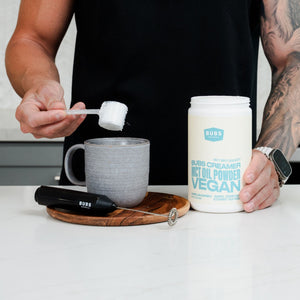
Since Vitamin A is fat-soluble, we recommend taking it with a meal that contains healthy fats. This is why many people in our community choose to mix their morning coffee with our Butter MCT Oil Creamer. The clean, coconut-sourced fats help your body absorb fat-soluble vitamins more effectively while providing a steady stream of mental clarity for your day.
Vitamin E: The Shield for Your Skin
Vitamin E is often called "the protector" in the wellness world. It works in tandem with Vitamin C to provide a double layer of defense. While Vitamin C works in the watery parts of your cells, Vitamin E is fat-soluble and lives in the cell membranes.
Vitamin E’s primary job is to prevent "lipid peroxidation," which is a fancy way of saying it stops fats in your cell membranes from going rancid due to stress. Because collagen lives in the "extracellular matrix" (the space between your cells), healthy cell membranes are essential for a healthy collagen environment.
When you pair Vitamin E with Vitamin C, they create an antioxidant loop. Vitamin E neutralizes a free radical and becomes "spent," then Vitamin C comes along and regenerates the Vitamin E so it can go back to work. This synergy is why a balanced diet of whole foods—like nuts, seeds, and leafy greens—is so vital for your structural health.
The Role of Trace Minerals
While the keyword asks "which vitamin," we would be doing you a disservice if we didn't mention minerals. Vitamins cannot work alone. Several trace minerals act as co-factors alongside Vitamin C to finalize the collagen strands.
Zinc: The Repair Foreman
Zinc is essential for protein synthesis and cell division. In the context of collagen, it acts as a co-factor for the remodeling process. Your body is constantly breaking down old collagen and laying down new tissue, especially after a tough workout. Zinc ensures this turnover happens efficiently. It also supports the immune system, which is the "cleanup crew" that removes damaged tissue so new collagen can take its place.
Copper: The Cross-Linker
Copper works with an enzyme called lysyl oxidase. This enzyme is responsible for "cross-linking" collagen and elastin fibers. If the triple helix is the rope, cross-linking is the process of weaving those ropes into a massive, unbreakable net. Copper ensures your connective tissues are resilient and able to bounce back after being stretched or stressed during physical activity.
Myth: You need to take massive doses of copper and zinc to see results.
Fact: These are trace minerals, meaning you only need small amounts. Most people get enough through a balanced diet of meat, shellfish, nuts, and seeds. Over-supplementing can actually lead to imbalances.
How to Maximize Collagen Absorption
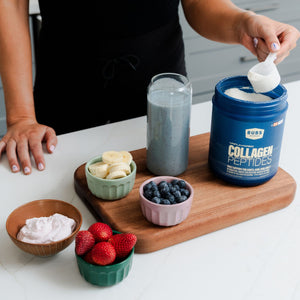
Taking a high-quality supplement is the first step, but how you take it matters. We designed our BUBS Naturals Collagen Peptides to be "hydrolyzed." This means the long collagen chains have already been broken down into smaller "peptides" that are easier for your gut to absorb.
To get the most out of your scoop, consider these three factors:
-
Pair with Vitamin C: Since your body cannot store Vitamin C for long, it is best to consume it daily. Our Vitamin C supplement provides 500 mg of ascorbic acid alongside citrus bioflavonoids, which are designed to support antioxidant activity and collagen formation.
-
Consistency Over Intensity: Your body builds collagen slowly. It is a long-term structural project, not a quick fix. Taking a smaller dose every single day is much more effective than taking a huge dose once a week.
-
Support Your Gut: Since absorption happens in the digestive tract, a healthy gut is paramount. If your digestion is sluggish, you won't get the full benefit of your supplements. Whole foods, hydration, and movement all support a healthy gut environment.
Lifestyle Factors That Damage Collagen
You can take every vitamin on this list, but if you are actively damaging your collagen, you will be fighting an uphill battle. To live the BUBS lifestyle—one of adventure and longevity—you need to protect the foundation you are building.
The Impact of UV Radiation
Sun exposure is the number one environmental cause of collagen breakdown. Ultraviolet (UV) rays penetrate deep into the skin and trigger the production of those collagen-eating enzymes (MMPs) we mentioned earlier. While we love being outdoors, we always recommend sensible sun protection and refueling your antioxidant levels with Vitamin C and Vitamin E after a long day in the sun.
Sugar and Glycation
A diet high in refined sugars can lead to a process called glycation. This is where sugar molecules in your bloodstream attach to proteins, including collagen. This creates "advanced glycation end-products" (AGEs). These molecules make your collagen fibers stiff, dry, and brittle. If you want to stay flexible and resilient, keeping your blood sugar stable is a vital strategy.
Stress and Cortisol
High levels of chronic stress lead to elevated cortisol. Cortisol is a "catabolic" hormone, meaning it breaks things down for energy. Unfortunately, one of the things it breaks down is collagen. Finding ways to manage stress—whether through exercise, breathwork, or time in nature—is a structural health requirement.
Building Your Collagen Supplement Stack
If you are ready to optimize your routine, here is how we recommend structuring your "stack" based on the science of cofactors.
-
The Morning Base: Start with one scoop of our Collagen Peptides. Because it is unflavored and dissolves instantly, you can put it in your coffee, tea, or water. It provides the Type I and Type III collagen your joints and skin need.
-
The Catalyst: Take your Vitamin C. Whether through a supplement or a large glass of lemon water, ensure that Vitamin C is present to help those amino acids turn into a triple helix.
-
The Carrier: Add a scoop of MCT oil. This provides the healthy fats needed to absorb Vitamin A and Vitamin E from your diet throughout the day.
-
The Hydration: Collagen holds a lot of water. If you are dehydrated, your connective tissues will feel stiff and "creaky." Our Hydrate or Die electrolytes are designed to support fast hydration and muscle function without the added sugar that can lead to glycation.
Bottom line: Collagen is the raw material, but vitamins are the workers. For the best results, pair your collagen with Vitamin C and a diet rich in trace minerals and healthy fats.
Why Quality and Mission Matter
When we started BUBS Naturals, we didn't just want to sell supplements. We wanted to build a brand that reflected the values of our friend Glen "BUB" Doherty—a Navy SEAL who lived a life of adventure, fitness, and deep purpose. This means we don't cut corners on our ingredients.
Our products are third-party tested and NSF for Sport certified. This is the gold standard for purity and safety, trusted by professional athletes and military personnel alike. We don't use fillers, "BS" ingredients, or artificial sweeteners. We provide clean tools for people who take their health seriously.
Furthermore, our brand is built on the 10% Rule. We donate 10% of all profits to veteran-focused charities in BUB's honor. When you invest in your health with us, you are also supporting a larger mission of helping those who have served.
Conclusion
Building better collagen isn't about finding a "miracle" pill. It is about understanding the synergy between protein, vitamins, and lifestyle, and supporting your body’s natural processes. By focusing on Vitamin C as your primary catalyst and supporting it with Vitamin A, Vitamin E, and essential minerals, you give your body everything it needs to stay strong and resilient.
Living well is a daily practice. It is about the small choices—the morning scoop of collagen, the afternoon hike, the commitment to clean ingredients—that add up over time. We are here to help you feel capable, motivated, and equipped for whatever adventure comes next.
-
Prioritize Vitamin C: It is the most important vitamin for collagen synthesis.
-
Protect Your Assets: Avoid excessive sugar and unprotected sun exposure to keep your collagen intact.
-
Stay Consistent: Build a routine that you can stick to every single day.
One scoop. Feel the difference. Live your life with purpose.
FAQ
Can I get enough vitamins for collagen through food alone?
Yes, a balanced diet rich in citrus fruits, bell peppers, leafy greens, nuts, and seeds can provide many of the necessary cofactors. However, many people find that high-quality supplements like our Collagen Peptides help fill the gaps, especially if they have an active lifestyle that increases their nutrient demands.
Should I take my vitamins and collagen at the same time?
While it is not strictly necessary to take them at the exact same second, having them in your system concurrently is beneficial. Taking your collagen and Vitamin C together in the morning is a great way to ensure the cofactors are available when your body starts processing the amino acids.
Is Vitamin C the only vitamin that helps collagen?
While Vitamin C is the primary catalyst, it is not the only player. Vitamin A helps regulate production and skin integrity, while Vitamin E provides essential antioxidant protection. For the best results, you should aim for a broad spectrum of nutrients through whole foods and clean supplements.
How long does it take for these vitamins to improve my collagen?
Collagen turnover is a slow process. While you may feel improvements in hydration or joint comfort sooner, it typically takes 4 to 12 weeks of consistent intake to see visible or structural changes. Patience and daily consistency are the keys to long-term success.