Table of Contents
- Introduction
- Understanding Collagen: The Basics
- The Source of Collagen Peptides: A Deep Dive
- The Benefits of Collagen Peptides
- How to Incorporate Collagen Peptides into Your Daily Routine
- Conclusion
- FAQ
Introduction
Have you ever wondered about the source of collagen peptides, the popular supplement that has taken the wellness world by storm? With their reputation for supporting skin health, joint function, and overall vitality, collagen peptides have become a staple in our wellness routines. As we delve into the intricacies of where collagen peptides come from, we’ll uncover the fascinating journey from animal sources to the products we consume today.
Collagen is the most abundant protein in our bodies, constituting about 30% of our total protein content. It plays a crucial role in providing structure and support to our skin, muscles, bones, and connective tissues. However, as we age, our natural collagen production declines, leading to various signs of aging and decreased joint health. This decline underscores the importance of understanding the sources of collagen peptides and how they can contribute to our wellness.
In this blog post, we will explore the origins of collagen peptides, the process of their extraction, and the implications for our health. We’ll also touch on BUBS Naturals’ commitment to quality and sustainability, ensuring that our products not only support our wellness but also honor the legacy of Glen “BUB” Doherty by giving back to veteran-focused charities.
Join us as we embark on this enlightening journey to discover where collagen peptides come from, how they are produced, and why they are vital for our health.
Understanding Collagen: The Basics
Before we dive into the specifics of collagen peptides, let’s start with a basic understanding of what collagen is.
What is Collagen?
Collagen is a structural protein that forms the connective tissues in our bodies, including the skin, tendons, ligaments, and cartilage. It is primarily made up of amino acids, with glycine, proline, and hydroxyproline being the most abundant. These amino acids are crucial for maintaining the integrity and elasticity of our tissues.
There are at least 28 different types of collagen, but the most common types are:
-
Type I: Found in skin, bones, tendons, and ligaments.
-
Type II: Primarily located in cartilage.
-
Type III: Found in skin, blood vessels, and internal organs.
-
Type IV: Present in the layers of the skin.
-
Type V: Found in hair and tissue of the placenta.
Why Do We Need Collagen?
Collagen plays an essential role in maintaining the structure and function of our tissues. As we age, our body’s ability to produce collagen decreases, which can lead to:
- Wrinkles and sagging skin
- Joint pain and stiffness
- Weakened bones
- Decreased muscle mass
By supplementing with collagen peptides, we can support our body’s natural collagen levels and potentially mitigate some of these age-related changes.
The Source of Collagen Peptides: A Deep Dive
Where Does Collagen Come From?
Collagen is primarily derived from animal sources. The most common sources of collagen peptides include:
-
Bovine (Cows): The hides and connective tissues of cows are rich in collagen. Grass-fed, pasture-raised cattle are considered the best source due to their higher quality collagen and ethical farming practices.
-
Porcine (Pigs): Similar to bovine collagen, pig collagen is extracted from the skin and bones. It has a similar amino acid profile to human collagen.
-
Marine (Fish): Fish collagen, sourced from the skin and scales of fish, is known for its high bioavailability and is often favored for its sustainability.
-
Eggshell Membrane: This is a less common source but still provides valuable collagen.
At BUBS Naturals, we ensure that our collagen peptides are sourced from grass-fed, pasture-raised cattle, reflecting our commitment to quality and sustainability.
The Extraction Process: From Source to Supplement
The journey from animal source to collagen peptides involves several key steps:
-
Sourcing: High-quality collagen is obtained from the hides, bones, and connective tissues of animals. These parts are often byproducts of the meat industry, which allows for sustainable practices.
-
Cleaning and Preparation: The raw materials are thoroughly cleaned to remove any impurities. This process may involve the use of alkaline solutions to eliminate excess fat.
-
Hydrolysis: The collagen is subjected to hydrolysis, a process that breaks down the large collagen molecules into smaller peptides. This is achieved by heating the collagen in water, often at specific temperatures, to ensure maximum extraction of the vital amino acids.
-
Drying and Milling: The resulting collagen peptides are then dried and milled into a fine powder, making them suitable for various forms of supplements, such as powders, capsules, or bars.
-
Quality Testing: At every stage, rigorous quality control measures are implemented to ensure that the final product meets safety and efficacy standards. We at BUBS Naturals are proud to have our products third-party tested and certified by organizations like NSF for Sport.
This meticulous process ensures that the collagen peptides we consume are of the highest quality, providing the essential building blocks our bodies need.
The Importance of Quality Sourcing
Choosing high-quality collagen sources is crucial not only for the effectiveness of the supplement but also for ethical considerations. Grass-fed and pasture-raised animals typically produce collagen that is richer in nutrients and free from harmful additives. By opting for such sources, we support sustainable farming practices and prioritize our health.
At BUBS Naturals, we are dedicated to transparency in sourcing and production. Our collagen peptides come from ethically raised animals, allowing us to honor Glen “BUB” Doherty's legacy by giving back through our 10% Rule, donating 10% of all profits to veteran-focused charities.
The Benefits of Collagen Peptides
Now that we understand where collagen peptides come from, let’s explore their potential benefits.
Skin Health
Collagen peptides are often touted for their ability to promote skin health. Research suggests that supplementation may improve skin hydration, elasticity, and overall appearance. By providing the body with the necessary amino acids, collagen peptides can support the skin’s structure and combat the signs of aging.
Joint Support
Collagen is a significant component of cartilage, the tissue that cushions joints. Supplementing with collagen peptides may help alleviate joint pain and improve joint function, particularly in individuals with conditions like osteoarthritis. Regular intake of collagen peptides can help maintain joint health, especially for those who lead active lifestyles.
Muscle Mass Maintenance
Collagen peptides can also play a role in preserving muscle mass. As we age, we naturally lose muscle mass, but incorporating collagen peptides into our diet may help mitigate this decline. The amino acids in collagen are essential for muscle repair and growth, making them a valuable addition to post-workout recovery.
Overall Wellness
Beyond skin and joint health, collagen peptides contribute to overall wellness. They can support gut health by strengthening the intestinal lining, and they may promote better hair and nail health due to their rich amino acid content. By incorporating collagen peptides into our routines, we support various aspects of our health holistically.
How to Incorporate Collagen Peptides into Your Daily Routine
Now that we understand the benefits of collagen peptides, let’s discuss how to incorporate them into our daily lives.
-
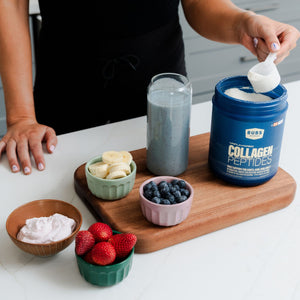
Smoothies: Add a scoop of collagen peptides to your morning smoothie for a protein boost.
-
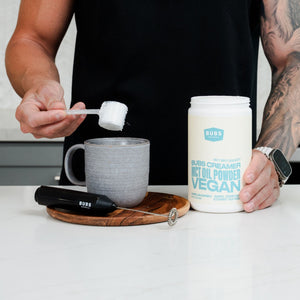
Coffee or Tea: Mix collagen powder into your favorite hot beverage. It dissolves easily and adds no taste.
-
Baking: Incorporate collagen peptides into baked goods, such as muffins or pancakes, for added nutrition.
-
Soups and Sauces: Stir collagen peptides into soups or sauces for a nutrient-rich enhancement.
-
Hydrate Electrolytes: Combine collagen peptides with our Hydrate Electrolytes for a delicious, replenishing drink post-workout.
At BUBS Naturals, we believe in a no-BS approach to wellness. Our collagen peptides mix effortlessly with any beverage or food, allowing you to seamlessly integrate them into your lifestyle.
Conclusion
Understanding where collagen peptides come from helps us appreciate their value in our daily wellness routines. By sourcing high-quality collagen from ethical and sustainable practices, we not only enhance our health but also honor the commitment to give back, as exemplified by Glen “BUB” Doherty’s legacy.
As we age, maintaining our collagen levels becomes increasingly important. Collagen peptides offer a practical and effective way to support our skin, joints, and overall wellness. By incorporating these powerful supplements into our diets, we can take proactive steps toward a healthier future.
Let’s embrace the journey of wellness together, making informed choices that align with our values and support our active lifestyles. Feel the BUBS difference and join us in honoring a life of adventure, wellness, and purpose.
FAQ
1. What are collagen peptides made from?
Collagen peptides are derived from animal sources, primarily from the hides, bones, and connective tissues of cows, pigs, and fish. These sources are rich in collagen, which undergoes a hydrolysis process to create smaller, more easily absorbed peptides.
2. How can I tell if the collagen peptides I’m using are high-quality?
Look for collagen sourced from grass-fed, pasture-raised animals or sustainably sourced fish. Check for third-party testing certifications, such as NSF for Sport, which ensure product quality and safety.
3. Can I get collagen from plant sources?
No, collagen is not found in plant sources. However, certain plant foods can support the body’s natural collagen production, such as those rich in vitamin C, zinc, and amino acids.
4. How do I incorporate collagen peptides into my diet?
Collagen peptides can be easily added to smoothies, coffee, baked goods, soups, and sauces. They dissolve easily and have no distinct taste, making them a versatile addition to your meals.
5. What are the benefits of taking collagen peptides?
Collagen peptides may support skin hydration and elasticity, improve joint health, maintain muscle mass, and promote overall wellness. Regular supplementation can help counteract the natural decline in collagen production as we age.