



Table of Contents
- Introduction
- Understanding Collagen: The Basics
- Where Does Collagen Come From?
- The Role of Collagen in Health and Wellness
- Supporting Natural Collagen Production
- Collagen Supplements: Are They Worth It?
- Conclusion
- FAQ
Introduction
Did you know that collagen is the most abundant protein in your body, accounting for about 30% of your total protein composition? It acts as the scaffolding for your skin, muscles, bones, tendons, and ligaments, giving your body structure and strength. But as we age, our natural collagen production declines, leading to visible signs of aging such as wrinkles and joint pain. This decline has sparked a surge in interest around collagen supplements, prompting many to wonder: where does collagen come from and how can we maintain our collagen levels?
In this blog post, we aim to unravel the complexities surrounding collagen—its sources, its role in our bodies, and the ways we can support our natural collagen production. We will also explore various types of collagen, the differences between animal and plant sources, and how supplements can fit into a healthy lifestyle. By the end of this article, you will have a comprehensive understanding of collagen, its significance, and practical tips to support your well-being.
Let’s embark on this journey together as we explore the fascinating world of collagen and its importance in our lives.
Understanding Collagen: The Basics
What is Collagen?
Collagen is a structural protein found in various connective tissues throughout the body. It plays a vital role in maintaining the integrity, elasticity, and hydration of skin, bones, tendons, and ligaments. Its unique triple-helix structure enables it to withstand stretching and provides the necessary support for our body's tissues.
Types of Collagen
There are at least 28 types of collagen identified, each serving different roles and found in various parts of the body. The five most common types include:
- Type I: The most abundant, found in skin, tendons, and bones.
- Type II: Primarily found in cartilage, providing joint support.
- Type III: Often present alongside Type I, supporting skin and blood vessels.
- Type IV: Located in the layers of the skin and involved in filtration.
- Type V: Found in hair and tissue placenta, it plays a role in cell adhesion.
Understanding these types can help us appreciate how collagen functions in our bodies and why its decline as we age can lead to various health issues.
The Decline of Collagen Production
As we age, collagen production naturally decreases—starting as early as our 20s. Factors such as sun exposure, smoking, poor diet, and lack of exercise can accelerate this decline. This results in less elastic skin, increased wrinkles, and joint discomfort. At BUBS Naturals, we believe that supporting our bodies with clean, high-quality supplements can play a role in maintaining our collagen levels.
Where Does Collagen Come From?
Animal Sources of Collagen
Collagen is primarily derived from animal products, which are rich in connective tissues. The most common sources include:
-
Bovine Collagen: Sourced from cows, it is one of the most popular types used in supplements due to its high Type I and Type III collagen content. Bovine collagen is known for its potential benefits for skin elasticity and joint support.
-
Porcine Collagen: Sourced from pigs, it has similar properties to bovine collagen and is often used in medical applications.
-
Marine Collagen: Derived from fish skin and scales, marine collagen is known for its high bioavailability and absorption rate. It is often touted for its skin-enhancing properties and ability to support hydration and elasticity.
-
Chicken Collagen: This source is particularly rich in Type II collagen, making it beneficial for joint health and cartilage support.
Plant-Based Alternatives and Vegan Collagen
While collagen itself is not found in plant sources, certain nutrients can support the body's natural collagen production. These include:
- Vitamin C: Essential for collagen synthesis, found in citrus fruits, berries, and leafy greens.
- Zinc: Important for collagen production, found in nuts, seeds, and legumes.
- Copper: Aids in the formation of collagen, sourced from whole grains and beans.
Some companies have started to develop vegan collagen alternatives through bioengineering, which involves genetically modifying yeast or bacteria to produce collagen-like proteins. However, these products are still in development and may not provide the same benefits as traditional collagen sources.
How Does the Body Use Collagen?
When collagen is ingested, whether through food or supplements, it is broken down into amino acids during digestion. These amino acids are then utilized by the body to synthesize new collagen or other proteins as needed. This means that simply consuming collagen may not directly translate into increased collagen levels in the skin or joints. Instead, it provides the building blocks necessary for the body to produce its own collagen.
The Role of Collagen in Health and Wellness
Skin Health
Collagen plays a crucial role in maintaining skin elasticity and hydration. As collagen levels decline, skin becomes less firm and more prone to wrinkles. Incorporating collagen-rich foods and supplements may support skin health and appearance, but results can vary from person to person.
Joint Health
Collagen is a vital component of cartilage, the tissue that cushions joints. Some studies suggest that collagen supplementation may help alleviate joint pain and improve mobility, particularly in individuals with osteoarthritis or those engaged in high-impact activities. However, more research is needed to establish definitive benefits.
Gut Health
Emerging research indicates that collagen may play a role in gut health by supporting the intestinal lining and aiding digestion. While more studies are needed in this area, the potential benefits are promising for those seeking to improve their digestive health.
Supporting Natural Collagen Production
Nutrition
A well-balanced diet rich in protein, vitamins, and minerals is essential for supporting collagen production. Foods that can help include:
- Bone Broth: A traditional source of collagen, it contains amino acids and minerals that may support joint and skin health.
- Fish: Especially those with skin, such as salmon, which provide marine collagen.
- Eggs: High in amino acids and nutrients essential for collagen synthesis.
- Fruits and Vegetables: Rich in antioxidants and vitamins that can protect existing collagen from degradation.
Lifestyle Habits
In addition to nutrition, certain lifestyle habits can support collagen levels:
- Hydration: Drinking plenty of water helps maintain skin elasticity.
- Sun Protection: Wearing sunscreen daily can prevent UV damage that breaks down collagen.
- Regular Exercise: Engaging in physical activity can stimulate collagen production and improve overall health.
- Avoiding Smoking and Excessive Alcohol: Both can accelerate collagen breakdown and contribute to premature aging.
Collagen Supplements: Are They Worth It?
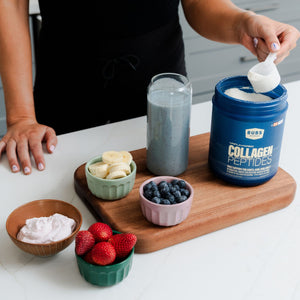
With the growing popularity of collagen supplements, many wonder if they are effective. At BUBS Naturals, we emphasize the importance of clean, high-quality supplements. Our premium Collagen Peptides are derived from grass-fed, pasture-raised sources, ensuring that you receive a product that aligns with your wellness goals.
Choosing the Right Supplement
When choosing a collagen supplement, consider factors such as:
- Source: Opt for collagen derived from ethically raised animals or high-quality marine sources.
- Form: Hydrolyzed collagen peptides are easier for the body to absorb compared to whole collagen.
- Additives: Look for products without unnecessary fillers, sugars, or artificial ingredients.
Potential Benefits
While many individuals report positive effects from collagen supplementation—including improved skin hydration and reduced joint pain—scientific evidence varies. Some studies suggest benefits for skin elasticity and joint health, particularly with consistent use over time.
Conclusion
Collagen is a vital protein that plays a significant role in our overall health, affecting everything from skin appearance to joint function. By understanding where collagen comes from and how to support its production naturally, we can take meaningful steps towards maintaining our well-being as we age.
At BUBS Naturals, we are committed to providing clean, effective supplements that empower you to embrace an active and adventurous lifestyle. By focusing on high-quality ingredients and supporting veteran-focused charities through our 10% Rule, we strive to make a positive impact on both individual health and the community.
As you consider your own wellness journey, reflect on how you can incorporate more collagen-supporting foods and habits into your life. Together, we can promote health and resilience while honoring the legacy of Glen “BUB” Doherty.
FAQ
Q: What age should I start taking collagen supplements?
A: While there’s no specific age to start, many people begin in their 20s when collagen production starts to decline. Early supplementation may help mitigate age-related changes.
Q: Can vegetarians or vegans benefit from collagen supplements?
A: Traditional collagen comes from animal sources. However, some vegan products claim to support collagen production through nutrients like vitamin C, zinc, and copper, though they do not contain collagen itself.
Q: How long does it take to see results from collagen supplements?
A: Many users report noticeable improvements after about 8 weeks of consistent use, though individual results may vary.
Q: Are there any side effects associated with collagen supplementation?
A: Collagen supplements are generally well-tolerated, but it’s always best to consult with a healthcare professional before starting any new supplement, especially if you have pre-existing conditions.
Q: What foods are best for boosting collagen production?
A: Foods rich in protein, vitamin C, zinc, and copper, such as bone broth, fish, eggs, and leafy greens, are excellent choices for supporting collagen synthesis.
By integrating these insights into your daily life, we can collectively enhance our health, resilience, and commitment to wellness. Explore our full range of products at BUBS Naturals and discover how our supplements can support your journey to optimal health.
Written by:
Collagen Peptides
Fuel stronger workouts and faster recovery with collagen peptides that support joints, muscles, skin, and overall performance.


