Table of Contents
- Introduction
- The Foundation of Your Body: What is Collagen?
- Why Do We Need Collagen Support?
- Enhancing Skin Health and Resilience
- Joint Mobility and Connective Tissue
- Bone Density and Strength
- Supporting Hair and Nails
- The Role of Gut Health
- How to Effectively Support Collagen Production
- Choosing the Right Supplement
- Integrating Collagen Into Your Routine
- Realistic Expectations
- Protecting the Collagen You Have
- The BUBS Mission: More Than Just Supplements
- FAQ
Introduction
If you’ve spent any time in the fitness or wellness world lately, you’ve likely noticed the focus on collagen. It’s in powders, bars, and even specialty coffees. But for those of us who prioritize a high-performance lifestyle, it’s important to look past the trends and understand what this protein actually does for the body. Whether you’re training for an ultra, hitting the local trailhead, or just trying to stay mobile and active as you age, understanding the role of structural proteins is key.
At BUBS Naturals' story, we believe that wellness should be grounded in simplicity and purpose. This guide is designed to cut through the marketing noise and answer a fundamental question: what is collagen support good for? We will explore how this protein functions, why your natural levels might be dipping, and how targeted support can benefit your skin, joints, and overall recovery.
Ultimately, supporting your body’s collagen levels is about more than just aesthetics; it is about maintaining the structural integrity of your body so you can keep doing the things you love.
The Foundation of Your Body: What is Collagen?
To understand why support is necessary, you first need to know what collagen is. It is the most abundant protein in the human body, making up roughly 30% of your total protein content. Think of it as the biological glue that holds everything together. It provides the framework for your skin, bones, tendons, ligaments, and even your blood vessels and digestive lining.
Proteins are built from amino acids. The primary amino acids that form collagen are glycine, proline, and hydroxyproline. These amino acids weave together to form a triple helix—a structure that is incredibly strong and resilient. This triple helix allows your tissues to stretch and withstand pressure without breaking.
The Different Types of Collagen
While scientists have identified nearly 30 types of collagen, the vast majority of the collagen in your body falls into three main categories:
-
Type I: This is the heavyweight. It makes up about 90% of your body’s collagen and is found in your skin, bones, tendons, and ligaments. It provides incredible tensile strength.
-
Type II: This type is found primarily in your cartilage. It acts as a shock absorber for your joints, allowing for smooth movement and cushioning during high-impact activities.
-
Type III: Usually found alongside Type I, this type supports the structure of muscles, organs, and arteries.
Key Takeaway: Collagen is not a single substance but a complex structural system. By focusing on Types I and III, you are targeting the tissues most responsible for skin elasticity and the integrity of your connective tissues and bones.
Why Do We Need Collagen Support?
In your 20s, your body is a collagen-producing machine. You have plenty of raw materials, and your internal production is high. However, as you cross into your late 20s and early 30s, that process begins to slow down. Research suggests that we lose about 1% of our collagen every year after the age of 30.
This decline isn't just about getting older. Several lifestyle factors can accelerate the breakdown of existing collagen and hinder the production of new fibers:
-
UV Exposure: Too much sun damage breaks down the collagen fibers in the dermis, leading to premature aging.
-
Sugar Consumption: A diet high in refined sugar can lead to glycation, a process where sugar molecules attach to collagen and make it brittle.
-
Smoking: Nicotine and other chemicals restrict blood flow to the skin and directly damage the structural proteins.
-
Inadequate Sleep: Your body does most of its repair work while you sleep. Without it, your collagen-producing cells (fibroblasts) can't keep up with daily wear and tear.
When your natural production can't keep up with the rate of breakdown, you might notice stiffer joints, slower recovery after a workout, or skin that feels less resilient. This is where the concept of "collagen support" comes into play.
Enhancing Skin Health and Resilience
One of the most common reasons people look for collagen support is to maintain their skin. Your skin’s middle layer, the dermis, is essentially a thick mat of collagen and elastin fibers. This network is what gives your skin its "snap."
When you provide your body with the specific amino acids found in collagen peptides, many people report improvements in skin hydration and elasticity. This isn't just about "looking younger." It's about skin health. Resilient skin is your first line of defense against the environment, and keeping it hydrated and strong is a practical part of overall wellness.
Hydration and Elasticity
Studies have suggested that regular collagen support can help increase the density of the collagen network in the skin. This leads to better moisture retention. If you spend a lot of time outdoors—whether skiing, surfing, or running—your skin takes a beating from the wind and sun. Supporting it from the inside out helps maintain that protective barrier.
Myth: Applying collagen creams to your skin is the best way to boost levels.
Fact: Collagen molecules are actually too large to be absorbed through the skin’s surface. To truly support your body's structural integrity, you need to provide the building blocks through your diet or oral supplements so they can be processed internally.
Joint Mobility and Connective Tissue
If you live an active life, your joints are your most valuable assets. Whether you’re lifting heavy or logging miles on the trail, your tendons and ligaments are under constant stress. Tendons (which connect muscle to bone) and ligaments (which connect bone to bone) are made almost entirely of collagen.
Supporting the "Shock Absorbers"
Cartilage is the firm, rubbery tissue that covers the ends of your bones at the joints. Its primary job is to reduce friction and act as a shock absorber. Because Type II collagen is a major component of cartilage, keeping those levels stable may support long-term joint comfort.
Many athletes use BUBS Naturals Collagen Peptides specifically for this reason. By providing the body with a consistent supply of glycine and proline, you are giving your connective tissues the "raw materials" they need to stay resilient. While it won't make you superhuman, it may help you feel a little less "creaky" after a hard training session.
Recovery and Training
When you train hard, you create micro-tears in your connective tissues. This is a normal part of building strength, but the recovery phase is where the magic happens. Providing the right nutrients during this window can help your body repair those tissues more effectively, and this collagen protein guide breaks down the science.
Bottom line: While traditional protein helps build muscle, collagen support is about maintaining the "cables and pulleys" (tendons and ligaments) that make that muscle useful.
Bone Density and Strength
We often think of bones as hard, static objects made of calcium. In reality, bone is living tissue that is constantly being broken down and rebuilt. About one-third of your bone mass is actually protein, and most of that is Type I collagen.
Collagen provides the flexible framework that allows bones to withstand impact without shattering. Think of it like the rebar in reinforced concrete; the calcium is the concrete, and the collagen is the steel mesh inside. As we age and collagen production drops, bones can become more brittle. Regular support, alongside weight-bearing exercise and proper mineral intake, may help maintain bone mineral density over time, as discussed in the benefits of collagen in the body.
Supporting Hair and Nails
While not as critical to physical performance as your joints or bones, your hair and nails are often the first places you see the results of nutritional support. Both hair and nails are made largely of a protein called keratin.
While collagen is not keratin, the amino acids found in collagen are used by the body to produce keratin. Specifically, proline is a major component of the keratin structure. Providing an abundance of these building blocks can lead to nails that feel stronger and less prone to breaking, and hair that appears healthier and more resilient.
The Role of Gut Health
One of the more overlooked benefits of collagen support is its impact on the digestive system. Your intestinal lining is made of a single layer of cells held together by—you guessed it—connective tissue.
The amino acids glycine and glutamine, both found in high concentrations in collagen, play a role in maintaining the integrity of this barrier. A strong gut lining is essential for nutrient absorption and keeping unwanted particles from entering the bloodstream. Many people who prioritize gut health find that a daily scoop of collagen fits perfectly into their routine, often stirred into a morning coffee or tea.
How to Effectively Support Collagen Production
Support doesn't just mean taking a supplement; it means a holistic approach to nutrition and lifestyle. To get the most out of your efforts, you need to provide your body with the right cofactors.
The Importance of Vitamin C
Your body cannot actually synthesize collagen without Vitamin C. This vitamin acts as a catalyst in the chemical reaction that ties the amino acid chains together into that strong triple helix structure. If you are deficient in Vitamin C, your collagen production will stall, regardless of how much protein you eat.
This is why we focus so heavily on clean, whole-food sources of nutrients. Whether you're getting it from citrus, bell peppers, or a clean supplement, Vitamin C is the essential partner to your collagen routine.
Mineral Support: Zinc and Copper
In addition to Vitamin C, minerals like zinc and copper play supporting roles. They act as "activators" for the enzymes that build and repair the collagen matrix. A balanced diet rich in nuts, seeds, shellfish, and leafy greens usually provides enough of these minerals to keep the process moving.
Natural Food Sources
While supplements are convenient, you can also find collagen in whole foods.
-
Bone Broth: Simmering animal bones for long periods releases the collagen and minerals into the liquid.
-
Meat and Fish: Tougher cuts of meat that have more connective tissue (like brisket or chuck) are naturally high in collagen.
-
Egg Whites: While they don't contain collagen themselves, they are high in proline, one of the key building blocks.
Key Takeaway: Collagen support is a team effort. You need the building blocks (amino acids), the catalyst (Vitamin C), and the activators (minerals) working together to maintain your structural health.
Choosing the Right Supplement
If you decide to go the supplement route, quality is everything. Not all products are created equal, and the source of the protein matters.
Why Hydrolyzed Peptides Matter
You might see the terms Collagen Peptides or "hydrolyzed collagen" on labels. This simply means the long chains of protein have been broken down into much smaller pieces using enzymes. This process is called hydrolysis.
Why does this matter? Whole collagen is very difficult for the body to digest and absorb. By breaking it down into smaller peptides, the bioavailability is significantly increased. This means the nutrients can pass through your gut lining and into your bloodstream more efficiently, where they can be sent to the tissues that need them most.
Clean Sourcing and Testing
At BUBS Naturals, we are obsessive about what goes into our products. We use grass-fed, pasture-raised bovine collagen because it provides a clean, consistent source of Types I and III. Furthermore, our Collagen Peptides are third-party tested and NSF for Sport certified. This is a rigorous certification that ensures what is on the label is actually in the bag, with no banned substances or hidden contaminants. For athletes and veterans who rely on their bodies, this level of trust is non-negotiable.
Integrating Collagen Into Your Routine
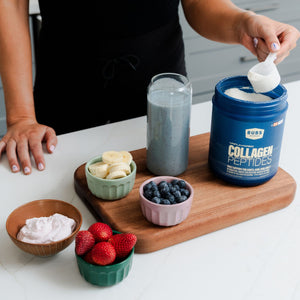
The best part about collagen support is how easily it fits into a busy life. Unlike some supplements that require specific timing or have a gritty texture, high-quality hydrolyzed collagen is virtually tasteless and dissolves easily in hot or cold liquids.
Practical Ways to Use It:
-
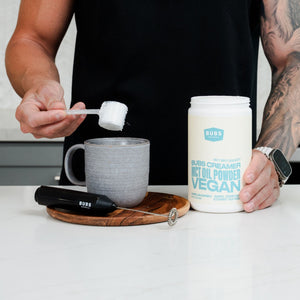
Morning Coffee: Most people simply stir a scoop into their first cup of coffee. It adds a bit of creaminess without changing the flavor.
-
Post-Workout Shake: Adding collagen to your protein shake ensures you're supporting both muscle growth and connective tissue repair.
-
Smoothies: It blends perfectly with fruits and greens for a nutrient-dense meal.
-
Oatmeal or Yogurt: You can stir it directly into food for an easy protein boost.
Consistency is more important than the time of day. Because collagen is a structural protein, the benefits accumulate over time as your body uses the amino acids to repair and rebuild. Most people find that staying consistent for 4 to 8 weeks is when they begin to notice the most significant differences in how they feel and move.
Realistic Expectations
It is important to remember that collagen support is not a "quick fix." It is a long-term investment in your physical structure. Results vary from person to person based on age, diet, and activity level. If you are already eating a very high-protein diet and have a great recovery routine, the changes might be subtle. If your body has been starved of these specific amino acids, the impact might be more noticeable.
Listen to your body. If you notice that your recovery feels a bit faster or your joints feel more fluid during your morning run, those are signs that your support routine is working.
Protecting the Collagen You Have
While adding collagen to your diet is helpful, it is equally important to protect the collagen you already have. You wouldn't pour water into a bucket with a hole in it; similarly, you shouldn't supplement collagen while ignoring habits that destroy it.
-
Wear Sunscreen: Protect your skin from UV rays that shred collagen fibers.
-
Manage Stress: Chronic stress leads to high cortisol, which can hinder the body's ability to produce new protein.
-
Stay Hydrated: Collagen needs water to maintain its structure and flexibility, and Hydrate or Die can help make that a habit.
-
Prioritize Sleep: Your fibroblasts (the cells that make collagen) do their best work while you're in deep sleep.
By combining these protective habits with targeted nutritional support, you create an environment where your body can thrive.
The BUBS Mission: More Than Just Supplements
Everything we do at BUBS Naturals is built on a foundation of purpose. Our brand was founded to honor the legacy of Glen "BUB" Doherty, a Navy SEAL and hero who lived his life with intensity and a commitment to helping others. We carry that spirit into every product we make, ensuring they are as clean and effective as possible.
We also believe in giving back. That is why we donate 10% of all profits to veteran-focused charities. When you choose to support your own health with our products, you are also helping to support those who have served. It’s wellness with a mission, and that’s something we take seriously.
Whether you're looking to support your joints for the next big adventure or simply want to feel more resilient in your daily life, collagen support is a practical, science-backed tool. By focusing on clean ingredients and a consistent routine, you can help your body maintain the strength and flexibility it needs for the long haul.
FAQ
How long does it take for collagen support to work?
While individual results vary, most people report noticing changes in skin hydration and joint comfort within 4 to 8 weeks of daily use. For deeper structural support, such as bone density or long-term joint health, it is best to view collagen as a permanent part of your wellness routine.
Is there a difference between bovine and marine collagen?
Bovine collagen is typically rich in Types I and III, which are excellent for skin, bones, and general connective tissue. Marine collagen is also high in Type I and often has slightly smaller particles, which some believe leads to even faster absorption. Both are effective; the choice often comes down to dietary preference.
Can I get enough collagen from food alone?
It is possible, but it requires eating things like bone broth, organ meats, and skin-on fish regularly. For many people with modern, active lifestyles, a clean supplement like our Collagen Peptides provides a much more convenient and consistent way to ensure you're getting the necessary amino acids every day.
Do I need to take collagen with food?
Collagen can be taken with or without food. Because hydrolyzed peptides are already broken down, they are very easy on the digestive system. However, taking it with a source of Vitamin C for collagen synthesis—either in a meal or a supplement—is highly recommended to maximize your body's ability to use the protein.