Table of Contents
- Introduction
- Understanding Collagen
- Powdered Collagen: An In-Depth Look
- Liquid Collagen: The Essentials
- Liquid vs. Powder: The Big Debate
- How Much Collagen Should We Take?
- Checking for Quality in Collagen Supplements
- FAQ
- Conclusion
Collagen has become a buzzword in the wellness industry, often hailed as a remedy for everything from aging skin to joint health. In fact, a staggering 9.1 billion USD was the value of the global collagen market last year, and it’s projected to grow at a compound annual growth rate of over 10% for the next seven years. But with all this excitement comes a crucial question: what is better, powder or liquid collagen?
As we navigate this landscape, we’ll explore the differences between collagen in these two popular forms, their potential benefits, and how to choose the right one for our unique lifestyles. By the end of this post, we’ll aim to clarify which form might suit your needs better, helping you make informed decisions on your wellness journey.
Introduction
Collagen is the most abundant protein in the human body, serving as a crucial building block for our skin, bones, muscles, and connective tissues. While our bodies naturally produce collagen, its production decreases with age, leading to wrinkles, joint pain, and other signs of aging. This leads many of us to consider collagen supplements as a potential solution.
The market offers various forms of collagen supplements, with powdered and liquid being the most common. Both options promise benefits, but they come with different characteristics, serving different needs and preferences.
In this blog post, we will delve into the specifics of powdered and liquid collagen, weighing their pros and cons, and ultimately answering the burning question: is liquid collagen better than powder? We’ll also touch on aspects like dosage, quality, and the importance of sourcing, all while keeping our mission at BUBS Naturals in focus: to provide clean, effective, and science-backed supplements that support your adventure-filled lives.
Let’s get started!
Understanding Collagen
What is Collagen?
Collagen is a structural protein that forms the framework for our skin, bones, muscles, tendons, and ligaments. It plays a vital role in maintaining skin elasticity and strength and in supporting the overall health of our joints and connective tissues. As we age, our body’s collagen production decreases, which is why many turn to supplements.
There are various types of collagen, with Type I, II, and III being the most prevalent in the human body:
-
Type I: Found in skin, tendons, and bones; it constitutes about 90% of the body’s collagen.
-
Type II: Primarily present in cartilage, providing joint support.
-
Type III: Found in skin and blood vessels, it works alongside Type I.
How Collagen Supplements Work
When we consume collagen through supplements, it is typically hydrolyzed, meaning it’s broken down into smaller peptides that are easier for our bodies to absorb. Both powdered and liquid collagen supplements are primarily made from animal sources, such as bovine, porcine, or marine sources.
Why Supplement with Collagen?
Many people turn to collagen supplements to support skin health, joint function, and overall well-being. Some potential benefits of collagen supplementation include:
- Improved skin hydration and elasticity
- Strengthened nails and hair
- Enhanced joint health and reduced discomfort
- Support for gut health
While these benefits are promising, it’s crucial to remember that the efficacy of collagen supplements can vary based on individual factors, including diet, lifestyle, and genetics.
Powdered Collagen: An In-Depth Look
What is Powdered Collagen?
Powdered collagen is typically a concentrated form of collagen protein that can be mixed into liquids like smoothies, coffee, or even baked goods. It is often favored for its versatility and higher collagen concentration per serving compared to liquid forms.
Benefits of Powdered Collagen
-
Higher Collagen Concentration: A single scoop of powdered collagen can provide 10-20 grams of collagen per serving, significantly more than many liquid forms.
-
Fewer Additives: Most powdered collagen is made with minimal ingredients, often just collagen itself, making it a cleaner option without added sugars or preservatives.
-
Cost-Effective: Generally, powdered collagen is less expensive per serving than liquid collagen, offering better value for those looking to maximize their intake.
-
Customization: We can easily adjust the dosage based on our needs by varying the amount we mix into our drinks or food.
Potential Drawbacks of Powdered Collagen
-
Mixing Required: Powdered collagen needs to be mixed with a liquid or food, which can be seen as an inconvenience for some.
-
Taste: Depending on the brand and formulation, some powdered collagens may have an unpleasant aftertaste, though many are flavorless or can be masked in drinks.
Liquid Collagen: The Essentials
What is Liquid Collagen?
Liquid collagen comes in ready-to-drink formats, often packaged in bottles or as shots. It is generally a mixture of hydrolyzed collagen peptides and other ingredients, such as flavorings or additional nutrients.
Benefits of Liquid Collagen
-
Convenience: Liquid collagen is often more convenient for on-the-go consumption, requiring no mixing or measuring.
-
Quick Absorption: Since it’s already in liquid form, it may be more rapidly absorbed by the body, which could be beneficial for those with digestive issues.
-
Variety: Many liquid collagen products are enhanced with additional vitamins, minerals, or flavors, making them a palatable option for those who prefer drinks.
Potential Drawbacks of Liquid Collagen
-
Lower Collagen Content: Liquid collagen often contains less collagen per serving (typically around 5-10 grams), which may require consuming multiple servings to match the intake from powdered forms.
-
More Additives: Many liquid collagen products contain added sugars, flavorings, or preservatives, which may not align with everyone’s dietary goals.
Liquid vs. Powder: The Big Debate
Absorption and Bioavailability
One of the most frequent claims made about liquid collagen is that it is absorbed better by the body than powdered forms. However, scientific evidence does not strongly support this claim. Both forms are hydrolyzed and broken down into smaller peptides, which are readily absorbed during digestion.
Cost and Value Considerations
When it comes to cost, powdered collagen typically provides more collagen per dollar compared to liquid options. If budget is a concern, powdered collagen might be the more economical choice. However, if convenience is a priority, liquid collagen could be worth the higher price.
Personal Preference
Ultimately, the best choice between powder and liquid collagen often comes down to personal preference. Do we prefer the convenience of a ready-to-drink format, or are we comfortable mixing powder into our favorite beverages?
How Much Collagen Should We Take?
The ideal dosage for collagen supplements can vary widely based on individual health goals. Most studies suggest a daily intake of 5-20 grams of collagen is effective for achieving desired benefits. When choosing between powdered and liquid forms, it’s essential to read labels and determine how much collagen each serving contains.
Checking for Quality in Collagen Supplements
Regardless of the form we choose, quality is paramount. At BUBS Naturals, we prioritize using clean, high-quality collagen sourced from reputable suppliers. Look for third-party certifications, such as NSF for Sport, to ensure that the product meets rigorous quality standards.
The 10% Rule: Giving Back
As we explore our options for wellness, it’s important to remember our mission at BUBS Naturals: to give back to our veterans. We pledge to donate 10% of our profits to veteran-focused charities in honor of Glen “BUB” Doherty’s legacy. By choosing our collagen products, you’re not only supporting your health but also contributing to a worthy cause.
FAQ
Is liquid collagen better than powder?
The answer depends on individual preferences and needs. Liquid collagen may be more convenient, while powdered collagen typically offers a higher concentration and better value.
How much collagen should I take daily?
Most research suggests a daily intake of 5-20 grams of collagen, but we should consult product labels for specific dosages, as concentrations can vary widely.
Are there any side effects to collagen supplements?
Collagen supplements are generally considered safe, with few reported side effects. However, we should always check for potential allergens and choose high-quality products.
Can vegans take collagen supplements?
Traditional collagen comes from animal sources, making it unsuitable for vegans. However, some plant-based supplements contain ingredients that support collagen production without containing collagen itself.
How do I know if my collagen supplement is high quality?
Look for third-party testing, certifications, and clear ingredient lists. Products from reputable brands like BUBS Naturals can help ensure you’re getting a quality supplement.
Conclusion
In the end, whether we choose powdered or liquid collagen depends on our lifestyle, preferences, and health goals. Both forms offer unique benefits that can support our wellness journeys, but understanding their differences allows us to make the best choice for our individual needs.
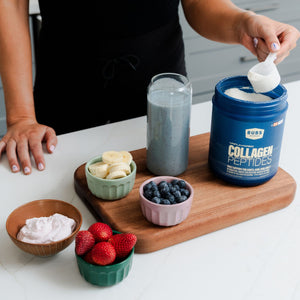
At BUBS Naturals, we’re committed to providing clean, effective, and science-backed supplements. Whether you’re choosing our Collagen Peptides or exploring our other wellness products, we’re here to support your journey towards adventure, wellness, and purpose, all while giving back to those who served.
Feel free to explore our full range of products and discover how we can help you feel your best, inside and out!