Table of Contents
- Introduction
- The Biological Importance of Collagen
- Direct Animal-Based Sources of Collagen
- The Supporting Cast: Nutrients for Collagen Synthesis
- Plant-Based Foods that Support Collagen
- Why Modern Diets Often Fall Short
- Lifestyle Factors That Impact Your Collagen
- How to Integrate Collagen Into Your Daily Routine
- The BUBS Naturals Commitment: Quality and Legacy
- Conclusion
- FAQ
Introduction
Did you know that starting in your mid-twenties, your body’s natural collagen production begins to drop by about 1% to 1.5% every single year? By the time you reach your 40th birthday, you may have already lost up to 25% of the structural framework that keeps your skin resilient and your joints moving smoothly. Collagen is the most abundant protein in the human body, acting as the "glue" that holds everything from your bones to your blood vessels together. However, despite its critical importance, modern dietary habits have largely moved away from the traditional, collagen-rich foods that our ancestors relied on for vitality.
At BUBS Naturals, we are driven by the legacy of Glen “BUB” Doherty—a Navy SEAL, adventurer, and humanitarian who lived a life of purpose and high performance. We believe that wellness should be approachable and grounded in clean, science-backed nutrition. Our mission is to provide you with the tools to live a life of adventure, whether that means hitting a new personal record in the gym or simply staying active with your family. Understanding what foods provide collagen is a fundamental step in supporting your body’s natural functions and ensuring you have the foundation necessary for an active lifestyle.
In this deep dive, we will explore the biological role of collagen, the specific animal-based sources that provide direct collagen, and the plant-based "co-factors" that help your body synthesize this essential protein. We will also examine why it is increasingly difficult to get sufficient collagen from the modern grocery store and how targeted supplementation with Collagen Peptides can bridge that gap. By the end of this article, you will have a comprehensive map of how to fuel your body for longevity and resilience.
We are committed to total transparency and quality. That is why we follow a strict "no-BS" approach to our ingredients and why we pledge 10% of our profits to veteran-focused charities. We aren't just here to sell supplements; we are here to help you build a lifestyle that honors your potential. Let’s look at how you can optimize your diet to support your collagen levels and keep your "engine" running at its best.
The Biological Importance of Collagen
To understand why we need to focus on collagen-providing foods, we first have to look at what collagen actually does. It isn't just a beauty buzzword for skincare; it is a structural protein composed of long chains of amino acids—primarily glycine, proline, and hydroxyproline. These chains twist into a triple helix structure that provides incredible tensile strength to various tissues.
There are at least 16 types of collagen, but about 80% to 90% of the collagen in your body consists of Types I, II, and III. Type I is found in skin, tendons, and bone; Type II is the primary component of cartilage; and Type III is found in muscles and blood vessels. Because these proteins are found in the "tougher" parts of the body, they require specific nutrients to build and maintain.
As we age, or as we subject our bodies to the rigors of intense training and outdoor adventure, our collagen stores face a double-edged sword: production slows down, and the rate of breakdown increases. This is why joint stiffness or longer recovery times often become more noticeable as the years pass. Supporting the body’s internal "collagen factory" involves two strategies: consuming direct sources of collagen and consuming the nutrients that facilitate collagen synthesis.
Direct Animal-Based Sources of Collagen
When people ask what foods provide collagen, the most accurate answer is animal connective tissues. Since collagen is an animal protein, it is found in the parts of the animal that we often discard in modern cooking. Our ancestors practiced "nose-to-tail" eating, consuming the skin, tendons, and ligaments of the animals they hunted or raised. Here are the primary dietary sources where collagen is found in its whole form.
Bone Broth: The Liquid Gold
Bone broth is perhaps the most famous collagen-providing food. By simmering animal bones (beef, chicken, or fish) for extended periods—often 12 to 24 hours—the collagen in the marrow and connective tissue breaks down into gelatin. Gelatin is simply cooked collagen, and it contains the exact amino acid profile your body needs to rebuild its own connective tissues.
The quality of bone broth matters immensely. We always recommend choosing bones from grass-fed or pasture-raised animals to ensure you aren't consuming concentrated toxins. While sipping bone broth is a fantastic habit, it can be time-consuming to prepare. This is where a high-quality, easy-mixing supplement like our Collagen Peptides comes in handy, providing the same benefits without the 24-hour kitchen commitment.
Fish and Shellfish
Fish collagen is primarily concentrated in the skin, scales, and bones. While most people prefer a clean fillet, the skin is where the collagen density lies. Marine collagen is specifically high in Type I collagen, which is highly prized for supporting skin elasticity and hydration. If you enjoy sardines or canned salmon with the bones included, you are getting a direct dose of collagen and calcium that supports skeletal integrity.
Chicken with the Skin On
Many modern diets suggest removing chicken skin to reduce fat, but from a collagen perspective, that skin is a goldmine. The connective tissue in chicken is particularly rich in Type II collagen, which is the variety most associated with joint health and cartilage support. When you roast a whole chicken, the juices that turn into a jelly-like substance in the fridge are pure gelatin—don’t throw those out! They are a concentrated source of the building blocks your body craves.
Organ Meats
While less popular in the modern Western diet, organ meats like heart and tripe are incredibly high in collagen. These "hard-working" muscles and connective tissues are dense with the amino acids glycine and proline. Incorporating organ meats into your diet once or twice a week is a traditional way to support systemic wellness.
The Supporting Cast: Nutrients for Collagen Synthesis
Eating collagen is only half of the equation. Your body doesn't just "shuttle" the collagen you eat directly to your skin or knees. Instead, it breaks those proteins down into amino acids and then rebuilds them where they are needed most. For this rebuilding process—called collagen synthesis—to occur, several key nutrients must be present.
Vitamin C: The Essential Catalyst
Without Vitamin C, your body cannot produce collagen. It acts as a co-factor for the enzymes that stabilize the collagen molecule's triple helix structure. Think of Vitamin C as the "welder" that joins the amino acid chains together. This is why we developed our Vitamin C supplement, which includes citrus bioflavonoids to support antioxidant activity and collagen formation. Foods like bell peppers, strawberries, citrus fruits, and broccoli are excellent dietary sources to pair with your collagen intake.
Copper and Zinc
These trace minerals play a vital role in the cross-linking of collagen fibers, which gives the tissue its strength and elasticity. Zinc is found in oysters, beef, and pumpkin seeds, while copper can be found in organ meats, lentils, and cashews. A deficiency in these minerals can lead to "weak" collagen, which may manifest as brittle nails or slow wound healing.
Amino Acids: Glycine, Proline, and Lysine
While your body can make some of these amino acids, the sheer volume of collagen in the body means we often don't produce enough to keep up with the demands of an active lifestyle. Glycine, in particular, makes up every third amino acid in a collagen chain. Egg whites are a fantastic source of proline, while lean meats and legumes provide lysine. To ensure you have an abundant supply, many athletes turn to our Collagen Peptides Collection to guarantee their amino acid pool is always topped off.
Plant-Based Foods that Support Collagen
It is a common misconception that plants contain collagen. They do not. Collagen is exclusively an animal-derived protein. However, a plant-heavy diet is essential for protecting the collagen you already have and providing the "raw materials" for your body to manufacture its own.
Leafy Greens
Chlorophyll, the pigment that gives plants their green color, has been shown in some studies to increase the precursor to collagen (procollagen) in the skin. Furthermore, leafy greens like spinach and kale are packed with antioxidants that protect the body from free radicals—unstable molecules that break down collagen fibers through a process called oxidative stress.
Berries and Anthocyanins
Blueberries, blackberries, and raspberries contain anthocyanins, which help strengthen the collagen fibers in the skin and blood vessels. These dark pigments are powerful antioxidants that prevent the enzymatic breakdown of collagen, helping you maintain what you’ve built.
Garlic and Sulfur
Garlic is rich in sulfur, a trace mineral that helps synthesize and prevent the breakdown of collagen. It also contains taurine and lipoic acid, which help rebuild collagen fibers that have been damaged over time. While you’d have to eat a lot of garlic to see a massive shift, it’s a great supporting player in a collagen-friendly diet.
Why Modern Diets Often Fall Short
If so many foods provide the building blocks for collagen, why is supplementation so popular? The answer lies in the shift toward convenience and "clean" cuts of meat. Most of us eat boneless, skinless chicken breasts and lean steaks. While these are great sources of protein for muscle building, they are notably low in the specific amino acids—glycine and proline—found in connective tissues.
This creates a "glycine gap." When we only eat muscle meat, we get high amounts of methionine, which is great, but without balancing it with glycine from collagen-rich sources, our bodies may struggle to maintain joint and skin health effectively. Furthermore, the modern lifestyle—high stress, environmental pollutants, and UV exposure—accelerates collagen degradation.
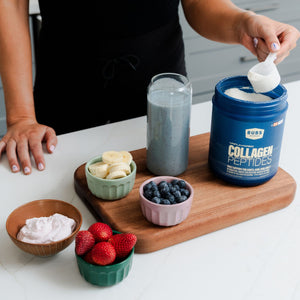
To combat this, we recommend a "One Scoop" philosophy. Adding a scoop of our Collagen Peptides to your daily routine ensures that you are getting the concentrated amino acids that are missing from the modern grocery aisle. It’s a simple, effective way to return to an ancestral way of fueling without having to boil bones for 24 hours.
Lifestyle Factors That Impact Your Collagen
You can eat all the bone broth in the world, but if your lifestyle is actively destroying your collagen, you’ll be fighting an uphill battle. At BUBS, we believe in a holistic approach to wellness. Here are a few things to keep in mind:
-
Hydration is Key: Collagen fibers require a hydrated environment to maintain their resilience. Dehydrated tissue is brittle tissue. To support your body’s fluid balance, consider our Hydration Collection. Products like Hydrate or Die - Lemon provide the electrolytes necessary to ensure that water actually makes it into your cells and tissues, supporting the structural integrity of your collagen.
-
Watch the Sugar: High sugar intake leads to a process called glycation. This is where sugar molecules attach to collagen proteins, creating "advanced glycation end products" (AGEs). These make collagen fibers stiff and malformed. Keeping your blood sugar stable is one of the best things you can do for your longevity. If you need a healthy way to manage cravings and support digestion, our Apple Cider Vinegar Gummies are a great addition to your daily ritual.
-
Sun Protection: UV rays are the number one external cause of collagen breakdown in the skin. Always wear protection when you're out on your adventures to prevent the sun from "cooking" your collagen fibers.
-
Support Your Brain and Body: A healthy metabolism supports healthy tissue. We love starting the day with a focused mind and a steady energy supply. Mixing our MCT Oil Creamer into your morning coffee provides healthy fats from coconut oil, which can help keep you satiated and mentally sharp as you tackle your day’s challenges.
How to Integrate Collagen Into Your Daily Routine
The best wellness habit is the one you actually stick to. We designed our products to be incredibly easy to use so they can fit into even the most demanding schedules. Whether you are a professional athlete or a weekend warrior, here is how you can stack your BUBS products for maximum benefit.
The Morning Ritual
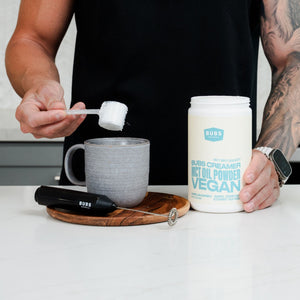
Many of our community members start their day with what we call the "BUBS Brew." It’s simple: a cup of high-quality coffee, one scoop of Collagen Peptides, and a scoop of our Butter MCT Oil Creamer. Because our collagen is hydrolyzed, it dissolves instantly in hot or cold liquids and is completely flavorless. This combination provides the protein your tissues need and the healthy fats your brain craves for a focused, productive morning.
Post-Workout Recovery
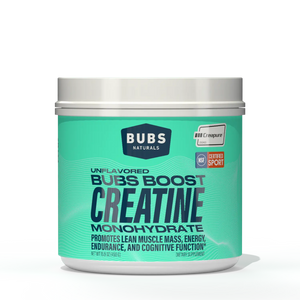
After a hard training session, your muscles and tendons are in a state of repair. This is the perfect time to support your recovery. Try mixing our Creatine Monohydrate with a serving of Hydrate or Die - Mixed Berry. While the creatine supports muscle power and strength, the electrolytes ensure you stay hydrated, and you can easily add another scoop of collagen to this mix to support the connective tissues that were taxed during your workout.
On-the-Go Wellness
Life is an adventure, and you aren't always in your kitchen. That’s why we offer our products in convenient travel formats. Our MCT Oil Creamer - 14 ct Travel Pack and our collagen travel sticks are perfect for throwing in a gym bag or a suitcase. No matter where you are, you can ensure your body has the "bricks and mortar" it needs to stay strong.
The BUBS Naturals Commitment: Quality and Legacy
When we talk about wellness, we talk about more than just physical health. We talk about the spirit of the individual. BUBS Naturals was founded to honor Glen “BUB” Doherty, who lost his life in Benghazi, Libya, in 2012. Glen was a man who lived life to the fullest, always seeking the next challenge and always looking out for his teammates.
This legacy is why we refuse to compromise on quality. Our Collagen Peptides are NSF for Sport certified, meaning they undergo rigorous third-party testing to ensure they are free from banned substances and meet the highest standards of purity. This is the gold standard for athletes who need to know exactly what they are putting in their bodies.
But our commitment goes beyond the product. Our "10% Rule" is at the heart of everything we do. We donate 10% of all profits to the Glen Doherty Memorial Foundation and other veteran-focused charities. When you choose BUBS, you aren't just supporting your own wellness; you are contributing to a legacy of service and sacrifice. It’s about feeling good and doing good.
Conclusion
Understanding what foods provide collagen is the first step in a lifelong journey toward resilience and vitality. While nature provides us with incredible sources like bone broth, wild-caught fish, and nutrient-dense organ meats, the reality of modern life often makes it difficult to get these essential amino acids in sufficient quantities. By combining a diet rich in "co-factors" like Vitamin C and zinc with a consistent, high-quality supplement routine, you can provide your body with the structural support it needs to thrive.
From your morning coffee with MCT Oil Creamer to your post-workout hydration with Hydrate or Die, every choice you make is an investment in your future self. Collagen is the foundation of that investment. It supports the joints that carry you up the mountain, the skin that protects you from the elements, and the recovery that allows you to wake up and do it all over again tomorrow.
We invite you to explore the science-backed ingredients and the clean, no-BS formulas in our Collagen Peptides Collection. Experience the difference that high-quality, pasture-raised collagen can make in your life. Join us in honoring Glen’s legacy by living your life with adventure, purpose, and peak wellness. One scoop. Feel the difference. Let’s get after it.
FAQ
Can I get enough collagen from a vegan or vegetarian diet?
Since collagen is exclusively an animal protein, there are no plant-based foods that contain it. However, vegans can support their body's internal collagen production by eating foods high in the "building blocks"—Vitamin C, zinc, copper, and amino acids like glycine and proline. Supplementing with a high-quality Vitamin C can be particularly helpful for those on a plant-based diet to ensure their body has the necessary catalysts for collagen synthesis.
What is the difference between collagen and gelatin in food?
Gelatin is simply collagen that has been cooked and partially broken down. You see this when bone broth cools and turns into a jelly-like substance. Collagen peptides, like those in our Collagen Peptides, are broken down even further through a process called hydrolysis. This makes the protein easier for your body to absorb and allows it to dissolve instantly in both hot and cold liquids without gelling.
How often should I eat collagen-rich foods or take a supplement?
Consistency is the key to seeing results with collagen. Because the body's collagen turnover is a slow, ongoing process, we recommend making it a daily habit. Whether you are sipping on bone broth or adding a scoop of our peptides to your morning coffee with MCT Oil Creamer, daily intake ensures a steady supply of amino acids for your connective tissues. Most people begin to notice a difference in their skin and joint comfort after 4 to 8 weeks of consistent use.
Does heat destroy the collagen in my food or supplements?
Collagen is a very stable protein. In fact, heat is what turns the tough collagen in animal tissues into digestible gelatin. You can safely mix our Collagen Peptides into hot coffee, teas, or even use it in baking recipes without losing the nutritional benefits. It is designed to be versatile so you can fit it into your lifestyle however you see fit.