Table of Contents
- Introduction
- What is Collagen?
- Types of Collagen Supplements
- How to Choose the Right Collagen Supplement
- How BUBS Naturals Can Help
- The Science Behind Collagen Supplements
- Lifestyle Considerations for Optimal Collagen Production
- Conclusion
- FAQ
Introduction
Have you ever wondered why collagen has become the darling of the wellness world? From skincare enthusiasts to fitness buffs, everyone seems to be talking about it. But amid all the buzz, it can be challenging to discern what collagen is, why it's essential, and—most importantly—what collagen supplement you should take to support your wellness journey.
Collagen is a protein that forms the structural foundation of our skin, bones, muscles, and connective tissues. As we age, our bodies naturally produce less collagen, leading to wrinkles, sagging skin, and joint discomfort. This decline can be accelerated by factors like sun exposure, poor diet, and lifestyle choices such as smoking or excessive alcohol consumption. As a result, collagen supplementation has soared in popularity, promising to restore youthfulness and vitality.
In this comprehensive guide, we’ll explore the various types of collagen, the science behind collagen supplementation, and how BUBS Naturals can fit into your wellness routine. By the end, you'll have a clearer understanding of what collagen supplement might be right for you and how to integrate it into your daily life.
What is Collagen?
Collagen is the most abundant protein in the human body, accounting for about 30% of our total protein content. It plays a crucial role in providing structure, strength, and elasticity to various tissues, including skin, bones, tendons, and ligaments. To understand the significance of collagen, let’s take a closer look at its types and functions.
Types of Collagen
There are at least 28 types of collagen, but the five primary types include:
-
Type I: This is the most common type, found in skin, bones, tendons, and ligaments. It's dense and provides strength.
-
Type II: Found primarily in elastic cartilage, Type II collagen supports joint health and flexibility.
-
Type III: This type is often found alongside Type I collagen in skin, muscles, and blood vessels, providing structural support.
-
Type IV: Located in the layers of your skin, this type forms a network that helps with filtration.
-
Type V: Found in hair, the placenta, and some layers of skin, this collagen type plays a role in cellular structures.
Each type of collagen has its unique functions and benefits, which is why understanding your specific needs is crucial when selecting a supplement.
Why Do We Need Collagen?
As we age, our body's natural collagen production begins to wane, typically starting around our late 20s and decreasing by about 1% per year. This decline can lead to visible signs of aging, such as wrinkles, sagging skin, and weakened joints. Additionally, factors like poor nutrition, smoking, and sun exposure can accelerate collagen loss.
To combat these effects, many people turn to collagen supplements. But with so many options available, how do we choose the right one?
Types of Collagen Supplements
When considering collagen supplements, it’s essential to know that they come in various forms and sources. The primary forms include:
1. Collagen Peptides
Collagen peptides are hydrolyzed collagen, meaning they have been broken down into smaller amino acid chains, making them easier for the body to absorb. This form is often available in powder, capsule, or liquid form and can be mixed into beverages or foods.
Benefits: Collagen peptides are known for supporting skin elasticity, hydration, and joint health. They are a popular choice for those looking to enhance their wellness routine.
2. Undenatured Collagen
This form, often referred to as Type II collagen, is typically sourced from chicken cartilage. Unlike collagen peptides, undenatured collagen is not broken down into smaller peptides and is thought to help replenish collagen in joints.
Benefits: Undenatured collagen may support joint health and reduce symptoms related to osteoarthritis.
3. Gelatin
Gelatin is a cooked form of collagen derived from animal bones and skin. It’s often used as a thickening agent in foods and can also be consumed in supplement form.
Benefits: While gelatin may provide some of the same benefits as collagen, its absorption is less efficient compared to collagen peptides.
How to Choose the Right Collagen Supplement
With various forms and sources of collagen, it’s important to consider your specific needs when choosing a supplement. Here are some factors to keep in mind:
1. Source
Collagen can be derived from various animal sources, including beef, chicken, fish, and even eggs. If you have dietary restrictions or preferences (like being vegan or vegetarian), it’s essential to choose a source that aligns with your lifestyle.
2. Type
Consider the type of collagen that best fits your goals. For skin benefits, Type I collagen (found in collagen peptides) may be more beneficial, while Type II collagen (found in undenatured collagen) is typically better for joint support.
3. Form
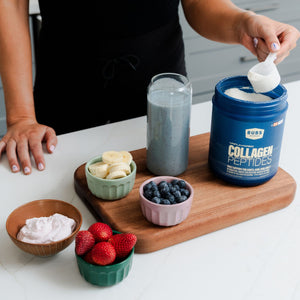
Choose a form that fits seamlessly into your daily routine. BUBS Naturals offers collagen peptides in powder form, which can be easily mixed into smoothies, coffee, or other foods—making it convenient for those with busy lifestyles.
4. Quality and Certifications
Look for products that have been third-party tested for purity and potency. Certifications such as NSF Certified for Sport can provide peace of mind regarding the quality of the product.
5. Additional Ingredients
Some collagen supplements may contain additional ingredients such as vitamins or minerals that support collagen synthesis, like Vitamin C. Evaluate whether these ingredients complement your wellness goals.
How BUBS Naturals Can Help
At BUBS Naturals, we believe in a life of adventure, wellness, and purpose. That’s why we offer Collagen Peptides sourced from grass-fed, pasture-raised cattle. Our collagen peptides are rigorously tested and NSF Certified for Sport, ensuring you receive a clean and effective product to support your wellness journey.
By incorporating our collagen peptides into your daily routine, you can enjoy the benefits of improved skin elasticity, hydration, and joint support—all while honoring the legacy of Glen "BUB" Doherty, as we donate 10% of our profits to veteran-focused charities.
The Science Behind Collagen Supplements
While the popularity of collagen supplementation has surged, the scientific evidence supporting its efficacy is still evolving. Many studies have shown promising results, particularly concerning skin health and joint support.
Skin Health
Research indicates that collagen supplementation can lead to improved skin hydration, elasticity, and reduced appearance of wrinkles. A systematic review of studies published in the International Journal of Dermatology found that participants who took collagen supplements experienced increased skin moisture and elasticity.
Joint Support
For joint health, some studies suggest that collagen supplementation may help alleviate symptoms of osteoarthritis and improve joint function. However, the quality of evidence varies, and more research is needed to establish definitive conclusions.
Nutritional Synergy
It’s worth noting that collagen works best when combined with other nutrients that support collagen synthesis. Vitamin C, zinc, and copper play essential roles in the body’s ability to produce collagen. Therefore, a well-rounded diet, alongside supplementation, can enhance the benefits you experience.
Lifestyle Considerations for Optimal Collagen Production
In addition to supplementation, there are several lifestyle choices we can make to support our body's collagen production:
1. Nutrition
Focus on a balanced diet rich in protein, fruits, and vegetables. Foods high in vitamin C, such as citrus fruits and leafy greens, can enhance collagen synthesis. Additionally, consuming amino acids found in animal proteins, beans, and nuts is vital for collagen production.
2. Hydration
Staying well-hydrated is crucial for maintaining skin elasticity and overall health. Aim to drink plenty of water throughout the day.
3. Protect Your Skin
Sun exposure can damage collagen and accelerate aging. Always use sunscreen when outdoors, and consider wearing protective clothing.
4. Avoid Smoking and Excessive Alcohol
Both smoking and excessive alcohol consumption can hinder collagen production and lead to premature aging.
Conclusion
Deciding on the right collagen supplement involves assessing your individual needs, preferences, and lifestyle. Whether you’re looking to improve your skin's appearance or support your joints, understanding the types of collagen and their benefits can guide your choice.
At BUBS Naturals, we’re dedicated to providing high-quality, effective products that seamlessly integrate into your wellness journey. By choosing our Collagen Peptides, you’re not only investing in your health but also supporting a mission that honors the legacy of Glen "BUB" Doherty.
As we continue to explore the science of collagen and its benefits, remember that a holistic approach—including a balanced diet, hydration, and protective lifestyle choices—will work in tandem with supplementation to optimize your collagen production and overall wellness.
FAQ
1. Can I get enough collagen from my diet?
While certain foods contain collagen, such as bone broth, your body primarily relies on amino acids from various protein sources to produce collagen. A balanced diet rich in protein, fruits, and vegetables is essential.
2. How often should I take collagen supplements?
For optimal results, consider taking collagen supplements daily. Many studies indicate benefits from doses ranging from 2.5 to 15 grams per day.
3. Are there any side effects of collagen supplements?
Collagen supplements are generally considered safe, with few reported side effects. However, if you have allergies to specific sources (like fish or shellfish), consult with a healthcare professional before use.
4. How long does it take to see results from collagen supplementation?
Results can vary depending on individual factors. Many users report noticeable improvements in skin and joint health within 4 to 12 weeks of consistent use.
5. Can I take collagen supplements if I am vegan?
Traditional collagen supplements are animal-derived. However, there are plant-based options that contain ingredients designed to support your body’s natural collagen production, such as vitamin C and amino acids.