Table of Contents
- Introduction
- What is Collagen and Why Does it Matter?
- The Different Types of Collagen Explained
- Choosing the Right Form: Peptides vs. Gelatin
- Goal-Based Selection: What Should You Take?
- How to Take Collagen for Maximum Results
- What to Look for on a Label
- Realistic Expectations and Timelines
- The BUBS Naturals Difference
- Conclusion
- FAQ
Introduction
You might notice it first in the mirror or during a morning run. Maybe your skin doesn't bounce back like it used to, or your knees feel a bit stiffer after a workout. These changes often link back to collagen, the most abundant protein in your body. It acts as the "glue" that holds your skin, bones, and joints together.
As we age, our natural production of this vital protein slows down. For women, this decline often accelerates during perimenopause and menopause. Choosing a supplement can feel overwhelming because the market is crowded with different types and forms. At BUBS Naturals, we focus on providing clean, effective options like Collagen Peptides that fit into a busy, active lifestyle.
This guide explains which types of collagen actually work for specific goals like skin elasticity, joint comfort, and muscle recovery. We will break down the science of collagen peptides and provide a clear plan for your routine. Our goal is to help you choose the right supplement based on evidence, not marketing hype.
Quick Answer: For most women, a hydrolyzed collagen peptide supplement containing Types I and III is the best choice. These types support skin hydration, hair strength, and gut health. If your primary goal is joint relief, look for Type II collagen or undenatured collagen. Aim for 5 to 15 grams daily for at least eight to twelve weeks to see results.
What is Collagen and Why Does it Matter?
Collagen is a complex protein that makes up roughly 30% of the total protein in your body. It provides the structural framework for your connective tissues. Think of it as a series of strong, flexible cables that reinforce your skin, tendons, and ligaments. These "cables" are made from specific amino acids, primarily proline, glycine, and hydroxyproline.
Your body builds these protein fibrils in a triple helix structure. To do this effectively, your system needs cofactors like Vitamin C, zinc, and copper. Without these helpers, your body struggles to knit those amino acids into strong fibers. This is why we often suggest pairing your protein intake with a high-quality Vitamin C supplement.
For women, collagen is particularly important because it supports the dermis, which is the middle layer of your skin. It helps new cells grow and replaces dead skin cells. It also provides the cushioning in your joints called cartilage. When levels are high, your skin looks plump and your movement feels fluid.
The Impact of Aging on Women
Natural production begins to dip as early as your mid-20s. Most people lose about 1% of their collagen every year. For women, the shift is more dramatic during the transition to menopause. Studies show that women can lose up to 30% of their skin’s collagen in the five years following menopause.
This decline shows up in several ways:
- Skin that appears thinner, drier, or more wrinkled.
- Stiffer tendons and ligaments that take longer to warm up.
- Joint discomfort or a "gritty" feeling in the knees and hips.
- Hollowing around the eyes or loss of volume in the face.
The Different Types of Collagen Explained
Scientists have identified at least 28 different types of collagen. However, the vast majority of your body is made up of just a few. When you shop for a supplement, you will usually see Type I, II, or III on the label. Understanding the difference is the first step in knowing what collagen should women take.
Type I: The All-Rounder
Type I is the most common form, accounting for about 90% of the collagen in your body. The fibers are densely packed. They provide structure to your skin, bones, tendons, and even your teeth. If you want to support skin elasticity or strengthen your nails, Type I is your primary target.
Type II: The Joint Specialist
This type is found primarily in elastic cartilage. It is the cushioning material that protects your joints. Supplements focusing on joint health often use Type II. It is less about beauty and more about mobility and reducing the "wear and tear" feel of active movement.
Type III: The Internal Support
Type III is usually found alongside Type I. it supports the structure of your muscles, organs, and large arteries. It is essential for gut health and the integrity of your blood vessels. Most high-quality bovine supplements, like our BUBS Naturals Collagen Peptides, combine Types I and III for comprehensive support.
| Collagen Type |
Primary Location |
Main Benefit for Women |
Best Source |
| Type I |
Skin, Bone, Tendons |
Skin elasticity, nail strength |
Bovine or Marine |
| Type II |
Cartilage, Joints |
Joint comfort and mobility |
Chicken sternum |
| Type III |
Muscles, Arteries |
Gut health and muscle support |
Bovine |
Key Takeaway: Types I and III are the "gold standard" for women interested in both aesthetic benefits and general physical structural support. Type II is a specialized addition for those specifically targeting joint issues or osteoarthritis.
Choosing the Right Form: Peptides vs. Gelatin
You cannot simply eat a piece of collagen and expect your body to use it immediately. The protein molecule is too large for your gut to absorb in its whole form. This is why the process of "hydrolysis" is so important.
Hydrolyzed collagen peptides are collagen molecules that have been broken down into very small chains of amino acids. These are called peptides. Because they are smaller, they are highly "bioavailable." This means your body can easily absorb them through the intestinal lining and send them into the bloodstream.
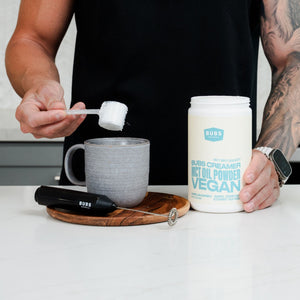
Gelatin is essentially collagen that has been partially cooked. It turns into a gel-like substance when mixed with hot water and cooled. While it has similar amino acids, it is harder to mix into cold drinks and takes longer to digest. Most women prefer peptides because they dissolve instantly in coffee, tea, or smoothies without changing the texture, which makes them easy to pair with MCT Oil Creamers.
Note: You may see "vegan collagen" on some shelves. It is important to know that actual collagen only comes from animal sources. Vegan products are usually "collagen boosters." They provide the vitamins and amino acids your body uses to make its own collagen, but they do not contain the protein itself.
Goal-Based Selection: What Should You Take?
The "best" collagen depends entirely on your personal wellness goals. Your body does not decide where the amino acids go based on a label, but providing the right types can influence the results.
For Skin Elasticity and Anti-Aging
If your main concern is fine lines, skin hydration, or hair thickness, look for a supplement rich in Type I and Type III peptides. Research suggests that taking 5 to 10 grams daily can improve skin hydration and elasticity over a 12-week period. Many women report that their skin feels less "thirsty" and looks more vibrant after consistent use.
For Joint Health and Recovery
Active women often face joint stress from running, lifting, or hiking. For this, you have two options. You can use a higher dose of Type I and III peptides (around 15 grams) to support the tendons and ligaments around the joint. Alternatively, you can look for undenatured Type II collagen. Small doses of Type II (around 40mg) may help reduce joint stiffness and improve range of motion by interacting with the immune system in the gut.
For Gut Health
The lining of your digestive tract is made of the same amino acids found in collagen. Specifically, glycine and glutamine help support the "tight junctions" in your gut. This can help with issues like bloating or sensitivity. Types I and III are excellent for this purpose.
Bottom line: Most women will benefit most from a versatile, unflavored Type I and III powder. It covers the widest range of benefits, from glowing skin to stronger connective tissues.
How to Take Collagen for Maximum Results
Consistency is more important than timing. You do not need to take your supplement at a specific hour to see a difference. However, how you take it can influence how well your body uses the nutrients.
Dosing Guidelines
-
For skin and hair: 5 to 10 grams per day.
-
For joint support and bone density: 10 to 15 grams per day.
-
For muscle recovery: 15 grams per day, ideally taken near your workout.
Key Takeaway: Most scoops in collagen tubs are roughly 10 grams. If you are very active or older, moving toward two scoops (20 grams) is often more effective for supporting muscle mass and bone mineral density.
The Role of Vitamin C
Your body cannot synthesize collagen without Vitamin C. It acts as a catalyst in the chemical reaction that links amino acids together. If you are deficient in Vitamin C, your collagen supplement won't be as effective. We recommend mixing your powder into a drink with citrus or taking a Vitamin C supplement at the same time.
Mixability and Routine
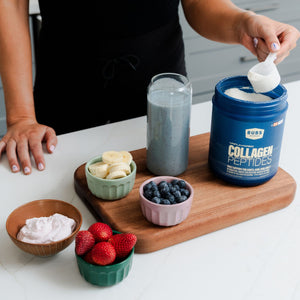
The best supplement is the one you actually take. Our Collagen Peptides are designed to be "no-clump." You can stir them into hot coffee, whisk them into a morning yogurt bowl, or shake them into a post-workout drink from the Electrolytes collection. Because they are unflavored, they won't ruin the taste of your favorite beverage.
Myth: You shouldn't put collagen in hot coffee because it "kills" the protein.
Fact: Collagen peptides are heat-stable. The temperatures of standard hot coffee or tea are not high enough to damage the amino acid chains. You can enjoy your collagen hot or cold without losing any benefits, and coffee lovers can explore the MCT Oil Creamers collection.
What to Look for on a Label
The supplement industry is not strictly regulated. This means you must be your own advocate when reading labels. A clean product should not have a long list of ingredients you can't pronounce.
-
Source Matters: Look for "Grass-Fed and Pasture-Raised" for bovine collagen. This ensures the animals were raised without unnecessary hormones or antibiotics. For marine collagen, look for wild-caught sources.
-
Third-Party Testing: This is critical. Look for certifications like NSF for Sport. This means a third-party lab has tested the product for purity and confirmed it contains no banned substances or hidden contaminants. We prioritize this testing because trust is the foundation of our brand.
-
Simple Ingredients: If the label has artificial sweeteners, colors, or "fillers," put it back. You want pure collagen. If it is flavored, make sure the flavor comes from natural sources.
-
No Proprietary Blends: The label should clearly state exactly how many grams of collagen you are getting per serving. Avoid brands that hide their dosages behind "beauty blends."
Realistic Expectations and Timelines
Collagen is not an overnight fix. It is a functional food that supports your body's natural processes. You need to give your system time to rebuild its internal structures.
-
Weeks 1–4: You likely won't see much change, though some people report better digestion or slightly more hydrated skin.
-
Weeks 4–8: This is when most women notice their nails growing faster and feeling stronger. Hair may feel slightly thicker at the roots.
-
Weeks 8–12: This is the "sweet spot" for skin and joints. Research consistently shows that skin elasticity and joint comfort improve most significantly after three months of daily use.
Important: If you stop taking it, your body will eventually return to its baseline production rate. To maintain the benefits, collagen should be a permanent part of your wellness routine.
The BUBS Naturals Difference
We believe that what you put in your body should be as clean as the life you lead. Our brand was born out of a desire to honor the legacy of Glen "BUB" Doherty—a Navy SEAL who lived a life of adventure and purpose. We carry that mission into every tub we produce through the BUBS story.
Our Collagen Peptides are sourced from grass-fed, pasture-raised cattle. They are hydrolyzed to ensure they mix effortlessly into any liquid, hot or cold. Most importantly, we are one of the few brands that ensure our products are NSF for Sport certified. This means athletes, veterans, and health-conscious women can trust exactly what they are drinking.
We also believe in a bigger purpose. We donate 10% of all our profits to veteran-focused charities through our giving back to veterans initiative. When you choose our products, you are supporting your own health and giving back to those who served.
Conclusion
Determining what collagen should women take comes down to your specific needs. For a comprehensive approach to aging, skin health, and recovery, a high-quality Type I and III hydrolyzed peptide powder is the most effective choice. It provides the building blocks your body needs to maintain its "scaffolding" as you age.
Remember these three pillars for success:
-
Choose Clean: Stick to grass-fed, third-party tested sources with no fillers.
-
Be Consistent: Take 10 to 20 grams daily for at least three months.
-
Add Vitamin C: Ensure your body has the cofactors it needs to build new fibers.
Taking care of your body is a long-term investment. Whether you are training for a marathon or simply want to feel more confident in your skin, the right collagen can be a powerful tool in your kit. Start with one scoop a day and feel the difference that high-quality, mission-driven nutrition can make.
FAQ
Can I take collagen if I am pregnant or breastfeeding?
Most women can safely take collagen while pregnant or nursing as it is a pure protein. However, you should always consult your healthcare provider before adding any new supplement to your routine during this time. Ensure the product you choose is free from heavy metals and artificial additives.
Is marine collagen better for women than bovine collagen?
Both sources provide Type I collagen, which is excellent for skin and hair. Marine collagen is often praised for having slightly smaller particles, but bovine collagen provides both Type I and Type III. The choice usually comes down to dietary preference or allergies; both are highly effective when hydrolyzed.
Will collagen help me lose weight?
Collagen is not a weight-loss supplement, but it is a high-quality protein. Protein is the most satiating macronutrient, meaning it helps you feel full for longer. Adding collagen to your morning routine may help reduce cravings and support a healthy metabolism as part of a balanced diet.
Does collagen cause breakouts or acne?
Pure collagen peptides are very unlikely to cause acne. In fact, by supporting skin health and hydration, many women find their complexion improves. If you experience breakouts, check your supplement's "other ingredients" for artificial sweeteners or fillers, which are more common culprits for skin irritation.
Bottom line: Choose a clean, hydrolyzed peptide powder and stay consistent to see the best results for your skin, joints, and overall vitality.