Table of Contents
- Introduction
- Understanding the Role of Collagen in the Human Body
- The Satiety Factor: How Collagen Helps Manage Hunger
- Protecting Lean Muscle Mass During Fat Loss
- Supporting Joint Health and Physical Activity
- The Skin Elasticity Connection: Avoiding the "Loose Skin" Effect
- Metabolism and Fat Storage: What the Science Says
- How to Integrate Collagen into Your Weight Loss Routine
- Quality Matters: The BUBS Naturals Difference
- The Synergy of a Holistic Approach
- Addressing the "Ozempic Face" Phenomenon
- Long-term Maintenance and the "BUB" Lifestyle
- Conclusion
- FAQ
Introduction
What if the most significant obstacle in your weight loss journey isn’t just the number on the scale, but how your body maintains its structural integrity as that number drops? We often focus strictly on calories in versus calories out, yet we overlook the biological framework that keeps our skin firm, our joints moving, and our muscles fueled. If you have ever wondered, "should you take collagen when losing weight," you are asking a question that touches on the very foundation of metabolic health and physical resilience.
At BUBS Naturals, we believe that wellness is an adventure that requires the best possible fuel. Our story began as a tribute to Glen “BUB” Doherty—a Navy SEAL, an adventurer, and a friend who lived a life of purpose. That legacy of excellence drives us to provide clean, high-quality supplements that support your most ambitious goals. As you embark on the path to a healthier weight, understanding the role of specific proteins like collagen becomes crucial. While many people associate collagen purely with beauty and anti-aging, its implications for body composition and satiety are rooted in emerging science.
In this deep dive, we will explore why collagen is a strategic addition to a weight management plan. We’ll look at how it influences your appetite, protects your hard-earned lean muscle mass, and addresses common concerns like skin elasticity and joint discomfort during increased physical activity. By the end of this article, you will understand the physiological mechanisms that make Collagen Peptides a vital companion for anyone looking to shed fat while maintaining a strong, vibrant body. Together, we’ll move beyond the surface-level trends to see how high-quality supplementation can serve as the bedrock of your wellness routine.
Understanding the Role of Collagen in the Human Body
To answer whether you should take collagen when losing weight, we first need to understand what this protein actually is. Collagen is the most abundant protein in the human body, accounting for roughly 30% of our total protein content. It acts as the "glue" that holds everything together, providing structure to our skin, bones, tendons, ligaments, and even our blood vessels.
There are at least 28 different types of collagen, but Types I and III are particularly relevant for those focusing on fitness and weight management. These types are the primary components of our connective tissues and skin. As we age—or as we subject our bodies to the stress of significant weight changes—our natural collagen production begins to taper off. This decline can start as early as our mid-20s, making external sources of high-quality collagen increasingly important.
When we talk about supplements, we are usually referring to hydrolyzed collagen, also known as collagen peptides. This is collagen that has been broken down into smaller, more easily absorbable amino acid chains. These peptides are rich in specific amino acids like glycine, proline, and hydroxyproline, which aren't found in high concentrations in other protein sources like whey or plant-based proteins. This unique amino acid profile is exactly why many people find that Collagen Peptides offer benefits that go far beyond what a standard protein powder provides.
The Satiety Factor: How Collagen Helps Manage Hunger
One of the greatest challenges of losing weight is the constant battle against hunger. When you are in a calorie deficit, your body naturally increases production of hunger hormones like ghrelin while decreasing satiety hormones. This is where protein consumption becomes your greatest ally. Protein is widely recognized as the most satiating macronutrient, and collagen is no exception.
Research suggests that collagen may be even more effective at promoting fullness than some other protein sources. In certain clinical observations, individuals consuming collagen reported a greater feeling of satisfaction after meals, which naturally led to a reduction in subsequent calorie intake. This "fullness factor" is essential because it helps you stick to your nutritional plan without feeling deprived.
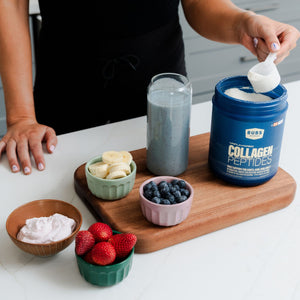
Think of it this way: when you add a scoop of Collagen Peptides to your morning coffee or a midday smoothie, you aren't just adding protein; you are sending a signal to your brain that you are nourished. This can prevent the mid-afternoon energy crashes and the subsequent cravings for sugary snacks. To further support this steady energy, many in our community pair their collagen with MCT Oil Creamer, which provides healthy fats from coconuts to fuel the brain and body without a sugar spike.
By managing hunger through high-quality protein, you make the process of losing weight feel less like a chore and more like a sustainable lifestyle change. Satiety isn't just about willpower; it's about biology.
Protecting Lean Muscle Mass During Fat Loss
When you lose weight, your body doesn’t just look at your fat stores; it also looks at your muscle tissue for energy. If you aren't careful, a significant portion of the weight you lose could be lean muscle mass. This is a problem because muscle is metabolically active—it burns more calories at rest than fat does. If you lose muscle, your basal metabolic rate (BMR) drops, making it harder to maintain your weight loss in the long run.
Taking collagen when losing weight can help preserve this critical lean tissue. Collagen is a key structural component of the "extracellular matrix" in our muscles. While it doesn't contain the full spectrum of branched-chain amino acids (BCAAs) found in something like whey, it provides the nitrogen balance necessary to protect connective tissues and muscle fibers during periods of caloric restriction.
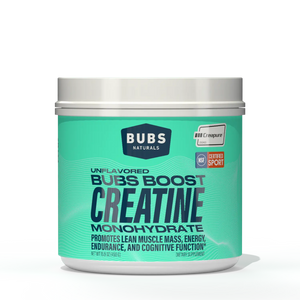
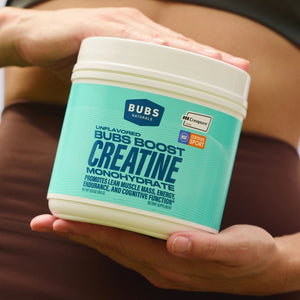
For those who are also incorporating resistance training into their weight loss plan—which we highly recommend—collagen plays an even bigger role. It supports the repair of the connective tissues that surround your muscles, allowing you to bounce back faster from tough workouts. If you’re pushing your limits in the gym, you might also consider adding Creatine Monohydrate to your routine. While collagen protects the structure, creatine supports the energy and power within the muscle cells themselves. Together, they create a formidable foundation for a lean, strong physique.
Supporting Joint Health and Physical Activity
You cannot talk about weight loss without talking about movement. Whether it’s hitting the trails for a hike, joining a local CrossFit box, or simply taking daily walks, physical activity is a non-negotiable part of the equation. However, carrying extra weight can put significant stress on your joints, particularly your knees, hips, and ankles. This discomfort can often be a barrier to exercise, creating a frustrating cycle where it hurts to move, so you move less, making it harder to lose weight.
This is another area where the answer to "should you take collagen when losing weight" is a resounding yes. Collagen is the primary protein in your cartilage, the slippery tissue that cushions your joints. Supplementing with Collagen Peptides has been shown to support joint comfort and function, potentially reducing the wear and tear associated with increased activity.
When your joints feel supported, you are more likely to stay consistent with your exercise. Consistency is the secret sauce of weight loss. To stay on top of your game during these workouts, hydration is also key. We recommend keeping a packet of Hydrate or Die – Lemon nearby. Proper electrolyte balance ensures that your muscles can contract and relax efficiently, while collagen works behind the scenes to keep the "hinges" of your body moving smoothly.
The Skin Elasticity Connection: Avoiding the "Loose Skin" Effect
One of the most common concerns for people undergoing a major weight loss transformation is the fear of loose skin. Our skin is an incredibly elastic organ, but its ability to "snap back" depends heavily on its internal structure—specifically its levels of collagen and elastin.
When you lose weight rapidly, or even gradually over time, the skin may struggle to adjust to your new body shape. This is especially true if your natural collagen production is already on the decline. By supplementing with Collagen Peptides, you provide your body with the building blocks it needs to maintain skin hydration and elasticity.
While collagen cannot completely prevent loose skin in cases of extreme weight loss, it can certainly support the skin’s natural resilience. Think of it as internal skincare. Instead of just applying creams to the surface, you are nourishing the deep layers of the dermis where collagen fibers are formed. This is also a great time to ensure you are getting enough Vitamin C, as this vitamin is a necessary cofactor for the body’s natural collagen synthesis. Without Vitamin C, your body cannot effectively turn those amino acids into the strong collagen fibers your skin needs.
Metabolism and Fat Storage: What the Science Says
Emerging research is beginning to explore the more direct links between collagen and fat metabolism. While we don't make claims that any supplement is a "fat burner," some animal and small-scale human studies have shown that collagen peptides might influence how the body stores and accumulates fat cells.
Some researchers believe that specific peptides found in collagen may alter the expression of genes involved in lipid (fat) metabolism. In some instances, subjects taking collagen showed a reduction in visceral fat mass—the "hidden" fat stored around internal organs—compared to control groups. While more human studies are needed to confirm these effects on a large scale, the preliminary data is very encouraging for those looking at collagen as a multi-functional weight loss tool.
Furthermore, collagen supports a healthy gut lining. A well-functioning digestive system is essential for proper nutrient absorption and metabolic health. If your gut is inflamed or compromised, your body may struggle to regulate weight effectively. For those focusing on digestive wellness as a part of their weight loss journey, adding Apple Cider Vinegar Gummies to your daily routine can be a great way to support overall digestive health alongside your collagen intake.
How to Integrate Collagen into Your Weight Loss Routine
One of the reasons we love collagen at BUBS Naturals is its sheer versatility. Unlike many other protein supplements that have a chalky texture or an overwhelming flavor, our Collagen Peptides are unflavored and dissolve instantly in both hot and cold liquids. This makes it incredibly easy to "hide" in the foods and drinks you already enjoy.
Here is a look at a typical day for an active individual focusing on wellness and weight management:
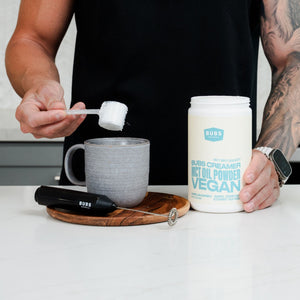
The Morning Ritual: Start your day by mixing one scoop of collagen and one scoop of Butter MCT Oil Creamer into your morning coffee. The collagen provides the structural support and protein your body needs, while the MCTs offer sustained energy and mental clarity to get you through your morning meetings or a fasted workout.
Midday Support: If you feel the afternoon "slump" coming on, reach for a glass of water mixed with Hydrate or Die – Mixed Berry. Staying hydrated is crucial for preventing false hunger signals, as the brain often confuses thirst for hunger.
Post-Workout Recovery: After a training session, your body is primed for nutrient absorption. This is the perfect time for a smoothie with another scoop of collagen to support joint and muscle repair. This is also when many of our athletes take their Creatine Monohydrate to replenish ATP stores and support muscle growth.
By making collagen a consistent part of your daily rhythm, you ensure that your body always has the necessary resources to repair, rebuild, and stay satisfied.
Quality Matters: The BUBS Naturals Difference
When you decide to take collagen when losing weight, the quality of the product you choose is paramount. Not all collagen is created equal. Many products on the market are filled with additives, artificial sweeteners, or come from questionable sources.
At BUBS Naturals, we take a "no-BS" approach. Our Collagen Peptides are sourced from grass-fed, pasture-raised cattle. They are NSF for Sport certified, which is the gold standard for purity and safety in the supplement industry. This certification ensures that what is on the label is exactly what is in the tub—no banned substances, no heavy metals, and no hidden fillers.
But our commitment goes beyond just clean ingredients. We are a mission-driven company. Every time you purchase a BUBS product, you are contributing to our 10% Rule. We donate 10% of all our profits to veteran-focused charities, specifically the Glen Doherty Memorial Foundation. This foundation helps special operations veterans and their families transition to civilian life through education and professional grants. When you choose BUBS, you aren't just investing in your own health; you’re honoring the legacy of a hero and helping others find their next mission.
The Synergy of a Holistic Approach
Losing weight is rarely about one single thing. It is a symphony of choices—what you eat, how you move, how you sleep, and how you manage stress. Supplementation should be seen as a way to enhance and support these choices, not replace them.
Collagen works best when it is part of a high-protein, nutrient-dense diet. It works even better when paired with other foundational supplements that address different aspects of wellness. For example, maintaining a healthy immune system is vital because being sick can derail your progress. Integrating Vitamin C and Apple Cider Vinegar Gummies into your daily routine helps keep your internal systems running smoothly so you can stay focused on your goals.
Furthermore, don't underestimate the power of hydration. We offer a Hydrate or Die – Bundle because we know that performance depends on fluid balance. When your cells are hydrated, your metabolism functions more efficiently, your skin looks better, and your energy levels remain stable.
Addressing the "Ozempic Face" Phenomenon
In recent years, the rise of GLP-1 medications like Ozempic for weight loss has brought a new term into the public consciousness: "Ozempic face." This refers to the gaunt or hollowed appearance that can occur when a person loses weight very rapidly, particularly in the facial area where fat loss can make skin look saggy and aged.
While these medications are powerful tools for weight management under medical supervision, they emphasize the need for structural support. Rapid weight loss can outpace the skin's ability to adjust. This is exactly where should you take collagen when losing weight becomes a critical question. By providing the body with a consistent supply of Collagen Peptides, you are giving your skin the best possible chance to maintain its thickness and bounce, even as the fat beneath it disappears.
It is about losing the weight while keeping your glow. We want you to feel strong and healthy, not just smaller. Combining collagen with a diet rich in whole foods and proper hydration is the best way to support your appearance and your vitality throughout a significant weight loss transformation.
Long-term Maintenance and the "BUB" Lifestyle
Weight loss is the first step, but weight maintenance is the lifelong adventure. The habits you build during the "losing" phase are the ones that will carry you through the rest of your life. We encourage you to adopt the BUBS lifestyle—one rooted in adventure, wellness, and giving back.
Glen Doherty didn't just work out to look a certain way; he worked out so he could be ready for whatever adventure life threw his way. Whether it was skiing, surfing, or serving his country, he lived with an intensity and a passion that we strive to emulate. When you take Collagen Peptides and other BUBS Naturals products, you are fueling that same spirit within yourself.
Losing weight shouldn't mean feeling fragile or hungry. It should mean feeling more capable, more energetic, and more ready for the next challenge. Collagen is a tool that helps you stay in the game longer, recover faster, and feel better in your own skin every single day.
Conclusion
So, should you take collagen when losing weight? When we look at the evidence, the benefits are clear. From promoting the satiety that helps you stick to your plan, to protecting the lean muscle mass that keeps your metabolism firing, to supporting the skin and joints that bear the weight of your transformation, collagen is a powerhouse supplement. It is an investment in your body's structural future.
Losing weight is a journey that requires discipline, but it shouldn't be a journey of deprivation. By integrating high-quality, clean supplements like our Collagen Peptides into your daily routine, you are setting yourself up for long-term success. You are giving your body the "glue" it needs to stay strong while you become the best version of yourself.
As you move forward, remember that every scoop of BUBS Naturals is a step toward your own wellness and a contribution to the legacy of a hero. We invite you to explore the full Collagen Peptides Collection and see how it fits into your life. Whether you are looking for the 20 oz tub for your kitchen counter or the 20 ct Travel Pack for your next adventure, we have you covered.
Stay active, stay hydrated, and stay focused on your purpose. We’re here to support you every step of the way. One scoop. Feel the difference. Let’s make this journey count.
FAQ
Does collagen contain all the amino acids I need for muscle growth?
Collagen is a fantastic source of protein, particularly high in glycine, proline, and hydroxyproline, which are essential for connective tissue and skin health. However, it is considered an "incomplete" protein because it lacks tryptophan and is low in some other essential amino acids. For maximum muscle growth support, we recommend using Collagen Peptides alongside a diet that includes a variety of other protein sources, or pairing it with Creatine Monohydrate to specifically support muscle performance and recovery.
How long does it take to see the benefits of taking collagen while losing weight?
Consistency is key when it comes to collagen. While the satiety benefits can often be felt within the first few days, the structural benefits for skin elasticity and joint health typically take longer to manifest. Most clinical studies show significant results after 8 to 12 weeks of daily supplementation. For the best experience, we suggest making our Collagen Peptides a non-negotiable part of your daily routine, just like your morning coffee.
Can I take collagen if I am practicing intermittent fasting?
A single scoop of Collagen Peptides contains about 10 grams of protein and roughly 40-45 calories. Strictly speaking, any calories will "break" a fast. However, many people who practice intermittent fasting for weight loss find that the benefits of satiety and muscle protection outweigh the small caloric intake. If you are fasting for metabolic health, you might prefer to take your collagen during your feeding window. If you are looking for "fasted" energy without the protein, our MCT Oil Creamer is another popular choice for keto and fasting enthusiasts, though it also contains calories.
Is it safe to take collagen every day?
Yes, collagen is a naturally occurring protein that is widely considered safe for daily consumption. At BUBS Naturals, we ensure our Collagen Peptides are rigorously tested for purity and quality, being NSF for Sport certified. This means you can feel confident taking it every single day as part of your long-term wellness strategy. As always, if you have specific medical conditions or concerns, it is a good idea to consult with your healthcare provider before starting any new supplement regimen.