Table of Contents
- Introduction
- Understanding the Body’s Scaffolding
- The Natural Cycle of Production and Loss
- Can I Take Collagen Without a Doctor?
- The Science of Hydrolysis and Absorption
- The Importance of Third-Party Purity
- Designing a Daily Ritual for Wellness
- Beyond Skin: Supporting Joints and Bones
- Maximizing Results with Nutrient Synergy
- The BUBS Naturals Mission: Wellness with Purpose
- A Balanced Approach to Supplementation
- Conclusion
- FAQ
Introduction
Did you know that starting around the age of 20, your body’s natural ability to produce its most abundant protein begins to decline by about one percent every single year? It is a quiet, internal shift that most of us don’t notice until we reach our thirties or forties, when the mirror begins to reflect fine lines or our knees start to protest during a morning run. This protein, known as collagen, acts as the biological "glue" that holds our bodies together, providing structure to everything from our skin and hair to our bones and tendons. As the wellness industry continues to explode, collagen supplements have moved from the niche shelves of health food stores to the mainstream morning routines of millions. Yet, with this rise in popularity comes a fundamental question for many health-conscious individuals: can I take collagen without doctor supervision?
The purpose of this blog post is to provide you with a deep, science-backed exploration of collagen supplementation. We want to help you understand what collagen actually is, why your levels drop, and how you can safely and effectively integrate it into your lifestyle. By the end of this article, you will have a clear understanding of the safety profile of collagen, the nuances of choosing a high-quality product, and the specific scenarios where a professional consultation is truly necessary. We’ll also cover how to maximize the benefits of collagen through diet and other complementary supplements, ensuring you have a holistic view of your wellness journey.
At BUBS Naturals, we are driven by a commitment to transparency, quality, and the legacy of our friend Glen “BUB” Doherty. We believe in providing you with "no-BS" information so you can make empowered decisions about your health. Whether you are an elite athlete looking for joint support or someone simply wanting to maintain a youthful glow, understanding the framework of your body is the first step. We’re going to dive into the molecular structure of collagen, the importance of third-party testing, and how our Collagen Peptides are designed to fit seamlessly into your active life. Together, let’s explore the science of staying strong, supple, and adventurous.
Understanding the Body’s Scaffolding
To answer whether you can take collagen without a doctor, we first need to understand the vital role this protein plays. Collagen is not just a trendy ingredient; it is a complex structural protein that makes up approximately one-third of all protein in the human body. Think of it as the scaffolding of a building. Without a sturdy frame, the walls sag, the floors creak, and the overall integrity of the structure is compromised. In the human body, this framework is composed of 28 known types of collagen, though Types I, II, and III are the most prevalent.
Type I collagen is the heavy hitter, accounting for about 90% of your body's total collagen. It is found in skin, bones, tendons, and ligaments. Type III is often found alongside Type I and is a major component of our organs and skin. These proteins are made of long chains of amino acids—specifically glycine, proline, and hydroxyproline—wound together in a tight "triple helix" structure. This unique configuration gives collagen its incredible tensile strength. For perspective, certain types of collagen fibers are pound-for-pound stronger than steel.
In our younger years, cells called fibroblasts are incredibly efficient at churning out new collagen to replace what is worn down through daily activity. This is why children have such elastic skin and why young athletes seem to bounce back from injuries so quickly. However, as we age, the fibroblasts become less active, and the collagen we do have becomes fragmented and disorganized. This isn't just about aesthetics; it affects the cushioning in our joints and the density of our bones. By understanding that collagen is a fundamental biological requirement, we can see why so many people look toward the Collagen Peptides Collection to help bridge the gap as they get older.
The Natural Cycle of Production and Loss
While the one percent annual decline is the baseline for most adults, several external factors can accelerate this process, making the question of supplementation even more relevant. Our lifestyle choices act as either accelerators or brakes on the degradation of our internal scaffolding. Understanding these "collagen killers" is essential for anyone considering a supplement.
The most significant external factor is ultraviolet (UV) radiation from the sun. UV rays penetrate deep into the dermis, where they break down collagen fibers and cause an abnormal buildup of elastin. This process, known as photoaging, leads to wrinkles and a loss of skin elasticity. Smoking is another major culprit; the toxins in cigarette smoke damage both collagen and elastin, while also constricting blood vessels, which deprives the skin of the oxygen and nutrients it needs to repair itself.
Dietary habits also play a massive role. A diet high in added sugars and ultra-processed foods can lead to the formation of Advanced Glycation End-products (AGEs). These molecules are formed when sugar in the bloodstream attaches to proteins like collagen, making them stiff and brittle. Chronic stress and lack of sleep can also elevate cortisol levels, which has been shown to impede the body’s ability to synthesize new proteins.
Because our modern environments are often filled with these stressors, many of us find ourselves in a "collagen deficit." This is where a high-quality supplement can serve as a supportive tool. When we look at the big picture, the goal of taking Collagen Peptides is to provide the body with the specific raw materials it needs to support its natural maintenance processes. By reducing the "drain" from lifestyle factors and increasing the "fill" through nutrition and supplementation, we can support the body's natural resilience.
Can I Take Collagen Without a Doctor?
The short answer for most healthy adults is yes, you can typically take collagen without a doctor’s prescription or formal consultation. Collagen is classified as a dietary supplement, not a drug. Because it is essentially a food-derived protein, the body generally recognizes it and processes it just as it would the protein from a steak or a piece of salmon. Unlike some fat-soluble vitamins (like A or D) which can build up to toxic levels in the body, or potent herbal stimulants that can affect heart rate, collagen has a very high safety profile.
However, "safe" doesn't mean "unregulated" or "one-size-fits-all." While you may not need a doctor’s permission to start, there are specific contexts where professional advice is paramount. For instance, if you have a pre-existing medical condition such as chronic kidney disease, your protein intake must be carefully monitored. Because collagen is a concentrated source of protein, it’s vital to ensure it doesn’t place undue stress on the kidneys. Similarly, individuals with a history of gout or those prone to calcium-oxalate kidney stones should discuss supplementation with their physician, as certain amino acids can influence these conditions.
Another factor to consider is potential medication interactions. While rare, some studies suggest that very high protein intakes might interfere with the absorption of certain blood pressure medications or blood thinners like warfarin. If you are on a complex medication regimen, a quick conversation with your primary care provider or a registered dietitian is always a smart move. For the average individual looking to support their general wellness, skin, and joints, starting a regimen with the Collagen Peptides Collection is widely considered safe and beneficial. The key is to listen to your body and start with the recommended serving sizes.
The Science of Hydrolysis and Absorption
One of the reasons many people feel comfortable taking collagen without a doctor is the way modern supplements are processed. You might see the words "hydrolyzed" or "peptides" on our labels. These aren't just buzzwords; they describe the science that makes our products effective and easy for your body to use.
In its natural state, collagen is a very large, tough molecule. Think of it like a long, thick rope. If you were to eat a piece of raw animal hide (not recommended!), your body would have a very difficult time breaking down that "rope" into pieces small enough to be absorbed into the bloodstream. Hydrolysis is a process where water and enzymes are used to "snip" those long protein chains into much smaller fragments called peptides.
These Collagen Peptides are highly bioavailable. This means that once you ingest them, they can easily pass through the intestinal wall and enter your circulation. Once in the bloodstream, these peptides act as both the building blocks and the messengers. They provide the amino acids (glycine, proline, and hydroxyproline) that your body needs to build new collagen, and they may also signal your fibroblasts to ramp up their natural production.
This ease of absorption is why many people see results in their hair, skin, and nails after consistent use. Because the protein is already "pre-digested," it is also very gentle on the stomach. Unlike some bulky protein powders that can cause bloating or gas, our hydrolyzed peptides dissolve instantly in hot or cold liquids. This makes them an incredibly low-barrier addition to your daily routine, whether you're mixing them into your morning coffee or a post-workout shake with Hydrate or Die - Lemon.
The Importance of Third-Party Purity
While you don't necessarily need a doctor to approve your collagen, you do need to be your own advocate when it comes to quality. Because the FDA does not regulate supplements with the same rigor as pharmaceuticals, the market is unfortunately flooded with products that may contain heavy metals, fillers, or lower-than-advertised protein counts. This is where the risk lies, rather than in the collagen itself.
At BUBS Naturals, we take a "no-BS" approach to purity. We believe that if you’re putting something into your body every day, you should know exactly what it is and where it came from. This is why our Collagen Peptides are sourced from grass-fed, pasture-raised cattle. But we don't just stop at high-quality sourcing; we subject our products to rigorous third-party testing.
Our collagen is NSF for Sport certified. This is the gold standard in the supplement industry. It means that the product has been tested to ensure it contains exactly what is on the label and—crucially for athletes—that it is free from over 280 banned substances. It also ensures that the product is free from harmful levels of contaminants like lead, mercury, and arsenic. When you choose an NSF-certified product, you are essentially getting the peace of mind that a doctor would want for you. You are ensuring that your wellness routine is supporting your health, not adding a toxic burden to your system.
Designing a Daily Ritual for Wellness
Consistency is the secret ingredient to any successful supplement routine. Because collagen works by supporting the body’s natural repair and maintenance cycles, it is not a "one-and-done" solution. It requires a steady supply of amino acids over weeks and months to see tangible changes in skin elasticity or joint comfort.
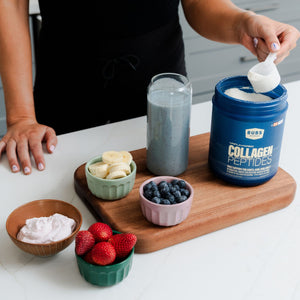
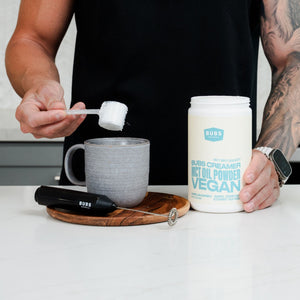
A great way to ensure you never miss a day is to anchor your collagen intake to an existing habit. For many of our community members, this means the morning coffee ritual. By adding a scoop of Collagen Peptides to your mug, you’re getting 20 grams of high-quality protein before your day even truly begins. To take it a step further, many of us also add a scoop of MCT Oil Creamer. This combination provides both the structural support of collagen and the sustained, clean mental energy of medium-chain triglycerides. It’s a "power couple" for your morning routine that supports both your body and your brain.
Alternatively, if you’re someone who hits the gym hard, you might consider making collagen part of your recovery. While collagen isn't a complete protein for muscle building (it lacks tryptophan), it is exceptional for supporting the connective tissues—tendons and ligaments—that take a beating during heavy lifting or endurance sports. Mixing your collagen with Hydrate or Die - Mixed Berry after a session can help you rehydrate while giving your joints the support they need to bounce back for tomorrow’s adventure.
Beyond Skin: Supporting Joints and Bones
When people ask "can I take collagen without doctor approval," they are often focused on the cosmetic benefits, like fewer wrinkles or stronger nails. However, the internal benefits are arguably even more significant for long-term wellness and mobility. Collagen is a primary component of cartilage, the rubbery tissue that cushions your joints. As we age and collagen production slows, that cartilage can thin, leading to the "creaky" feeling many of us associate with getting older.
Clinical research has shown that supplementing with hydrolyzed collagen can support joint comfort and function. It does this by stimulating the body's own chondrocytes (the cells that maintain cartilage) to produce more extracellular matrix. For those who live an active, high-impact lifestyle—whether that’s trail running, CrossFit, or simply chasing kids around the yard—maintaining joint health is the key to longevity.
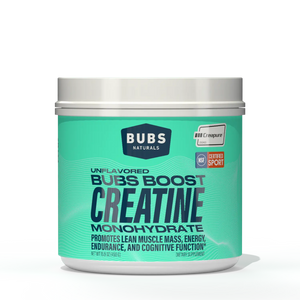
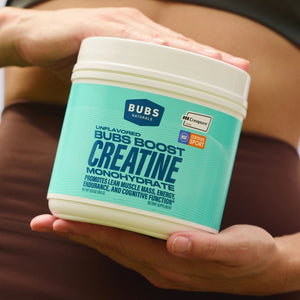
Furthermore, collagen is essential for bone health. While we often think of bones as being made primarily of calcium, they are actually a matrix of collagen fibers reinforced with minerals. This collagen provides the "flex" that prevents bones from being too brittle. As we lose collagen, bone mineral density can also decrease. Supporting your body with the Collagen Peptides Collection is a proactive way to maintain the structural integrity of your entire skeletal system. If you are already taking steps to support your strength, such as using Creatine Monohydrate to support muscle power, adding collagen is a logical next step to protect the framework that those muscles pull on.
Maximizing Results with Nutrient Synergy
Supplementation doesn't happen in a vacuum. Your body is a complex biological machine that requires various "co-factors" to perform its tasks. For collagen synthesis, the most important co-factor is Vitamin C. You can think of Vitamin C as the project manager on a construction site; without it, the workers (amino acids) can’t properly assemble the collagen fibers.
If you are deficient in Vitamin C, your body simply cannot produce collagen effectively, no matter how much supplemental collagen you take. This is why we recommend ensuring your diet is rich in citrus, berries, and leafy greens. For those who want to be certain they’re hitting their targets, our Vitamin C supplement is designed to support antioxidant activity and proper collagen formation. By combining these two, you are giving your body the best possible chance to utilize the peptides you are ingesting.
Another helpful addition to a wellness routine is supporting your gut health. A healthy digestive system ensures that you are effectively breaking down and absorbing all your nutrients. Many people find that a daily habit of Apple Cider Vinegar Gummies helps support digestive wellness, creating an optimal environment for your supplements to do their work. When you approach your health from multiple angles—protein support, vitamin co-factors, and digestive health—the results are often far more profound than taking any single product in isolation.
The BUBS Naturals Mission: Wellness with Purpose
At BUBS Naturals, we believe that wellness is about more than just how you look or even how you feel—it’s about how you live and what you give back. Our brand was founded in honor of Glen “BUB” Doherty, a Navy SEAL, adventurer, and hero who lost his life in Benghazi, Libya, in 2012. Glen lived his life to the fullest, always seeking the next challenge while helping those around him. We created BUBS to carry that spirit forward.
This is why we have our "10% Rule." We donate 10% of all our profits to veteran-focused charities, including the Glen Doherty Memorial Foundation. When you choose to support your own health with our Collagen Peptides, you are also contributing to a larger mission of supporting those who have served. This sense of purpose is baked into every tub and travel pack we sell.
We apply that same level of dedication to our product formulations. We don’t use artificial sweeteners, flavors, or "mystery" ingredients. We focus on clean, functional, science-backed supplements that actually work. Our "No BS" philosophy means that we provide the information you need to make the right choice for your lifestyle. We know that you have many options when it comes to your health, and we are honored to be a part of your journey toward a life of adventure and wellness.
A Balanced Approach to Supplementation
As we have explored throughout this guide, the decision to start taking collagen is largely one you can make for yourself, provided you are a generally healthy adult and you choose a high-quality, tested product. While you can take collagen without a doctor, the most effective approach is a holistic one. Supplementation should never be a replacement for a balanced diet, adequate sleep, and proper sun protection. Instead, it should be the "sidekick" that enhances the hard work you’re already doing.
Think of your health as a bank account. Your daily habits—eating whole foods, staying hydrated with Hydrate or Die - Bundle, and getting enough rest—are your deposits. Stress, aging, and environmental toxins are your withdrawals. Taking Collagen Peptides is a way to ensure you always have a surplus, providing your body with the extra resources it needs to stay resilient against the "withdrawals" of life.
If you ever feel unsure or if you fall into one of the categories we discussed—pregnancy, nursing, chronic illness, or complex medication use—then by all means, have that conversation with your doctor. A good healthcare provider will appreciate your proactive interest in your nutrition and can help you tailor your regimen to your specific biological needs. For the rest of us, the path is clear: prioritize quality, stay consistent, and keep moving toward the next adventure.
Conclusion
Taking control of your wellness is one of the most empowering things you can do. We’ve seen that collagen is far more than just a beauty supplement; it is a foundational protein that supports the very structure of our lives. From the elasticity of our skin to the strength of our joints and bones, collagen is the silent partner in every move we make. While the natural decline in production is inevitable, how we respond to that decline is entirely within our control.
So, can you take collagen without a doctor? For the vast majority of people, the answer is a resounding yes. By choosing a product like BUBS Naturals Collagen Peptides, you are choosing a supplement that is rigorously tested, ethically sourced, and designed for maximum absorption. You are giving your body the clean, simple, and effective tools it needs to maintain its "scaffolding" as you age.
We encourage you to look at your daily routine and see where you can make small, impactful changes. Whether it’s swapping your standard creamer for our MCT Oil Creamer or making a daily commitment to your collagen intake, these choices add up. Remember our mission and the legacy of Glen “BUB” Doherty: live with purpose, stay curious, and never stop seeking the best version of yourself. Explore our full Collagen Peptides Collection today and feel the difference that high-quality, purposeful nutrition can make in your life.
FAQ
1. Is it safe to take collagen every day without a break?
Yes, taking collagen daily is generally considered safe and is actually the most effective way to see results. Because collagen is a protein your body uses for ongoing structural maintenance, a consistent daily supply of amino acids ensures that your fibroblasts have the raw materials they need at all times. Most people find that the benefits for skin, hair, and joints become most noticeable after 60 to 90 days of consistent use with a product like our Collagen Peptides.
2. Can collagen supplements cause any side effects?
Collagen is generally very well-tolerated. Because hydrolyzed peptides are broken down into smaller pieces, they are typically easier on the digestive system than other protein sources. However, some individuals who are new to collagen may experience mild bloating or a feeling of fullness if they start with a full serving immediately. We recommend starting with a half-scoop to see how your body adjusts. Also, ensure you are choosing a clean product like ours to avoid any reactions to artificial fillers or additives.
3. Do I need to take Vitamin C with my collagen for it to work?
While you don’t necessarily have to take them at the exact same moment, Vitamin C is a mandatory co-factor for the body to synthesize collagen. If your diet is low in Vitamin C, your body will struggle to turn those supplemental amino acids into new collagen fibers. This is why we suggest pairing your collagen routine with our Vitamin C supplement or ensuring your meals include plenty of fresh fruits and vegetables.
4. Can I take collagen if I am pregnant or breastfeeding?
Many women find collagen to be a helpful source of protein during and after pregnancy to support skin elasticity and joint health. However, because pregnancy and nursing are unique physiological states, we always recommend that you consult with your OB-GYN or healthcare provider before adding any new supplement to your routine. They can help you determine the appropriate dosage and ensure it fits within your overall prenatal health plan.