Table of Contents
- Introduction
- Understanding Collagen: The Body’s Structural Foundation
- Why Our Collagen Levels Decline
- Is Collagen Intake Good for Health? Exploring the Benefits
- How Your Body Processes Ingested Collagen
- The Different Types of Collagen
- Food Sources vs. Supplementation
- How to Incorporate Collagen Into Your Routine
- The BUBS Approach: Quality and Purpose
- Conclusion
- FAQ
Introduction
Whether you are hitting the trails, grinding through a heavy lifting session, or simply noticing the subtle changes that come with passing years, you have likely heard the buzz about collagen. It is often touted as a miracle for skin and joints, but behind the marketing lies a fundamental biological truth: collagen is the glue that holds your body together. As the most abundant protein in the human body, it provides the structural framework for your skin, bones, muscles, and connective tissues.
At BUBS Naturals, we take a no-nonsense approach to wellness. We believe that if you understand how your body works, you can make better decisions about what you put into it. The question of whether collagen intake is good for health is not just about vanity or aesthetics; it is about maintaining the integrity of your physical "hardware" so you can keep moving, exploring, and living a high-performance life.
This guide explores the science of how the body produces collagen, how it functions within your systems, and the evidence-backed benefits of adding it to your daily routine. We will look at why our natural levels drop, how to identify quality supplements, and how this simple protein supports everything from your joints to your gut lining.
Quick Answer: Yes, collagen intake is generally considered good for health because it provides essential amino acids—specifically glycine, proline, and hydroxyproline—that support skin elasticity, joint integrity, and bone density. While your body produces its own collagen, supplemental intake can help offset the natural decline that begins in your 20s.
Understanding Collagen: The Body’s Structural Foundation
To understand why collagen matters, you first need to understand what it actually does. Collagen is a structural protein, meaning its primary job is to create a framework. Unlike "functional" proteins like hemoglobin, which carries oxygen, or enzymes that catalyze reactions, collagen provides strength and elasticity.
Think of collagen as the "scaffolding" of your body. It is found in your dermis (the middle layer of skin), your tendons, ligaments, cartilage, and even your blood vessels. Approximately one-third of all protein in your body is collagen. It is unique because it is made of three chains of amino acids wound together in a "triple helix" structure. This shape gives it incredible tensile strength, allowing tissues to stretch without tearing.
The Building Blocks of Collagen
Your body does not simply absorb a collagen molecule and send it straight to your skin. Instead, when you consume collagen—whether from food or supplements—your digestive system breaks it down into its constituent amino acids. The most important ones for collagen synthesis are:
-
Glycine: This is the smallest amino acid and makes up about one-third of the collagen molecule. It is essential for metabolic health and supports the central nervous system.
-
Proline: This amino acid accounts for about 15% of collagen and is vital for skin health and wound healing.
-
Hydroxyproline: This is a modified version of proline that helps stabilize the triple helix structure. It is rarely found in other proteins, making collagen a unique source.
When these building blocks are present, along with cofactors like Vitamin C and zinc, your body can effectively "manufacture" new collagen fibers to repair and maintain your tissues.
Key Takeaway: Collagen is a specialized protein that acts as a structural scaffold. It is uniquely rich in specific amino acids that the body uses to maintain the strength and elasticity of connective tissues.
Why Our Collagen Levels Decline
If our bodies make collagen naturally, why should we care about extra intake? The reality is that our internal collagen factory begins to slow down much sooner than most people realize. Starting in your early 20s, your body’s natural collagen production decreases by about 1% every year.
By the time you hit 40, you are likely producing significantly less collagen than you did in your teens. For women, this decline accelerates even more during and after menopause. This loss of structural integrity is what leads to common signs of aging, such as thinner skin, stiffer joints, and more brittle bones.
External Factors That Damage Collagen
While age is the primary driver, your lifestyle choices can either preserve your existing collagen or speed up its destruction. Several factors act as "collagen killers":
-
UV Exposure: Ultraviolet rays from the sun break down collagen fibers in the skin through a process called oxidative stress. This is why sun-damaged skin often looks leathery and wrinkled.
-
High Sugar Intake: When you eat too much sugar, it can attach to proteins in your blood to form harmful molecules called Advanced Glycation End-products (AGEs). These molecules make collagen fibers weak and brittle.
-
Smoking: Tobacco use reduces the delivery of oxygen and nutrients to the skin and directly inhibits the production of new collagen.
-
Chronic Stress: High levels of cortisol can break down collagen in the skin and other tissues over time.
Because these factors are often a part of modern life, focusing on collagen intake is a proactive way to support your body's resilience.
Is Collagen Intake Good for Health? Exploring the Benefits
When people ask if collagen intake is good for health, they are usually looking for specific improvements in how they look or feel. Research has identified several key areas where increasing your collagen levels can make a noticeable difference.
1. Supporting Skin Hydration and Elasticity
The skin is the largest organ in the body, and collagen makes up about 75% to 80% of its dry weight. As collagen levels drop, the skin loses its ability to hold moisture and stay firm. Numerous clinical studies have shown that consistent collagen supplementation can lead to measurable improvements in skin hydration and elasticity.
By providing the body with the specific amino acids needed for the dermis, you support the "bounce" of your skin. Many users report that their skin feels smoother and looks more "plump" after several weeks of daily intake. It is not about a quick fix for wrinkles; it is about supporting the underlying health of the skin tissue.
2. Joint Health and Mobility
If you are active, your joints take a beating. Cartilage, the rubbery tissue that cushions your joints, is largely made of Type II collagen. When this cartilage wears down, you experience the stiffness and discomfort often associated with "getting older" or overtraining.
Research suggests that collagen intake can help support joint function by stimulating the production of new cartilage cells (chondrocytes), and How Collagen Can Support Your Joints and Recovery This Spring goes deeper on the recovery side. For people dealing with activity-related joint pain or more chronic conditions like osteoarthritis, daily collagen can act as a supportive tool for mobility. It helps keep the joints "greased" and resilient against impact.
3. Bone Density and Strength
We often think of bones as being made mostly of calcium, but they are actually a matrix of collagen fibers hardened by minerals. Collagen provides the framework that gives bones their flexibility. Without it, bones become brittle and more likely to fracture.
Some studies indicate that taking collagen peptides may help increase bone mineral density, particularly in postmenopausal women. By strengthening the collagen matrix, you provide a better foundation for minerals like calcium and phosphorus to bind to, supporting long-term skeletal health.
4. Muscle Mass and Training Recovery
While collagen is not a complete protein—meaning it doesn't contain all nine essential amino acids—it is very high in glycine and arginine. These amino acids are involved in the synthesis of creatine in the body.
While it should not replace your primary protein sources like meat or whey for building massive muscle, collagen can support muscle mass maintenance, especially in older adults. Furthermore, because collagen supports the tendons and ligaments that connect muscles to bones, it is essential for overall training longevity. Healthy connective tissue means you can train harder and recover faster without the nagging "tweaks" that often sideline athletes.
Key Takeaway: The health benefits of collagen are systemic. It supports the hydration of the skin, the resilience of the joints, the density of the bones, and the structural integrity of the muscles and tendons.
How Your Body Processes Ingested Collagen
A common point of confusion is how our bodies actually use the collagen we eat. You might hear people say that "eating collagen doesn't mean it goes to your skin." While it is true that your body decides where to send nutrients based on its greatest needs, the process is more nuanced than a simple "yes" or "no."
Hydrolyzed Collagen Peptides
When you see the term "hydrolyzed collagen" or "collagen peptides," it means the protein has been broken down into very small chains of amino acids. In its raw form, collagen is a large, tough molecule that is difficult for the body to digest. Hydrolysis uses enzymes to "pre-digest" the protein.
These small peptides are highly bioavailable. This means they are easily absorbed through the gut lining and enter the bloodstream. Once in the blood, these peptides can act as signaling molecules. They "tell" your cells (like fibroblasts in the skin or chondrocytes in the joints) that it is time to start building new collagen.
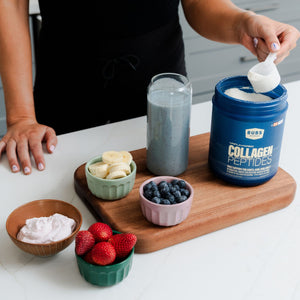
Our Collagen Peptides are designed with this exact process in mind. By providing grass-fed, pasture-raised Type I and Type III collagen in a hydrolyzed form, we ensure that your body can actually use what you are giving it. It mixes easily into hot or cold liquids, making it a simple addition to a daily routine that supports your internal recovery systems.
Myth: Taking collagen is a waste because your stomach acid just destroys it.
Fact: While stomach acid does break down proteins, hydrolyzed collagen is already broken into peptides that are specifically designed for absorption. These peptides are then used as building blocks and signals for your body to produce its own collagen.
The Different Types of Collagen
Not all collagen is the same. While there are at least 28 known types, most of the collagen in your body (about 90%) falls into three categories:
-
Type I: This is the most common type and is found in skin, tendons, bones, and ligaments. If you are looking for skin health and bone strength, Type I is the priority.
-
Type II: This type is found primarily in cartilage. It is the key to joint cushioning.
-
Type III: Often found alongside Type I, this type supports the structure of muscles, organs, and large arteries. It is especially important for gut health and cardiovascular integrity.
Most high-quality bovine collagen supplements, like ours, focus on Type I and Type III. These offer the most diverse range of benefits for the average active adult.
Food Sources vs. Supplementation
Can you get enough collagen from your diet alone? Technically, yes—if you are willing to eat the parts of animals that most modern Westerners avoid.
Traditional Food Sources
-
Bone Broth: Simmering bones and connective tissue for 24+ hours extracts collagen and minerals.
-
Fish Skin: Marine collagen is high in Type I and is found mostly in the skin and scales.
-
Organ Meats: Parts like the heart and tripe are naturally collagen-dense.
-
Chicken Feet/Wings: These are rich in connective tissue and Type II collagen.
The challenge with food sources is consistency and convenience. Most people do not have the time to brew bone broth every day or the desire to eat fish skin at every meal. If you want a deeper breakdown of those options, Where Does Collagen Come From in Food and How to Use It walks through them. This is where supplementation becomes a practical tool. A single scoop of a high-quality powder provides a concentrated dose of the specific peptides your body needs without the extra calories or preparation time.
The Role of Vitamin C
Your body cannot actually build new collagen fibers without Vitamin C. It acts as the "glue" that binds the amino acid chains together into the triple helix structure. If you are deficient in Vitamin C, your collagen production will stall, regardless of how much protein you eat. To support this process, our Boosts collection includes Vitamin C and other targeted supplements that can help optimize the natural formation of collagen within your body.
How to Incorporate Collagen Into Your Routine
If you decide that collagen intake is good for health and fits your goals, the next step is consistency. Collagen is not a "one and done" supplement; the benefits accumulate over time as your body repairs its tissues.
Recommended Dosage
Most clinical research points to a daily dose of 10 to 20 grams. This is typically one to two scoops of a standard collagen powder.
- For skin hydration: 2.5g to 5g daily may be sufficient.
- For joint and bone health: 10g to 15g is often recommended.
- For muscle support and recovery: Up to 20g daily.
Timing and Mixing
There is no "perfect" time to take collagen, but many people find it easiest to anchor it to an existing habit.
-
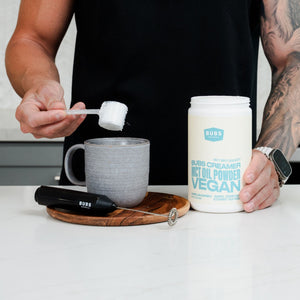
Morning Coffee: High-quality peptides are heat-stable, meaning they won't lose their benefits in hot coffee. They also mix without clumping or changing the flavor.
-
Post-Workout Shake: Adding collagen to your protein shake can support the tendons and ligaments stressed during your session.
-
Nighttime Tea: Some people find the glycine in collagen helps promote a sense of calm before bed.
Who Should Take Collagen?
While almost anyone can benefit from a structural protein boost, it is especially useful for:
-
Athletes and Outdoor Enthusiasts: To protect joints and speed up recovery of connective tissues.
-
Aging Adults: To combat the natural decline in skin elasticity and bone density.
-
People with Gut Issues: Glycine and glutamine (found in collagen) may support the integrity of the intestinal lining.
-
Those with Brittle Hair or Nails: While the evidence is still growing, many people report faster growth and less breakage.
The BUBS Approach: Quality and Purpose
When we talk about whether collagen is good for health, we have to talk about the quality of the source. Many supplements on the market contain fillers, artificial sweeteners, or come from low-quality animal sources that may be exposed to heavy metals or hormones.
We keep it simple. Our Collagen Peptides are single-ingredient, grass-fed, and pasture-raised. For a closer look at our standards, The Gold Standard: What is the Number One Collagen to Take? breaks down why we take quality seriously. We ensure they are third-party tested and NSF for Sport certified. This means athletes and professionals can trust that there is no "BS" in the tub—just the clean, functional protein your body needs.
But our mission goes beyond just the ingredients. We were founded to honor the legacy of Glen "BUB" Doherty, a Navy SEAL who lived a life of adventure, fitness, and service. We believe in doing things the right way, which is why we don't just sell products; we give back.
Bottom line: Collagen is a safe, effective, and science-backed supplement that supports the structural health of your body. When taken consistently and combined with a healthy lifestyle, it can help you maintain your mobility and appearance as you age.
Conclusion
Understanding if collagen intake is good for health comes down to recognizing that your body is a biological machine that requires specific parts to function correctly. As we age, those parts begin to wear down, and our ability to replace them diminishes. By providing a clean, bioavailable source of collagen peptides, you are essentially giving your body the raw materials it needs to maintain its structural integrity.
Whether your goal is to keep your joints moving smoothly on the trail, support your skin’s resilience against the elements, or ensure your bones remain strong for decades to come, collagen is a foundational tool. It is not about vanity—it is about longevity and the ability to keep doing what you love.
In honor of Glen "BUB" Doherty, our About Bubs page shares the legacy behind the mission. We are committed to helping you live a life full of purpose and adventure. That is why we donate 10% of all our profits to veteran-focused charities. When you choose to support your health with our products, you are also supporting a larger mission of service and remembrance.
"The best way to honor a legacy is to live your own life with as much passion and strength as possible." — The BUBS Team
Next Step: If you are ready to support your body's structural health, try adding one scoop of our Collagen Club to your morning routine for 30 days. Consistency is key—give your body the time it needs to rebuild and feel the difference.
FAQ
1. Is it safe to take collagen every day?
Yes, taking collagen daily is considered safe for most people. Clinical studies have shown that daily doses ranging from 2.5 to 15 grams are safe for long-term use. Since collagen is a natural protein found in the body, it is well-tolerated, though you should always listen to your body and consult with a healthcare provider if you have specific medical conditions or protein restrictions.
2. How long does it take to see results from collagen?
Results vary depending on the individual and the goal, but most research suggests a timeframe of 4 to 12 weeks of consistent use. Skin hydration and nail strength are often noticed first (within 4-8 weeks), while joint support and bone density benefits typically take longer (12 weeks or more). It is important to stay consistent with your daily scoop to allow your tissues time to turn over and rebuild.
3. Can I get enough collagen from eating meat and eggs?
While meat and eggs are excellent sources of protein and provide many amino acids, they are not naturally high in the specific amino acids found in collagen, such as hydroxyproline. Traditional collagen-rich foods like bone broth, skin-on fish, and organ meats are less common in modern diets. Supplementing with hydrolyzed peptides ensures you get a concentrated, easily absorbed dose of the specific building blocks your connective tissues require.
4. Does collagen help with weight loss?
Collagen is not a weight-loss supplement, but it can support your goals by increasing satiety. Like any protein, collagen helps you feel full longer, which may reduce the urge to snack between meals. Because it supports muscle mass maintenance and joint health, it also makes it easier to stay active and consistent with your exercise routine, which is the most important factor in long-term weight management.