Table of Contents
- Introduction
- What Exactly Is Collagen Hydrolysate?
- Why Your Body Needs Collagen Support
- The Unique Amino Acid Profile of Collagen
- Benefits for Joint Health and Mobility
- Supporting Skin Elasticity and Hydration
- Bone Density and Strength
- Muscle Recovery and Connective Tissue
- How to Use Collagen Hydrolysate Effectively
- Choosing a High-Quality Supplement
- Lifestyle Habits That Protect Your Collagen
- Who Should Consider Collagen Hydrolysate?
- The BUBS Mission: Purpose Beyond the Product
- Conclusion
- FAQ
Introduction
You may have noticed that as the years go by, your recovery from a hard workout takes a little longer. Maybe your joints feel stiffer in the morning, or you’ve seen changes in the resilience of your skin. These shifts are often tied to the natural decline of collagen, the primary structural protein in your body. Collagen acts as the biological glue that holds your skin, bones, tendons, and ligaments together.
When you ask if collagen hydrolysate is good for you, you are looking for more than a simple "yes." You want to know how this specific form of protein works and whether it actually makes a difference in your daily life. At BUBS Naturals, we focus on providing clean, effective tools that support an active and purposeful lifestyle. We believe that understanding the science behind your supplements is the first step toward better performance and long-term health.
This article explores what hydrolyzed collagen is, how it differs from other forms of protein, and what the current research says about its benefits for your joints, skin, and bones. We will also cover how to integrate it into your routine to get the most out of every scoop.
Quick Answer: Yes, collagen hydrolysate is generally considered good for you as a highly bioavailable protein source. Research suggests it may support skin elasticity, joint comfort, and bone mineral density, making it a valuable tool for recovery and healthy aging.
What Exactly Is Collagen Hydrolysate?
To understand if collagen hydrolysate is good for you, it helps to understand what the word "hydrolysate" actually means. Collagen in its raw form—like what you find in animal hides or tough cuts of meat—is a massive, complex molecule. It is shaped like a triple helix, consisting of three long chains of amino acids tightly wound together. This structure is incredibly strong, which is great for your tendons but difficult for your digestive system to break down and absorb.
Hydrolysis is the process of using water and enzymes to break these long, heavy protein chains into smaller pieces called peptides. When you see a product labeled as collagen hydrolysate or hydrolyzed collagen, it means the protein has already been "pre-digested" into shorter chains of amino acids.
These smaller peptides have a much lower molecular weight than the original collagen. This change is critical because it makes the supplement highly bioavailable. Bioavailability refers to how well your body can absorb and use a substance. Because the peptides are small, they can pass through the intestinal wall and enter the bloodstream more efficiently than intact proteins. Once in your system, they serve as the building blocks your body needs to repair and maintain connective tissues.
Why Your Body Needs Collagen Support
Collagen is the most abundant protein in your body, making up about 30% of your total protein content. It is everywhere: in your skin, your bones, the lining of your gut, and the cartilage that cushions your joints. However, your body’s ability to produce its own collagen starts to drop off relatively early in life.
Most experts agree that internal collagen production begins to slow down in your mid-20s. By the time you reach 40, you may be losing about 1% of your collagen every year. For women, this decline can accelerate significantly during and after menopause. This loss isn't just about wrinkles on the surface. Internally, the collagen fibers that keep your joints flexible and your bones strong begin to thin and become less organized.
External factors can also speed up this process. Excessive sun exposure, a diet high in refined sugars, smoking, and chronic stress all contribute to the breakdown of existing collagen. This is why many people look to collagen hydrolysate as a way to provide the body with the specific amino acids it needs to keep up with the demands of an active life.
Key Takeaway: Collagen hydrolysate is simply collagen that has been broken down into smaller peptides. This process makes it easier for your body to absorb and use, helping to counteract the natural decline in collagen production that begins in early adulthood.
The Unique Amino Acid Profile of Collagen
One reason collagen is so effective for connective tissue is its specific amino acid profile. Most protein sources, like whey or plant proteins, are valued for their complete range of essential amino acids used for muscle building. Collagen is different. It is exceptionally high in three specific amino acids: glycine, proline, and hydroxyproline.
-
Glycine: This is the smallest amino acid, but it does heavy lifting. It makes up about one-third of the collagen molecule. Glycine is essential for the health of your DNA, your brain, and your metabolic function.
-
Proline: This amino acid plays a major role in skin health and wound healing. It helps your body respond to the mechanical stress placed on your joints.
-
Hydroxyproline: This is unique to collagen. It helps stabilize the triple helix structure of the protein, giving your tissues their strength and resilience.
While you can get these amino acids from other protein sources, collagen hydrolysate provides them in a concentrated, easy-to-digest form. This "targeted nutrition" is why many athletes and active adults prefer it over standard protein powders when focusing on joint and skin health.
Benefits for Joint Health and Mobility
One of the most common reasons people turn to collagen hydrolysate is to support joint health. If you are a runner, a lifter, or someone who spends a lot of time on your feet, your joints take a constant beating. Over time, the cartilage that protects your bones can wear thin, leading to stiffness and discomfort.
Research has shown promising results for those using collagen peptides to manage joint issues. In one study, athletes who took 10 grams of collagen peptides daily reported significant improvements in joint comfort during activity and at rest. Another area of focus is osteoarthritis, a condition where joint cartilage degenerates. Clinical trials suggest that regular collagen supplementation may help reduce the pain and stiffness associated with this condition.
How does it work? When you consume collagen peptides, they don't just "turn into" cartilage. Instead, they appear to signal your body’s own cells—called chondrocytes—to produce more of the extracellular matrix that makes up cartilage. By providing the raw materials and the biological signal, collagen hydrolysate helps your body maintain the cushioning your joints need to move freely.
Bottom line: Regular intake of collagen hydrolysate may support joint comfort and flexibility by encouraging the body to maintain and repair cartilage tissue.
Supporting Skin Elasticity and Hydration
The most visible sign of collagen loss is in the skin. As the collagen matrix in the dermis (the middle layer of skin) weakens, skin loses its "snap" and begins to sag or form wrinkles. Most topical creams that claim to contain collagen are ineffective because the collagen molecules are too large to penetrate the skin’s surface.
Taking collagen hydrolysate orally is a different story. Because the peptides are absorbed into the bloodstream, they can reach the deeper layers of the skin where topical treatments cannot. Once there, they stimulate fibroblasts, which are the cells responsible for producing collagen and elastin.
Multiple studies have found that consistent use of 2.5 to 10 grams of collagen peptides for 90 days leads to measurable improvements in skin hydration and elasticity. Many participants in these studies also noted a reduction in the depth of fine lines. While it isn’t a "miracle" that works overnight, the internal approach provides the foundational support that skin needs to look and feel resilient.
Bone Density and Strength
We often think of bones as being made primarily of calcium, but they are actually about one-third collagen. If you think of your bone as a building, the minerals like calcium and phosphorus are the bricks, and collagen is the mortar that holds them together. Collagen provides the flexibility that prevents bones from being brittle.
As we age, bone mineral density tends to decrease, increasing the risk of fractures. This is a significant concern for postmenopausal women and older adults. A year-long study of postmenopausal women with low bone density showed that taking 5 grams of collagen peptides daily significantly increased bone mineral density in the spine and upper thigh.
By supporting the collagen matrix within the bone, you are creating a stronger framework for minerals to latch onto. This dual approach—getting enough minerals and supporting the protein structure—is a more holistic way to look at long-term bone health.
Myth: Collagen supplements are just a more expensive version of gelatin.
Fact: While they share an amino acid profile, gelatin only dissolves in hot water and turns into a gel when cooled. Collagen hydrolysate (peptides) is processed further to dissolve in both hot and cold liquids without thickening, making it much easier to use daily.
Muscle Recovery and Connective Tissue
While collagen is not a substitute for a high-leucine protein like whey when it comes to building large amounts of muscle, it plays a vital role in recovery. Your muscles are wrapped in connective tissue, and your tendons—which attach muscle to bone—are made almost entirely of collagen.
Heavy training sessions can cause micro-tears not just in the muscle fibers, but in this connective tissue as well. If you only focus on muscle protein synthesis and ignore the health of your tendons and ligaments, you may be setting yourself up for overuse injuries.
Including collagen hydrolysate in your post-workout routine helps support the repair of these tissues. This is especially important for movements that involve high impact or explosive power, which put significant stress on the Achilles tendon, the patellar tendon, and the ligaments in the shoulder and elbow.
How to Use Collagen Hydrolysate Effectively
If you decide that collagen hydrolysate is right for you, consistency is the most important factor. Most clinical studies that show benefits for skin and joints involve daily use over a period of 12 to 24 weeks.
Dosing Recommendations
The amount you should take depends on your specific goals:
-
For skin health: 2.5 to 5 grams per day is often sufficient.
-
For joint and bone support: 10 to 15 grams per day is the standard range used in most successful research trials.
-
For heavy training recovery: Some athletes find that 15 to 20 grams per day helps support their tendons and ligaments during intense blocks of training.
Mixing and Timing
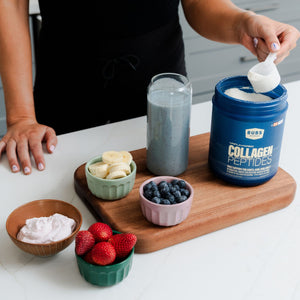
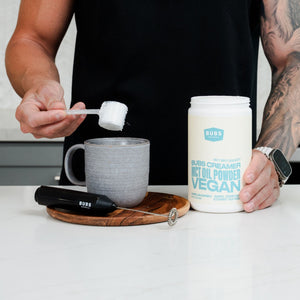
One of the best things about high-quality collagen hydrolysate is its versatility. Our unflavored collagen powder is designed to be flavorless and dissolve instantly. You can mix them into your morning coffee, a post-workout smoothie, or even a glass of water.
There is some evidence that taking collagen about 30 to 60 minutes before exercise may help with tendon health, as the increased blood flow during your workout helps deliver the amino acids to the connective tissues. However, the most important thing is simply making it a habit you can stick to every day.
Choosing a High-Quality Supplement
Not all collagen is created equal. Because the supplement industry is not strictly regulated by the FDA, it is up to the consumer to find brands that prioritize purity and transparency. When you are looking for a product that is truly good for you, keep the following criteria in mind:
-
Sourcing: Look for collagen from grass-fed, pasture-raised cows. This ensures a cleaner product and fits with more ethical farming practices.
-
Clean Ingredients: A good collagen supplement shouldn't need fillers, artificial flavors, or sweeteners. It should be one ingredient: hydrolyzed collagen.
-
Third-Party Testing: This is non-negotiable for athletes and health-conscious individuals. We ensure our products are NSF for Sport certified, which means they are tested for over 280 banned substances and verified for label accuracy.
-
Bioavailability: Ensure the product is specifically labeled as "hydrolyzed" or as "peptides" to guarantee that it will be easily absorbed by your body.
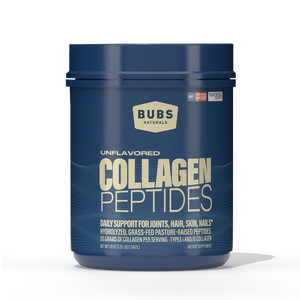
At BUBS Naturals, we take these standards seriously. Our Collagen Peptides are Type I and III, which are the primary types found in the skin and bones. We focus on providing a product that mixes effortlessly into any lifestyle, whether you’re heading to the office or the trailhead.
Lifestyle Habits That Protect Your Collagen
While a supplement can provide the building blocks, it is equally important to protect the collagen you already have. Think of it like a bank account: you want to make regular deposits while minimizing unnecessary withdrawals.
-
Sun Protection: UV rays are the number one enemy of skin collagen. They trigger the production of enzymes that break down collagen fibers. Wear sunscreen and protective clothing when you’re outdoors for long periods.
-
Watch the Sugar: High sugar intake leads to a process called glycation. This is when sugar molecules attach to proteins in your blood, forming harmful molecules called advanced glycation end products (AGEs). These AGEs make collagen fibers brittle and weak.
-
Get Your Vitamin C: Your body cannot actually synthesize collagen without Vitamin C supplement. It acts as a co-factor for the enzymes that stabilize the collagen triple helix. Make sure your diet includes citrus fruits, bell peppers, or a high-quality Vitamin C supplement.
-
Prioritize Sleep: Your body does the bulk of its tissue repair while you sleep. Chronic sleep deprivation can lead to elevated cortisol levels, which can further break down collagen.
Key Takeaway: Collagen hydrolysate works best when combined with a lifestyle that minimizes collagen damage. Protect your skin from the sun, eat a balanced diet, and prioritize recovery to get the most out of your supplementation.
Who Should Consider Collagen Hydrolysate?
Almost anyone can benefit from adding collagen to their diet, but it is especially useful for a few specific groups:
-
Athletes and Weekend Warriors: If you are putting high mechanical stress on your body through lifting, running, or outdoor adventure, the extra support for your tendons and ligaments can help keep you in the game longer.
-
People Over 40: Since collagen production drops significantly with age, a supplement can help bridge the gap and support aging joints and skin.
-
Those with Joint Discomfort: If you deal with occasional stiffness or have been diagnosed with osteoarthritis, collagen may provide a natural way to manage your comfort levels.
-
Recovery from Injury: If you are recovering from a soft-tissue injury like a sprain or a tendon tear, collagen provides the specific amino acids your body needs to rebuild those tissues.
It is always a good idea to consult with your healthcare provider before starting a new supplement, especially if you are pregnant, breastfeeding, or have underlying health conditions.
The BUBS Mission: Purpose Beyond the Product
We believe that what you put in your body should serve a greater purpose. BUBS Naturals was founded to honor the legacy of Glen "BUB" Doherty, a Navy SEAL and hero who lived his life with intensity and a deep commitment to others. Glen was the kind of person who always looked for the best in himself and encouraged those around him to do the same.
Our products are designed to help you live that same kind of active, purposeful life. Whether you are scaling a mountain or just trying to keep up with your kids, we want to provide the fuel and recovery tools you need to do it well. In Glen’s honor, we donate 10% Rule of all our profits to veteran-focused charities, ensuring that every scoop of collagen you take also contributes to a greater cause.
Conclusion
Is collagen hydrolysate good for you? The science and real-world results points toward a resounding yes for many people. By providing a highly bioavailable source of the specific amino acids your body uses to build and repair connective tissue, it supports your joints, skin, and bones from the inside out. It is a simple, clean, and effective way to help your body stay resilient as you age or train.
Remember that supplements work best when they are part of a larger commitment to your health. Eat well, protect your skin, move your body, and choose products that you can trust.
-
Choose Clean: Look for grass-fed, pasture-raised sources without fillers.
-
Be Consistent: Aim for daily use for at least three months to see the best results.
-
Protect Your Assets: Use sunscreen and manage sugar intake to preserve your natural collagen.
"The thing that matters most is that you're out there doing it. Make sure your body is ready for the ride." — The BUBS Team
If you are ready to see how a high-quality collagen can fit into your routine, our Collagen Peptides collection is a great place to start. They are unflavored, easy to mix, and backed by our commitment to quality and purpose.
FAQ
What is the difference between collagen hydrolysate and collagen peptides?
There is no difference between the two terms. Both "collagen hydrolysate" and collagen peptide guide refer to collagen that has undergone the process of hydrolysis to break the protein down into smaller, more easily absorbed chains. You can use these terms interchangeably when looking for a supplement.
Can I get enough collagen from my diet alone?
While you can get collagen by eating animal skin, bone broth, and tough cuts of meat, it is difficult to get the concentrated amounts used in clinical studies through food alone. Furthermore, the collagen in food is not hydrolyzed, meaning your body has to work much harder to break it down and absorb it compared to a peptide supplement.
How long does it take to see results from collagen?
Results vary depending on your goals, but most research indicates that consistency is key. For skin hydration and elasticity, studies typically show results after 8 to 12 weeks of daily use. For joint support and bone density, it may take 12 to 24 weeks to notice a significant difference in how you feel.
Does collagen hydrolysate have any side effects?
Collagen is a food-derived protein and is generally considered safe for most people. Some users may experience mild digestive symptoms like bloating or a feeling of fullness, but these side effects are rare. It is always best to start with a smaller dose to see how your body responds and consult with a doctor if you have any concerns.